
AARTO rollout in SA could leave motorists dealing with two traffic fine systems
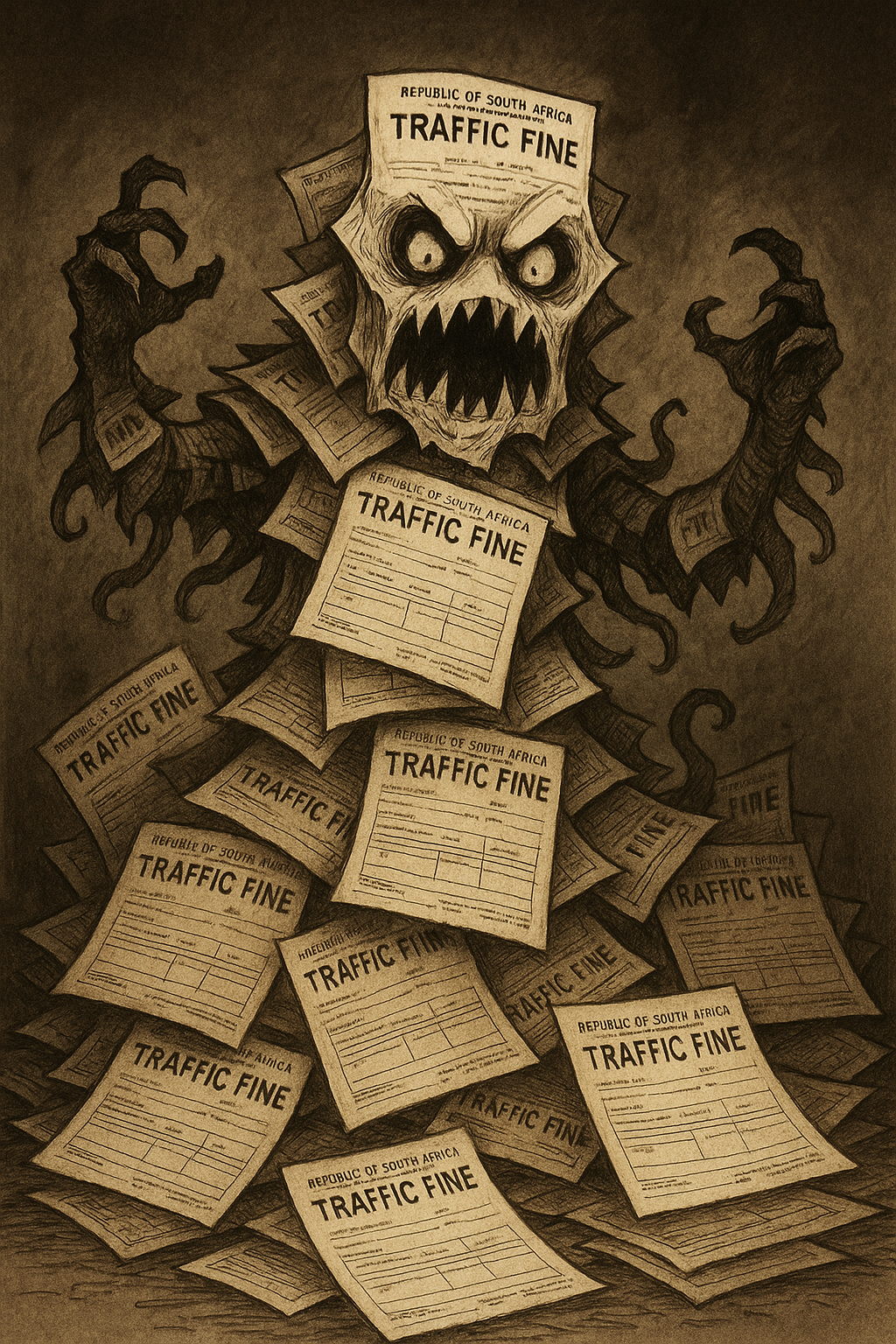
AARTO is reshaping SA traffic fines. Understand the new demerit system, digital enforcement, and what it means for your licence.
South Africa's AARTO system is a big new traffic law changing how fines work. It adds a points system to your driver's license, making forgotten tickets much more serious. Now, every driver needs to be super careful because a simple email can lead to your license being suspended. This new system means you need to stay on top of all traffic notices to keep your driving privileges.
What is AARTO in South Africa?
The Administrative Adjudication of Road Traffic Offences (AARTO) is a new traffic law system in South Africa. It redefines how traffic fines are managed, introducing a points-demerit system and new enforcement procedures. AARTO shifts the focus from criminal offenses to an administrative process, impacting every driver's license and driving privileges.
Get Cape Town news in your inbox
Stay updated with the latest stories from the Mother City.
That faded blue-and-white slip curled beneath your sun visor is about to bite harder than ever before. Once treated as yearly-renewal trivia, traffic fines are morphing into something far sharper under South Africa’s long-gestating Administrative Adjudication of Road Traffic Offences (AARTO). While radio hosts argue over deadlines, quieter shifts have already taken place: speed traps are being recalibrated, small call centres are hiring adjudicators, and under a Midrand rooftop a low-key server farm is sharing offences between provinces. From the subtropics of Tzaneen to the Atlantic seaboard, every licence holder now inhabits a split-screen reality where a forgotten e-mail can park your right to drive before your groceries leave the trolley queue.
Two Laws, Two Clocks: CPA versus AARTO in Everyday Life
-
1. Dual Rulebooks on One Bitumen Strip*
Right now our 257 municipalities and nine provinces enforce traffic rules under two entirely different playbooks. The old Criminal Procedure Act (CPA) labels every camera flash a possible criminal offence: ignore the snail-mail summons, and a warrant, an arrest, or an auction of your furniture follows. AARTO, on the other hand, mimics an online shopping journey: notice, a 21-day window to argue or pay, an automatic enforcement order after 32 days, and ultimately a three-month licence suspension. But Parliament never flicked a master switch. Johannesburg and Ekurhuleni already send AARTO letters; Cape Town and eThekwini are dipping a toe; tiny rural councils still issue CPA warrants. A weekend jaunt from Polokwane to Plett may land you inside two separate legal clocks. -
2. Timelines You Need Tattooed on Memory*
Picture CPA: notice → possible summons within one year → another year for the warrant → criminal docket. Contrast that with AARTO: notice at 0 days → enforcement order at day 32 → final demand at day 96 → licence block. Recognising the envelope or e-mail header has become as critical as recognising stop signs. Expect at least three years of this hybrid fog while the Road Traffic Infringement Agency barks at reluctant municipalities to jump ship. -
3. Grey Zones Where the Map Vanishes*
Take the N2 just east of Mthatha or the R62 through the Karoo: local magistrates still issue CPA warrants, yet the next town may use AARTO. Lawyers already warn of “fine tourism” where drivers exploit camera-free grids, but roaming ANPR bakkies promise to shorten that holiday.
Demerit Points Decoded: Armageddon or Slow Melt?
-
1. The Threshold Myth*
Social timelines scream that six points buys you a bus pass. Reality is gentler: each infringement carries 1–6 points, but you only trigger a three-month suspension after 15 active points, and points disappear after three straight months of clean driving. Occasional 10 km/h overruns will not sink you; serial red-light dancers will. -
2. The Nomination Loophole (and the Trap Inside It)*
If the eNaTIS address on your car is out of date, the system dumps points against the licence plate first. Owners can shift the blame by nominating a driver, spawning a mini-industry of paid affidavit services. The RTIA threatens fraud prosecutions, yet few investigators are available. -
3. Fleet Double-Jeopardy*
A courier bike or Uber-linked car risks points on both the driver and the operator. Companies with ten or more vehicles must register on the AARTO portal, reply in bulk, and keep details updated or face a R2 500 admin penalty per vehicle plus possible fleet grounding. Insurers already pilot “AARTO risk scores” akin to credit ratings, so your delivery company’s premium could balloon after repeated offences.
Digital Eyes Everywhere: Cameras, Apps and Virtual Courtrooms
-
1. Cameras That Never Blink*
Automatic Number-Plate Recognition units now perch on gantries, patrol cars, even tow-trucks. During the 2023 Johannesburg pilot, 38 % of all infringement slips originated from fixed gantry cameras where no human officer ever stood. The law treats an e-mailed notice as served the instant it lands, spam folder or not. -
2. Third-Party Alerts and WhatsApp Payments*
PayCity, Fines SA, and Check-it-now offer bots that ping your phone and let you settle via SnapScan in three taps. Create a Gmail filter for “@rtia.co.za” and enable read-receipts before you next clear your inbox. -
3. Randburg’s 30-Minute Courtroom*
If you want to fight, you upload photos, GPS logs, or calibration certificates. A sole adjudicator inside a 50 m² Randburg office devotes a maximum half-hour per file. Vague pleas die swiftly; concise evidence can kill the fine outright. The queue already stretches six months.
Future-Proof Your Licence: Checklists, Myths and Market Tricks
-
1. Eight Smart Moves Before the Switch*
• Install the RTIA app and verify your e-mail plus cell number.
• Print a VR1 status sheet (R30) to see every fine and licence flag.
• Cloud-archive photos of your licence disc, VIN and odometer.
• Create an inbox filter so notices never hit spam.
• If the car is shared, lodge a driver-nomination affidavit before July 2025.
• Businesses should open a small monthly sweep account earmarked R300 per vehicle.
• Fit a GPS-enabled dash-cam - adjudicators love clean logs.
• Train the family WhatsApp group to forward but never delete alerts. -
2. Post-E-Toll Ghost Debts*
Even though Gauteng’s e-toll gantries went dark in April 2024, historical e-toll accounts can still trigger licence blocks under the sunset law’s “non-compliance levy.” OUTA’s court challenge may not reach the bench until late 2025, so settling old bills at a discount – with a written waiver of criminal record – is presently the safest route. -
3. The Calendar You Cannot Ignore*
• October 2024 – final AARTO rules gazetted.
• March 2025 – eNaTIS address validation goes live.
• July 2025 – provinces north of the Vaal switch fully.
• November 2025 – Western Cape and KZN follow, rural districts exempt.
• April 2026 – demerit points count nationwide, learners included.
• July 2026 – public-transport operator threshold drops from 15 to 12 points.
- Closing Snapshot*
Whether you drive a delivery bakkie, a rental hatch on holiday or a family SUV, AARTO shifts the risk from courtroom drama to inbox discipline. Update your address, watch the envelope, keep a camera running and treat fines like credit-card statements that can both charge interest and steal your keys.
What is AARTO in South Africa?
The Administrative Adjudication of Road Traffic Offences (AARTO) is a new traffic law system in South Africa. It redefines how traffic fines are managed, introducing a points-demerit system and new enforcement procedures. AARTO shifts the focus from criminal offenses to an administrative process, impacting every driver's license and driving privileges. This means forgotten tickets become much more serious, potentially leading to license suspension.
How does AARTO differ from the old Criminal Procedure Act (CPA)?
Under the old CPA, traffic fines were considered criminal offenses, and ignoring summons could lead to warrants, arrests, or asset forfeiture. AARTO, however, operates as an administrative process. It involves a notice, a 21-day window to dispute or pay, an automatic enforcement order after 32 days, and eventually a three-month license suspension if ignored. Currently, both systems operate simultaneously across different municipalities and provinces, creating a 'hybrid fog' for drivers.
What are the key timelines for AARTO?
It's crucial to understand the AARTO timelines: a notice is issued at 0 days, an enforcement order at day 32, a final demand at day 96, and then a license block. This is a stark contrast to the CPA, which had much longer potential timelines for summons and warrants. Drivers must recognize AARTO notices promptly, whether by mail or email, to avoid severe consequences.
How do demerit points work under AARTO?
Each infringement carries 1-6 points. A driver will only trigger a three-month license suspension after accumulating 15 active points. Points disappear after three consecutive months of clean driving. This system is designed to penalize serial offenders rather than minor, occasional infringements. It's important to note that the system can assign points to the vehicle owner if the driver is not nominated, especially if the eNaTIS address is outdated.
What are the implications of digital enforcement and cameras?
AARTO heavily relies on digital enforcement. Automatic Number-Plate Recognition (ANPR) cameras are widespread on gantries, patrol cars, and even tow trucks. An emailed notice is considered served the moment it lands, regardless of whether it goes to a spam folder. Third-party apps and services are emerging to help drivers track and pay fines, and it's advisable to set up email filters for AARTO notices. Fighting fines is possible by uploading evidence, but the process can be lengthy.
How can I prepare for AARTO and protect my license?
To future-proof your license, it's recommended to: install the RTIA app and verify your contact details; print a VR1 status sheet to check for fines; cloud-archive photos of your license disc and VIN; create an email filter for AARTO notices; lodge a driver-nomination affidavit if sharing a car; and consider fitting a GPS-enabled dash-cam. Businesses with fleets should register on the AARTO portal and keep details updated to avoid penalties. Key dates for full implementation across provinces range from October 2024 to July 2026.

Isabella Schmidt is a Cape Town journalist who chronicles the city’s evolving food culture, from Bo-Kaap spice merchants to Khayelitsha microbreweries. Raised hiking the trails that link Table Mountain to the Cape Flats, she brings the flavours and voices of her hometown to global readers with equal parts rigour and heart.
View all articles →