
Afree TV launches free African streaming platform in South Africa
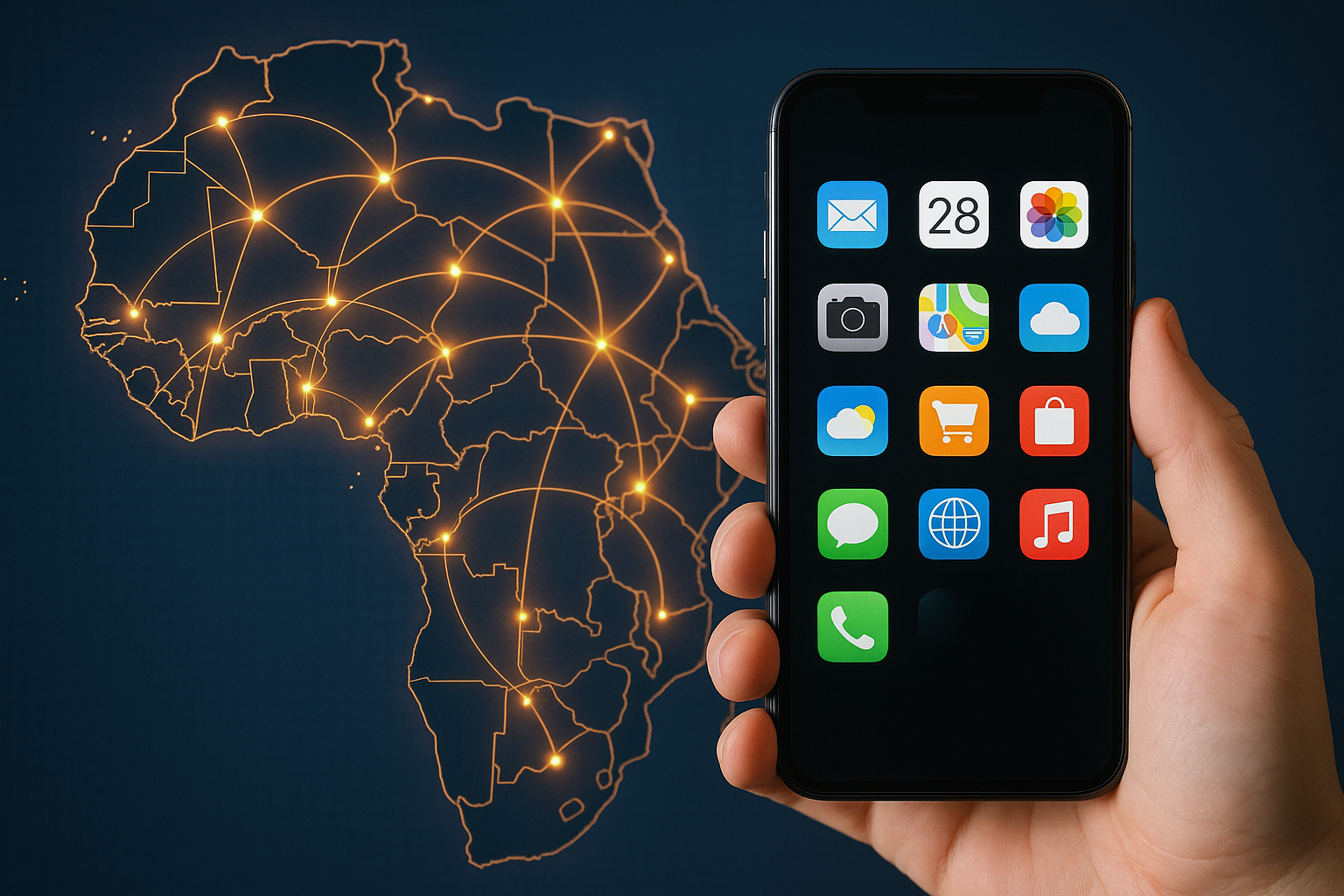
Afree TV: a free, ad-supported streaming service offering diverse African content, local languages, and a unique creator payment model.
Afree TV is a brand new, awesome streaming service made just for Africa! It lets people watch cool shows and movies, even without a bank account, because it's free and has ads. They show off African stories in local languages, and the money from ads goes right back to the people who make the shows. It's like a super smart way to watch TV, perfect for phones, and it's changing how stories are shared across the continent!
What is Afree TV?
Afree TV is an ad-supported streaming platform launched in Africa, designed for viewers who may not have bank accounts or credit cards. It offers a variety of content, including live channels and on-demand titles, with a focus on African storytelling and local languages, funded by advertisers rather than direct viewer payments.
Get Cape Town news in your inbox
Stay updated with the latest stories from the Mother City.
1. No Cards, No Cash: A Streaming Home Built for the Unbanked Couch
On 29 April 2026 a small red icon appeared on thousands of cheap Android phones from Diepsloot to Diepkloof. One tap opens Afree TV, a Cape Town-run, advert-paid platform that treats every language group on the continent as a first-class citizen. Launch day offered only four live channels, a handful of radio simulcasts and a movie shelf short enough to scroll while waiting for a taxi, yet the message was unmistakable: Africans no longer need foreign gate-keepers to bankroll their stories.
The app rides on Sentech’s Freevision Play backbone, but the real engineering miracle is economic, not technical. Viewers pay nothing; mobile networks, FMCG brands and township spaza shops foot the bill. A 55-35-10 revenue split funnels the majority share straight to the storyteller, a formula regional regulators are studying because it slices the historic 30 % studio tithe demanded by legacy pay-TV operators down to zero.
Registration is as optional as greeting the neighbour. Grant the app an advertising ID and the catalogue opens instantly - no four-page forms, no credit-card fields, no “R20 for the first month” traps. Product chief Viwe Mtotoba borrowed the idea from M-Pesa : “If you can send cash with one PIN, you should watch a Sotho telenovela with one tap.”
2. Skinny Bandwidth, Fat Catalogue: How 480p Beats Premium 4K
Picture quality tops out at 1080p/50 fps, but the codec is hungry for data only when the wallet allows. Drop below 1 Mbps and the stream gracefully falls back to 480p, the sweet spot for a prepaid gig that still costs the price of two loaves. KaiOS and Android Go builds are already in the wild; an iOS port lingers in Apple’s review queue, but iPhones are hardly the target demographic.
FAST channels are old news in Los Angeles, yet in Lagos they feel revolutionary. Public arts funding collapsed across Africa two decades ago and a premium decoder currently siphons more than fifteen US dollars a month - untouchable for most households. Afree TV’s lean-back line-up therefore leap-frogs the middle-class ceiling, trading satellite dishes for a 5-inch screen that is already in every pocket.
Content sits in three mental drawers. “Now” holds the four-channel live carousel: news, sport, variety and youth. “Next” is a vertical swipe feed of 40-second jokes, three-minute bead-work tutorials and eight-minute sermons engineered for teens queuing at a spaza. “Forever” is the long-tail vault where library titles snuggle next to fresh commissions, searchable in any of 2 000 languages and 54 time-zones.
3. Beer-Sized Budgets, Festival-Size Dreams: The New Economics of African Storytelling
Bounded in Love, a Xhosa-English thriller shot for barely 200 000 rand, racked up 350 000 completed views in fourteen days, outperforming several star-heavy Nollywood imports. Director Bongiwe Nkosi credits the win to day-and-date freedom: while premium platforms obsess over geo-blocks, Afree TV let her push the title live during the Durban Film Festival’s virtual sidebar, turning a micro-budget romance into trans-Atlantic proof-of-concept.
SportsCast Africa owns zero Premier-League rights yet draws marathon viewing by cycling Kenyan county rugby, Zambian netball and Botswana chess around the clock. Four robotic cameras and a Skype call-in pass for studio gloss when the audience’s real thirst is hometown pride. Betting start-ups queue for ad-slots because a volleyball rally carries looser regulations than a soccer final and a USSD odds overlay converts within seconds.
The revenue cliff is real: once Coca-Cola and its peers exhaust their experimental budgets, CPMs can fall to miracle-pastor levels. Sentech’s counter-punch is t-commerce and micro-tips. A Flutterwave “thank-you” button lets a viewer flick 5 rand straight to the cast, while an upcoming pause-and-buy tool will freeze a Nollywood frame on a pair of sneakers and offer door-to-door delivery within 72 hours, shaving an 8 % slice off each sale.
4. Regulators, Pirates and Grandmas in Toronto: The Audience Nobody Measures
Piracy is discouraged not by lawsuits but by social shame. Every stream carries a five-second watermark that scrambles the viewer’s IMEI into asterisks; when that clip resurfaces on TikTok, friends recognise the pattern and the uploader loses clout. Early scrapes show 82 % of infringing uploads now come from non-watermarked foreign shows - a cheap but oddly effective township solution.
Competition authorities keep binoculars trained on the revenue split because it up-ends two decades of MultiChoice dominance. Afree TV’s standard contract signs only African free-to-air rights for five years and global digital for two, with a claw-back clause if a producer finds a paying buyer elsewhere. The concession convinced South Africa’s National Film & Video Foundation to recommend the app as a first window, a stamp of legitimacy Hollywood streamers never received.
Outside the continent installs spike wherever minibus taxis drop off Southern African drivers. Coventry, Dublin and Houston top the per-capita chart: diaspora viewers stream LN247 breakfast news at 06:00 CAT before jumping on the Northern Hemisphere commute, then share clips on WhatsApp Status as digital postcards from home. Execs wink at VPN traffic; an African grandmother in Toronto still counts as part of the intended family.
The roadmap mixes Silicon Valley ambition with pavement ingenuity. By September a consumer-goods brand can underwrite the data bill for anyone who binge-watches ten episodes within 48 hours, creating artificial urgency without charging a cent. November’s beta will allow one learner to download a movie overnight and beam it to thirty classmates via Wi-Fi Direct, resurrecting the VHS shebeen-circulation culture of the eighties - only now the cassette is a 200-gram phone and the ledger is updated in real time.
[{"question": "What is Afree TV and how does it differ from traditional streaming services?", "answer": "Afree TV is a new ad-supported streaming service specifically designed for the African continent. Unlike traditional streaming platforms that often require bank accounts or credit cards, Afree TV is free to watch, with its operations funded by advertisers. It focuses on showcasing African stories in local languages, and a significant portion of the ad revenue is directed back to content creators. This model makes it accessible to a broader audience, including those who are unbanked, and promotes local content creation."}, {"question": "How does Afree TV address the challenges of internet access and data costs in Africa?", "answer": "Afree TV is engineered to be efficient with data usage. While it supports up to 1080p/50 fps, it gracefully falls back to 480p for viewers with slower internet speeds (below 1 Mbps), making it viable even on prepaid mobile data plans. It also has versions for KaiOS and Android Go, targeting lower-end smartphones prevalent in the region. Furthermore, there are plans to allow consumer-goods brands to underwrite data costs for binge-watching, and a feature to download movies overnight and share them via Wi-Fi Direct, mimicking the old VHS sharing culture."}, {"question": "What kind of content can viewers expect on Afree TV?", "answer": "Afree TV organizes its content into three main categories: 'Now' for its four-channel live carousel (news, sport, variety, youth), 'Next' for short-form content like 40-second jokes, tutorials, and sermons, and 'Forever' which is a vast library of on-demand titles, including fresh commissions and older content. The platform prioritizes African storytelling and aims to offer content in 2,000 languages, catering to the continent's diverse linguistic landscape."}, {"question": "How does Afree TV support African content creators and what is its revenue model?", "answer": "Afree TV has an innovative revenue model where advertisers (mobile networks, FMCG brands, local shops) pay for content, and viewers watch for free. A substantial 55-35-10 revenue split ensures that the majority share goes directly to the storyteller. This model significantly reduces the 'studio tithe' often demanded by legacy pay-TV operators. The platform also offers features like a 'thank-you' button for viewers to micro-tip creators and a 'pause-and-buy' tool for e-commerce, further empowering creators financially."}, {"question": "How does Afree TV tackle piracy and what is its stance on competition?", "answer": "Afree TV discourages piracy not through lawsuits, but by implementing a social shame mechanism. Every stream includes a five-second watermark with the viewer's scrambled IMEI. If the content is re-uploaded, the watermark becomes visible, and the uploader loses social credibility. This has proven effective, with most infringing uploads now being non-watermarked foreign shows. Regarding competition, Afree TV's revenue split and content rights model (signing only African free-to-air rights for five years and global digital for two, with a claw-back clause) are being studied by regulators as they challenge the dominance of established players like MultiChoice."}, {"question": "Is Afree TV available outside of Africa, and how does it cater to the diaspora?", "answer": "While primarily aimed at African audiences, Afree TV has seen significant installations outside the continent, particularly in diaspora communities in places like Coventry, Dublin, and Houston. These viewers often use the platform to stay connected with news and culture from home. Afree TV executives are aware of VPN traffic from these regions and consider these diaspora viewers as part of their intended family, acknowledging their desire to consume African content and stay connected to their roots."}]

Emma Botha is a Cape Town-based journalist who chronicles the city’s shifting social-justice landscape for the Mail & Guardian, tracing stories from Parliament floor to Khayelitsha kitchen tables. Born and raised on the slopes of Devil’s Peak, she still hikes Lion’s Head before deadline days to remind herself why the mountain and the Mother City will always be her compass.
View all articles →