
AI could threaten workplace mental health, expert warns
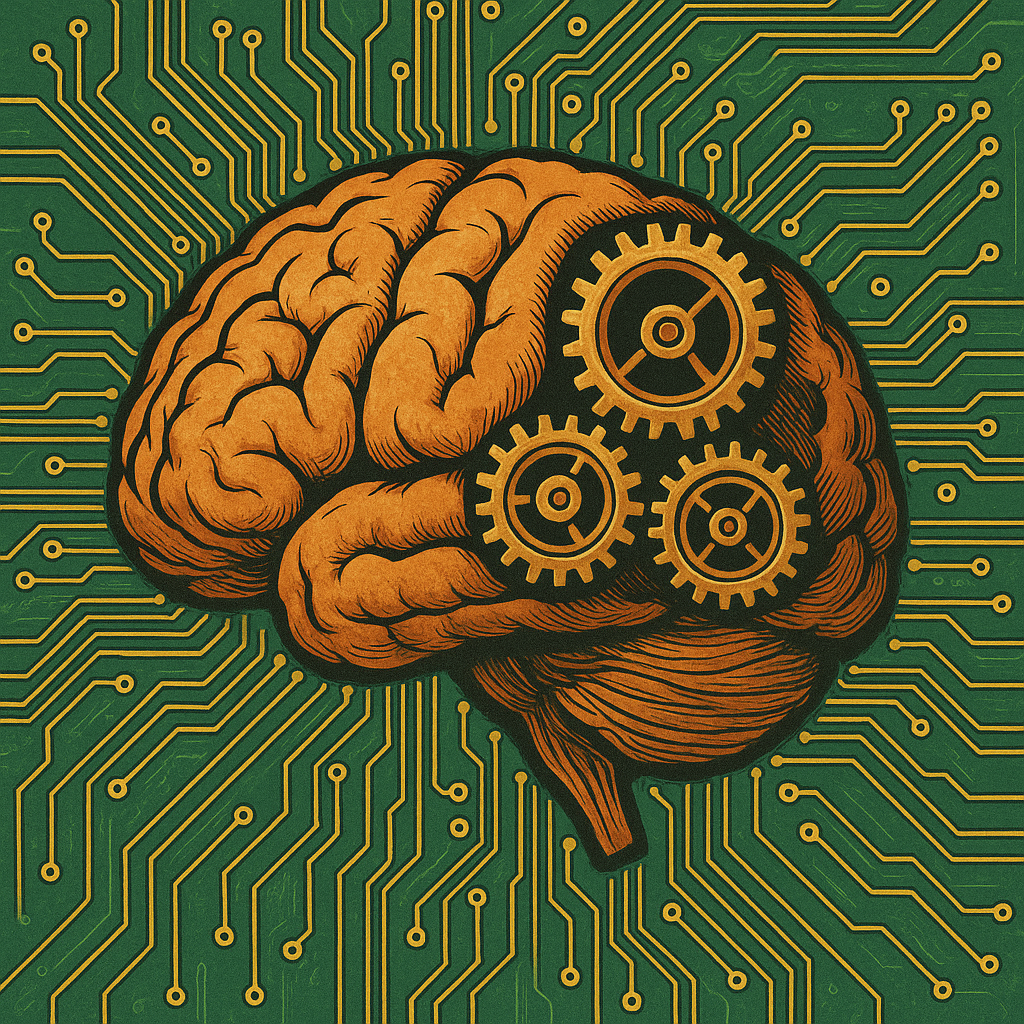
Explore how AI reshapes workplace mental health, from job anxiety and intensification to surveillance. Learn how organizations can foster human-centric AI integration.
AI makes work faster, but it also makes people super stressed and tired. Bosses want more and more work done, and computers watch everything employees do, making them feel trapped. This makes people anxious and burned out. To fix this, companies need to care about their people, not just how fast machines work. They should let employees rest, give them control, and make sure managers help, so AI helps people instead of hurting them.
What are the psychological impacts of AI on employees?
AI implementation can lead to increased stress, anxiety, and burnout among employees. This is due to factors like increased output quotas, constant digital monitoring, erosion of work-life boundaries, and a perceived lack of autonomy. These psychological strains contribute to decreased mental well-being and can negatively impact overall productivity.
Get Cape Town news in your inbox
Stay updated with the latest stories from the Mother City.
The Unseen Side of the AI Boom
As companies race to embed artificial intelligence into every workflow, glossy KPI dashboards trumpet record-breaking throughput and shrinking cycle times. Yet behind these celebratory metrics lies a quieter, more troubling story: a rising tide of sleepless nights, panic attacks and quiet resignations. Corporate Mental Health Week - kicked off on 1 July - has become an annual reminder that psychological welfare still sits on the sidelines of strategic planning. Professor Renata Schoeman, Head of Healthcare Leadership at Stellenbosch Business School, warns that the obsession with governance, ethics and cybersecurity has crowded out a vital variable: the human mind.
Schoeman’s research reframes AI roll-outs from a technical checklist into a living experiment in stress physiology. Depression and anxiety already drain roughly twelve billion working days from the global economy each year, and South Africa - where structural unemployment hovers near record levels - offers a magnified view of what happens when algorithmic uncertainty collides with job scarcity. Employees are not resisting the future; they are absorbing its shockwaves without adequate buffer zones.
The Acceleration Trap: Faster Output, Faster Burnout
Sci-fi headlines warn of robots stealing entire professions overnight, but Schoeman says the real threat is subtler: a slow ratcheting of output quotas made possible by digital aides. When an AI tool compresses a four-hour report into forty-five minutes, the saved hours rarely convert into leisure; they quietly refill with extra assignments, tighter deadlines and an unspoken expectation to remain on call after dinner. Over months, this “efficiency dividend” erodes the mental valleys where recovery normally occurs.
The psychological fallout spreads invisibly. Workers rarely complain about “the algorithm” in town-hall meetings; instead they report chest tightness, irritability and a creeping dread of opening their laptops on Monday morning. The symbolism matters more than the software itself: each new dashboard broadcasts a message that performance limits are obsolete, and that anyone who cannot keep pace risks replacement by a cheaper, faster alternative. Chronic anxiety - once viewed as a personal issue - morphs into an occupational hazard.
Surveillance Culture and the Death of Safe Space
Another layer of strain comes from AI-driven monitoring platforms that log keystrokes, parse email tone and rank “focus time.” Marketed as objective coaching tools, these systems often register inside the workforce as digital ankle bracelets. Schoeman stresses that the moment staff sense a judgmental observer behind every click, psychological safety - the shared belief that one can speak up without punishment - evaporates. Creativity stalls, knowledge hoarding rises and discretionary effort dwindles, undercutting the very productivity gains the dashboards promise.
Autonomy, a core nutrient for mental wellbeing, also withers under algorithmic oversight. When micro-alerts nudge workers back to task, the locus of control shifts from self-management to code-mediated supervision. Over time, employees internalise the gaze of the platform, second-guessing each break and bathroom trip. The result is a hyper-vigilant state that drains cognitive bandwidth and primes the nervous system for burnout.
Culture as Amplifier: Why Healthy Soil Matters More Than Fancy Seeds
Toxic Workplaces Become Tech-Enabled Toxic Workplaces
Schoeman’s fieldwork reveals a sobering pattern: artificial intelligence does not repair unhealthy cultures; it supercharges them. In environments where overload, presenteeism and weak boundaries already dominate, smart tools become excuse generators for demanding still more. Conversely, organisations that cherish recovery, psychological safety and two-way trust tend to deploy the same technology as empowerment infrastructure - automating drudge work while protecting downtime.
The deciding factor is rarely the algorithm’s sophistication; it is the human soil into which the algorithm is planted. A respectful, well-boundaried team can integrate AI and gain genuine quality-of-life improvements, whereas a punitive, output-obsessed hierarchy will weaponise identical code to squeeze extra labour from already depleted staff. Culture, in short, operates as an amplification layer that determines whether innovation uplifts or injures.
The Recovery Deficit: Why Productivity without Restoration Fails
Central to Schoeman’s argument is the concept of recovery - the physiological and psychological refuelling that must follow effort expenditure. True recovery demands protected periods where job demands fall to near zero. Yet AI-powered phones and laptops keep notifications pinging at 11 p.m., dissolving the boundary between office and sanctuary. Over months, the deficit accrues like compound interest: cortisol levels remain elevated, sleep fragments and emotional reserves hollow out, even if quarterly targets appear robust.
Left unchecked, this dynamic points toward a future that is technologically advanced yet mentally unsustainable: offices packed with cutting-edge analytics and humans too exhausted to appreciate them. The hidden cost of progress is paid in antidepressant prescriptions, turnover spikes and the quiet erosion of institutional memory as experienced employees exit.
Blueprint for Human-Centred AI Deployment
Communicate, Educate, Collaborate
Schoeman urges leaders to tackle the psychological side of AI with the same rigour they apply to server uptime. Begin with radical transparency: publish roll-out roadmaps, explain why each tool matters and invite staff to pilot groups where feedback reshapes configuration. Pair every tech launch with training budgets that boost employability, signalling that people - not machines - remain the enterprise’s long-term asset.
Expectation management is equally critical. Boards must resist converting every efficiency gain into stretched Key Performance Indicators. Instead, ring-fence a portion of saved hours for genuine downtime: delay email delivery after 6 p.m., discourage weekend Slack traffic and celebrate teams that hit targets without overtime. These signals recalibrate norms faster than policy handbooks.
Equip Managers to Soften the Transition
Frontline supervisors occupy the pivotal buffer zone between executive vision and employee experience, yet many feel ill-prepared to spot AI-related distress. Schoeman recommends upskilling managers to recognise early markers - withdrawal, irritability, productivity dips - and to conduct psychologically informed check-ins. When leaders can interpret anxiety as a rational response to uncertainty rather than poor attitude, they open space for problem-solving instead of blame.
Advocacy skills matter too. Managers need authority to push back on unrealistic algorithmic quotas and to co-design workflows that marry machine speed with human sustainability. Training modules should include negotiation tactics, mental-health first-aid and the courage to escalate concerns before burnout becomes resignation.
Choosing a Future That Is Both Smart and Humane
The Stakes for the Next Decade
Artificial intelligence is neither saviour nor nemesis; it is a mirror reflecting the values of its adopters. Enterprises that treat rollout as a purely technical exercise risk breeding a workforce that is proficient yet psychologically depleted. By contrast, organisations that embed empathy, recovery and transparency into integration strategy can unlock AI’s productivity upside without sacrificing human thriving.
The timing is urgent. With Corporate Mental Health Week spotlighting workplace wellbeing, business, technology and mental-health professionals have a rare window to converge around a shared agenda: design work that harnesses silicon speed while honouring carbon limits. The choices made in the next two to three years will shape whether tomorrow’s employees look back at AI as the engine that enriched their careers - or the force that drained their spirit.
[{"question": "
What are the primary psychological impacts of AI on employees?
\nAI implementation can lead to increased stress, anxiety, and burnout among employees. This is often due to factors such as higher output quotas, constant digital monitoring, the erosion of work-life boundaries, and a perceived lack of autonomy. These psychological strains contribute significantly to decreased mental well-being and can negatively impact overall productivity and employee retention.
\n","answer": ""},{"question": "How does the 'Acceleration Trap' contribute to employee burnout?
\nThe 'Acceleration Trap' refers to the phenomenon where efficiency gains from AI tools, such as reducing the time for a task from four hours to forty-five minutes, are rarely converted into leisure. Instead, the saved time is often filled with extra assignments, tighter deadlines, and an unspoken expectation to remain on call. This constant demand erodes the mental valleys necessary for recovery, leading to chronic anxiety, irritability, and ultimately, burnout.
\n","answer": ""},{"question": "What is the impact of AI-driven surveillance on psychological safety and autonomy?
\nAI-driven monitoring platforms that log keystrokes, analyze email tone, and rank 'focus time' can severely undermine psychological safety. When employees feel constantly watched and judged, their willingness to speak up, innovate, and contribute discretionary effort diminishes. Furthermore, these systems deprive employees of autonomy, a crucial element for mental well-being, by shifting control from self-management to code-mediated supervision, leading to a hyper-vigilant state that drains cognitive resources.
\n","answer": ""},{"question": "Why is organizational culture more important than technology in AI deployment?
\nOrganizational culture acts as an amplification layer for AI; it doesn't repair unhealthy workplaces but rather supercharges existing dynamics. In toxic environments, AI can become an excuse to demand more from employees, while in healthy cultures, it can serve as an empowerment tool, automating drudgery and protecting downtime. The success of AI integration hinges not on the algorithm's sophistication, but on the 'human soil' into which it is planted, determining whether innovation uplifts or injures employees.
\n","answer": ""},{"question": "What is the 'Recovery Deficit' and why is it problematic for long-term sustainability?
\nThe 'Recovery Deficit' describes the lack of protected periods for physiological and psychological refueling after work effort. With AI-powered tools and constant notifications, the boundary between work and personal life blurs, preventing genuine recovery. Over time, this accrues, leading to elevated cortisol levels, fragmented sleep, and depleted emotional reserves, even if short-term productivity targets are met. This dynamic creates a technologically advanced but mentally unsustainable future, marked by increased antidepressant prescriptions, high turnover, and the loss of experienced employees.
\n","answer": ""},{"question": "What steps can companies take to ensure a human-centered AI deployment?
\nTo ensure a human-centered AI deployment, companies should prioritize radical transparency by communicating roll-out roadmaps and inviting feedback. They must manage expectations by not converting every efficiency gain into stretched KPIs, and instead, ring-fence time for genuine downtime. Crucially, companies need to equip managers to identify AI-related distress, provide mental-health first aid, and empower them to advocate for their teams by pushing back on unrealistic algorithmic quotas. This approach ensures AI serves as an engine for enrichment rather than a drain on employee spirit.
\n","answer": ""}]
Michael Jameson is a Cape Town-born journalist whose reporting on food culture traces the city’s flavours from Bo-Kaap kitchens to township braai spots. When he isn’t tracing spice routes for his weekly column, you’ll find him surfing the chilly Atlantic off Muizenberg with the same ease he navigates parliamentary press briefings.
View all articles →