
Asylum seeker appeal backlog rises to 161 000 cases
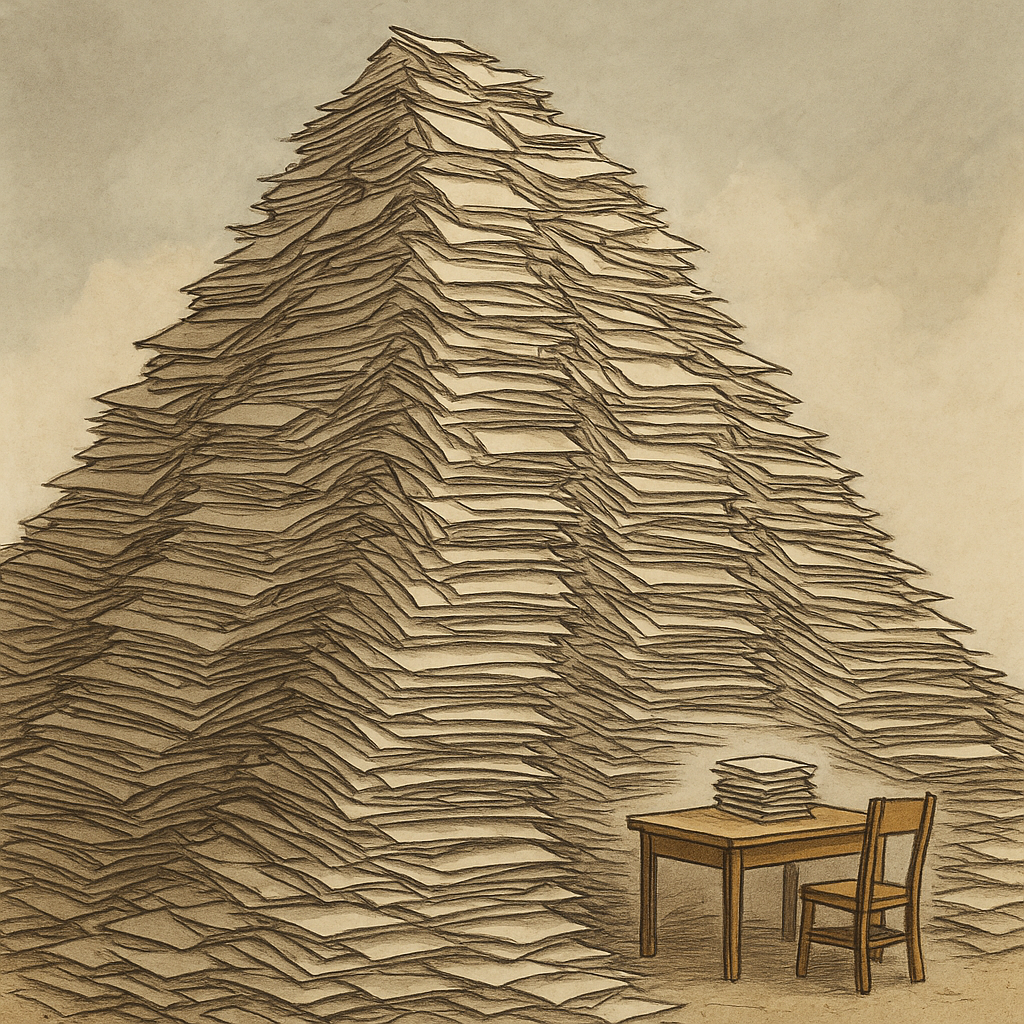
South Africa's Refugee Appeals Authority faces a massive backlog of 161,000 asylum appeals, leading to long waits and humanitarian issues.
South Africa is drowning in a sea of 161,000 forgotten asylum appeals. This huge pile grows bigger every day due to not enough staff, messy records, and slow computer systems. People are stuck in a waiting game for years, like being in a never-ending line just to renew a piece of paper. This mess isn't just a headache for the government; it traps thousands in a legal limbo, making their lives incredibly hard and hurting the country's immigration system.
What is the current state of South Africa's asylum appeal backlog?
South Africa faces a massive asylum appeal backlog of 161,000 cases, with only 19,064 resolved since 2021, while 27,000 new appeals have been added. This crisis is exacerbated by staff shortages, duplicate records, and slow digitization, leaving thousands in prolonged legal limbo and hindering proper immigration management.
Get Cape Town news in your inbox
Stay updated with the latest stories from the Mother City.
1. A Paper Avalanche Nobody Planned For
-
161 000 unopened refugee appeals now sit in Home Affairs offices; that heap has swollen every month since a UNHCR-funded “backlog blitz” kicked off three years ago. Parliament heard this week that only 19 064 matters have been closed since 2021, while an extra 27 000 fresh appeals* were tossed onto the pile. The result is a surreal ritual: every ninety or one-hundred-and-eighty days thousands of people queue in darkness to renew a sheet of paper that simply says “appeal pending”.
-
Roughly 71 000 appellants still physically appear at refugee centres when their appointment slips demand it, clutching dog-eared receipts, sleeping babies and plastic folders. Another 90 000 files* are stamped “inactive” because the applicants vanished, moved house, or gave up. In one Midrand warehouse, clerks uncovered whole boxes addressed to men and women whose last known phone numbers are now owned by strangers.
While the mountain grows, only ten of the 36 adjudicators budgeted for in 2021 are on payroll. The United Nations refugee agency paid the start-up bill but refuses to top up salaries; officials admit they lack funds even for ink cartridges, let alone overtime. Consequently, some families have worn the same “temporary permit” for over a decade, frozen between legality and removal, allowed to work or register at university only until the next quarterly stamp runs out.
2. Duplicates, Ghost Records and the Smart-ID Promise
- 20 000 duplicate identities* turned up once scanners began digitising the old green-barrel ID books left to rot in Rosettenville and Marabastad. One name was simultaneously listed as an asylum seeker, the holder of a spousal visa, a critical-skills permit holder, and - bizarrely - an owner of a 1994 temporary identity booklet. Officials cannot yet tell whether migrants gamed the system or whether bored typists simply hit the wrong keys for twenty years. Either way, every suspicious record must be eyeballed before any biometric card is printed.
The new plan is to hand refugees biometric smart-ID cards the moment a file is scanned and reconciled with the National Immigration Information System. The card carries a chip that banks, landlords and university bursars can swipe for instant status confirmation. Yet the reconciliation stage alone, given current staff, may drag on until 2033. In the interim, **“visa shopping” remains child’s play: applicants collect multiple permits under slightly different spellings of the same surname and switch identities when one stream collapses.
- Home Affairs acting deputy director Mandla Madumisa* warns that every week of delay breeds more fraud. A Somali trader may use his asylum queue receipt to open a spaza shop bank account, while simultaneously holding a critical-skills visa that lets him import cell-phones. If officials ever link the two records, the fallout could include annulment of both permits and immediate detention at Lindela Removal Centre.
3. Courts, Planes and the Midnight Rush to File
South African law allows every rejected asylum seeker to ask the High Court to review that refusal. Once the review form is stamped, the Refugee Appeals Authority must down tools. Chairperson Adv. Zilpha Raphesu says 2 733 such reviews have been filed since 2021, almost all “after hours and on the eve of deportation”. Planes chartered for Lindela sit on the apron while clerks email case numbers back and forth; taxpayers foot the aviation holding fees.
Raphesu has begged Gauteng Judge President Dunstan Mlambo to create a dedicated refugee roll; the letter has gathered dust since 2022. Without it, asylum reviews compete with labour, tender and eviction disputes on already packed court lists. Hearing dates are now being pencilled in for 2026, long after most appellants will have lost jobs, leases or marriages waiting for a fifteen-minute appearance.
On the flip side, UCT’s Refugee Rights Unit found that the state fights 42 % of reviews tooth and nail, only to concede on the court steps when counsel proves the claim is valid. Each abandoned opposition still consumes translators, advocates and hours of judicial time - public money burned because officials refused to believe their own paperwork in the first place.
4. Money, Parallel Tracks and the Invisible Ones
The UNHCR country envelope is US $18 million for 2024, yet only US $1.3 million is set aside for “status determination and appeals”. Ten American-funded contract adjudicators plough through 600 cases a year each, but new appeals land at 700 a month. Raphesu’s board has resorted to 34 part-time advocates paid R850 per finalised file, capped at R10 million per annum - enough for 11 700 determinations, i.e., roughly four months of fresh receipts. After that, the queue will again stall.
- Thirty percent* of current asylum appellants from Ethiopia, India and Pakistan already hold valid work or study visas under separate immigration streams. Officials call it “dual tracking”; lawyers call it prudent insurance in a country where a critical-skills permit takes two years and R15 000 in legal fees. When the job ends, the applicant simply tiptoes back to the asylum file instead of facing the exit stamp.
The stand-off splits families. A Somali mother in Bellville has not seen her Kenyan husband since 2017; he took a UNHCR scholarship in Germany, but she is chained to file number *14/AS/01827 * that still marks her “undocumented”. Their eight-year-old daughter speaks fluent German yet remains stateless - Kenya and Somalia each refuse passports to a child born in limbo.
And then there are the ghost appellants who never lodged appeals because they could not read the English rejection letter or pay the R25 taxi fare. Ex-staff estimate that for every name on the 161 000 spreadsheet, at least one more person has vanished into Johannesburg’s inner-city flats or Stellenbosch fruit farms. They will never appear in a parliamentary brief, yet their children will still need schools, clinics and, one day, a country they can call home.
What is the current state of South Africa's asylum appeal backlog?
South Africa is grappling with a massive backlog of 161,000 asylum appeals. Despite efforts, only 19,064 cases have been resolved since 2021, while an additional 27,000 new appeals have been added to the pile. This growing backlog is largely due to severe staff shortages, administrative inefficiencies, and outdated systems.
Why is the backlog of asylum appeals so large in South Africa?
The enormous backlog is attributed to several factors: a severe shortage of adjudicators (only 10 out of 36 budgeted positions are filled), messy and duplicate records, slow digitization processes, and a continuous influx of new appeals. Financial constraints also play a role, with insufficient funds for basic supplies and overtime for staff.
How does the asylum appeal backlog impact individuals?
Thousands of asylum seekers are stuck in legal limbo for years, often holding temporary permits that require frequent renewal. This prevents them from fully integrating into society, affecting their ability to work, study, and access essential services. Families are separated, and children born during this period can face statelessness. The uncertainty also makes them vulnerable to exploitation and fraud.
What challenges does the South African government face in addressing this backlog?
The government faces significant challenges, including a lack of human resources, financial constraints for hiring and resources, and issues with managing duplicate and "ghost" records. The current system is also vulnerable to fraud, with individuals potentially holding multiple identities or documents. Additionally, court processes for reviewing rejected appeals are slow and contribute to delays.
What efforts are being made to resolve the asylum appeal backlog?
Attempts to address the backlog include a UNHCR-funded "backlog blitz" and plans to digitize records and issue biometric smart-ID cards to asylum seekers. There are also efforts to use part-time advocates to process cases. However, these initiatives are hampered by funding limitations, staff shortages, and the sheer volume of new appeals.
How does the backlog affect South Africa's immigration system?
The backlog creates significant strain on the immigration system, leading to administrative chaos, increased opportunities for fraud, and a perception of inefficiency. It also means that resources are diverted to managing the backlog rather than processing new applications or enforcing immigration laws effectively. The prolonged uncertainty can also make it difficult to manage the country's overall immigration population and planning for social services.

Chloe de Kock is a Cape Town-born journalist who chronicles the city’s evolving food culture, from township braai joints to Constantia vineyards, for the Mail & Guardian and Eat Out. When she’s not interviewing grandmothers about secret bobotie recipes or tracking the impact of drought on winemakers, you’ll find her surfing the mellow breaks at Muizenberg—wetsuit zipped, notebook tucked into her backpack in case the next story floats by.
View all articles →