
Authorities seek suspects after 41 bus stoning attacks hit Dunoon
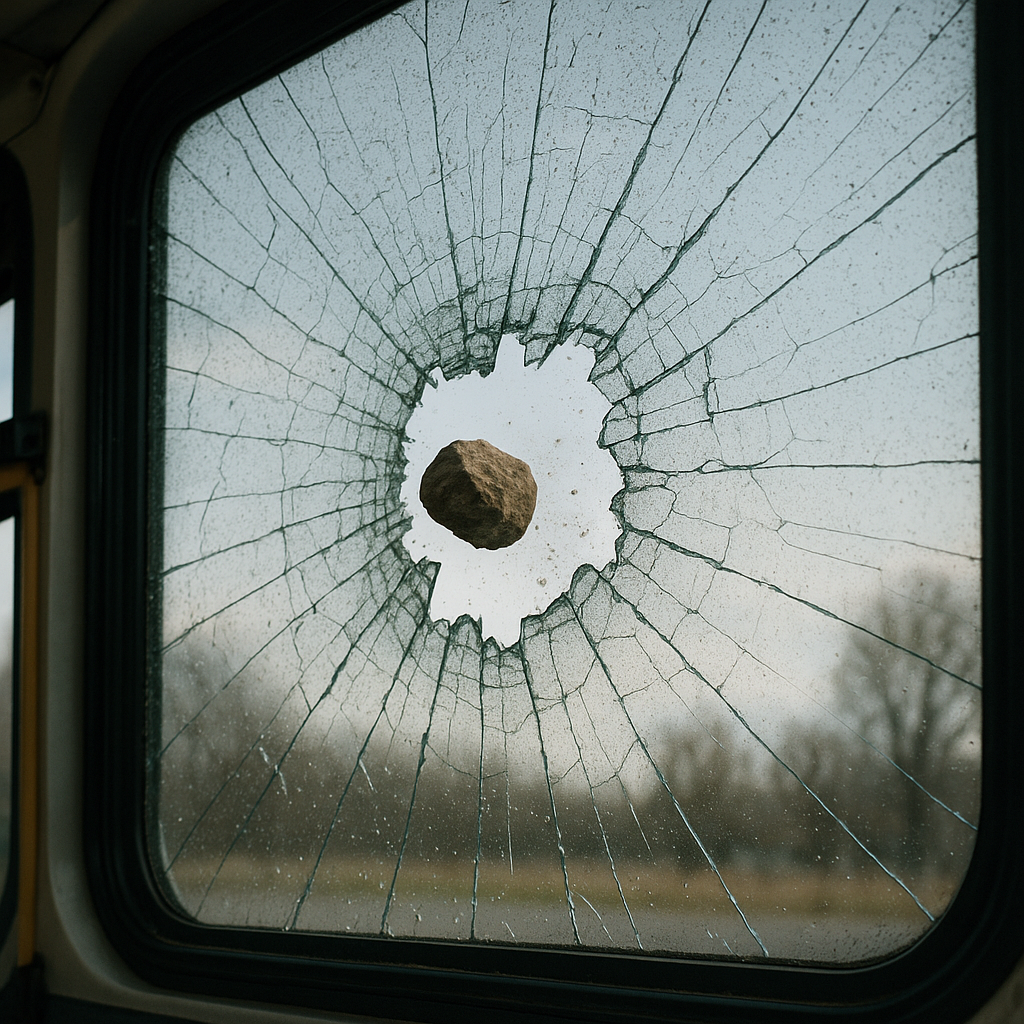
Dunoon commuters face a transport crisis as stone-throwing attacks on buses surge, causing injuries, delays, and millions in damages.
Between May and June 2024, Dunoon, South Africa saw 41 bus attacks, with stone-throwers smashing 47 windows and hurting passengers. These attacks, which shattered windows and caused injuries, stem from deep-seated community problems and fights over territory. This has made daily travel scary and difficult for everyone.
What is the Dunoon Bus Siege?
The Dunoon Bus Siege refers to a series of 41 attacks between May and June 2024, where stone-throwers targeted Sibanye Bus Services in Dunoon, South Africa. These attacks, which shattered 47 windows and injured passengers, are rooted in socio-economic grievances and a turf war, causing significant disruption and fear among commuters.
Get Cape Town news in your inbox
Stay updated with the latest stories from the Mother City.
Forty-One Strikes in Fifteen Days
Between the last week of May and the first week of June 2024, two tarred lifelines into Dunoon – Potsdam Road and the N7 – turned into target ranges. Stone-throwers launched forty-one separate attacks on Sibanye Bus Services, smashing forty-seven side windows and puncturing three windscreens beyond repair. Commuters report a lethal hail of fist-sized rocks that fly from vacant plots, half-finished houses and dark embankments skirting the township. Thursday 6 June was the worst morning: five coaches were struck before 10 a.m., leaving seven passengers hurt. Among them were a fifteen-year-old Edgemead High learner and a security guard on his way to a night-shift hand-over at Table Bay Mall.
The assault itself lasts only seconds – brakes slam, glass explodes, screams rise – yet the fallout stretches for hours. Six buses are now in the workshop, three peak-hour runs have been suspended and “shadow” vehicles shuttle in to rescue stranded travellers. In a settlement where roughly thirty-eight thousand people leave every day for work or school, every cancelled trip ripples into late clock-ins, lost wages and missed clinic appointments.
Drivers have learned to swerve hard left the instant impact is felt, but at rush-hour that manoeuvre courts head-on crashes. A dash-cam clip doing the rounds on WhatsApp shows Thabang Molefe steering his packed coach across two lanes after a brick bursts above his left ear; the bus lurches to the shoulder while first-graders sob in the back rows and blood trickles down the driver’s neck.
Anatomy of an Attack – Why a Half-Brick Hurts So Much
A piece of shale or half-brick weighs four to six hundred grams. Release it from a four-metre embankment onto a bus moving sixty kilometres an hour and the closing speed tops twenty-five metres per second – faster than a cricket fast ball. Tempered side glass is designed to crumble into small cubes, not shards, but that only holds if the laminate survives. Dunoon attackers often strike the same pane twice: the first hole is punched, the next rock sails clean through above head height. Passengers on the kerbside seats are especially exposed – neck lacerations, blunt trauma to the temple, splinters in eyes.
The violence has turned routine journeys into nervous audits of risk. Drivers now scan embankments the way airline passengers watch for turbulence; commuters race for aisle seats and avoid windows altogether. The South African Depression and Anxiety Group has already logged classic post-trauma signs: exaggerated startle response, nightmares the night before travel, even bed-wetting among five-year-olds who ride “the big grey bus” at dawn.
Inside the Bellville South dispatch centre, analysts pin every incident to a digital map: red for window damage, orange for injury, black for cancelled trips. Three hotspots emerge – the bend outside Killarney Motors, the sand-pit near Akhona Primary and the wetland bridge over the Diep River. Stellenbosch University researchers crunched the numbers and found seventy-two percent of stones are launched within thirty metres of the roadway, most between 05:45-06:45 and 16:00-17:15 – the gap between outgoing and incoming security patrols.
Roots and Reasons – From Chicken Farms to TikTok Dares
Forty years ago Dunoon was an 1 800-hectare poultry farm. Today its population doubles every seven years, and the edges are raw. Untarred tracks dissolve into dunes; builder’s rubble forms convenient berms from which attackers can crouch unseen. At 22:00 the single floodlit sports field switches off, plunging the area into darkness perfectly suited for ambush.
Many of the youths launching rocks are third-generation unemployed, raised by parents who left Eastern Cape farms seeking opportunity that never arrived. BRT buses and MyCiTi coaches glide past en route to Century City and Bloubergstrand – glossy, air-conditioned symbols of a prosperity that halts at the last traffic light before township soil begins. A months-long turf war over unlicensed taxi ranks has also pitted local operators against “outsider” coaches, while recent police raids on drug dens have provoked tit-for-tat sabotage. To cap it off, a viral TikTok challenge dared teenagers to film “bus hits” for clout; each stone now carries a different motive, but only the shattered glass makes the message legible.
Cape Town’s transport corridors have long acted as theatres for broader grievances. In 1957 Langa residents stoned buses during the Potato Boycott, in 1985 Crossroads youths hurled rocks at delivery trucks, and in 2008 Khayelitsha learners targeted Golden Arrow after unmet scholar-transport promises. Sociologists call it instrumental violence – damage a service to force negotiation. Analysts warn Dunoon’s latest cycle will not fade until underlying socio-economic gaps are narrowed.
Escalation, Experiment and Glimmers of Safety
Western Cape Mobility MEC Isaac Sileku has dispatched twenty-two extra law-enforcement officers to ride shotgun – sometimes literally – on buses leaving the Bell. Metro police have erected eight temporary CCTV masts along Potsdam Road, but rolling blackouts gut night coverage. The Urban Mobility Directorate is trialling polymer-coated anti-vandal film; early tests show it survives a second strike long enough for drivers to get clear. Replacing a side pane costs R1 850, a windscreen R7 400; add downtime, overtime pay and injury compensation and Sibanye’s finance office estimates R1.2 million gone in six weeks.
Meanwhile, an arms race of deterrence is under way. South Korea’s LG Chem has supplied a transparent film stronger than Kevlar at R3 000 per square metre; Shoprite has pledged enough for twenty buses. UCT engineering students built a thermal-drone that loiters eighty metres above convoys and live-streams to Metro police; during its first night trial SAPS arrested six youths hiding in reeds with slingshots.
Grass-roots efforts are also sprouting. Dunoon ward councillor Lubabalo Makeleni convened a “Peace on Wheels” imbizo; from it emerged a volunteer sixty-person “Visibility Patrol” that walks the embankments from 04:30–07:30 and 15:30–19:30 wearing reflective bibs. Local bakery “Toast of Dunoon” trades a free loaf to commuters who post selfies tagged #RideWithRespect, slowly seeding the idea that those same buses bring bread and opportunity.
At 04:15 Bheki Mthembu buttons a neon bib over his hoodie and meets six other volunteers. Their torches dance across reed banks while they sync walkie-talkies to Metro Police channel 142. At 05:12 they spot two silhouettes atop a half-built RDP house and radio in. A van arrives; the youngsters bolt, leaving two warm rocks behind. For the next forty minutes no buses pass that stretch; somewhere a mother boards safely, unaware of the small drama that shielded her.
City engineers have sketched a plan to fence the most porous three-kilometre verge with palisade and angled concrete blocks, but treasury will only table the budget in August. Learner-transport NGOs lobby for staggered school start times; the provincial education department is “studying” it. The stone-throwers, whoever they are, know the calendar.
In the Sibanye driver’s room hangs a mosaic of every shattered pane, the glass labelled by date and arranged like stained glass in a secular chapel. Drivers brush their fingers across it when signing out – a reminder that glass can shatter, but also catch and refract the first light of a possible solution.
What is the Dunoon Bus Siege?
The Dunoon Bus Siege refers to a series of 41 attacks between May and June 2024, where stone-throwers targeted Sibanye Bus Services in Dunoon, South Africa. These attacks, which shattered 47 windows and injured passengers, are rooted in socio-economic grievances and a turf war, causing significant disruption and fear among commuters.
How many attacks occurred and what was the impact?
Between the last week of May and the first week of June 2024, there were 41 attacks on Sibanye Bus Services buses on Potsdam Road and the N7. These attacks resulted in 47 bus windows being smashed and three windscreens punctured beyond repair. Seven passengers were injured on the worst morning (June 6th), including a 15-year-old high school student and a security guard. The attacks have led to six buses being out of service, three peak-hour runs suspended, and widespread fear and inconvenience for the approximately 38,000 daily commuters in Dunoon.
What are the main reasons behind these attacks?
The attacks are attributed to deep-seated community problems and fights over territory, reflecting broader socio-economic grievances. Specific factors include generational unemployment in Dunoon, a perceived disparity between the residents' economic reality and the prosperity symbolized by passing BRT and MyCiTi buses, a months-long turf war over unlicensed taxi ranks, and retaliatory sabotage following police raids on drug dens. Additionally, a viral TikTok challenge encouraging teenagers to film 'bus hits' for clout has also contributed to the incidents.
What are the dangers faced by passengers and drivers during these attacks?
Passengers face severe risks, especially those in kerbside seats. Rocks, often fist-sized and weighing 400-600 grams, can be thrown at high speeds, capable of breaking tempered glass and causing injuries such as neck lacerations, blunt trauma to the temple, and splinters in eyes. Drivers are forced to make dangerous maneuvers like swerving across lanes, which can lead to head-on collisions. The psychological impact is also significant, with commuters experiencing post-trauma symptoms like exaggerated startle responses and nightmares.
What measures are being taken to address the Dunoon Bus Siege?
Various measures are being implemented to combat the attacks. These include the deployment of 22 additional law enforcement officers to ride on buses, the erection of eight temporary CCTV masts (though affected by blackouts), and the trial of polymer-coated anti-vandal film on windows. Technological solutions include a thermal drone developed by UCT engineering students, which has already led to arrests. Grassroots efforts include a 60-person volunteer 'Visibility Patrol' walking embankments during peak hours and a 'Peace on Wheels' initiative. Longer-term plans involve fencing porous areas and potentially staggering school start times.
What is the financial cost of these attacks?
The financial impact on Sibanye Bus Services is substantial. Replacing a side pane costs R1,850, and a windscreen R7,400. Factoring in downtime, overtime pay for staff, and injury compensation, the company has estimated losses of R1.2 million within just six weeks. This does not include the cost of implementing new security measures or the broader economic impact of lost wages and missed appointments for commuters.

Aiden Abrahams is a Cape Town-based journalist who chronicles the city’s shifting political landscape for the Weekend Argus and Daily Maverick. Whether tracking parliamentary debates or tracing the legacy of District Six through his family’s own displacement, he roots every story in the voices that braid the Peninsula’s many cultures. Off deadline you’ll find him pacing the Sea Point promenade, debating Kaapse klopse rhythms with anyone who’ll listen.
View all articles →