
Bafana Bafana face Czech Republic in must-win World Cup 2026 clash
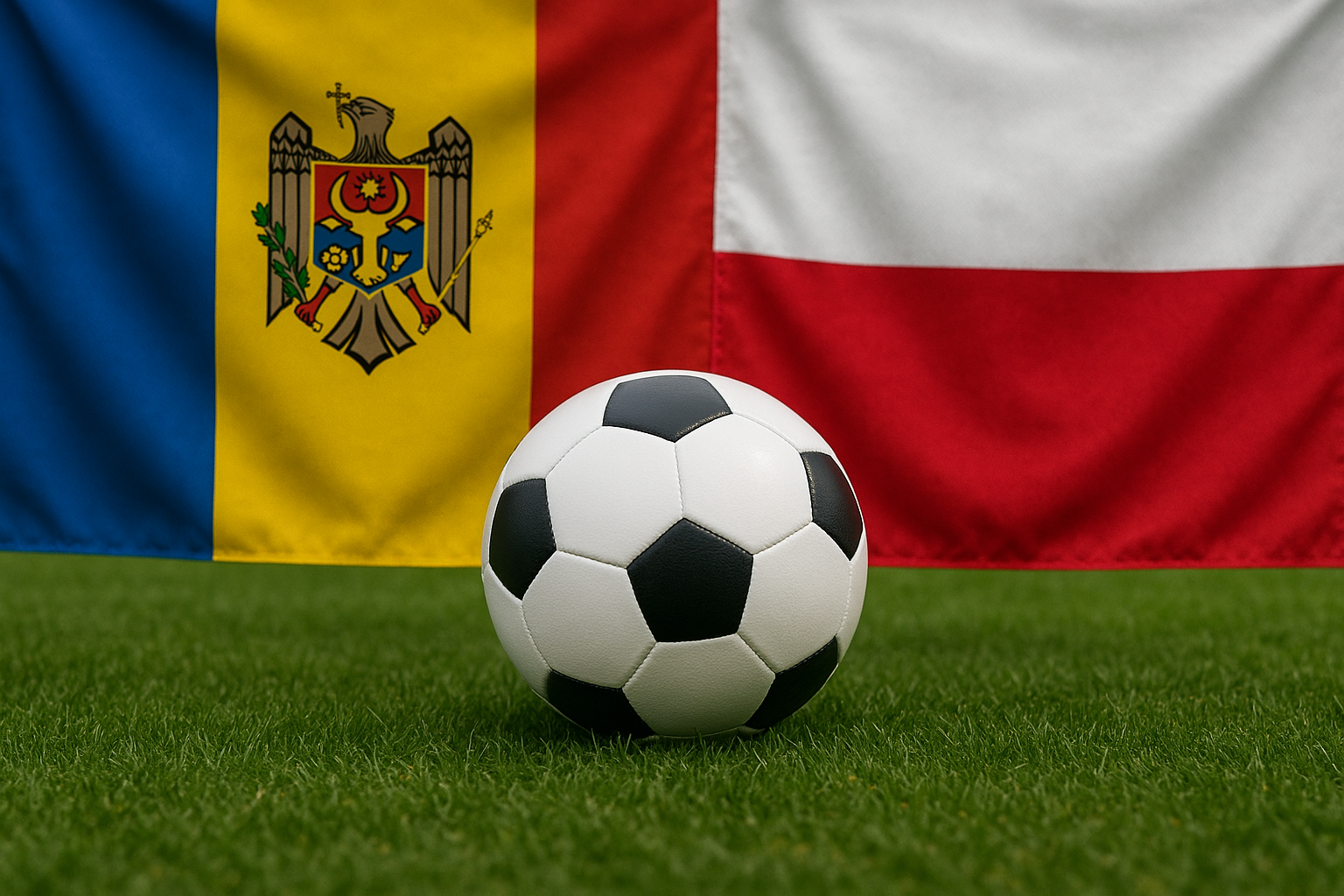
South Africa vs. Czech Republic: a collision of football cultures fighting for survival in the 2026 World Cup. Loser goes home.
This Thursday, South Africa and the Czech Republic clash in Atlanta, both desperate for a win after losing their first matches. This game is crucial for their tournament hopes and national pride. With key players out and a challenging environment, every move, from set pieces to substitutions, will impact whether they stay in the competition or head home early. It's more than just a game; it's a fight for survival and a chance to rewrite their football stories.
What is the significance of the South Africa vs. Czech Republic match in Atlanta?
This match is crucial for both South Africa and the Czech Republic as they seek redemption after opening-match losses. A win is essential to keep their hopes alive in the tournament, while a draw offers only a slim chance. The outcome will significantly impact their progression and future prospects, with implications extending to football development and national pride.
Get Cape Town news in your inbox
Stay updated with the latest stories from the Mother City.
The Setting: A Quarter-Century of Questions Meet in Georgia
When the lights come on at Mercedes-Benz Stadium this Thursday, it won't just be eleven players in yellow-green clashing with eleven in red and white. For South Africa and the Czech Republic, this is the latest chapter in a 25-year quest to solve the same puzzle: how do scattered flashes of brilliance become something that lasts beyond a single tournament cycle? The equation is brutally clear – whoever walks off the pitch without three points will board a flight home needing the kind of miracle that sports documentaries are made of.
The clock strikes 19:30 Eastern when the ball rolls under a closed retractable roof, sealing in the thick Georgian air like a pressure cooker. Both squads already carry the sting of opening-match losses: Bafana Bafana were blanked 2-0 by Mexico in Arlington, while the Czechs coughed up a late lead and let South Korea steal two goals in the last seventeen minutes in New York. Mathematically, a draw keeps hopes on life support. Psychologically, only a win will feel like breathing again.
Atlanta's downtown colossus has been stripped of its usual gridiron stripes and re-dressed for the beautiful game. The hybrid turf – trucked overnight from a sod farm in the North Carolina hills – already bears the scars of three earlier matches. Wing-backs from both camps spent Tuesday pointing at scuffed corner quadrants, whispering about how a wobbling cross could decide everything. With the roof clamped shut, every roar will ricochet, and the humidity index will climb faster than the scoreboard.
How They Line Up: Contrasting Blueprints Under the Microscope
Hugo Broos came to American soil promising a “South American heartbeat,” yet against Mexico his plan looked more like two playlists on shuffle. Off the ball, South Africa snaps into a 4-4-2 press; on it, the same players melt into a 3-1-4-2 that asks centre-back Siyabonga Ngezana to impersonate a regista. The Mexico match exposed the seam between those ideas – Jayden Adams and Sphephelo Sithole once stood 28 metres apart, a canyon that Hirving Lozano happily sprinted through for the opener. Broos is now toying with a twin-pivot revival, pairing Thalente Mbatha as the lone anchor while Adams shuttles end-to-end like a subway line.
Full-back selection could still swing the shape. The squad lacks a second natural wing-back, so Evidence Makgopa has spent training sessions moonlighting as a striker-wide-mid hybrid; think Roberto Firmino in Tite’s Brazil, only taller and still figuring out GPS coordinates. The back four seems set for now, but Broos has scribbled a five-man line on more than one whiteboard this week.
Across the hallway, Miroslav Koubek has stuck to a 3-4-2-1 like a favourite vinyl. The idea is simple: isolate Patrik Schick on the weak-side centre-back and flood the half-spaces. Tomas Soucek isn’t merely a shield; he’s the conductor. When the West Ham man steps past the halfway stripe, the wing-backs rocket forward and the shape balloons into a 3-2-5. It worked for 70 minutes against South Korea until the Asians dragged Soucek wide with third-man runs and shredded the flanks, resulting in two late cut-back finishes.
Duels and Details: The Small Print That Writes Big Stories
Lyle Foster’s runs trace diagonal arcs, hunting the slot between left centre-back and wing-back. Robin Hranac boasts sprinter speed but at 6'4" pivots like a ferryboat; if Foster pulls him into the midfield sea early, the gap he leaves becomes prime real estate for whichever creative ghost – Themba Zwane (suspended) or Elias Mokwana – drifts in behind.
At the other end, Schick’s calling card is the half-turn snap shot from 17 metres. Ngezana prefers to front-foot duel and step in front. The first clean punch landed in that matchup will decide whether South Africa can stay crouched in a low block or must chase shadows for eighty-plus minutes.
Jayden Adams versus Antonin Barak is a clash of lungs and brain. The Czech No. 8 drops between centre-backs to orchestrate against pressing sides; Adams averaged 12.3 kilometres per qualifier hunting such orchestrators. If Adams turns Barak’s rhythm into rushed diagonals, South Africa’s counter lanes open right through the spine.
Set pieces lurk like plot twists. Vladimir Coufal and David Krejci swing from opposite flanks – Krejci with curling back-post invitations for Schick’s forehead, Coufal with low near-post bullets. South Africa leaked more headed chances than any CONMEBOL entrant last autumn, so Ronwen Williams will sprint off his line to punch first and ask questions later. Tomas Soucek, meanwhile, times late second-wave arrivals better than any midfielder in the field; track him or pay.
Suspensions, Sweat, and the Echoes of 1997
South Africa will line up without Sphephelo Sithole and Themba Zwane, both seeing red in different zip codes last weekend. Tapelo Xoki looks set to start at right-back, nudging Khuliso Mudau to the cooler. Koubek’s dressing room is cleaner on the surface, yet Coufal and Zeleny each carry a yellow-card sword. Expect a cautious first twenty minutes while those full-backs weigh every tackle like a Vegas gambler counting chips.
Atlanta weather is a different beast compared to the Highveld’s dry chill. Forecast reads 31 °C with 65 % humidity at kickoff. Czech staff revealed a popsicle-blue electrolyte slush served at the interval, accompanied by ice towels waved like surrender flags. South Africans insist they were born in this soup, but GPS data showed their sprint volume dropped 18 % in the final quarter-hour versus Mexico. Whoever keeps the press humming past minute 80 will find extra lungfuls the other simply doesn’t have.
History whispers through this fixture. Their lone competitive meeting – the 1997 Confederations Cup curtain-raiser – ended 2-2; Shaun Bartlett chipped Antonin Kinsky from downtown, and Pavel Nedved thundered an equalizer for the ages. Nedved now runs the Czech FA and has bunked with the squad all week, asking them to “finish what ’96 and ’04 started.” South Africa’s analogue legend, Benni McCarthy, has Zoomed into the Bafana hotel to tutor Lyle Foster on how to tease centre-backs who lean too heavily on midfield cover.
Projected XIs and the Narrative Arc That Awaits
-
South Africa (4-2-3-1):* Ronwen Williams; Tapelo Xoki, Nkosinathi Sibisi, Siyabonga Ngezana, Innocent Maela; Thalente Mbatha, Jayden Adams; Elias Mokwana, Teboho Mokoena, Percy Tau; Lyle Foster.
-
Czech Republic (3-4-2-1):* Vitezslav Stanek; David Holes, Robin Hranac, David Krejci; Vladimir Coufal, Tomas Soucek, Lukas Cerv, Jiri Zeleny; Antonin Barak, Jan Kuchta; Patrik Schick.
Expect a chess-like opening quarter, each side poking for the trigger that sparks the press rather than diving in head-first. Somewhere near the 24-minute mark, Foster will drift wide, dragging Hranac with him; the first cross will sail beyond everyone but still whisper of intent. Just past the half-hour, a soft foul 35 yards out on the right will gift Krejci a free-kick canvas; Schick’s header will force Williams into a fingertip salute that lands halfway up the stand.
Hydration break at the whistle brings chalkboard tweaks: Adams drops five metres deeper to screen Barak’s heartbeat. Between the hour and the 70th, tension tightens. If the Czechs haven’t scored, Coufal and Zeleny – mindful of yellow peril – may hesitate to overlap, turning urgency into doubt. The final act will belong to whichever super-sub – Adam Hlozek for the Czechs or Oswin Appollis for South Africa – wins the one-v-one that carves daylight on the scoreboard.
Beyond three points, the resonance spreads. A South African victory would be their first in World Cup competition since 2010 and would reignite furious debate back home about youth pathways – Broos has already vowed to walk if PSL clubs block future call-ups. A Czech win would steady a federation still reeling from 2023 corruption scandals that chased executives out the door. Thursday night in Atlanta, then, is either a launch ramp or a final breath, and every stride, punch, and pivot will ripple through boardrooms, academies, and living rooms on two continents long after the lights dim.
What is the significance of the South Africa vs. Czech Republic match in Atlanta?
This match is crucial for both South Africa and the Czech Republic as they are both seeking redemption after losing their first matches. A win is essential to keep their tournament hopes alive, while a draw offers only a slim chance of progression. The outcome will significantly impact their future prospects in the competition and their national pride.
Where and when will the match take place?
The match will be held at Mercedes-Benz Stadium in Atlanta, Georgia. The ball is scheduled to roll at 19:30 Eastern time this Thursday. The stadium will have its retractable roof closed, creating a pressure-cooker atmosphere.
What were the results of their opening matches?
South Africa, also known as Bafana Bafana, lost 2-0 to Mexico in Arlington. The Czech Republic coughed up a late lead and allowed South Korea to score two goals in the last seventeen minutes, resulting in a loss.
What are the key tactical approaches for each team?
South Africa, under Hugo Broos, has shown a flexible approach, pressing in a 4-4-2 off the ball and transitioning into a 3-1-4-2 in possession. They are considering a twin-pivot revival with Thalente Mbatha as an anchor. The Czech Republic, led by Miroslav Koubek, typically employs a 3-4-2-1 formation, aiming to isolate Patrik Schick and flood the half-spaces, with Tomas Soucek playing a pivotal role in orchestration.
Are there any notable player absences or concerns for the match?
South Africa will be without Sphephelo Sithole and Themba Zwane due to suspensions from red cards in their previous match. Tapelo Xoki is expected to start at right-back. For the Czech Republic, Vladimir Coufal and Jiri Zeleny are carrying yellow cards, which might lead to cautious play in the early stages.
What is the historical context of this fixture?
The only previous competitive meeting between these two nations was at the 1997 Confederations Cup, which ended in a 2-2 draw. Legends from that match, such as Pavel Nedved (now running the Czech FA) and Benni McCarthy (Zooming with the Bafana team), have been involved with their respective squads, highlighting the historical weight of this encounter.

Liam Fortuin is a Cape Town journalist whose reporting on the city’s evolving food culture—from township kitchens to wine-land farms—captures the flavours and stories of South Africa’s many kitchens. Raised in Bo-Kaap, he still starts Saturday mornings hunting koesisters at family stalls on Wale Street, a ritual that feeds both his palate and his notebook.
View all articles →