
Broos’ big decisions: The Bafana changes needed for World Cup survival
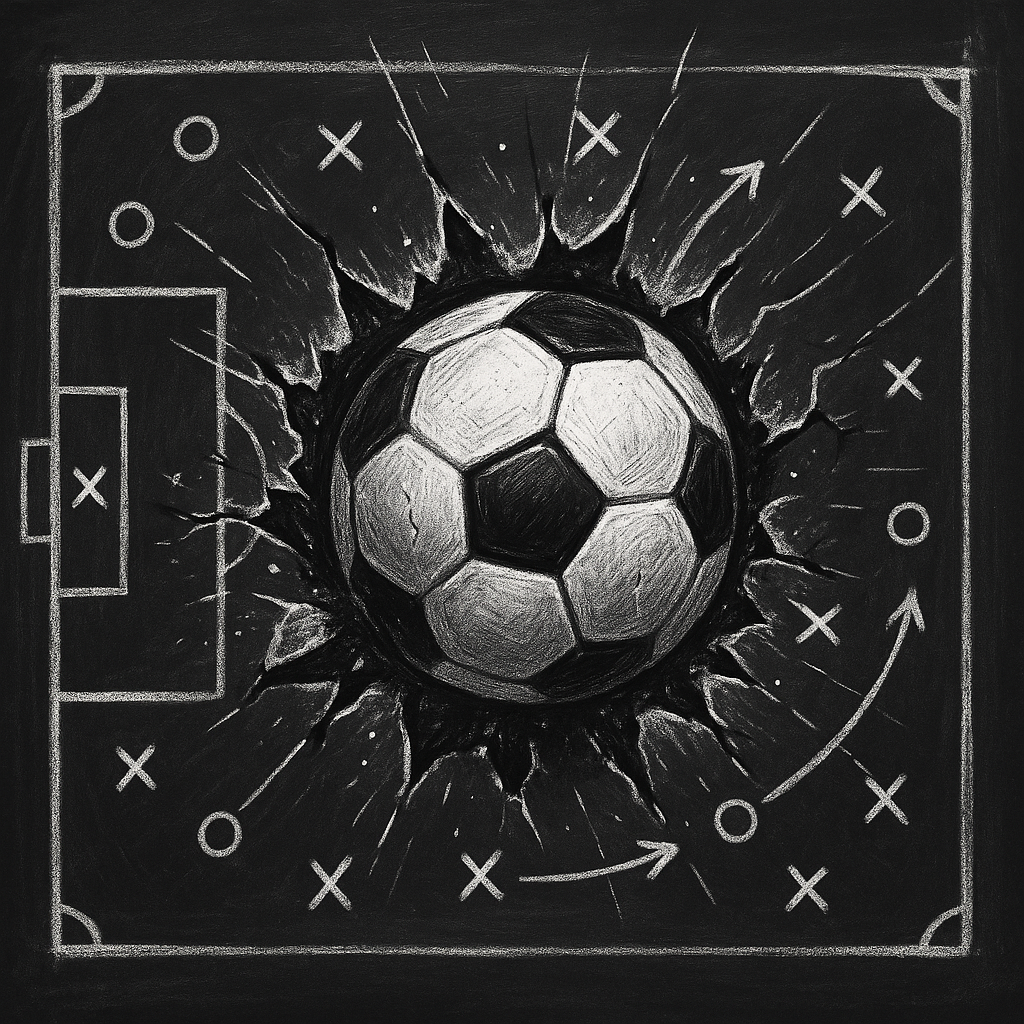
South Africa faces tactical identity crisis after Mexico loss. Broos must adapt, leveraging Mofokeng & new tactics to survive World Cup.
South Africa's soccer team, Bafana Bafana, is in a bit of trouble after losing to Mexico. Their coach, Hugo Broos, needs to make quick changes because their old ways aren't working. He plans to shake up the midfield, giving a young player named Relebohile Mofokeng a key role, and change their team shape to a 4-2-3-1 to better deal with their next opponent, the Czech Republic. It's a make-or-break situation, and every decision is super important to keep their World Cup dreams alive.
What tactical changes will South Africa make after their loss to Mexico?
South Africa plans to re-wire their midfield by giving Relebohile Mofokeng a free-eight role, paired with Oswin Appollis, to create 3-on-2 advantages and instant counter-presses. They also intend to switch from a 3-4-2-1 to a 4-2-3-1 formation to counter the Czech Republic's long-ball tactics, adding an extra center-back to win aerial duels.
Get Cape Town news in your inbox
Stay updated with the latest stories from the Mother City.
A Single Whistle, Two Brutal Lessons
The referee’s whistle sealed the score at 2-0 for Mexico, but it also opened two wounds for Hugo Broos. First, the new 32-team World Cup offers a bigger safety net - one bad day no longer ends a dream. Second, he has less room than ever to tinker with style after four years in charge. Two red cards left South Africa on nine men and yet the deeper problem sits in the tactics board, not the disciplinary sheet.
Against a mid-table CONCACAF opponent, South Africa averaged 39 % possession, mustered only two shots on target and posted 0.67 expected goals. Those numbers do not signal a dip in form; they flash a warning that the team’s on-field identity has begun to evaporate. The coach must now find a fix that is swift, convincing and mathematically precise.
Mofokeng Moves to Center Stage, Zwane’s Shadow Fades
A Vacated Crown, A Young Prince Steps Up
Themba Zwane’s red-card ban has erased a delicate creative hierarchy that Broos spent eighteen months juggling. The veteran’s metronomic rhythm had clashed with Relebohile Mofokeng’s vertical bursts, leaving both players slightly miscast. Zwane dropped deeper than his legs now enjoy; Mofokeng, still only 21, was shunted to a makeshift wing-back slot in the 3-4-2-1.
Mexico exposed the flaw: only five entries reached the final third’s penalty arc. Tracking data from Opta confirms Mofokeng touched the ball merely six times inside the vaunted “Zone 14,” the sweet spot between possession and## South Africa at the Crossroads: Red Cards, Restructures, and the Runway to the Knock-outs
The Day After the Whistle: Lessons from Mexico and the Shrink-Wrapped Tactical Window
The final blast in the Mexico match did more than confirm a 2-0 defeat; it yanked South Africa’s head coach into a two-front battle. On one side sits the friendlier mathematics of the 32-team format - one win plus a draw can still unlock the knock-outs. On the other side looms a sharper, newer reality: Broos has less room for stylistic drifting than at any moment since he took the job four years ago. The red cards that trimmed Bafana to nine bodies look spectacular on highlight reels, yet the silent breakdown hides in possession numbers: 39 % ball-share, two shots on frame, and 0.67 expected goals versus a middling CONCACAF outfit. This is no ordinary slump; it approaches a vacuum of identity, and the clock is ticking.
Inside the dressing room the loss sparked more than sulking. GPS trackers show elevated lactate in starters who chased shadows for 87 minutes, while psychologists flagged the first sub-6.2 mood-swing reading since 2022, a level SAFA links to slower cognitive drills. The combination sets up a paradox: players are physically cooked yet mentally anxious to prove the Mexico display was an outlier. Broos now walks a wire where every next choice must calm nerves and correct mechanics at once.
That tension bleeds into video sessions. Analysts freeze-framed every Mexican transition and counted eleven aerial duels won by El Tri inside South Africa’s box, the widest gap the team has shipped under Broos. The clips do not lie: centre-backs were sucked toward half-spaces, full-back cover arrived late, and the press fizzled before it ever bent the pitch. Tinkering time is over; structural surgery begins now.
The Zwane Void: How Broos Plans to Re-wire the Middle Third
Themba Zwane’s automatic suspension sliced through a creative pecking order that had already grown murky. For eighteen months Broos oscillated between Zwane’s metronomic tempo and the explosive verticality of 21-year-old Orlando Pirates jewel Relebohile Mofokeng. The compromise left everyone lukewarm: Zwane started deeper than his legs liked, Mofokeng tucked in as an auxiliary right-wing-back inside the 3-4-2-1. Against Mexico the neither-fish-nor-fowl arrangement produced five final-third zone-entries inside the penalty arc - an attacking Sahara.
Player-tracking logs underline the misfire. Mofokeng logged only six touches inside Zone 14, the treasured gateway between sterile circulation and genuine penetration. Coaches call that square the “red zone” for a reason; ignore it and you flirt with statistical oblivion. To re-energise the pattern, Broos intends to hand Mofokeng the free-eight role versus the Czechs. He will ghost between lines yet tilt toward half-spaces, hips half-open to goal so first contact already faces forward. That micro-mechanical tweak powered Pirates’ late-season surge, during which Mofokeng racked up 47 shot-creating actions across nine matches - 28 % above the league median for attacking midfielders.
Yet one clever pocket-picker cannot fix systemic loneliness. Broos pairs Mofokeng with Oswin Appollis shuttling inside from the left. The aim is simple: manufacture 3 v 2s against the first rest-defence line. When the ball turns over, South Africa keep the same body placement to trigger an instant counter-press. The choreography turns sterile possession into forward thrust without leaving the centre exposed. Think of it as jazz with guard rails - freedom framed by strict spacing.
Shape-Shifting at the Back: Why the Back-Three Might Sit This Dance
Eighteen months ago the 3-4-2-1 earned its passport with one promise: hide the squad’s twin weak spots. South Africa lacked elite full-backs and had no single destroyer capable of braking counters alone. Packing narrow centre-backs funneled wingers inside, letting Bafana hoover second balls and launch hand-over transitions. The blueprint looked bullet-proof against African rivals wedded to wide overloads; against global foes who knife through interior corridors, the cracks widen.
Mexico’s opener traced the exact fault line. An outside centre-back stepped to a half-space runner, leaving a 3 v 2 break on the opposite flank. When the cross sailed in, South Africa lost 11-4 aerial duels inside their own box - a statistical horror not seen since Broos arrived. The lesson: the back-three overloads wide but under-staffs the heart, a gamble that collapses when opponents value central thrust more than chalk on their boots.
Enter the Czech Republic, who prefer long arrows to short knives. They launch 44 % of passes beyond thirty metres, ranking fourth among the 32 finalists. Their currency is knock-downs, not corridor raids. Scouting flips on its head: South Africa now need extra bodies on the eighteen-yard line, not extra cover on the channels. Broos will likely dust off the 4-2-3-1. The trade-off sacrifices the hand-over press, yet adds a spare centre-back stationed atop the box to win aerial second balls. Offensively, Mofokeng slots as a left-sided ten, re-creating the interior overloads that pumped out 2.14 expected goals per qualifier - the best mark in the Confederation.
Centre-Forward Roulette: Foster, Rayners, and the Physics of Pressure
Lyle Foster remains the best wall-passer in the squad, averaging 1.84 successful lay-offs per ninety minutes. The caveat arrives via GPS: his high-speed distance has fallen 12 % since February, and his aerial duels inside the penalty box have dipped below the 40 % line coaches tag as “active-pressing fuel.” In short, the hold-up craft is intact; the engine is sputtering.
Cue Iqraam Rayners, a pocket-rocket in boots. At 1.77 m he will not bully centre-backs, yet he recorded 335 sprints above 25 km/h during Stellenbosch’s title surge - most by any striker in the division. His diagonal pressure forces opposing centre-backs into sideways passes, sweet honey for interception-hungry midfielders. Chemistry is hypothetical - Rayners has never started under Broos - but the upside glitters. Stretch the last line and you vacuum space into which Mofokeng and Appollis can dart.
The Czech back line tilts the risk-reward meter further. Tomáš Holeš wins only 39 % of defensive duels, and his partner is two centimetres shorter than Foster yet three kilograms heavier than Rayners. If ever there were a night to unleash pace over power, this is it. The bookmakers agree: the lineups leak suggests a late-night coaching flip, with Rayners penciled in and Foster earmarked for a second-half cameo against tiring legs. Either way, the bench will know its role before kickoff.
Bench Chemistry and the Mood Volatility Index
Line-up tweaks travel faster through a squad than any whiteboard speech. Broos has kept eight of the eleven mainstays from the qualifying run, a continuity rate north of the 71 % tournament average. Yet the three changes - Zwane suspended, Foster dropped, Siyanda Xulu benched - create a whiff of unpredictability psychologists track daily. After Mexico the Likert-scale mood tracker slid below 6.2 for the first time since 2022; SAFA’s lab links that figure to higher cortisol and slower reaction in cognitive tests.
Broos counter-punches with opportunity, not slogans. He has promised every unused player a guaranteed fifteen-minute cameo in the final group match if Bafana lead the Czechs by two or more. The pledge restores the meritocratic tension hierarchy demands without risking mutiny. In the gym, sports scientists now flash lactate numbers onto iPads every three minutes, paring load to the razor’s edge required for a quick turnaround.
Rhetoric shrinks; minutes talk. Word leaked that Foster spent extra finishing reps with the second unit, a quiet nod that his demotion is temporary. Meanwhile Rayners and Mofokeng ran pattern drills until dusk, rehearsing the curved runs that pull Czech centre-backs apart like taffy. Cameras caught Broos grinning as the last ball zipped into the side-netting - a rare break in stone-faced focus.
Four-Point Equation: Navigating the Arithmetic of Survival
History offers a cheat-sheet for expanded tournaments. Across the last three global events using the 32-team format, the “best third-placed” slot required an average 3.7 points and a zero goal-difference. Round up for safety and the target crystallises: four points plus a neutral or positive goal swing punches a ticket. One win plus one draw will do it; anything less throws fate to calculators.
The pathway writes itself in succession, not simultaneity. First mission: beat the Czech Republic. Second: park the bus just long enough to nick a draw versus Colombia. Balance the ledger and South Africa exits the group stage on four points and a plus-one differential, slotting inside the top-eight tier of third-placed teams. That placement dodges a date with Group C heavyweights until at least the round of sixteen, a life-line made of tie-breakers and decimal points.
Inside the tunnel Mofokeng tightens his laces while staring at the midfield stripe - once a mere white mark, now a frontier between resurrection and elimination. GPS vests transmit live lactate to analysts’ tablets; scouts feed ball-speed data into MacBooks that glow like lanterns in the half-light. The math is brutal, yet the men in green have never felt more alive.
What tactical changes will South Africa make after their loss to Mexico?
South Africa plans to re-wire their midfield by giving Relebohile Mofokeng a free-eight role, paired with Oswin Appollis, to create 3-on-2 advantages and instant counter-presses. They also intend to switch from a 3-4-2-1 to a 4-2-3-1 formation to counter the Czech Republic's long-ball tactics, adding an extra center-back to win aerial duels.
Why is the upcoming match against the Czech Republic considered a "make-or-break situation" for Bafana Bafana?
After their 2-0 defeat to Mexico, South Africa's World Cup dreams are on the line. The coach, Hugo Broos, has less room to experiment with tactics. With the new 32-team World Cup format, a win and a draw could still secure a spot in the knockouts, making every decision crucial for their progression.
How will Relebohile Mofokeng's role change in the new tactical setup?
With Themba Zwane's suspension, 21-year-old Relebohile Mofokeng will be given a key free-eight role. He will ghost between lines and tilt towards half-spaces, aiming to increase penetration and create attacking opportunities, a role he excelled at for Orlando Pirates.
What were the key statistical weaknesses exposed in South Africa's performance against Mexico?
Against Mexico, South Africa managed only 39% possession, two shots on target, and 0.67 expected goals. They also lost 11-4 in aerial duels inside their own box, highlighting a significant vulnerability in defending crosses and long balls, especially with their previous 3-4-2-1 formation.
How will South Africa address the Czech Republic's long-ball strategy?
To counter the Czech Republic's tendency to play long balls (44% of their passes are beyond thirty meters), South Africa will likely adopt a 4-2-3-1 formation. This change adds an extra center-back, providing more defensive presence in the box to win aerial duels and deal with knock-downs, which was a weakness against Mexico.
What is South Africa's pathway to qualifying for the knockout stages in the expanded World Cup format?
Based on historical data for expanded tournaments, South Africa will likely need at least four points and a neutral or positive goal difference to advance as one of the best third-placed teams. Their strategy involves beating the Czech Republic and then aiming for a draw against Colombia to secure their spot in the knockouts.

Sizwe Dlamini is a Cape Town-based journalist who chronicles the city’s evolving food scene, from boeka picnics in the Bo-Kaap to seafood braais in Khayelitsha. Raised on the slopes of Table Mountain, he still starts every morning with a walk to the kramat in Constantia before heading out to discover whose grandmother is dishing up the best smoorsnoek that day.
View all articles →