
Cape Town food safety success: Foodborne illness cases hit three-year low
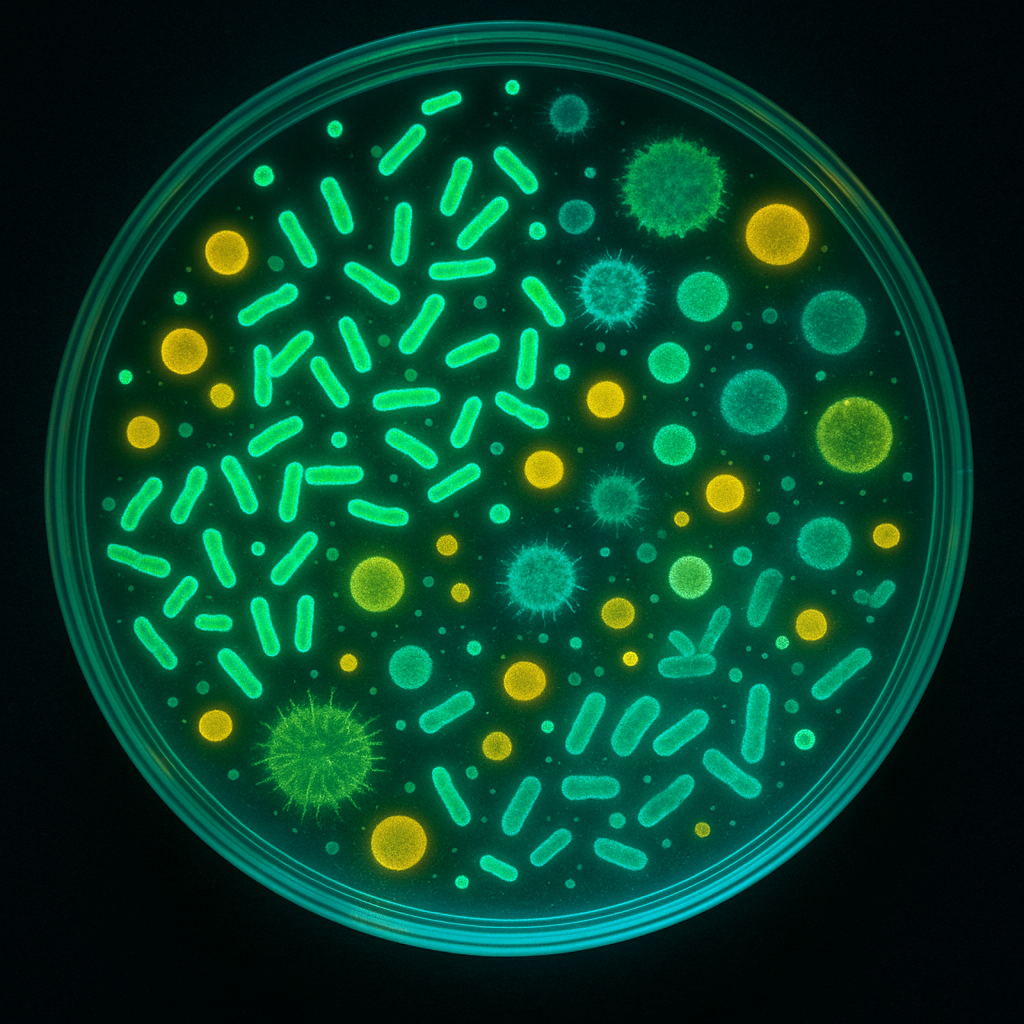
Cape Town's data-driven revolution cut foodborne illnesses to a 3-year low. Discover how tech and community keep food safe.
Cape Town waged a silent war on food-borne dangers, using smart tech and community power. They tested food, checked kitchens, and taught people with fun 'Edu-Vans'. Hospital alerts and citizen tips helped them catch problems fast. This amazing team effort brought food sickness reports to a three-year low, making the city's food much safer for everyone.
How did Cape Town significantly reduce foodborne illnesses?
Cape Town dramatically reduced foodborne illnesses through a multi-faceted approach. This included rigorous lab testing, risk-based inspections, public education via 'Edu-Vans', and real-time surveillance linking hospitals and environmental health. The city also engaged citizens for crowd-sourced complaints and gamified food delivery safety, leading to a three-year low in verified illness reports.
Get Cape Town news in your inbox
Stay updated with the latest stories from the Mother City.
05:45 Chill, Coffee, and Colony Counts
A faint mist still clings to the harbour when the Civic Centre basement hums alive. Inside, a lone lab tech in soft lilac examines a petri dish under crisp white LEDs, ticking off pale circular colonies of Escherichia coli. She repeats the ritual hundreds of times each month. These dawn counts are the quiet heartbeat of a programme that has driven food-borne illness reports to a three-year low - only thirteen verified episodes from July 2025 to May 2026.
Behind the sterile silence lies a city-wide architecture that inspects, tags, maps, models, and communicates hazards almost as fast as they emerge. For the first time, officials have thrown open the logbooks; residents can now follow every complaint from WhatsApp tip-off to the moment a condemned batch hits the incinerator. Academics call the approach “Open-Source Safety” - part public-health protocol, part civic hackathon.
Raw numbers seldom grip the public, yet a city of 4.7 million posting barely a dozen cases is an anomaly worth dissecting. The sections below show how Cape Town stitched a 360-degree shield around its kitchens, markets, and lunchboxes - and how that shield plans to harden in the year ahead.
Four Pillars, One Acronym: LIMS in Action
Lab Intelligence That Never Sleeps
The Food Microbiological Laboratory cracked open 18 737 individual tests across 4 982 food samples this cycle. A robotic streaker plates 200 dishes each hour while an AI microscope flags suspect colonies earlier than the sharpest human eye. The result: a faster loop from suspicion to shutdown, sparing diners days of incubation time.
Inspectors Armed With Cloud-Code
A risk-ranking engine scores 7 467 registered premises nightly. Past contraventions, online complaints, and even hourly temperature forecasts feed the algorithm. High-risk outlets receive four surprise audits per year; low-risk spots get one scheduled and one targeted drop-in. Inspectors no longer flip coins; they chase red dots on a heat map.
Edu-Vans That Bring the Lab to Your Street
Eight bright vans, each carrying a pop-up demo kitchen, have rolled through 312 schools and 48 informal settlements since April 2025. Children smear glow-gel on their palms, wash, then scan the lights under UV torches. The hand-print images stick longer in memory than any textbook micrograph ever could.
Real-Time Surveillance Stitching Hospitals to Streets
HealthWatch knits together laboratory alerts and ER admissions from 11 public hospitals. Two or more patients landing within 90 kilometres with matching gut symptoms flips a yellow alert to the nearest Environmental Health Practitioner in under ninety minutes. By the time a restaurant’s lunch rush peaks, the team may already be swabbing cutting boards.
Rice, Chicken, Sushi: The Dirty-Five Hall of Shame
The High-Frequency Offenders
Despite an 88.2 % pass rate, 580 items flunked safety tests this cycle. Five categories shoulder 62 % of the blame:
- Fluffy rice left to lounge at room temperature - Bacillus cereus loves the warmth.
- Chicken salads cross-smeared by raw meat knives and half-chilled fridges.
- Shaved ham and vacuum-packed polony sliced on poorly cleaned machines.
- Sushi rice cuddling thawed tuna that harbours Vibrio; cucumbers add a side-dish of norovirus.
- Garage sandwiches sweating under heat lamps while mayo turns into a bacterial jacuzzi.
Scan-and-Share Posters
Each high-risk dish now owns a poster plastered with a QR code. A quick scan launches a 60-second animation showing exactly what happens when a rice pot cools for three hours or sushi languishes above eight degrees. Distributors must display the code near the till; diners reward good actors with their thumbs and wallets.
From Past Outbreaks to Present Lessons
Two recent clusters shaped today’s playbook. In November 2024, fifteen Khayelitsha pupils shared “smiley” (boiled sheep’s head) from an unlicensed home kitchen; Salmonella Typhimurium landed them in hospital. February saw cling-peaches re-iced in unrefrigerated trucks seed a rare O26 E. coli strain. Rapid traceback retrieved 94 % of the fruit within a day; only nineteen people needed treatment and no-one died. Those scars etched zero-tolerance into the new operating system.
Residents, Radios, and Riders: Safety as a Team Sport
Citizens Crowd-Sourcing the Front Line
The City’s app fielded 2 138 food complaints since January, a 140 % leap versus 2023. Almost one-third arrived with geotagged photos, letting investigators triage urgency before stepping outside. A voice-note-to-text module now translates isiXhosa, Afrikaans, and English on the fly, shaving response times by 40 %.
Food-Delivery Gamification
An Uber Eats pilot pays drivers micro-rewards when they snap pictures of bags whose internal thermometer slips above eight Celsius. Six weeks in, participant restaurants jumped from 71 % to 93 % compliance. Drivers top up fuel cards; diners get safer fried rice - everyone wins.
Storytelling Over Sterile Flyers
Indigenous-language radio dramas turn the five pathogen carriers into mischievous folktale spirits. “uSuzi noTamsanqa,” the selfish fish who sneaks into lukewarm sushi, airs every Saturday at 08:45 on 14 community stations. Nielsen pegs weekly listenership at 187 000 households - far more reach than any door-to-door leaflet campaign ever delivered.
Cold Chains, Solar Panels, and Street-Smart Science
Refrigeration When the Grid Goes Dark
Across 289 spaza shops and more than a thousand mobile carts, power cuts still threaten food safety. Enter “CoolKit,” a solar-powered icebox lined with phase-change panels that keep contents between two and five degrees for three solid days. Ten prototypes passed field tests; commercial rollout sits at R1 200 - half the price of a bar fridge and a tenth the weight.
Gender-Informed Night Shifts
A 2025 survey revealed that 68 % of informal food vendors are women juggling childcare and 14-hour shifts. Traditional dawn inspections failed them. The City now fields twenty “night-shift” EHPs - 60 % women - who inspect from 18:00 to 22:00. Night seizures of suspect food rose 31 %, yet coaching nudged vendor pass rates to 92 % on follow-up visits.
Phages, Biosensors, and Blockchain Menus
Further upstream, labs toy with bacteriophage mists that wipe out Listeria on conveyor belts without chemicals. Students at CPUT are prototyping shrimp-pack biosensors that blush when the pH drops below 6.2, signalling spoilage. Meanwhile, the 2026–2027 business plan promises blockchain certificates so diners can scan menus for live safety credentials instead of glossy wall stickers.
Cape Town’s war on food-borne disease has left the lab bench and taken to the streets, taxis, township kitchens, and TikTok feeds. The next 365 days will hinge on Champions, phages, and fungal maggots - proof that safety isn’t a finish line but a moving horizon, forever pushed outward by data, diligence, and a dash of local soul.
[{"question": "
How did Cape Town significantly reduce foodborne illnesses?
", "answer": "Cape Town dramatically reduced foodborne illnesses through a multi-faceted approach. This included rigorous lab testing using advanced robotics and AI microscopy, risk-based inspections driven by a sophisticated algorithm, public education via 'Edu-Vans' that bring interactive demonstrations to communities, and real-time surveillance linking hospital alerts with environmental health teams. The city also engaged citizens for crowd-sourced complaints through its app and gamified food delivery safety, leading to a three-year low in verified illness reports."}, {"question": "What are the 'Four Pillars' of Cape Town's food safety strategy?
", "answer": "Cape Town's food safety strategy is built on four key pillars: Lab Intelligence That Never Sleeps, which involves extensive food testing with AI-powered analysis; Inspectors Armed With Cloud-Code, utilizing a risk-ranking engine to target inspections; Edu-Vans That Bring the Lab to Your Street, which are mobile units for public education; and Real-Time Surveillance Stitching Hospitals to Streets, an early warning system connecting hospital admissions with environmental health practitioners."}, {"question": "What are the most common food items that fail safety tests in Cape Town?
", "answer": "Despite an 88.2% pass rate, some food items frequently fail safety tests. These 'Dirty-Five' include fluffy rice left at room temperature (prone to Bacillus cereus), chicken salads cross-contaminated or improperly chilled, shaved ham and vacuum-packed polony sliced on unclean machines, sushi rice paired with thawed tuna (harboring Vibrio) and cucumbers (norovirus risk), and garage sandwiches kept under heat lamps where mayonnaise can become a bacterial breeding ground."}, {"question": "How does Cape Town involve its citizens in food safety efforts?
", "answer": "Cape Town actively involves its citizens in food safety through various initiatives. The City's app allows residents to submit geotagged food complaints, with a voice-note-to-text module improving response times. They also gamify food delivery safety by offering micro-rewards to drivers who submit temperature checks. Additionally, indigenous-language radio dramas turn food safety lessons into engaging folktales, reaching a wide audience."}, {"question": "What innovative solutions are being implemented to address challenges like power outages for food vendors?
", "answer": "To combat challenges like power outages, particularly for informal food vendors, Cape Town is implementing 'CoolKit' - solar-powered iceboxes with phase-change panels that can maintain temperatures between two and five degrees Celsius for up to three days. This provides an affordable and sustainable refrigeration solution, crucial for food safety when the main grid is down."}, {"question": "What future technologies is Cape Town exploring for food safety?
", "answer": "Cape Town is looking into advanced future technologies to further enhance food safety. These include bacteriophage mists to eliminate Listeria on conveyor belts, biosensors (like those being prototyped for shrimp packaging) that change color to indicate spoilage, and blockchain certificates for menus, allowing diners to scan for live safety credentials of establishments, moving beyond traditional glossy stickers."}]
A Russian-Spanish journalist and Cape Town native, channels his lifelong passion for South Africa into captivating stories for his local blog. With a diverse background and 50 years of rich experiences, Serjio's unique voice resonates with readers seeking to explore Cape Town's vibrant culture. His love for the city shines through in every piece, making Serjio the go-to source for the latest in South African adventures.
View all articles →