
Cape Town Trash Bash returns with beach cleanups across the city
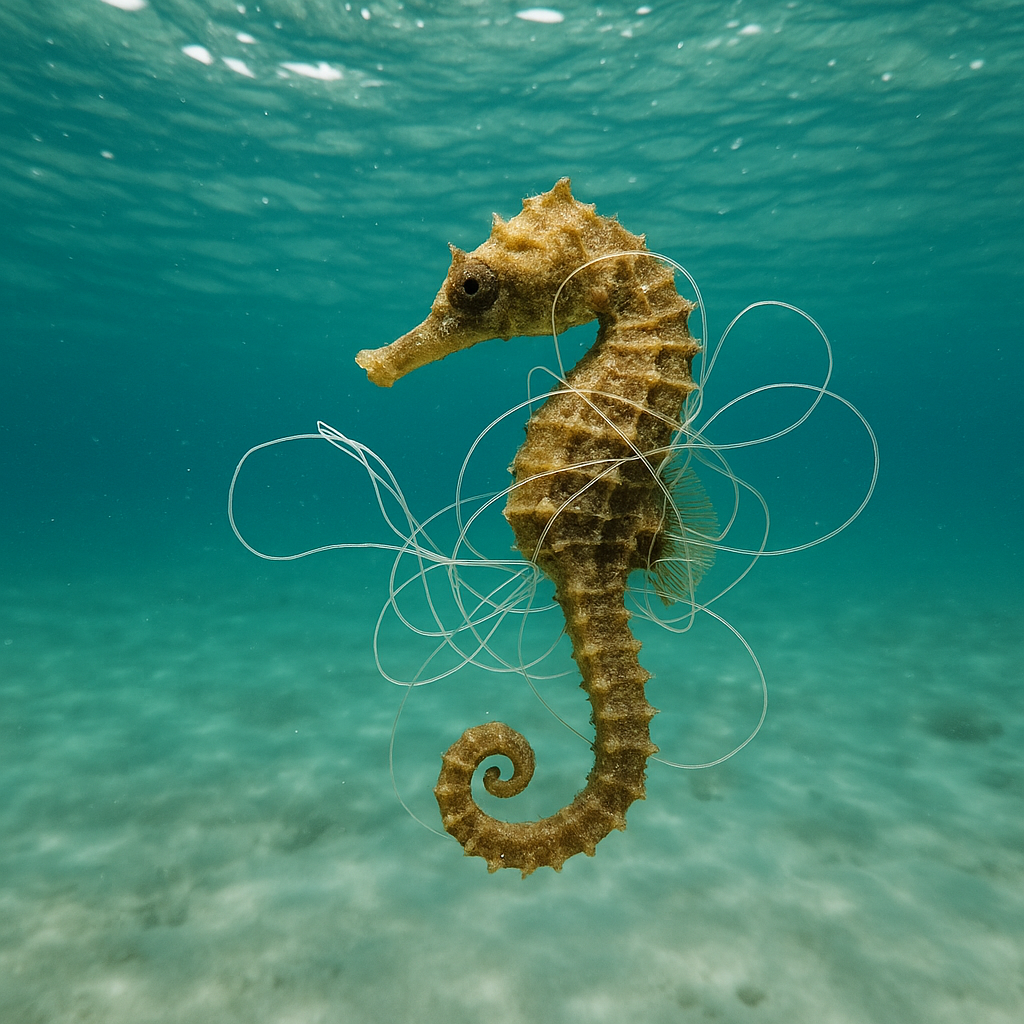
Trash Bash 2026: A guide to protecting Cape Town's shoreline. Join cleanup events, learn about marine science, and take action.
Cape Shore Rescue 2026 is a monthly beach cleanup by the Two Oceans Aquarium. Volunteers clean beaches, learn about pollution, and help scientists. They pick up trash, sort it, and record data to fight plastic pollution. It's a fun way to make our oceans cleaner and safer for sea creatures.
What is the Cape Shore Rescue 2026 program?
The Cape Shore Rescue 2026 program is a monthly beach cleanup initiative organized by the Two Oceans Aquarium. Volunteers collect, sort, and record marine debris, contributing data to scientific studies while learning about environmental conservation. The program focuses on cleaning, educating, and scaling efforts to combat plastic pollution in various Cape Town coastal areas.
Get Cape Town news in your inbox
Stay updated with the latest stories from the Mother City.
Arrival & Flow: From Check-In to Seedling Giveaway
The Two Oceans Aquarium keeps the rhythm brisk, welcoming teams between 8:30 and 9:00. At the registration desk you trade your name for a pair of colour-coded washable gloves, a tally sheet that fits in a zip-lock envelope and a five-minute safety huddle that covers tidal windows, sun-smart basics and the fastest route to the on-site medical volunteers.
Promptly at 9 o’clock the site leader gathers everyone in a loose circle, projecting recent photos of African black oystercatchers tugging at ghost shrimp, the elusive Knysna seahorse clinging to eelgrass and Cape fur pups snoozing on kelp. The leader ends the talk with a kitchen-sieve demo, swirling sand until only pellets smaller than 5 mm remain – the micro-plastic layer that too often slips through the fingers.
By 9:15 colour-coded teams head off to 100-metre ribbons staked north-to-south. They comb the entire width of the public zone, logging every fragment wider than a bottle cap. At 11:30 the circle reconvenes beneath canvas gazebos for the “weigh-and-teach” moment. A marine biologist hoists the haul, snaps a picture of the strangest trophy (last time it was a 1970s roller-skate wheel) and keys counts into an open spreadsheet. Children pin the numbers onto a quick graph - cigarette tips versus sweet wrappers, fishing line clusters after holidays - and by 12:30 the shore is left tidier than the dawn low tide. Each volunteer leaves cradling a milkweed or sea-bean seedling, a living promise that upstream choices ripple downstream.
Where We Work: Four Strips of Sand, Four Distinct Stories
-
Sunset Beach (Atlantic) – the wind trap.* This stretch faces the open sea and collects wave-borne debris from passing freighters plus storm-water flotsam from the CBD. In August 2024 one 30-minute sweep scooped up 4 327 nurdles - tiny plastic pellets that look like fish eggs to seabirds.
-
Sunrise Beach (False Bay) – the gyre shadow.* Buoyant litter rides the clockwise bay swirl and accumulates against the ribs of the SS Clan Stuart wreck. Teams here often find intact soy-sauce fish bottles that rode the swell all the way from container ships rounding Cape Point.
-
Monwabisi – the weekend hotspot.* The dune-restoration project earned Blue Flag status, yet kilometres of informal settlement upstream plus Sunday braai crowds create a conveyor belt of chip packets and cool-drink cups. The rotating site schedule lets volunteers contrast frosty Atlantic kelp with warm Indian Ocean shallows while tracking seasonal load spikes.
Rotating through these four stages lets the campaign compare winter Atlantic storms with summer holiday surges, turning every Saturday into a living experiment on how geography and human behaviour steer the flow of rubbish.
Hidden Load: 42 000 Items Speak
Since 2021 Trash Bash weekends have pulled 42 000 documented pieces off the sand. The leaderboard is blunt:
- 38 % cigarette filters, each made of cellulose acetate that can linger for eight-to-ten years.
- 22 % shattered polystyrene food trays that break into snow-flake shards.
- 12 % intact plastic carry bags that mimic jellyfish in the water column.
- 9 % fishing line and tackle strong enough to garrotte a gannet.
The data sheets also capture “embedded plastics” caught inside kelp holdfasts or woven through sea bamboo. Because these fragments resist quick weighing, the 2026 form adds a fourth column to indicate presence rather than mass, closing a blind spot that has long underestimated true ecological risk.
Circular Solutions You Can Watch, Touch and Buy
Nothing leaves the site until it has been routed through one of three local innovators.
- GreenWave Plastics feeds HDPE caps into a portable extruder that pops out interlocking walkway tiles you can stand on while sorting the next bag.
- OceanLids shreds cleaned PET bottles into 3-D-printer filament - one 500 ml Coke bottle yields exactly 14 metres of thread destined for prosthetic hands.
- The Township Bead Company employs grandmothers from Khayelitsha to twist colourful ghost-net fibres into bracelets; every band funds one square metre of new kelp.
Each volunteer pockets a R15 coupon redeemable at the Aquarium’s gift shop, nudging that first consumer shift from single-use to second-life.
Packing List, Transport & Self-Prep
Two days before each cleanup the Aquarium’s WhatsApp channel drops a “zero-waste packing list.” Bring a 750 ml stainless bottle and fill it at UV-ozone stations on site. Wrap lunch in a single bees-wax sheet instead of five plastic pouches. Flash your wristband for a free MyCiTi return ride, and swap chemical sunscreen for mineral zinc - oxybenzone is banned to protect False Bay’s soft corals.
Tools & Tech You Will Actually Use
First-time visitors receive a 3-D-printed “Nurdle Ranger,” a sieve that screws onto any two-litre bottle, perfect for kids who want to take micro-samples back to class. A laminated crib card shows 21 resin codes; you tick the polymers you spot and the list syncs with UCT’s open-source polymer map. Before teams scatter, a DJI Phantom drone snaps multispectral images to produce a heat-map that steers you straight to the densest plastic patches, shaving 40 % off random search time.
Safe, Inclusive & Multilingual
A shaded first-aid tent hosts certified lifeguards ready for CPR and bluebottle stings. If bending over gravel is hard on your back, join the “back-of-beach” squad that audits bins and parking lots - zones gulls often raid for leftovers. IsiXhosa, Afrikaans and English interpreters rotate among teams, and sign-language guides ensure no one is left guessing.
Schools, Corporates & Long-Term Engagement
Two weeks before each event Aquarium educators hit 60 public schools with a 45-minute “Plastic Journey” lesson. Students view a cutaway storm-drain model that shows how a snack wrapper dropped in Observatory can reach a turtle’s gut in 72 hours. QR-coded homework links to an augmented-reality app that reveals the top escape routes of household packaging.
On the corporate track, R5 000 sponsors a transect and buys a branded audit report plus team-building coaching. The 2025 pilot saw eight firms chase the highest “recyclability ratio.” The winning brokerage topped the league at 78 % diversion using colour-coded tri-bags. The 2026 season will run a quarterly league between the big Saturday events.
Calendar & How to Get There in One Piece
- 20 June – Sunset Beach: cold water, wetsuit booties advised, parking full by 08:15.
- 18 July – Monwabisi: Mandela Month family day with kids’ art zone carved from washed-up flip-flops.
- 19 September – Sunrise Beach: peak whale season, keep 50 m from Southern Right mums and calves.
- 14 November – Sunset Beach sunset edition, solar fairy lights and acoustic folk, waste sorted under LED towers.
The Aquarium runs a complimentary double-decker bus from the Waterfront at 07:30, back by 13:30. Cyclists can lock bikes to new MyCiTi racks, and 12 EV chargers per site are bookable by email.
After the Bash: Three Ways to Stay in the Game
- *Adopt-a-Transect: * pledge 30 minutes once a month, upload mass and GPS with the free Clean Swell app.
- Kelp Gardening: join SeaChange on urchin-barren reefs; Trash Bash veterans skip the waiting list.
- Policy Watch: an opt-in list pings you the moment city council debates single-use bans or installs new storm-drain traps.
Global Ripple: Data Feeds the Indian Ocean Drift Study
All Trash Bash counts feed the Council for Scientific and Industrial Research’s Trans-Indian-Ocean Plastic Flow project. The bold hypothesis: the Agulhas Current ferries Cape Town litter to the Kerguelen Plateau inside 18 months. On 19 September Trash Bash teams will sync counts with sister cleanups on Réunion Island to create a simultaneous snapshot. If the models prove true, international crews could one day intercept plastics before they reach Antarctic waters.
Cape Town became a Mission Blue Hope Spot in 2014. Uploading volunteer data to the Global Watch platform aligns our Saturday efforts with Galápagos, Monterey Bay and the Gulf of Aqaba. Early modelling shows that once micro-plastic density exceeds 300 pieces per square metre, juvenile abalone recruitment drops. False Bay currently hovers at 190 - still inside the safety margin, but inching forward. Your next pair of gloves and kitchen sieve could help nudge that curve back down.
What is the Cape Shore Rescue 2026 program?
The Cape Shore Rescue 2026 program is a monthly beach cleanup initiative organized by the Two Oceans Aquarium. Volunteers collect, sort, and record marine debris, contributing data to scientific studies while learning about environmental conservation. The program focuses on cleaning, educating, and scaling efforts to combat plastic pollution in various Cape Town coastal areas.
How does a typical Cape Shore Rescue event unfold?
Volunteers are welcomed between 8:30 and 9:00 AM for registration, where they receive gloves and a tally sheet, followed by a brief safety huddle. At 9:00 AM, a site leader provides an educational talk, often showcasing local marine life and demonstrating the issue of microplastics. Teams then disperse by 9:15 AM to designated 100-meter sections to collect debris. The cleanup concludes around 11:30 AM with a 'weigh-and-teach' session where collected trash is weighed, data is recorded, and interesting finds are highlighted. Each volunteer leaves with a seedling as a reminder of their environmental contribution.
Where do the Cape Shore Rescue cleanups take place?
The cleanups rotate between four distinct locations around Cape Town: Sunset Beach (Atlantic side), known for collecting wave-borne debris and stormwater flotsam; Sunrise Beach (False Bay), where buoyant litter accumulates near the SS Clan Stuart wreck; and Monwabisi, a popular weekend hotspot influenced by upstream settlements and recreational activities. This rotation allows volunteers to experience different coastal environments and observe varied pollution patterns, comparing Atlantic storms with Indian Ocean currents and holiday surges.
What kind of pollution is most commonly found during these cleanups?
Since 2021, the Trash Bash weekends have documented over 42,000 items. The most prevalent items include cigarette filters (38%), which are made of cellulose acetate and can take eight to ten years to degrade. Other significant contributors are shattered polystyrene food trays (22%), intact plastic carry bags (12%), and fishing line and tackle (9%). The program also specifically tracks 'embedded plastics' found within kelp holdfasts and sea bamboo, acknowledging their ecological risk.
How does Cape Shore Rescue contribute to circular economy solutions and scientific research?
All collected waste is routed to local innovators: GreenWave Plastics converts HDPE caps into walkway tiles, OceanLids transforms cleaned PET bottles into 3D-printer filament, and The Township Bead Company employs grandmothers to create bracelets from ghost-net fibres. Volunteers receive a R15 coupon for the Aquarium's gift shop to encourage sustainable consumption. Scientifically, all data feeds into the Council for Scientific and Industrial Research's Trans-Indian-Ocean Plastic Flow project, aiming to track plastic movement to areas like the Kerguelen Plateau. Data is also uploaded to the Global Watch platform, contributing to international marine conservation efforts and monitoring micro-plastic density to protect ecosystems like False Bay's abalone populations.
How can I participate and what should I bring?
Two days before each cleanup, the Aquarium's WhatsApp channel provides a 'zero-waste packing list.' Essential items include a 750 ml stainless water bottle (refillable at on-site UV-ozone stations), and lunch wrapped in a reusable material like a beeswax sheet. Chemical sunscreens are discouraged in favor of mineral zinc to protect marine life. Transportation options include a complimentary double-decker bus from the Waterfront, MyCiTi racks for cyclists, and bookable EV chargers. First-time volunteers receive a 3D-printed 'Nurdle Ranger' for micro-sample collection and a laminated crib card to identify plastic resin codes.

Sarah Kendricks is a Cape Town journalist who covers the city’s vibrant food scene, from township kitchens reinventing heritage dishes to sustainable fine-dining at the foot of Table Mountain. Raised between Bo-Kaap spice stalls and her grandmother’s kitchen in Khayelitsha, she brings a lived intimacy to every story, tracing how a plate of food carries the politics, migrations and memories of the Cape.
View all articles →