
CEF data shows major diesel drop, minor petrol rise
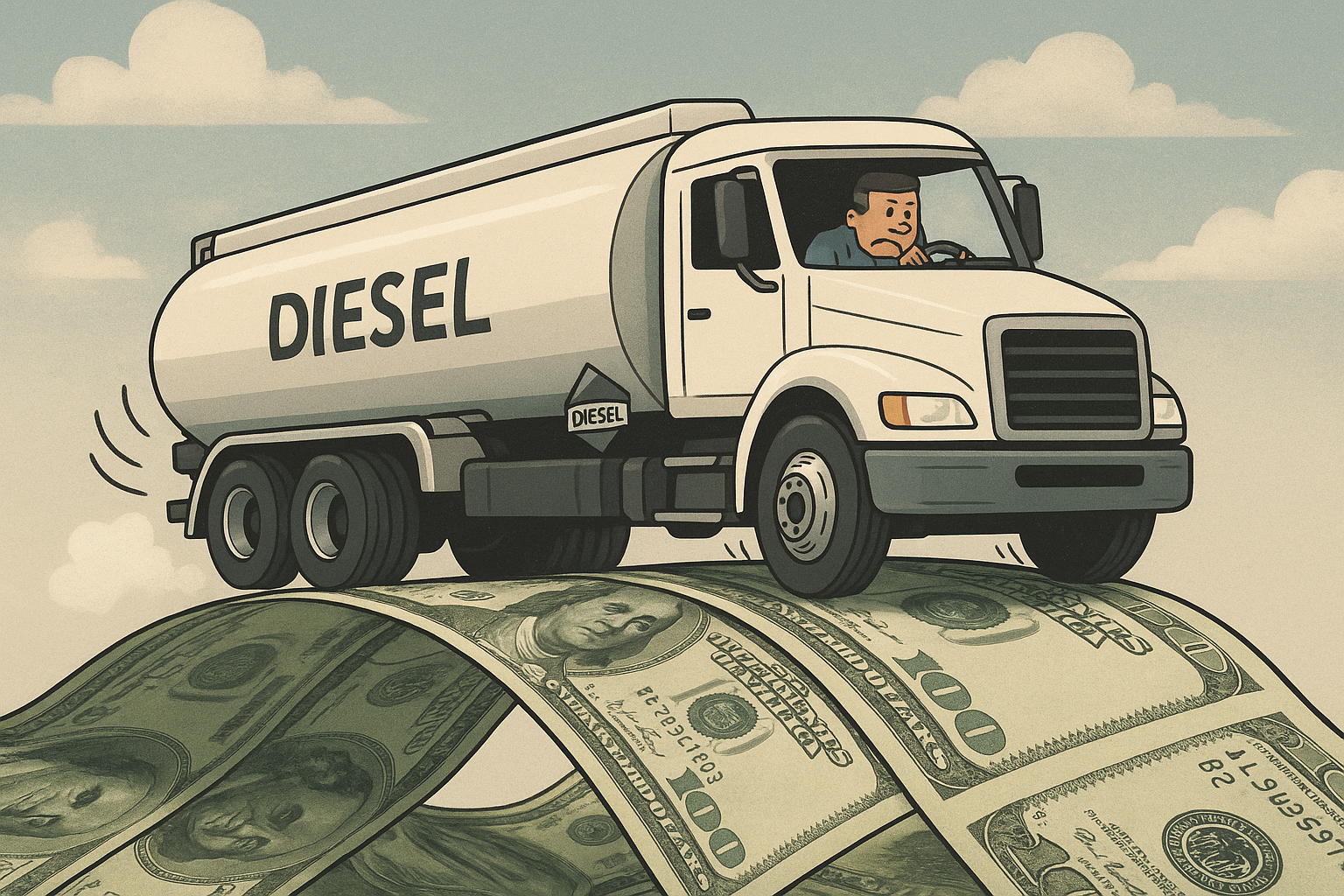
June 2026 fuel shifts: Diesel prices drop significantly, petrol slightly up in SA. Impact on households, supply chains & economy.
Get ready for a wild ride at the pumps in June 2026! Diesel prices are set to plummet by a massive R3.65-R4.56 per litre, thanks to a global oversupply and new refineries. Petrol, however, will barely budge, creeping up by just 11-17 cents. While the government will reclaim some of the diesel savings, many will still feel a significant financial relief. This shift will make driving diesel cars cheaper, help farmers, and even reduce taxi fares, but it might slow down the move to electric vehicles.
What are the expected fuel price changes in June 2026?
In June 2026, petrol prices are projected to rise slightly by 11-17 cents per litre, while diesel prices are expected to drop significantly by R3.65-R4.56 per litre. After accounting for the end of the emergency levy holiday, the effective market discount for diesel is closer to six rand, but the government will reclaim a portion of this saving.
Get Cape Town news in your inbox
Stay updated with the latest stories from the Mother City.
1. The New Tariffs in Plain Figures
Mid-month figures from the Central Energy Fund (14 June 2026) sketch next week’s retail scene – if Brent, the rand and the slate levy stay put until the final midnight freeze.
Petrol grades edge upward: 93 octane adds eleven cents a litre, 95 octane seventeen. Nothing dramatic – the kind of rise motorists mutter about, then forget at the next robot.
Diesel tells the opposite story. The two road-going specs drop R3.65 and R4.56 respectively, while illuminating paraffin follows them down the same cliff, shaving another R4.55.
None of these numbers include the partial end of the emergency levy holiday Treasury granted after Red Sea tankers started taking the long way round in February. From the 4th of June petrol loses fifty cents of relief, diesel forty-nine. That means the actual market discount for diesel is closer to six rand, but government will claw back two rand before the nozzle ever reaches your tank.
2. Global Chemistry Meets Local Politics
Refiners Were Chasing Petrol, They Found Diesel
Across Rotterdam and Ulsan, refiners spent spring chasing U.S. summer driving demand. The moment the northern hemisphere eased off the accelerator, an ocean of diesel-length molecules got stuck in storage tanks. The gasoil crack – the gap between diesel and crude – collapsed from $34 a barrel in March to barely $11 by May. Petrol cracks slipped too, yet not enough to offset rand-denominated cargo premiums.
India’s New Behemoth Flips the Switch
Reliance and Rosneft’s brand-new 1.4-million-barrel-a-day mega-plant on India’s west coast exited test-runs in May. Surplus barrels rolled straight into the Middle-East Gulf spot market, further flooding an already swollen diesel pool.
Currency Calm Leaves Oversupply in Charge
The rand refused to stray far from R18.40 to the dollar, a drift of barely 1.4 %. With the currency barely whispering, the entire price story became a supply story – and diesel supply is shouting.
3. Regional Price Map: Gauteng vs. Coast, Bakkie vs. Hatchback
Plugging the new wholesale prices into inland and coastal structures produces the following forecourt reality on the morning of 5 June:
- Gauteng 95 unleaded climbs from R25.41 to around R25.58 – pocket change.
- Gauteng 50 ppm diesel collapses from R24.96 to roughly R20.40 – enough for a midweek lunch.
- Coastal 93 unleaded ticks up eleven cents to R24.94.
- Coastal 10 ppm diesel dives from R24.22 to about R19.66.
Drive a 60-litre diesel double-cab on the Garden Route and you save R273 every fill-up – more than two cappuccinos and a slice of lemon meringue.
4. How Wallets, Plates and Stoves Feel the Difference
Transport Outlays Shrink for the Poorest First
StatsSA’s latest survey ranks transport as 14 % of spend for the bottom two income quintiles, 12 % for the middle and 8 % for the top. Minibus taxis and municipal buses burn diesel, and both have frozen their July increases. Santaco reckons a rand-a-kilometre saving of 8.5 % – enough to shelve a planned R2.50 fare bump.
Cheaper Grain Means Cheaper Pap
Diesel is more than a third of grain farmers’ variable cost. Futures markets reacted in seconds: the white-maize near-delivery contract dropped R32 per tonne within a day. Carry that through harvest, haulage and milling and the 12.5 kg supermarket bag of maize meal could be R1.70 lighter by August.
Cooking, Chicks and Extra Rand in the Purse
Paraffin price relief flows straight to 2.8 million households still cooking on primus stoves. University of Cape Town modelling shows a four-rand cut saves those homes R38 a month – money that almost always ends up buying eggs or frozen chicken.
5. Supply Chains: Trucks, Trains and Township Couriers
Every Extra Cent in the Tank Becomes Margin on the Shelf
South Africa leans on trucks because rail keeps tripping over cable thieves. Transnet’s latest report shows another 9 % drop in bulk volumes, shoving more coal, chrome and citrus onto the N12 and N3.
• A 34-ton side-tipper burning 300 litres between Witbank and Richards Bay saves R1 365 per round trip.
• Citrus cartons out of the Sundays River Valley claw back thirty-five U.S. cents per carton – real money during Valencia peak.
• Big FMCG chains shave almost one percent off delivered cost, enough to reopen marginal spaza routes in the former Transkei and Sekhukhune.
Township Micro-Logistics Hit Turbo
Gig platforms such as LulaMove report 78 % of their Gauteng drivers use diesel Avanza panel-vans. Four rand per litre gives an extra R400–R500 weekly profit to riders covering 900 kilometres, reducing the 40 % monthly churn that has bedevilled quick-commerce start-ups.
6. Treasury’s Quiet Win: R7.8 Billion Back in the Kitty
7. The Green Irony – Cheap Diesel Slows Electrification
Battery Cars Lose Their Shine
An entry-level 30 kWh battery hatch costs 55 cents per kilometre on Eskom’s Homeflex tariff; the same car on the old diesel price cost 78 cents. After the June cut, diesel drops to 64 cents, erasing forty percent of the electric running-cost edge. Meridian Economics warns every rand sustained difference pushes mass-market EV adoption out by five to six months.
LNG Trucks Drift Out of Reach
Sasol’s pilot fleet of 100 LNG tractors on the N3 corridor already needed diesel above R22 to justify the retrofit. Come June, diesel slips below R21 – and the business case evaporates.
8. Leisure, Tourism and the Weekend Exodus
Telematics data from the Automobile Association show demand for discretionary kilometres is elastic but asymmetrical: a rand increase trims weekend travel 2.8 %, yet a rand cut only adds 1.6 %. The coming diesel drop is expected to lift coastal caravan and boat trips 5–6 % during the winter school break, a lifeline for guesthouses still hurting from grey-listing jitters.
Rental firms confirm diesel SUVs such as the Fortuner and Everest will be repriced 3–4 % lower on weekly contracts in July, reflecting reduced depreciation risk.
9. What Could Still Torpedo These Numbers
The data lock-in is midnight 28 May. Three wild cards could still flip the script:
• A fresh drone strike on Hormuz could add $6–8 a barrel, swinging diesel from a four-rand cut to a one-rand hike.
• Moodys reviews South Africa on 23 May; a 50-cent rand slide lifts all import prices by about seventeen cents.
• Engen’s 21-day FCC turnaround in Durban could overrun, shrinking inland diesel cover below the 19-day strategic minimum and spot premiums will roar.
10. How Smart Money Is Hedging the Move
Open interest on the JSE Fuel Hedge has tripled since 10 May; July diesel puts struck at R20.75 now cover 108 million litres. Retail giants Shoprite and Spar are layering collars – buying calls at R21.50 and selling R24 calls to fund the premium. Smaller hauliers are locking in 60 % of July diesel at fixed prices with oil majors, letting the remainder float for further downside.
11. Municipal Windfalls and the MyCiTi Bonus
Metros index licence fees to CPI, not fuel prices, so they feel nothing directly. Cape Town’s MyCiTi bus service, however, receives a diesel subsidy that resets every quarter. The June drop slashes the city’s third-quarter subsidy bill by roughly R24 million – money earmarked for resurfacing N2 Express bus lanes ahead of the 2027 Netball World Cup.
12. Cross-Border Dominoes – Lesotho and Eswatini
Both mountain kingdoms import finished fuel exclusively through South African depots, pricing off the Basic Fuel Price with a two-week lag. Diesel will fall by almost the same margin in Maseru and Mbabane, ending the first-quarter fuel-tourism boom that hurt Lesotho’s excise take. The Lesotho Revenue Service now pencils in a 22 % drop in mid-year fuel-excise collections, forcing a hasty budget re-draft.
13. Your Personal Playbook Before 28 May
- Private drivers: wait until after 5 June; the levy claw-back hurts petrol less than the spot discount helps diesel.
- Taxi commuters: bargain hard on monthly tickets; most operators have frozen increases.
- Grain farmers: July SAFEX micro-contracts (1 000-litre clips) are cheap hedges against a price rebound.
- Tourists: lock in that diesel SUV rental before the algorithm updates 72 hours post-adjustment.
What are the expected fuel price changes in June 2026?
In June 2026, petrol prices are projected to rise slightly by 11-17 cents per litre for 93 and 95 octane respectively. Diesel prices, however, are expected to drop significantly by R3.65-R4.56 per litre. Illuminating paraffin will also see a substantial decrease of R4.55 per litre. These figures are before the government reclaims some of the diesel savings.
Why are diesel prices plummeting while petrol prices remain relatively stable?
Diesel prices are set to plummet due to a global oversupply of diesel. Refineries, initially chasing petrol demand for the U.S. summer, ended up with an abundance of diesel molecules as northern hemisphere demand eased. Additionally, a new 1.4-million-barrel-a-day mega-plant in India, which exited test-runs in May, began flooding the Middle-East Gulf spot market with surplus diesel barrels, further exacerbating the oversupply. Petrol prices are more stable because, while petrol cracks also slipped, it wasn't enough to offset rand-denominated cargo premiums.
How will the government's actions affect the diesel price drop?
While the market discount for diesel is closer to six rand, the government will reclaim a portion of this saving. From June 4th, the emergency levy holiday will partially end, meaning petrol loses fifty cents of relief, and diesel loses forty-nine cents. This means the government will claw back approximately two rand per litre on diesel before it reaches the consumer, effectively reducing the net saving at the pump.
What are the economic benefits of cheaper diesel?
The significant drop in diesel prices will lead to various economic benefits. Transport costs will shrink, particularly for minibus taxis and municipal buses, potentially preventing planned fare increases. Farmers, for whom diesel is a major variable cost, will see reduced expenses, which could lead to cheaper maize meal. Households using paraffin for cooking will experience financial relief, potentially redirecting savings towards essential goods. Supply chains will benefit from lower trucking costs, allowing for better margins and potentially reopening marginal delivery routes.
How will this fuel price shift impact the adoption of electric vehicles (EVs)?
The substantial decrease in diesel prices is expected to slow down the transition to electric vehicles. The running cost difference between an entry-level battery-electric car and a diesel car will narrow significantly. After the June cut, the running cost of a diesel car will be closer to that of an EV, erasing a substantial portion of the electric car's running-cost advantage. This could push mass-market EV adoption out by several months.
What factors could still alter these projected fuel prices?
Several wild cards could still impact these numbers. A fresh drone strike on the Strait of Hormuz could add $6–8 a barrel, potentially turning a diesel cut into a hike. A significant depreciation of the Rand following Moody's review of South Africa on May 23rd could raise all import prices. Lastly, an overrun in Engen's FCC turnaround in Durban could shrink inland diesel supply, leading to spot premiums and higher prices.

Sarah Kendricks is a Cape Town journalist who covers the city’s vibrant food scene, from township kitchens reinventing heritage dishes to sustainable fine-dining at the foot of Table Mountain. Raised between Bo-Kaap spice stalls and her grandmother’s kitchen in Khayelitsha, she brings a lived intimacy to every story, tracing how a plate of food carries the politics, migrations and memories of the Cape.
View all articles →