
City works with Klopse groups ahead of festive season
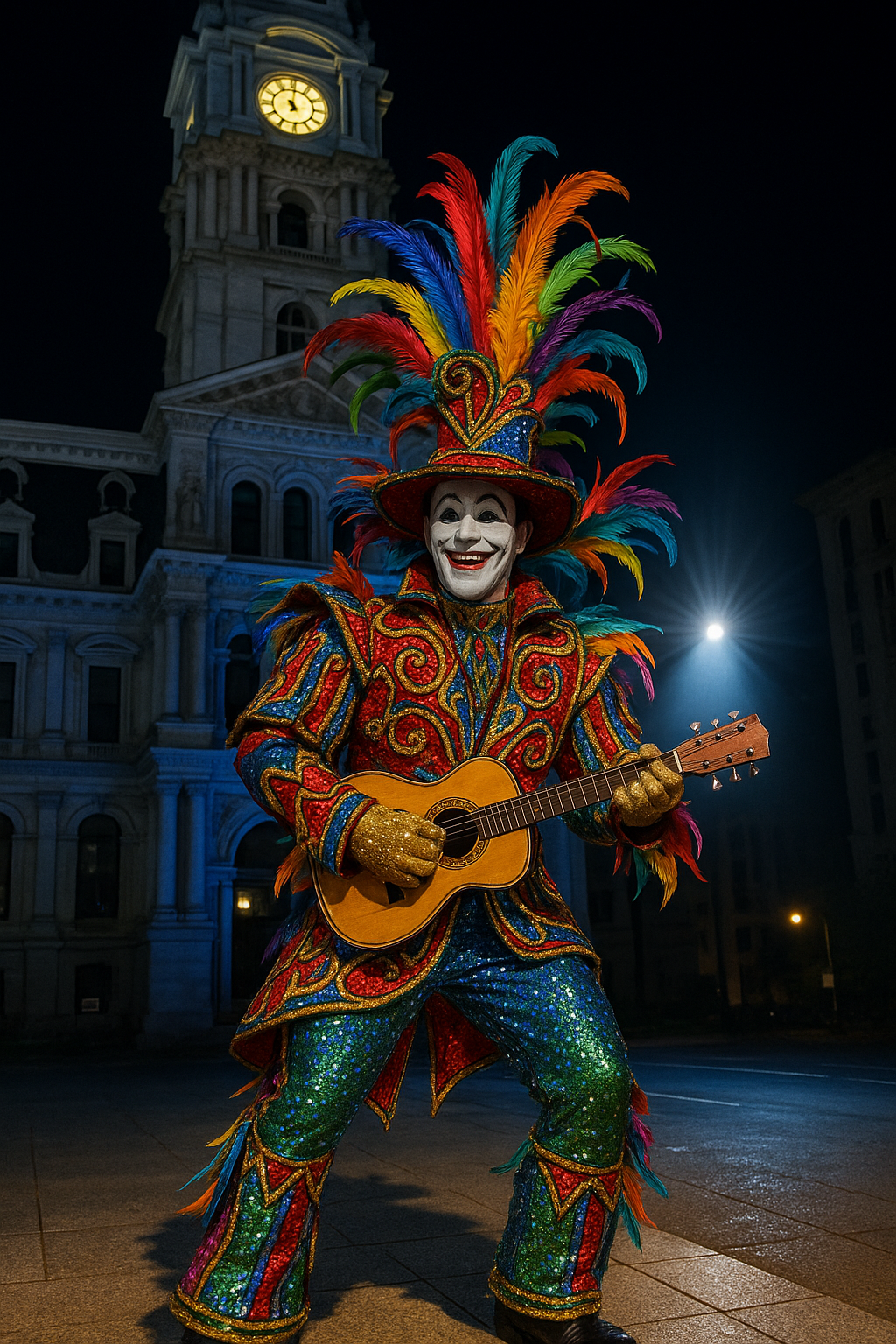
Explore how Cape Town's rich cultural heritage, from minstrel traditions to Malay Choirs, shapes its year-round festival planning.
Cape Town's festivals are super important because of its history, especially Emancipation Day. This means lots of planning, money, and talking with the city happen all year long. It's like building roads, but for fun events. This careful planning makes sure everything goes smoothly, even though it costs a lot and has many rules. This way, the city helps keep its amazing culture alive and strong for everyone.
How does Cape Town's heritage influence its festival calendar?
Cape Town's rich heritage, particularly the history of Emancipation Day, directly anchors its festival calendar. The January 2nd celebration, rooted in freed enslaved people's traditions, dictates municipal planning, with other events scheduled around it. This deep-seated legacy transforms cultural festivities into essential urban infrastructure, demanding meticulous year-round preparation, funding, and civic negotiation to thrive.
Get Cape Town news in your inbox
Stay updated with the latest stories from the Mother City.
Echoes of January 2nd – Why Preparation Starts in Winter
Long before jacarandas bloom, the pulse of ghoema drums already ripples through the Cape Flats. Captains and choir-masters meet in lounges, church halls and garages to sketch next summer’s routes, costumes, set-lists and bus timetables. What looks like spontaneous street jubilation on Tweede Nuwe Jaar is, in reality, the tip of a year-long pyramid of practice, fund-raising and civic negotiation.
The City’s side of the story is equally time-hungry. Engineers must calculate load-bearing weights for temporary grandstands, health officers translate parade menus into food-safety plans, metro police rehearse rolling road closures, while lawyers draft sponsorship contracts that protect both corporate brands and cultural integrity. One late-August workshop held in the Edwardian splendour of the City Hall brought these two universes - organiser and official - around a single mahogany table to align dreams with bylaws.
That meeting distilled a single message: Cape Town’s cultural calendar is not an optional ornament; it is infrastructure as real as rail lines and sewage pipes, and it demands the same forward logistics. Without the six-month head start, neither the satin uniforms nor the spectator barricades would appear on time, and 2025 would repeat the old nightmare of cancelled marches and disappointed musicians.
From Emancipation Day to Event Permits – Living Inside Heritage Law
A 19th-Century Birthday Still Runs the Diary
January 2 marks the date when colonial-era enslaved people were first allowed a day off in 1834; their descendants turned that freedom into music, face-paint and satirical verse. The custom survived forced removals, liquor bans and the Group Areas bulldozer because each generation reinvented it: the brassy bulk of mission-school bands, the honeyed Malay counter-tenors, the minstrel troupes in Joseph-coats of bead-work. Today the same date anchors municipal planning software: nothing else can be booked in the Civic Centre precinct until the Klopse code is entered.
The Medium-Risk Label and Its Domino Effect
The 2010 Sports and Recreation Safety Act classifies every Klopse parade as “medium risk,” a technical phrase carrying expensive consequences. It triggers a minimum of one medical officer per 2,000 attendees, dedicated radio channels, SAPS crowd-containment reserves and pre-approved detours for MyCiTi buses. Venues that cannot prove multiple escape routes or load-in ramps for wheelchairs automatically fall off the list, shrinking the pool of halls and green lungs just when year-end picnics, weddings and corporate parties are also hunting for space.
What Organisers Must Bring to the Table
To keep the season alive, captains arrive at planning sessions clutching proof of public-liability insurance, stamped noise-exemption forms, certified copies of fire-safety certificates and letters from neighbourhood associations endorsing road closures. The City, for its part, offers a new digital dashboard showing available facilities in real time, a concession aimed at ending the old scramble that forced troupes to bribe caretakers for informal bookings. Both sides now sign a “conditions grid” that locks in deadlines: miss the traffic-management submission cut-off and the parade permit is rescinded, no matter how many hours have been spent sewing sequins.
Where the Money Comes From - And the Strings Attached
Municipal Grants: the Biggest Slice, but Never Enough
Almost one-third of the City’s annual events purse is earmarked for Klopse-related expenses - an admission that these gatherings are mass mental-health therapy as well as entertainment. Yet the grant cap is fixed at 2019 rand levels, while stage-light hire, insurance premiums and fuel have all soared. The shortfall forces captains into a frenzied hunt for private money before the end of May, when costume suppliers demand fifty-percent deposits or drop clients from the queue.
Corporate Cash: Visibility in Exchange for Control
Brand managers love the numbers - 25,000 in the stadium plus a 2024 live TV debut - but hate surprises. Contracts now include clauses that allow sponsors to pull out if political slogans appear on banners or if alcohol-related incidents exceed a set threshold. The result is a delicate dance: performers want to keep the tradition of biting social satire, while financiers insist on family-friendly scripting. Alderman JP Smith calls corporate rand “the lifeblood,” yet acknowledges that over-commodification could bleed the culture dry.
The Informal Economy that Hinges on a Single Season
Beaders in Bridgetown, brass-polishers in Maitland, aunties who rent fold-up chairs, ice-cream carts that shadow marching columns - an estimated 4,000 micro-enterprises earn up to forty percent of their yearly income during the festival fortnight. When a permit is denied or a venue suddenly withdrawn, the ripple hits these small players hardest. Planners therefore argue that smooth administrative reform is not bureaucratic nicety but anti-poverty policy.
Streets, Space and Voice – The Ongoing Struggle to Belong
Reclaiming a City Centre That Was Once Off-Limits
Under apartheid geography, coloured families were pushed to sand-dusted flats far from the CBD; the parade route became a yearly reclamation of urban citizenship. Keeping that footprint intact is non-negotiable for many captains, yet Adderley Street shop-owners complain of lost trading hours, and marathon organisers covet the same stretch in February. Mediation now includes a rotating-route compromise: two years on the historic axis, one year in an alternative loop through District Six, a sequence written into the new booking manual.
Safety, Satire and the Shadow of the Past
Medium-risk status is not merely technical; it carries the memory of heavy-handed policing. Veteran musicians recall baton charges and confiscated drums, so today’s safety plan pairs SAPS liaison officers with retired band leaders who can defuse tension before it hardens. The City also funds “culture marshals,” community volunteers identifiable by neon bibs and trained in de-escalation, ensuring that critique through song can survive inside a risk-averse event framework.
From Ad-Hoc Meetings to a Standing Committee
The August engagement has been formalised into a quarterly Cultural Events Joint Committee with voting rights for troupe captains, choir committees and band secretaries. Its brief is widening: next year it will tackle ticket pricing for stadium finales, explore pooled medical-insurance schemes and lobby provincial treasury for relief funding when wild weather forces last-minute cancellations. Institutionalising the conversation, organisers say, is the only way to keep the beat alive without chaining it in red tape.
By turning heritage into forward logistics, Cape Town offers a model other cities can clone: honour the past by planning the future, or the drums that once celebrated freedom will fall silent for good.
[{"question": "How does Cape Town's heritage influence its festival calendar?", "answer": "Cape Town's rich heritage, particularly the history of Emancipation Day (January 2nd), profoundly influences its festival calendar. This historical event, marking the first day off for colonial-era enslaved people, dictates municipal planning, with other events scheduled around it. This deep-rooted legacy transforms cultural festivities into essential urban infrastructure, requiring meticulous year-round preparation, funding, and civic negotiation to thrive. The Klopse parade, for instance, is directly linked to this date, and its planning takes precedence in the city's event schedule."}, {"question": "Why does festival preparation in Cape Town start so far in advance?", "answer": "Preparation for Cape Town's festivals, especially those related to Emancipation Day like the Klopse parade, begins as early as six months in advance, often in winter. This extensive lead time is crucial because the cultural calendar is treated as essential infrastructure, similar to roads or utilities. It involves detailed planning from organizers (e.g., sketching routes, costumes, obtaining permits) and extensive civic coordination (e.g., calculating load-bearing weights, ensuring food safety, planning road closures, drafting contracts). Without this head start, logistical challenges would lead to cancellations and disappointment."}, {"question": "What is the significance of the \"medium-risk\" classification for Klopse parades?", "answer": "The \"medium-risk\" classification for Klopse parades under the 2010 Sports and Recreation Safety Act carries significant and expensive consequences. It mandates specific safety measures, including a minimum of one medical officer per 2,000 attendees, dedicated radio channels, SAPS crowd-containment reserves, and pre-approved detours for public transport. This classification also impacts venue selection, as only venues with multiple escape routes and wheelchair access ramps can be used, thereby shrinking the available spaces during a busy year-end period."}, {"question": "What are the financial aspects of Cape Town's festivals?", "answer": "Cape Town's festivals are financed through a combination of municipal grants, corporate sponsorships, and an informal local economy. While municipal grants are the largest slice, they are often insufficient due to being capped at older levels, leading organizers to seek private funding. Corporate sponsors provide crucial funds but often come with stringent conditions, such as clauses allowing them to withdraw if political slogans appear or alcohol-related incidents occur. Additionally, an estimated 4,000 micro-enterprises, from beaders to food vendors, depend on the festival fortnight for a significant portion of their annual income, highlighting its economic importance."}, {"question": "How do festival organizers navigate space and historical challenges in Cape Town?", "answer": "Festival organizers face ongoing challenges related to space and historical injustices. The parade route, particularly through the city center, is seen as a reclamation of urban citizenship for communities displaced during apartheid. While maintaining this footprint is crucial for many, it often conflicts with business owners' concerns and other event organizers. A rotating-route compromise has been introduced, alternating between historic axes and alternative loops. Additionally, safety planning now includes pairing SAPS liaison officers with retired band leaders and funding \"culture marshals\" to ensure that traditional satire can continue within a risk-averse framework, addressing past issues of heavy-handed policing."}, {"question": "How is the dialogue between festival organizers and the city being institutionalized?", "answer": "The previously ad-hoc meetings between festival organizers and city officials have been formalized into a quarterly Cultural Events Joint Committee. This committee includes voting rights for troupe captains, choir committees, and band secretaries, ensuring their voices are heard. Its broadened brief includes addressing issues like ticket pricing, medical insurance schemes, and lobbying for relief funding during cancellations. This institutionalization aims to streamline processes, minimize red tape, and ensure the long-term sustainability and vibrancy of Cape Town's cultural events."}]

Aiden Abrahams is a Cape Town-based journalist who chronicles the city’s shifting political landscape for the Weekend Argus and Daily Maverick. Whether tracking parliamentary debates or tracing the legacy of District Six through his family’s own displacement, he roots every story in the voices that braid the Peninsula’s many cultures. Off deadline you’ll find him pacing the Sea Point promenade, debating Kaapse klopse rhythms with anyone who’ll listen.
View all articles →