
Dust-covered and forgotten: The strange rise of abandoned cars at SA airports
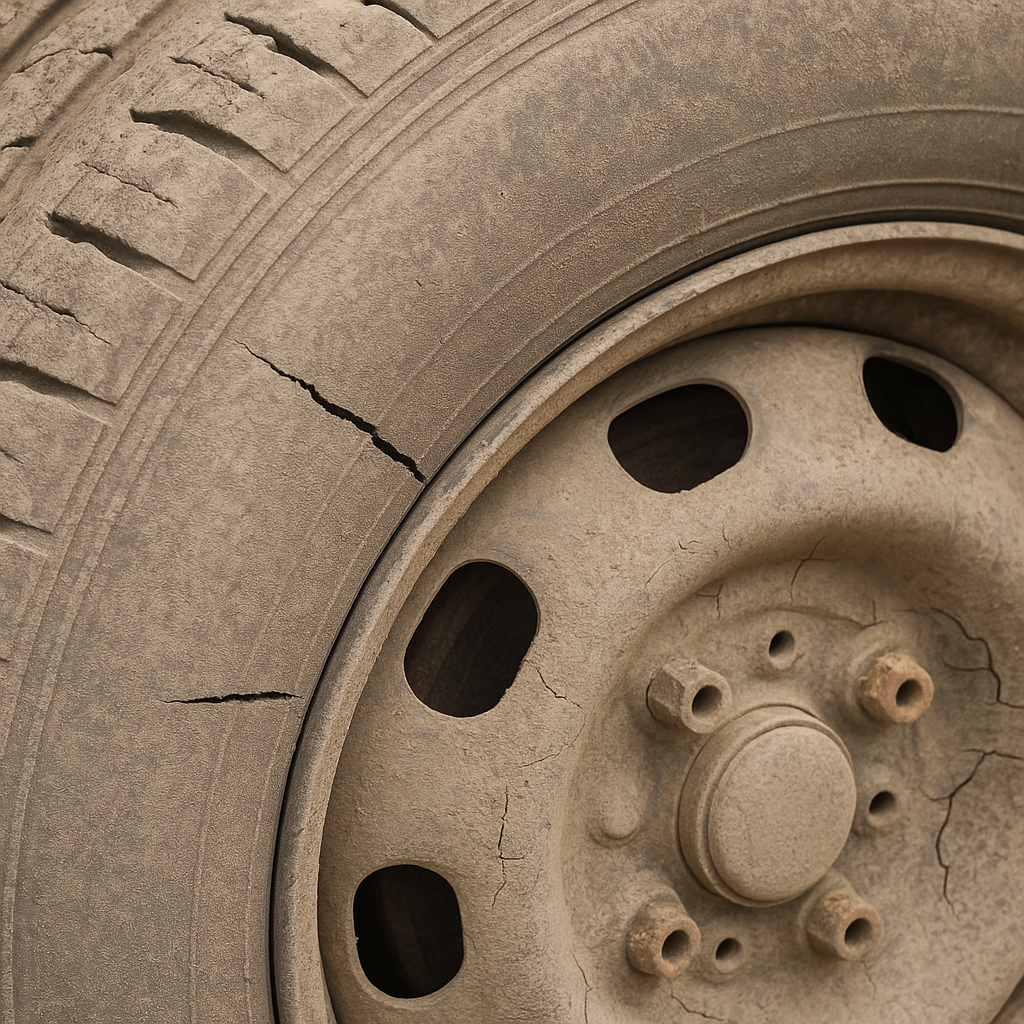
South Africa's airports are filled with abandoned cars, creating "ghost fleets" due to unique legal challenges and economic shifts.
South African airports are filled with abandoned cars, creating a 'ghost fleet'. These vehicles are left by owners moving overseas, rental companies going out of business, or criminals. Airport staff track these cars, using 'dust index' rules to identify them. Legal issues make it hard to remove them, so they sit, gathering dust and becoming strange, accidental art. The problem keeps growing, highlighting a mix of global travel issues and tricky local laws.
Why are there so many abandoned cars at South African airports?
South African airports have numerous abandoned cars primarily due to a complex interplay of factors, including owners leaving for overseas work and not returning, rental cars orphaned by folded franchises, and vehicles ditched by criminals. Bureaucratic hurdles, legal complexities, and a lack of clear legislation make it difficult for airport authorities to remove these vehicles.
Get Cape Town news in your inbox
Stay updated with the latest stories from the Mother City.
Sunrise Census on the Top Deck
At exactly 04:27 each weekday, before the first red-eye to Durban even thinks about push-back, a lone officer in reflective orange steps out of the lift on the upper deck of Parkade 2 at O.R. Tambo. Armed only with a scarred Samsung phone, he walks Section C in widening circles, snapping licence-plate close-ups. Those JPEGs rush along ACSA’s intranet to a spreadsheet already swollen with 47 rows tagged “static” – wheels that have refused to turn for ninety straight days. Cell comments read like haiku: “dust thick enough for Xhosa graffiti”, “Baby-on-Board sticker still clings”, “left front tyre burst like an over-ripe mango”. Staff call the sheet, half in awe, half in fatigue, “Ghost Fleet Master”.
What feels like routine stocktaking is actually the only weapon the airport owns against a crisis that slips between municipal law, insurance paperwork and human stories that stalled somewhere over the Atlantic. The fleet keeps growing: bakkies whose drivers flew out for “-rate Dubai gigs in 2019 and never came back; rental Polos orphaned when the franchise folded; hot X3s ditched at 03:00 with plates still warm from a Rosettenville printer queue. Their shared fate is simple – they crossed the invisible line between useful and forgotten without ever leaving the asphalt.
Dust as Evidence, Dust as Verdict
Inside the Transport Coordination Centre a single A4 page, curling at the corners, hangs above the roster. Titled “How to spot an abandon”, it reads like a beginner’s field guide to a brand-new species.
Checkpoint one: dust on horizontal panels at least two millimetres deep – the unofficial “flour test”; if a thumb wipes a clean oval, the 90-day clock resets. Two: tyres beginning to square off under the car’s own weight. Three: any windshield sticker older than twelve months – university permits, gym promos, e-toll tags. Four: no heat bloom from the bonnet twenty-four hours after the overnight temperature plunge, verified by a night guard armed with an infrared thermometer from Makro.
Staff call this quartet “the dust index”. It matters because an airport is not a city; it can’t just clamp or tow. Instead, ACSA must establish that a car is “ostensibly abandoned”, a phrase lifted from municipal jargon yet oddly absent from civil-aviation statutes. Until parliament fills the gap, staff collect dust the way detectives collect fingerprints.
The Subaru That Became a Meme
Section F-12 on the shaded roof at Cape Town International holds the fleet’s reluctant celebrity: a 2014 Subaru Forester in sunset-red paint now buried under a film of powdery grime so complete that passengers sketch wildlife panoramas across the doors. Instagram pins the arrival at late-2020 travel-influencer posts; by January 2022 the car had its own hashtag – #SendTheSubaru – shorthand for “2022 is still chaos”. ACSA’s files list it as “CTIA-UF-44”. Licence-disk data shows the last renewal was September 2019. RFID logs confirm the barrier last lifted for those plates on 14 March 2020 – the day South Africa sealed its borders. Somewhere in the UK a freight forwarder named Gavin gets monthly SMS pings from Tracker claiming “your Subaru’s battery is low”. Gavin won’t be back; his short-contract visa morphed into indefinite leave. The parking tab already dwarfs the resale value, so the Forester stays, sidewalls cracking under their own weight, catalytic converter biding its time until tonight’s angle-grinder crew arrives.
Paperwork That Eats Itself
Ditching a car at an airport is almost effortless. Getting it back out again is the trick. The instant a vehicle trips the dust index, ACSA leaves an orange A5 card under the wiper: “Notification of Apparent Abandonment – 21 days to respond”. Few owners bother. At day sixty the file graduates to a “Section 91 Referral”, invoking the National Road Traffic Act – a clause actually meant for city pound yards, not private aviation turf. Traffic departments from Boksburg to Bellville usually reply, “Sorry, not our asphalt”. ACSA phones the bank if there’s still an instalment plan, yet financiers hate repossessing a rotting asset parked beyond a security perimeter where a sheriff needs an air-side badge. If the loan is settled and the owner has vanished, the file lands on the desk of the SAPS Vehicle Identification Unit. Detectives scan the VIN against the hot sheet; no theft flag means the docket is shelved “awaiting new data”. The wheels never move. The paper trail simply ties itself into an endless loop.
Row 3A, the 2020 Museum
Row 3A of King Shaka International’s long-stay shade-net could double as a pandemic pop-up museum. A white Hyundai i10 still dangles a faded sky-blue mask from the rear-view; the Woolworths packet in the boot expires 2 April 2020. A Fiesta flaunts a bumper sticker that once bragged “2020 Safari Rally Kenya – Service Crew”. The cars speak in time stamps: owners who expected a fortnight of quarantine and met two years of border chess. Some eventually reappear. April 2023: a nurse, returning from Manchester, burst into tears when she spotted her mint-green Kwid now hosting an entire gecko hatchery in the glove compartment. She coughed up R31,472 in back fees and eased out in first gear, wipers scraping an embarrassed half-moon through the dust like a learner’s first shave.
The Airport Sink and the Midnight Artists
Not every stationary set of wheels is an innocent exile. Gauteng’s Vehicle Crime detectives track what they call the “airport sink”: thieves park a freshly boosted ride in short-stay for forty-eight hours to see whether Tracker is napping. If nobody fetches it, the car is either stripped a kilometre away in Alexandra or re-plated and containerised through the same cargo sheds that wheel returning diplomats’ furniture. Flagship 4×4s are prime targets; a filthy Land Cruiser Prado can loiter for weeks because the dust is perfect camouflage. The giveaway often comes when the plates – originally hot – are swapped for tags belonging to a ’94 Corolla. By then the VIN has been shaved clean, the engine numbers acid-etched smooth, and the carcass is worth more in pieces than as a whole.
The Auction That Wasn’t
Twitter lawyers keep asking why ACSA doesn’t simply wheel the lot to a public sale. The short version: it’s a legal minefield wearing hiking boots. The long version begins in Bloemfontein, 2018. When the airport there tried to tow seventeen derelicts to auction, the registered keeper of a 2009 BMW X5 materialised minutes before the hammer fell, waving Zambian notarised paperwork and demanding R2.3 million in “unlawful deprivation”. The sale froze, the cars returned to their stalls, and the legal bill eclipsed any possible gain. Since then ACSA Legal insists on a High Court order for every single disposal – roughly R18 k and eight to fourteen months of docket ping-pong. With more than eighty cars nation-wide on the list, the board quietly filed the idea under “never again”.
Glass Terminals, Rust Relics
The paradox is exquisite. While ghost cars calcify, ACSA is injecting R21 billion into terminal upgrades. At O.R. Tambo, sleek rosewood-clad check-in halls glide within twenty metres of Parkade 3, where a 2011 Mercedes C180 bakes on flaccid Michelins, clear-coat blistering like sunburnt skin. Early drawings proposed masking the garage behind a living canvas of aloes; instead the derelict parade has become accidental installation art. Airport art-walk guides now point to the Benz as “an evolving meditation on transience”, a line that sends facilities managers into conniptions while earning the selfie brigade thousands of likes.
The Telegram Files
Some platinum-card commuters have turned the stalemate into sport. A shadow Telegram channel dubbed “Parkhackers” trades step-by-step hacks:
- buy the cheapest domestic fare, walk air-side, then use the fifteen-minute free-grace period at the boom to liberate a friend’s wheels;
- swap plates with an identical donor car idling in the pick-up lane, rolling out on its paid ticket;
- smuggle in a jump-starter and a jerry-can, bump-start down the spiral ramp, insist at the cashier that “the ticket was flushed”.
ACSA claims the forum is 90 % fantasy, yet CCTV has logged three successful “bump-start escapes” since December 2022. Every exploit forces another tweak at the exit gates, driving up costs that end up baked into the next tariff hike – the perfect incentive for the next round of mischief.
The Draft That Waits in the Wings
Behind locked doors a 42-page draft Standard Operating Procedure for Unattended Vehicles drifts across ACSA inboxes. Labelled “confidential Q3 2024”, it imports a “creeping lien” model from Australian port law. After 120 days the airport gains a warehouse lien, enabling relocation to an off-site yard. Storage fees still tick upward; if nobody appears for another 180 days, certified recyclers dismantle the metal and plastics under green-audit supervision. Privacy lobbyists warn that removing vehicles past the security cordon could breach POPIA, especially if laptops or pension cards remain in the cubby. The fix: a forensic inventory logged on body-cam and archived for seven years. Launch date: maybe 2025, once SAPS, the National Credit Regulator, and the Insurance Crime Bureau agree whose risk the precedent becomes.
When Kalahari Dust Becomes Shroud
Until that memo becomes law, the fleet keeps swelling. On gale-force days, fine iron-red sand drifts in from the Highveld and lays down a uniform shroud, erasing finger-smears and fading once-vivid paint into monochrome. The earliest arrivals already mimic desert wrecks: a 1994 Toyota Conquest squatting on cracked tar, hubcaps swallowed by potholes, looks less like Africa’s busiest gateway and more like a Namibian truck graveyard. Ground-staff run an informal sweepstake on which vehicle will reach full “invisibility” first – the instant when accumulated grit fools the radar sensors into thinking the shape is merely uneven kerbing. The Conquest is the 5–1 favourite; the smart money says it will still be there when the new parallel runway launches in 2028.
Micro-Histories Hidden in Chassis Numbers
One VIN equals one human detour. Space is short, but three capsule plots tell the story:
First, a VW Polo 1.4 Trendline saved for six years by a Limpopo teacher. She drove it to the airport for her first overseas flight – a six-month exchange in Finland – only to have Finnish immigration seize her passport because Home Affairs had prematurely marked her deceased. Eight months of emails later, she flew home to discover the parking bill trumped her annual salary. She took a taxi back to Polokwane and refuses to speak of the Polo.
Second, an Isuzu KB250 still wearing the logo of a small plumbing concern that tendered for stadium work ahead of 2010. The owner landed a juicy maintenance gig in Dar es Salaam, flew out jubilant, then watched Tanzania freeze forex payouts. The bakkie, fully paid off, became an unaffordable afterthought.
Third, an Audi A3 Cabriolet stolen during a Sandton test-drive. The thief clocked no stealth sat-nav, dumped it on Level 5, pocketed the plates. Detectives know it’s hot but can’t find the legitimate owner because the “seller” was himself a ghost using a dead man’s ID. The Audi sits, top down, rainwater pooling on cream leather that once smelled faintly of Bavarian pine.
A Global Tail-Light Parade
South Africa holds no patent on terminal fossils. Dubai International has its own super-car necropolis where Ferraris earn fines faster than kilometres. Athens Eleftherios Venizelos corralled whole ranks of 2012 Golfs abandoned during Greece’s austerity stampede. Manila’s Terminal 2 lot briefly became a typhoon refugee camp, leaving behind an SUV residue nobody trusts. The South African twist is the collision between first-world ambitions – glass cathedrals of aviation – and a bureaucracy nimble enough to improvise but never to finish. The result is a twilight zone where cars are too valuable to crush, too tangled to free, too visible to forget.
02:15 Epilogue
At 02:15 the sodium lamps on Level 6 drop to power-save dusk. A hadeda ibis lands on the roof rail of a dust-choked Datsun Go, spears a moth, flaps off into the dark. A cleaning cart glides past, its driver humming a late-night gospel track from Ukhozi FM. He pauses at the Forester, draws a line through the silt with a gloved finger, and murmurs into his handset: “Depth gauge – three mill. No fresh tread marks. Ghost fleet still breathing.” He laughs softly at his own joke, pockets the radio, and rolls on. Behind him the tattered orange notice trembles under the wiper, day-glo against the moonlit rust, waiting for an owner who may never return to turn the key and drive out of history.
Why are there so many abandoned cars at South African airports?
South African airports are home to a growing 'ghost fleet' of abandoned vehicles due to various reasons. These include owners emigrating or moving overseas for work, rental car companies going out of business, and criminals abandoning stolen cars. Legal complexities and bureaucratic hurdles make it extremely difficult for airport authorities to remove these vehicles, leading to their accumulation.
How do airport staff identify abandoned vehicles?
Airport staff at places like O.R. Tambo International use a system called the 'dust index' to identify potentially abandoned cars. This involves checking for at least two millimeters of dust on horizontal panels (the 'flour test'), tires beginning to square off, windshield stickers older than twelve months, and the absence of heat bloom from the bonnet. These checks help establish if a car is 'ostensibly abandoned' given the lack of specific civil-aviation statutes.
What are the main challenges in removing these abandoned cars?
The primary challenges in removing abandoned cars stem from a tangled web of legal and bureaucratic issues. Airport authorities cannot simply clamp or tow vehicles. They must first establish that a car is 'ostensibly abandoned,' which can be difficult without clear legislation. Furthermore, attempts to auction or dispose of these vehicles have led to costly legal battles, such as the incident in Bloemfontein where a legal challenge halted an auction, making authorities hesitant to pursue similar actions without High Court orders, which are expensive and time-consuming.
Are the abandoned cars a target for criminals?
Yes, abandoned cars at airports can attract criminal activity. Thieves sometimes use short-stay parking to test if a freshly stolen vehicle is being tracked, a practice referred to as the 'airport sink.' If not retrieved, these cars might be stripped nearby or re-plated and containerized for export. Flagship 4x4s are particularly vulnerable, with their dusty appearance providing camouflage until plates are swapped or VINs are tampered with.
Is this problem unique to South Africa?
No, South Africa is not alone in facing the issue of abandoned cars at airports. Other international airports, such as Dubai International and Athens Eleftherios Venizelos, have also accumulated their own 'vehicle graveyards' for various reasons, including economic downturns or owners simply deserting high-value vehicles. The South African situation is distinctive due to the combination of modern airport infrastructure and complex, often slow, local legal and bureaucratic processes.
What are the potential solutions being considered for this problem?
ACSA is developing a draft Standard Operating Procedure for Unattended Vehicles, labeled 'confidential Q3 2024,' which proposes a 'creeping lien' model similar to Australian port law. After 120 days, the airport would gain a lien, allowing relocation to an off-site yard. If unclaimed for another 180 days, the vehicles would be dismantled by certified recyclers under green-audit supervision. However, implementation is slated for 2025 at the earliest, pending agreement from various stakeholders like SAPS and the National Credit Regulator, and addressing privacy concerns under POPIA.

Hannah Kriel is a Cape Town-born journalist who chronicles the city’s evolving food scene—from Bo-Kaap spice routes to Constantia vineyards—for local and international outlets. When she’s not interviewing chefs or tracking the harvest on her grandparents’ Stellenbosch farm, you’ll find her surfing the Atlantic breaks she first rode as a schoolgirl.
View all articles →