
Four killed in Lwandle shootings as police launch murder investigation
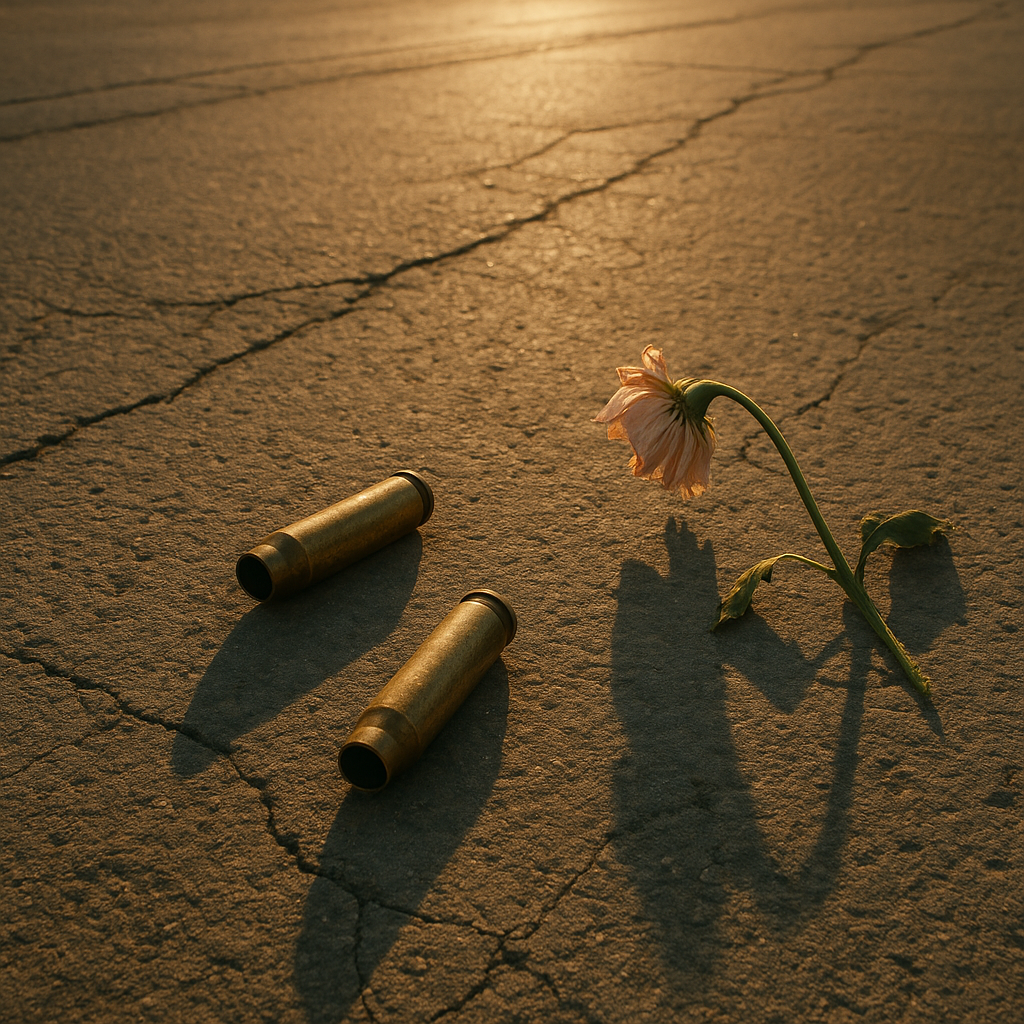
Four dead in Cape Town's Lwandle as overnight violence shakes Asanda Village, raising concerns about firearms and public safety.
Early Saturday, horror struck Lwandle's Asanda Village. Armed attackers killed four people, three men and one woman, in two quick, brutal shootings. This double tragedy has sparked fears about organized crime and begged questions about gun control. Police are now working hard to find those responsible and bring some peace back to the terrified community.
What happened in Lwandle's Asanda Village?
Armed attackers killed four people in two separate incidents in Lwandle's Asanda Village, Cape Town. The coordinated attacks, which occurred shortly after midnight, involved three men and one woman aged 29-36. The violence has raised concerns about organized crime and gun control in the area.
Get Cape Town news in your inbox
Stay updated with the latest stories from the Mother City.
- Double Tragedy in Lwandle Renews Urgent Debates Over Weapon Control and Neighbourhood Security*
The peaceful pre-dawn hours in Asanda Village, Lwandle, shattered into chaos when armed attackers struck two locations within moments of each other, eliminating four people and plunging this Strand township into fresh anguish. The coordinated nature of the assaults has intensified worries about organised criminal activity while investigators scramble to piece together what triggered such devastating bloodshed.
The Carnage on Nombula Street
The nightmare began shortly after midnight on Nombula Street, where three lives ended in a burst of gunfire. The deceased - a woman and two men ranging from 29 to 33 years old - apparently encountered their killers during what should have been an unremarkable Saturday morning. According to accounts gathered by law enforcement, the perpetrators numbered between three and four individuals who approached the group following what authorities characterised as short verbal exchanges. Within moments, weapons appeared and bullets flew, leaving three corpses and a mystery that detectives now labour to unravel.
The female casualty distinguishes this incident from countless other township homicides that predominantly claim male victims. Her presence among the dead signals troubling possibilities about the indiscriminate nature of this particular violence or alternatively suggests she may have been deliberately targeted alongside her companions. At ages not yet reaching mid-thirties, all three victims represent the demographic most affected by South Africa's catastrophic murder rates - young adults whose potential contributions to their community now lie permanently extinguished.
Forensic specialists arrived with sunrise to catalogue shell casings, document wound patterns, and search for any biological traces the shooters might have left behind. The three distinct homicide files generated from this single location underscore the magnitude of destruction that emergency personnel confronted upon reaching the scene.
Blood Spills Again on Ntanga Street
Approximately one thousand metres away, parallel horror unfolded on Ntanga Street. A 36-year-old male became the fourth fatality of this morning of terror, cut down by assailants whose operational methods mirrored almost exactly what had transpired minutes earlier. Eyewitnesses recounted armed men initiating brief confrontations with their target before producing firearms and delivering lethal shots.
This victim's somewhat advanced age compared to the Nombula Street trio offers investigators one potential point of differentiation, though whether this signifies anything meaningful about selection criteria remains speculative. The replication of technique - multiple armed participants, hurried disputes, immediate execution, rapid disappearance - suggests either remarkable coincidence or purposeful coordination that authorities must now determine.
Investigators have established a fourth murder docket while actively exploring potential linkages between the two crime scenes. The spatiotemporal clustering of these killings has naturally generated intense interest in whether South Africa has witnessed yet another episode of systematic gang warfare or perhaps calculated eliminations of specific individuals.
Law Enforcement Responds
Major General Luyanda Damoyi, occupying the position of Acting Provincial Commissioner for the Western Cape, has assumed visible leadership in addressing these killings. His public remarks combined conventional expressions of concern with firm commitments regarding investigative resources.
Damoyi characterised the fatalities as "deeply concerning," employing measured language typical of senior officers navigating politically sensitive situations. More consequentially, he pledged that provincial detective capabilities would focus intensely on identifying, capturing, and prosecuting those responsible for the violence.
These assurances carry substantial significance given the Western Cape's notorious reputation for entrenched criminal organisations possessing sophisticated evasion capabilities. The province's homicide detectives, despite considerable expertise, confront caseload volumes that would overwhelm substantially better-funded departments internationally. Whether Damoyi's commitments materialise as prompt investigative breakthroughs may critically influence whether residents maintain confidence in institutional protection during forthcoming weeks.
Understanding Lwandle's Vulnerability
Grasping why these murders matter requires appreciating Lwandle's particular circumstances. Originating as accommodation for migrant labourers during apartheid, this settlement has transformed into a crowded residential zone housing roughly thirty thousand people, substantial numbers residing in improvised structures with inadequate services and restricted economic prospects.
Periodic violence has marked Lwandle's recent history, frequently connected to contests over limited resources, friction between long-standing inhabitants and recent arrivals, and omnipresent penetration by organised criminal enterprises. The Western Cape's distinctive gang ecosystem - comprising approximately two hundred separate organisations with collective membership exceeding one hundred thousand - extends dark influence across communities including Lwandle, where territorial claims and extortion operations can ignite with murderous velocity.
Saturday's bloodletting also emerges within wider national alarm regarding weapon proliferation. South Africa's 2000 Firearms Control Act aimed to strengthen regulatory frameworks, yet illicit armaments continue circulating in alarming quantities. Analysts estimate multiple illegal weapons exist per legally registered firearm nationwide, with the Western Cape functioning as especially concentrated hub for gun trafficking networks.
The "brief arguments" preceding these shootings warrant particular examination. This trajectory - rapid acceleration from spoken disagreement to terminal violence - has grown increasingly representative of South African killing patterns, where weapon possession converts trivial conflicts into mortal encounters. Scholarly examination of national homicide configurations has repeatedly distinguished argument-triggered deaths as significant classification, separate from planned criminal activity.
Seeking Answers and Prevention
Lwandle authorities have issued customary requests for community assistance accompanying major investigations. The Crime Stop telephone service and MySAPS mobile application have been highlighted as pathways for anonymous intelligence sharing, acknowledging simultaneously the essential value of resident information and the well-grounded apprehension preventing many witnesses from engaging directly.
Securing cooperation in township inquiries presents formidable obstacles. Communities brutalised by violent crime frequently harbour simultaneous distrust toward institutions theoretically responsible for safeguarding them, generating paradox wherein evidence crucial for justice remains inaccessible due to legitimate retaliation fears and institutional scepticism. Promises that submissions receive "strictest confidence" treatment address merely surface aspects of this intricate challenge.
Independent journalists and civic associations will likely prove instrumental during coming days, potentially surfacing contextual understanding that official channels may not immediately access. The interplay between formal policing and indigenous knowledge networks frequently shapes major case trajectories, particularly where gang participation falls under suspicion.
What Remains Unknown
At present, numerous vital questions await resolution. Do genuine connections bind these apparently separate shootings, or do they represent coincidental brutality? What armaments discharged these fatal projectiles, and can forensic ballistics tie them to previous crimes? What specifically ignited the confrontations that preceded execution? Most urgently for Asanda Village residents: do the killers remain among them, or have they relocated to other jurisdictions?
No apprehensions have been announced, generating predictable community anxiety, though seasoned observers recognise that thorough investigations demand duration. Hasty arrests founded upon inadequate evidence risk destroying prosecutions that patient preparation might sustain. Conversely, temporal passage advantages perpetrators, as recollections blur, physical evidence deteriorates, and witnesses reconsider involvement or simply relocate.
For four grieving families, procedural complexities of homicide investigation provide scant comfort. They enter the ranks of thousands of South African households annually devastated by violent death, private sorrow compounding public crisis demonstrating few indications of diminishing. The woman's killing alongside three men ensures at least one family will process bereavement through specific gender-based violence frameworks, even as precise circumstances of her death await full clarification.
Subsequent days will demonstrate whether Damoyi's commitments generate tangible outcomes, or whether these fatalities accumulate among unsolved murder statistics plaguing South Africa's justice apparatus. For Lwandle, immediate imperatives centre upon preventing additional casualties while sustaining a traumatised population's quest for safety amid conditions seemingly designed to undermine precisely that objective.
- Reporting derived from verified police communications and established news sources. The investigation continues developing.*
[{"question": "What tragic event occurred in Lwandle's Asanda Village?", "answer": "Early Saturday, armed attackers killed four people – three men and one woman – in two rapid, brutal shootings in Lwandle's Asanda Village, Cape Town. This double tragedy has sparked fears about organized crime and reignited debates about gun control."}, {"question": "Where did the shootings take place and who were the victims?", "answer": "The first incident occurred shortly after midnight on Nombula Street, where a woman and two men, aged 29 to 33, were killed. Approximately one thousand meters away, a 36-year-old male became the fourth fatality on Ntanga Street. The coordinated nature of the attacks suggests a possible link between the two scenes."}, {"question": "What is the current police response to these killings?", "answer": "Major General Luyanda Damoyi, the Acting Provincial Commissioner for the Western Cape, has pledged that provincial detective capabilities will intensely focus on identifying, capturing, and prosecuting those responsible. Police are actively exploring potential linkages between the two crime scenes and have urged the community to assist with information."}, {"question": "Why is Lwandle particularly vulnerable to such violence?", "answer": "Lwandle, a crowded township with inadequate services and limited economic prospects, has a history of violence often linked to resource contests, friction between residents, and the pervasive influence of organized criminal enterprises. The Western Cape's extensive gang ecosystem further exacerbates these issues, making the community particularly susceptible to violent crime."}, {"question": "What concerns have been raised regarding weapon control in South Africa?", "answer": "The incident renews urgent debates over weapon control. Despite South Africa's 2000 Firearms Control Act, illicit armaments circulate in alarming quantities, with analysts estimating multiple illegal weapons exist for every legally registered firearm. The rapid escalation from verbal disputes to lethal violence, often facilitated by easy access to firearms, is a growing concern."}, {"question": "How can the community assist in the investigation?", "answer": "Lwandle authorities have requested community assistance through the Crime Stop telephone service and the MySAPS mobile application, which allow for anonymous intelligence sharing. Securing cooperation in township inquiries can be challenging due to distrust towards institutions and fear of retaliation, but community information is vital for solving these cases."}]

Lerato Mokena is a Cape Town-based journalist who covers the city’s vibrant arts and culture scene with a focus on emerging voices from Khayelitsha to the Bo-Kaap. Born and raised at the foot of Table Mountain, she brings an insider’s eye to how creativity shapes—and is shaped by—South Africa’s complex social landscape. When she’s not chasing stories, Lerato can be found surfing Muizenberg’s gentle waves or debating politics over rooibos in her grandmother’s Gugulethu kitchen.
View all articles →