
From farm to runway
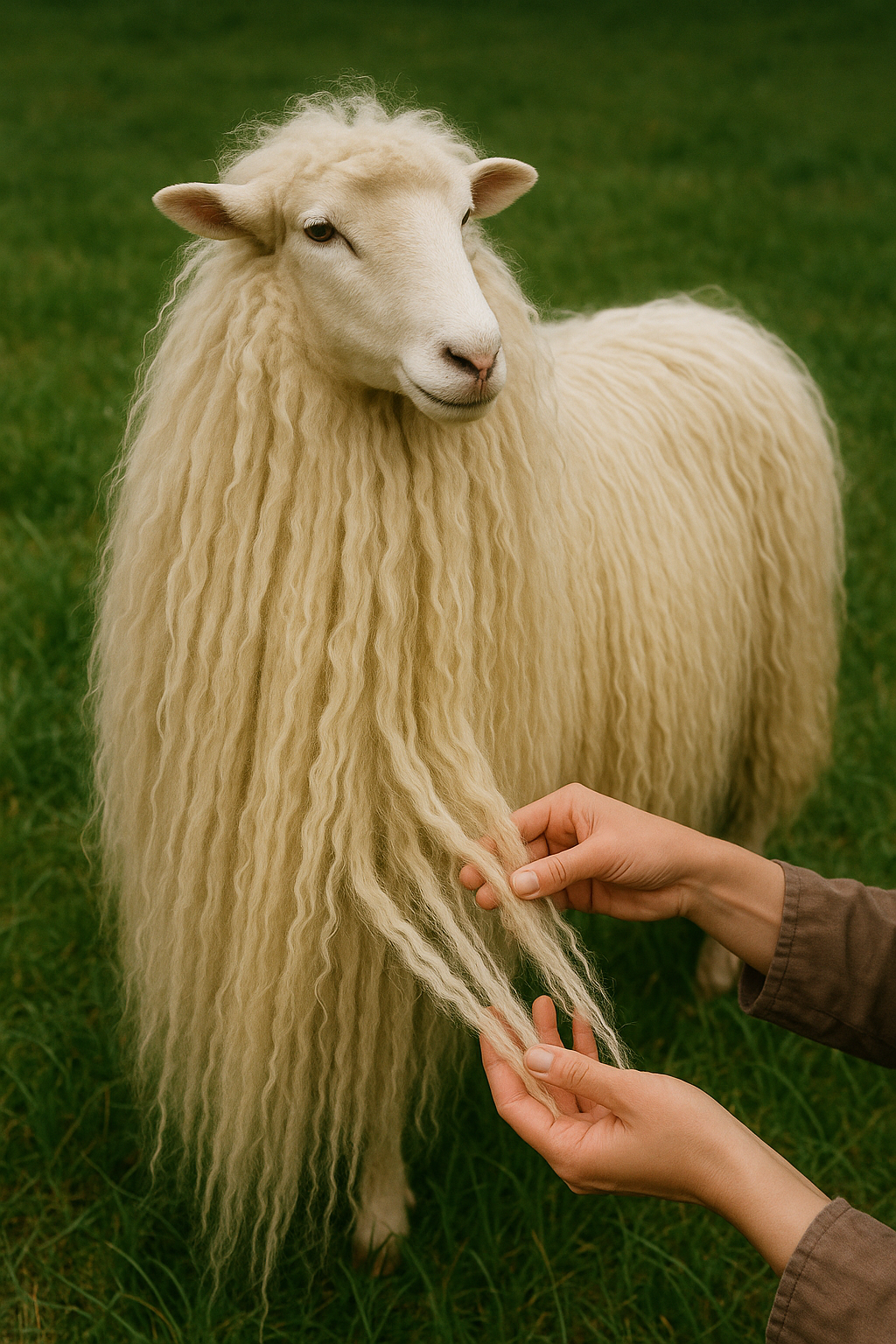
Experience the Karoo Winter Wool Festival 2026: A field guide to natural fibres, from shearing sheds to sustainable innovation.
Step into the amazing world of wool with the Karoo Winter Wool Field Guide! See sheep get their fluffy coats shorn in the chilly dawn. Watch experts sort the wool, turning it into fancy clothes. Then, get your hands dirty in fun workshops, learning how wool becomes thread and even grows like a mushroom! End your day with movies under the stars and warm fires, celebrating the magic of wool and the Karoo.
What is the Karoo Winter Wool Field Guide?
The Karoo Winter Wool Field Guide is a comprehensive handbook for travelers interested in the fibre industry. It details the journey of wool from sheep shearing in the Karoo, through grading and fashion, to workshops and cultural experiences, showcasing the intricate processes and community spirit surrounding wool production.
Get Cape Town news in your inbox
Stay updated with the latest stories from the Mother City.
A Handbook for the Fibre-Intrigue Traveler
1. Dawn on the Highveld
The Freeze that Welcomes You
At 06:30 on 3 July the Nuweveld ridge looks like someone snapped the sky open with an ice-cold knife. The village of Dwarsvlei lies below, sour-grass silvered with frost that glints like shattered safety glass. Kombis and rusty bakkies nose down the dirt track in single file, headlights still on even though the sun is rising, because light is also heat and everyone craves both. Gate stewards do not tear tickets; instead they slide soft cuffs of hand-knit wool over your wristss and whisper: “Inside these cuffs you trade only in fleece.” City lungs protest, camera batteries blink warnings, but no one retreats. The scarf around your neck is the transit card; the cold is the admission price.
The Smell of First Fire
Before the sun clears the koppie, the air carries woodsmoke, sheep dip and the faint metallic tang of anticipation. Coffee is handed out in enamel mugs that burn your palms through knitted sleeves. A child tries to write her name in the frost on a bakkie bonnet; the letters disappear as she forms them, but she laughs anyway. This is the contract: you will leave warmer than you arrived, even if the mercury never climbs above ten degrees.
The Sound of Clippers That Haven’t Started Yet
Across the paddock the shearing shed stands open like a theatre with the lights up. Apricot crates, stacked in tiers, wait for an audience that is still blowing on its fingers. Inside, the walls are newly limewashed, the floor swept to a blond softness that looks edible. At centre stage sits one merino ram, already stoic, already resigned to being the star of the morning.
2. The Shearing Shed Spectacle
Sheep, Clippers, and Human Awe
Eight o’clock strikes on somebody’s phone alarm. Bertrand, wearing a felted beret the colour of wet slate, steadies the ram’s head against his knee and flicks the Oster clippers awake. The sound travels across shed beams like an electric violin. Fleece parts from flesh in a single whispering sheet - 3.2 kilograms of still-warm parchment that lands on the sorting table with the thud of a good story. Two Cape Town stylists capture the moment at 240 frames per second; a German loom engineer mouths “genau” every time the comb misses the skin by a millimetre. Phones stay in pockets; no ringtone can compete with this aria of fibre.
Lanolin and Memory
The shed smells of soap, urine, sun-brewed tea and something close to nostalgia, that metallic note your mouth gets when you remember childhood winters. Children lean against the railing, noses level with the fleece clouds. Someone’s grandfather quietly explains that lanolin is just sheep sweat cured by daylight. The kids nod like they understand capital markets, because here, lanolin is currency.
The Exit Waltz
The freshly shorn ram trots out like a man in new pyjamas, pink skin rippling. Bertrand lifts the fleece overhead like a trophy; applause rattles the corrugated roof. The apron cloud is whisked away to the grading tables where invisible résumés will be written in fibre statistics.
3. Tables that Judge Clouds
Micron, Staple, Brilliance
Rows of classers stand in coats thick enough to double as sleeping bags. They flip, tug, snap and hold each fleece against the skylight as if interrogating the sky itself. A 17.5-micron Rambouillet destined for Tokyo boardrooms floats into the ultrafine pen. A robust 24-micron Dorper destined for Czech hiking socks lands with a thump among the workhorses. Colour codes read like street graffiti: blue for snow-white, yellow for biscuit, pink for any hint of sun-scorch. Visitors press thumb and forefinger into the wool and close their eyes; more often than chance they call the micron correctly. Extension officer Nomsa laughs and calls the fingertip “the original AI.”
The Kids’ Blindfold Test
Local schoolchildren queue for satin blindfolds; a classer presses a tuft into each small palm. “Twenty-one micron,” a ten-year-old says. She nails it. The crowd whoops. Someone starts a rumour she’ll be hired straight after Grade Seven. In the background the diesel generator idles like a patient teacher, keeping the lights on for the next revelation.
Hidden Histories in the Fleece
A fleece with a black fibre streak tells the story of an adventurous ram that once jumped the fence and spent a week among the Angoras. The streak doesn’t disqualify the lot; it merely notes a Karoo romance. Classers toss such stories into the appropriate bin, because every fleece also carries gossip.
4. Karoo Kraal: Catwalk and Constellation
From Feed Store to Fashion House
The old feed store has been painted matte black; inside, Viviers Studio and Hoven hang 120 conical lampshades stuffed with uncarded breed fibre. Merino, mohair, karakul and angora glow in separate halo rings, the ceiling turned into a living star chart of livestock DNA. Below, 31 outfits rotate on turntables so slowly you can’t tell they’re moving until you blink and the silhouette has shifted.
A Coat that Remembers
A reversible overcoat walks the narrow aisle: one side shows hand-woven mohair bouclé in township-winter charcoal; the inside carries laser-etched San rock art borrowed from the McGregor Museum’s archive in Kimberley. The etching was done in St Gallen, Switzerland, yet the sheep grew the fibre two hundred kilometres north of where you stand. Scan the QR dangling from the label and a map unfolds: farm coordinates, shear date, dye bath, every subcontractor down to the retired bookkeeper who stitched the buttonholes in Riebeek-Kasteel.
Light, Shadow, and Handshake Deals
Buyers linger like astronomers tracking meteors. A Japanese scout lifts a sleeve to the lamp and counts the weave intersections per centimetre; a Parisian blogger live-streams to followers still awake in a different hemisphere. When the garment moves on, the light through the lanterns rearranges itself, the shadows write new paragraphs on the black walls.
5. The Natural-Fibre Souq
A Bazaar that Smells of Earth and Copper
Between poplar windbreaks and the irrigation dam, 140 stalls sprawl under bunting of unruly colour. Raw cashgora from Vanrhynsdorp glows like moonlit dunes. A herd of naturally black mohair produces barrels of inky roving, started in 1923 when an Ottoman sultan sent six breeding goats to a Uniondale pastor. Buttons cut from kapok blooms glint amber under the noon glare.
Indigo and Algae
A Zimbabwean dyer unwraps cakes of indigo that smell of copper pipes and river stones. Next door, a Gqeberha couple sells kelp-spun yarn - the waste stream of a cosmetics factory up-cycled into salty skeins. The queue at the coffee cart stalls while a Belgian yarn-bomber clears the entire sock-wool shelf, explaining to 12,000 followers how guerrilla knitting can double as climate activism.
Trade Winds in Real Time
An accountant from Calvinia swaps a felted key fob for a skein of hand-dyed sock yarn, then parlays that into a beret, then into a pair of angora-lined mittens, and by sunset walks away wearing a vintage karakul coat. Nobody uses money; the exchange rate is desire multiplied by story. The wind smells of lanolin and espresso, and the dam reflects clouds like unfinished knitting.
6. Workshops that Bend the Real
Tent One: Spinning from Dashboards
Industrial designer Willem van Coller sets up a portable print farm; the drop spindles emerge in cornflower blue from shredded dashboards once destined for landfill. A lesson costs exactly twenty grams of clean fleece. Students leave with a working spindle, a thumb-drive of open-source files, and a skein thick enough for a beanie.
Tent Two: Felt that Grows
Dr Kim Luhman hands out squares of carded wool inoculated with oyster-mycelium. Over five days the fungus eats the grease and gains weight, then the whole sheet hits 70 °C for twenty minutes - mycelium dies, fabric loses 18 % mass, gains antimicrobial superpowers. Bury it, it composts in six weeks and volunteers a snack of oyster mushrooms on the way out. Children poke the living felt and giggle when it breathes.
Tent Three: Darning the Wind
Aiko van der Merwe - Cape Town birth certificate, Japanese honorary name - spreads vintage Karoo damask napkins the colour of desert sand. She teaches fourteen running-stitch patterns, each named after a local wind: Die Voorstadtkans, Die Southeaster, Die Rya. Students stitch until dusk, then the napkins are auctioned off to fund the village school’s vegetable tunnel.
7. After-Dark Physics and Cinema
Projectors, Telescopes, and Intergenerational Sheep
At 19:00 the dam wall morphs into a screen. A 1953 state film titled “The Golden Fleece of the Union” flickers beside footage shot on the same farms last month; the split screen allows 70-year-old shearers and today’s crews to shear the same sheep across time. During interval the outreach team from SALT rolls out twin 12-inch Dobsonian telescopes. Jupiter’s moons jump into focus like peppercorns. A woman recognises a Galilean shadow transit and yells so loud the sheep in the next kraal stampede.
Fireside Witblits
Back at the shed, a single lantern swings over the empty classing table. The last fleece - 17 micron, unclaimed - floats when dropped. Someone will bag it tomorrow and send it to ports unknown, but tonight it stays warm with memory, laughter, frost, fire. The dogs fall quiet; the Karoo night folds over the plateau like the final page of a well-loved book.
[{"question": "
What is the Karoo Winter Wool Field Guide?
", "answer": "The Karoo Winter Wool Field Guide is a comprehensive handbook and immersive experience for travelers interested in the fibre industry. It details the journey of wool from sheep shearing in the Karoo, through grading and fashion, to workshops and cultural experiences, showcasing the intricate processes and community spirit surrounding wool production. It's designed to be a unique, hands-on, and educational adventure into the world of wool."}, {"question": "What can I expect during the shearing spectacle?
", "answer": "Witness the dramatic shearing process firsthand at dawn, starting around 08:00. You'll see skilled shearers, like Bertrand, expertly remove a sheep's fleece in a single, impressive sheet. It's a sensory experience, with the sounds of clippers, the scent of lanolin, and the palpable awe of the spectators. Phones are encouraged to be put away to fully immerse in this 'aria of fibre.'"}, {"question": "How is wool graded and what makes it special?
", "answer": "After shearing, fleeces are meticulously graded by classers who assess their micron count, staple length, and brilliance against skylights. This process determines the wool's destination, from ultrafine Rambouillet for Tokyo boardrooms to robust Dorper for hiking socks. Visitors can even participate in blindfold tests to guess the micron count, highlighting the tactile expertise involved. Each fleece carries unique stories and characteristics, often revealed by subtle details like a black fibre streak."}, {"question": "What kind of fashion and cultural experiences are offered?
", "answer": "The Karoo Winter Wool Field Guide features a unique 'Karoo Kraal' exhibition where the old feed store transforms into a fashion house. Here, 31 outfits crafted from various natural fibres like merino, mohair, karakul, and angora are displayed. These garments often incorporate intricate details, such as laser-etched San rock art, and come with QR codes detailing their entire journey from farm to fashion. It's a blend of traditional craftsmanship and modern design, celebrating the rich heritage of the Karoo."}, {"question": "Can I participate in hands-on workshops?
", "answer": "Absolutely! The Field Guide offers several engaging workshops designed to bend reality with fibre. You can learn to spin yarn from repurposed materials like shredded dashboards, try 'felt that grows' using mycelium-inoculated wool which can even produce edible mushrooms, or master traditional darning techniques inspired by local winds. These workshops are interactive, educational, and often contribute to local community initiatives."}, {"question": "What are the evening activities like?
", "answer": "Evenings at the Karoo Winter Wool Field Guide are a magical blend of culture and science. The dam wall transforms into a cinema screen, showing films about the history of wool alongside contemporary footage. You can also gaze at the stars and planets through powerful telescopes provided by the SALT outreach team, experiencing the vast Karoo night sky. The day often concludes with warm fires, storytelling, and the unique local spirit, leaving you feeling warmer than you arrived."}]
Tumi Makgale is a Cape Town-based journalist whose crisp reportage on the city’s booming green-tech scene is regularly featured in the Mail & Guardian and Daily Maverick. Born and raised in Gugulethu, she still spends Saturdays bargaining for snoek at the harbour with her gogo, a ritual that keeps her rooted in the rhythms of the Cape while she tracks the continent’s next clean-energy breakthroughs.
View all articles →