
From Ozempic to NAD+: Why longevity medicine is having a moment
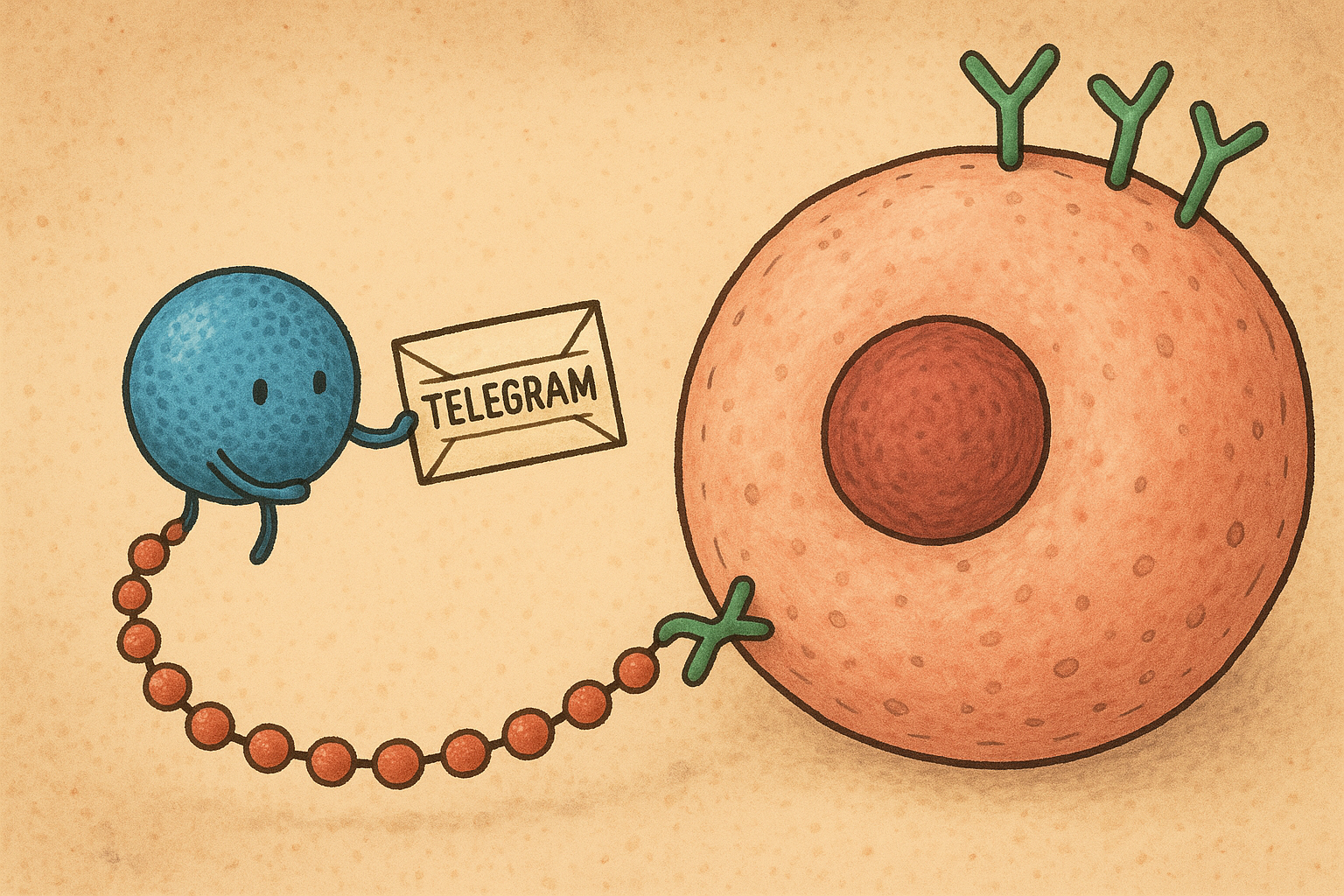
Peptides are revolutionizing wellness, from fat loss to anti-aging. Explore their science, applications, and future in this deep dive.
Peptides are tiny messengers in your body, telling cells what to do. They're changing medicine, helping with weight loss, making skin look better, boosting energy, and even slowing aging. These little helpers, like those in popular weight-loss shots, are being studied for many health issues. While exciting, we're still learning about their full effects and how to use them safely.
What are peptides and how do they impact health?
Peptides are microscopic amino acid sequences that act as "text messages" within the body, instructing cells to perform various functions like growth, burning sugar, or self-destruction. They are revolutionizing medicine by offering new ways to manage weight, improve skin, boost stamina, and extend lifespan, with applications ranging from GLP-1 agonists for weight loss to compounds for injury repair and anti-aging.
Get Cape Town news in your inbox
Stay updated with the latest stories from the Mother City.
Mini-Molecules, Maxi-Impact: The Quiet Takeover of Modern Medicine
Peptides - once confined toto dense biochemical appendices - now appear in Sunday-morning group chats and at rooftop pool parties. They are not a fleeting wellness slogan but the engine of a global rethink about weight, reproduction, skin, stamina and lifespan. Each sequence is a microscopic text message that slips into a matching receptor and tells a cell to grow, burn sugar, shut down or self-destruct. Nature has spent almost four billion years perfecting this postal network, and the human genome alone holds around seven thousand known peptide genes plus a shadow library of ten times that number still hiding in untranslated DNA.
The current surge is not the birth of a trend; it is the rediscovery of ancient biology. What is entirely new is speed and price. Machines that once demanded a Swiss laboratory now sit on factory floors churning out 99-percent-pure 10-mers for twelve dollars a gram - down from twelve hundred in 1990. Smart pen-injectors that used to frighten diabetics now slip into handbags next to lip gloss. Consumers who grew up on protein shakes are perfectly willing to order weekly pharmaceuticals with the same thumb taps they use for groceries.
Burning Fat Without Losing Muscle: GLP-1 Agonists and Their Follow-On Guardians
Semaglutide and tirzepatide - the names behind Ozempic, Wegovy and Mounjaro - copy incretins, the intestinal hormones that fire the moment food crosses the stomach gates. By latching onto receptors on pancreatic β-cells they amplify insulin only when glucose is actually high, slow stomach emptying and calm the appetite switch in the hypothalamus. In landmark trials, once-weekly semaglutide trimmed nearly fifteen percent of body weight in sixty-eight weeks; tirzepatide, which also taps GIP pathways, pushed the figure past twenty-two percent. The conversation has therefore shifted from “eat less, run more” to “reset the neuro-endocrine thermostat.”
Aggressive dieting usually cannibalises muscle. To block this side-effect, investigators are testing Humanin, MOTS-c and irisin analogues - peptides that persuade the body to preferentially torch fat while sparing quadriceps. GLP-1 drugs are also being quietly redeployed against alcohol and cocaine cravings, early Alzheimer’s and polycystic ovary syndrome; in a Danish study two-thirds of adolescents with PCOS resumed ovulation after three months of short-acting liraglutide.
Fueling the Powerhouse: NAD+ and the Cellular Energy Renaissance
Nicotinamide adenine dinucleotide is technically a small dinucleotide, not a peptide, yet the enzymes that balance its supply - NAMPT, SIRTs, PARP-1 - are all polypeptides. NAD+ shuttles electrons through glycolysis, the Krebs cycle, fatty-acid oxidation and the electron-transport chain. By age sixty the average adult has only forty percent of the NAD+ present at twenty. That plunge lines up with shredded mitochondrial membranes, slower DNA repair and shrinking muscles.
Three tactics currently battle for shelf space:
- Precursor loading (nicotinamide riboside and mononucleotide, oral capsules).
- Direct infusion (750 mg intravenous NAD+ over ninety minutes).
- Enzyme blockade (apigenin and quercetin to quiet CD38 and PARP, the cellular NAD+ “tax collectors”).
A 2022 crossover study at Brigham and Women’s Hospital showed that a single 250 mg IV push raised blood NAD+ 2.6-fold in two hours, boosted brain oxygen extraction eleven percent, doubled PGC-1α and dropped inflammatory cytokines nearly twenty percent. Subjects described a mood lift reminiscent of low-dose lithium, an effect reproduced from London lounges to Los Angeles clinics. Executives already spending two thousand dollars a month on growth-hormone secretagogues see the six-hundred-dollar drip as bargain protection.
Skin, Muscle, Injury, Desire: Copper Codes, Senolytic Darts and Bedroom Peptides
GHK-Cu - a copper-charged three-amino acid bundle discovered in human plasma in 1973 - operates as a construction foreman for collagen, elastin and blood vessels. At micromolar concentrations it turns on nearly six out of ten genes that build the extracellular matrix while muting more than a third of the inflammatory roster. A 2021 split-face trial delivered 0.2 percent liposomal GHK-Cu to one cheek for twelve weeks; ultrasound showed an eighteen percent rise in dermal density, mRNA for type-I collagen jumped three-fold, and wrinkle depth shrank fourteen percent. Systemic dosing in mice - two milligrams per kilogram - lengthened median lifespan eight percent but vanished when the copper-binding site was scrambled, proving the metal-ion handshake is essential.
Injured tendons and ulcers are getting their own peptide toolbox. BPC-157, a fifteen-mer fragment from gastric juice, knits tendon to bone, re-opens blood vessels and heals leaky guts. At ten micrograms per kilogram, rodents closed a four-millimeter bone gap in three weeks - twice the speed of saline controls. Thymosin-β4, a 43-amino acid actin-binding protein, is in Phase II trials for pressure ulcers and macular degeneration; athletes claim half the hamstring re-tear rate when they add two milligrams of recombinant TB4-Active to eccentric-rehab protocols.
FOXO4-DRI carries a darker mission: it ruptures the handshake between FOXO4 and p53, pushing senescent cells into programmed death. Mice treated at five milligrams per kilogram cleared seventy percent of aged kidney cells, regrew glossy fur, boosted kidney filtration twenty-five percent and lived eight percent longer. Boutique clinics now offer three-day “senolytic retreats” that alternate FOXO4-DRI shots with NAD+ drips and hyperbaric oxygen; forty-two self-trackers have published spreadsheets showing stable creatinine and eGFR, but no peer-reviewed human trials exist.
Fertility and libido peptides round out the portfolio. Kisspeptin-54 reignites LH pulses in men whose pituitaries have gone quiet; six-point-four nanomoles per kilogram lifted testosterone from 6.2 to 13.8 nmol/L in ninety minutes. PT-141, a tweaked α-MSH loop, flips melanocortin-4 receptors that kindle desire in both sexes; a 1.75-milligram shot granted premenopausal women an 86 percent jump in satisfying sexual episodes and gave men stubborn to Viagra four-to-six-hour erections within forty-five minutes.
Needles in the Wild West: Delivery Tech, Regulation and the Fog of Unknown Risks
Peptides are fragile: ultraviolet light, gamma rays, temperatures above 40 °C or a short trip through stomach acid leaves them shredded. Daily reality is therefore a 31-gauge, five-millimeter pen that deposits half a millilitre into the belly fold. Boutique methods - liposomes, intranasal spritzers, buccal lozenges - exist but remain niche.
Legality is a checkerboard. The U.S. FDA tolerates most sequences as “bioidentical” under Section 503A compounding rules; the EU labels anything shorter than ten residues as a medicine needing full licensure; South Africa exempts strings under fifty residues if they travel from physician to patient. The upshot: NAD+ lounges bloom next to Los Angeles yoga studios, FOXO4-DRI arrives in Dubai via WhatsApp courier, and Shanghai vending machines sell semaglutide pens beside probiotic yogurt.
Toxicology still wears diapers. GLP-1 agonists warn of pancreatitis, gallstones and, more recently, gastroparesis risky during anaesthesia. Rodents on extreme semaglutide doses grow medullary thyroid tumours - human relevance is debated but endocrinologists check calcitonin yearly. NAD+ overkill can trigger flushing, palpitations and, theoretically, hepatic nicotinamide toxicity. Growth-hormone stimulators may push IGF-1 above the upper limit, inviting oncologists to scan prostates, colons and whole bodies. Systemic GHK-Cu overdosed dogs show liver enzyme spikes, and FOXO4-DRI deletes normal tubular cells alongside senescent ones in kidneys of aged mice.
Tomorrow’s Alphabet: AI-Designed Libraries, Photo-Switchable Drugs and the Post-Protein Age
Machine-learning models trained on the entire UniProt archive have already dreamed up 1.2 million theoretical 10-to-20-mers predicted to dock human G-protein-coupled receptors with nanomolar accuracy. Cloud laboratories such as GenScript and Twist will synthesise and screen a thousand of them every week. The newest trick is “programmable half-life”: add a photocleavable cage that disintegrates after an eight-minute burst of 650-nanometre red light, producing youthful pulsatile delivery with a bedside flashlight.
Gene-editing teams are stitching CRISPR-peptide hybrids that home to pancreatic β-cells and secrete incretins when glucose sinks too low - an organic, self-monitoring artificial pancreas. Venture capital now pumps 2.3 billion dollars a year into peptide start-ups, a funding flood not seen for antibodies in 2005. The molecules that once huddled in textbook margins are rewriting biology in real time, one sub-cutaneous whisper at a time.
What are peptides and how do they impact health?
Peptides are tiny chains of amino acids that act as messengers within the body, instructing cells to perform various functions. They are profoundly impacting medicine by offering new ways to manage weight, improve skin, boost energy, and even slow aging. Their applications range from GLP-1 agonists for weight loss to compounds for injury repair and anti-aging.
How have peptides become more accessible and affordable?
What's new is the speed and affordability of peptide production. Machines that once required specialized laboratories can now mass-produce 99-percent-pure peptides at a significantly lower cost. For example, a 10-mer peptide that cost $1,200 per gram in 1990 is now available for $12. This, coupled with easier administration methods like smart pen-injectors, has made them more accessible to consumers who are already comfortable with ordering pharmaceuticals.
How do GLP-1 agonists work for weight loss and beyond?
GLP-1 agonists like semaglutide (Ozempic, Wegovy) and tirzepatide (Mounjaro) mimic intestinal hormones called incretins. They work by amplifying insulin release when glucose is high, slowing stomach emptying, and suppressing appetite. This mechanism has shifted the weight loss conversation from simple caloric restriction to resetting the body's neuro-endocrine thermostat. Beyond weight loss, these drugs are being explored for treating alcohol and cocaine cravings, early Alzheimer's, and polycystic ovary syndrome, with promising results in some studies.
What role does NAD+ play in cellular energy and aging?
Nicotinamide adenine dinucleotide (NAD+) is a crucial coenzyme involved in energy production pathways like glycolysis and the Krebs cycle. As we age, NAD+ levels decline significantly, contributing to mitochondrial damage, slower DNA repair, and muscle loss. Strategies to boost NAD+ include precursor loading (oral capsules), direct intravenous infusions, and enzyme blockade to prevent NAD+ degradation. Studies have shown that increasing NAD+ can improve brain oxygen extraction, boost beneficial proteins, and reduce inflammation.
What are some advanced applications of peptides for skin, injury, and sexual health?
Peptides are being utilized in various advanced applications. GHK-Cu, a copper-charged peptide, acts as a 'construction foreman' for skin, promoting collagen, elastin, and blood vessel formation, leading to increased dermal density and reduced wrinkles. For injuries, BPC-157 helps with tendon repair and gut healing, while Thymosin-β4 is being studied for ulcers and macular degeneration. For sexual health, Kisspeptin-54 can reignite LH pulses and boost testosterone, and PT-141 can activate desire receptors in both men and women, even for those unresponsive to other treatments.
What are the challenges and future directions for peptide medicine?
Peptides are fragile and require specific delivery methods, often relying on subcutaneous injections. Regulatory landscapes vary globally, creating a 'checkerboard' of legality. Toxicology is still in its early stages, with potential side effects like pancreatitis and thyroid tumors for some peptides, and kidney toxicity for others. The future of peptide medicine is exciting, with AI-designed peptides, programmable half-lives, and CRISPR-peptide hybrids offering the promise of highly targeted and personalized treatments, attracting significant venture capital investment.

Oliver Daniels is a Cape Town journalist who chronicles the intersection of food, migration and identity in South Africa's kitchens—from wood-fired Gugulethu braai spots to Constantia vineyards. Born and raised on the slopes of Devil’s Peak, he still starts each week with a dawn walk across Table Mountain to catch the first Atlantic light before filing copy.
View all articles →