
Fuel price surge drives South African inflation to 4.5%
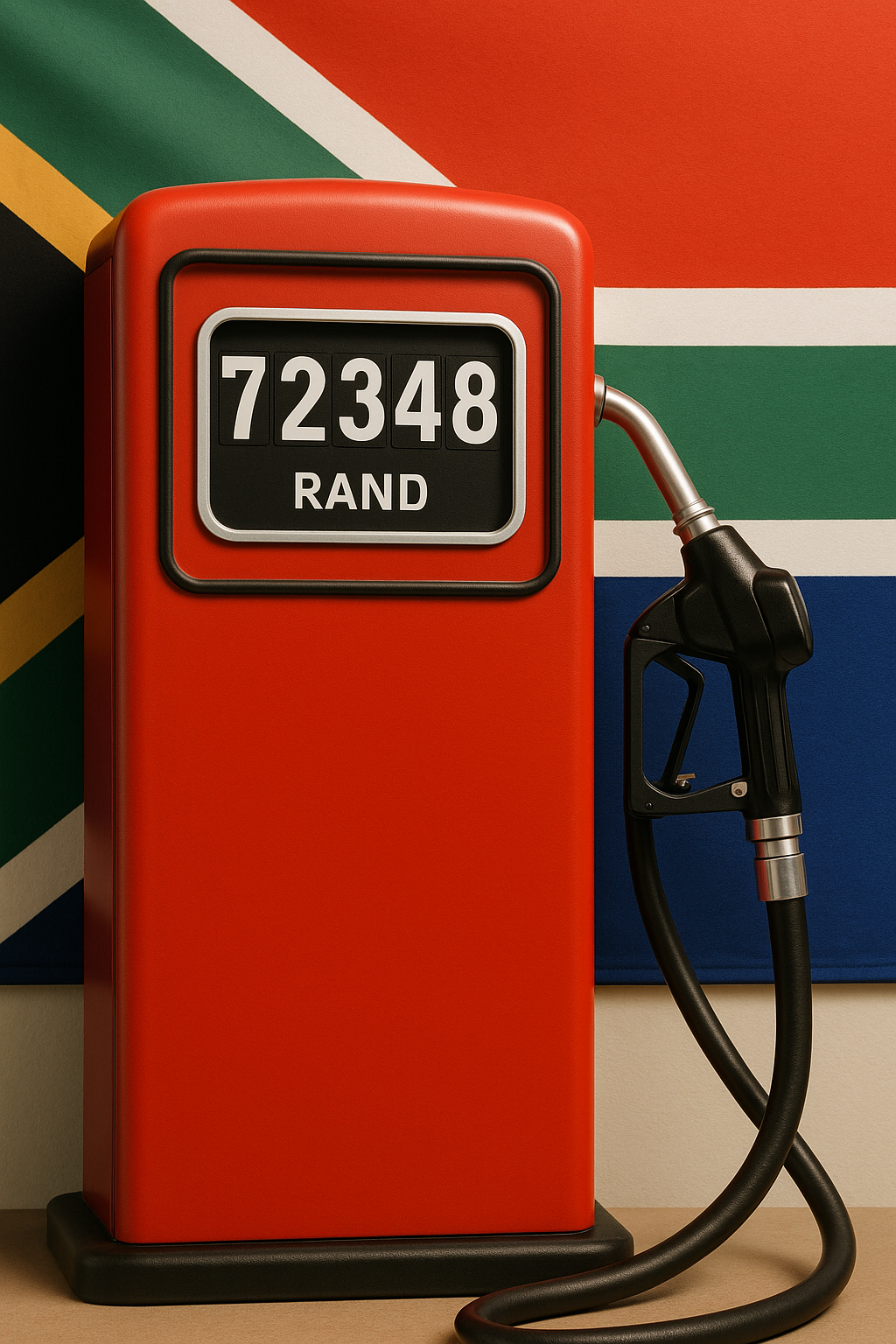
SA's inflation hits 4.5% due to fuel shock. This surge impacts households, businesses & policymakers, leading to potential rate hikes.
South Africa's prices shot up by 4.5% in May 2026, the fastest in two years! This big jump was mostly because fuel, like petrol and diesel, got super expensive. Even though food prices went down a bit, everyone, especially poor families and businesses, is feeling the pinch. The government is now trying to figure out how to help without making things worse for the economy.
What caused South Africa's CPI to rise to 4.5% in May 2026?
South Africa's Consumer Price Index (CPI) rose to 4.5% in May 2026, primarily driven by a significant surge in fuel prices. Unleaded petrol increased by 24.8% year-on-year, and diesel by 53.8%, contributing nearly one-third of the total inflation lift. Food inflation, however, decreased due to a record maize harvest and a stronger rand.
Get Cape Town news in your inbox
Stay updated with the latest stories from the Mother City.
1. The Macro Pulse – Inflation Awakens
South Africa’s headline consumer price gauge punched up to 4.5 % in May 2026, its steepest reading in twenty-four months. The leap from April’s 4.0 % marks the biggest monthly jump since the mid-2023 energy scare and leaves the print only a hair below the Reserve Bank’s six-percent ceiling. Measured month-to-month, prices added 0.7 %; annualised, that clip tops 8 % if it lingers.
Strip out meals, drinks, electricity and petrol and the core index refuses to budge at 3.7 %. The message is blunt: the flare-up is almost entirely imported energy, not domestic overheating.
2. Engines of the Spike – Sector Deep Dive
2.1 Transport and Liquid Fuels
Unleaded petrol is 24.8 % dearer than a year ago and climbed 14.3 % in May alone. Diesel, the workhorse of freight and farming, soared 53.8 % year-on-year and matched the 14.3 % monthly jump. This single category pumped 1.4 percentage points into the headline figure - close to one-third of the total lift.
Transnet Freight Rail has now declared a 9.2 % tariff rise for July, blaming diesel surcharges. Hauliers pass the bill on to supermarkets; winter-grade diesel inventories are priced off Brent at near-record levels, so shelf-restocking costs are projected to rise another 5–7 % before spring.
2.2 Food and Soft Drinks
By contrast, groceries have moved from villain to bystander. The food-and-non-alcoholic-drinks basket slid from 2.9 % in April to 1.9 % in May, well under the 5.7 % peak hit last July. Historically, food and fuel march in step 73 % of the time, so this break ranks as unusual.
The cool-down is led by grain (-1.4 %), fruit (-8.5 %) and vegetables (-6 %). A record maize harvest - 17 % above the five-year trend - has flooded silos, while steadier rains in Limpopo and the Western Cape have soothed prices. Rand appreciation (from 19.4 to 17.5 per dollar) clipped import-parity tags on wheat and rice.
Yet pockets of firmness remain. Milk and cheese nudged up 0.9 % as higher diesel feed-truck costs nipped margins. Tea drinkers now shell out 7–8 % more for both Ceylon and rooibos, the former hit by rupee weakness and the latter by 2025 drought damage in the Cederberg.
3. Global Crude and the Rand Channel
Crude oil scalped 26 % in barely two months - USD 74 in March to USD 93 by late May. OPEC+ extended output quotas through August while a drone strike on a Kuwaiti refinery tossed in a fresh risk premium. South Africa’s fuel formula lags the spot market by about four weeks, so June’s additional five-dollar lift will not show until July’s inflation print.
Currency markets have taken notice. The rand’s recent firming could evaporate if the Fed keeps rates “higher for longer.” Swaps now see a 72 % chance of a half-point hike at the July MPC meeting, up from 38 % before the CPI release.
4. Household Fallout – From Minibus Taxis to Grocery Baskets
4.1 Who Feels It Most
Transport swallows 28 % of the poorest fifth’s spending but only 11 % of the richest quintile, making the shock sharply regressive. Gauteng commuters endured a 6.8 % minibus-taxi fare jump in May and have been warned of another 9 % on 1 August.
Supermarket scanners reveal buyers swapping discretionary snacks for basics. Pick n Pay and Shoprite volumes in crisps and chocolates fell 8–10 % last month while fresh-produce sales stayed flat - classic evidence of belt-tightening.
4.2 Credit and the Savings Buffer
TransUnion’s latest survey shows unsecured loan balances up 13 % year-on-year; four in ten new borrowers blame “getting to work and the shops.” The household saving ratio slid below zero for the first time since mid-2020, printing -0.6 % of disposable income.
5. Corporate Battle Stations
5.1 Logistics and Manufacturing
Eskom’s open-cycle gas turbines will guzzle an extra R4.7 billion of diesel this fiscal year under base-case burn rates. At Clicks, backup gensets now chew 1.2 % of store operating costs, double the prior year.
Sasol’s synthetic-fuel plant at Secunda, however, is in the money. Every dollar on Brent lifts export-parity realisations above its domestic cost-plus regime. Analysts pencil in a R2.1 billion windfall, cushioning weaker chemical margins.
5.2 Airlines
Comair 2.0 had the good sense to hedge 35 % of its third-quarter jet-kerosene at USD 86/bbl. Ticket prices still need to rise 12–15 % to maintain load factors, which managers now expect to fall from 83 % to 78 % on domestic trunk routes.
6. Policy Levers – Thin Ammunition
National Treasury can trim a further 10–12 cents per litre from the RAF levy if oil stays under USD 95; once breached, the cushion disappears and the deficit could overshoot 4.2 % of GDP.
The MPC faces a devil’s bargain. Model runs say a 50-basis-point lift knocks 0.3 percentage points off headline CPI within a year but shaves half a point from already fragile growth. Governor Kganyago insists expectations stay anchored “only if we act,” yet hiking into a shrinking Q1 (-0.4 % q-o-q) courts stagflation.
Structural fixes - more cash for urban rail and BRT - are on the table, but Treasury wants municipalities to cut operating subsidies by almost a third first. Gautrain has shelved expansion plans until the dust settles.
7. Street-Level Stories and Small Signals
Second-hand cars are no longer flying off the lot. TransUnion’s used-vehicle index eased from 8.6 % to 7.9 %; the average odometer reading climbed 12 % as owners cling to their wheels.
Meanwhile, a cup of tea has become the quiet indulgence. Comfort-beverage inflation historically outruns the headline gauge when real wages fall, and rooibos and Ceylon are already 7–8 % dearer.
Solar economics also tilt in favour of rooftops. At current diesel prices, on-site gensets cost more than new commercial PV once they run 10 500 hours a year - a threshold many factories with two-shift models now hit. SAPVIA expects a 1.2 GW surge in corporate installs in 2026, 40 % above last year.
8. Three Futures – From Relief to Nightmare
Scenario A – Oil Plateau (USD 90 ± 5)
Headline CPI edges to 5.1 % in the third quarter before settling near 4.6 % by December. One July rate rise suffices, and growth limps at 1 % for the year.
Scenario B – Gulf Shock (USD 110–120)
Inflation breaches 6 % in July and peaks near 6.7 % in October. The SARB slams on 125 basis points by September, the rand buckles to 19.5/USD and the economy shrinks 0.3 %, pushing unemployment back toward 34 %.
Scenario C – Demand Collapse (USD 75)
Crude retreats as OECD consumption wilts. CPI fades to 3.8 % by December, the Bank stands pat, and the narrower import bill trims the current-account gap by nearly half a point of GDP.
9. Voices from the Ground
Thandiwe Mthembu, owner of a Soweto Shoprite, says weekly diesel deliveries have jumped from R12 000 to R18 500: “That extra rand kills my promo budget.” Sipho Nkosi, a Sandton metered-taxi driver, now runs a WhatsApp pool list - shared-ride demand is up 60 % in four weeks. And AgriSA economist Kulani Siweya notes that farmers who delayed fertiliser purchases now pay 15 % more for nitrogen on top of diesel surcharges.
What caused South Africa's CPI to rise to 4.5% in May 2026?
South Africa's Consumer Price Index (CPI) rose to 4.5% in May 2026, marking its fastest increase in two years. This surge was primarily driven by a significant spike in fuel prices. Unleaded petrol increased by 24.8% year-on-year and 14.3% in May alone, while diesel soared by 53.8% year-on-year and also jumped 14.3% monthly. This transport category alone contributed nearly one-third of the total inflation increase. Although food inflation decreased due to a record maize harvest and a stronger rand, the overwhelming impact of fuel costs pushed the overall CPI higher.
How does the increase in fuel prices specifically impact households and businesses?
The increase in fuel prices has a regressive impact, disproportionately affecting poorer households. Transport costs consume 28% of the poorest fifth's spending compared to 11% for the richest. Minibus taxi fares, a common mode of transport for many, saw a 6.8% jump in May with another 9% expected. For businesses, especially those in logistics and manufacturing, higher diesel costs lead to increased operational expenses. Transnet Freight Rail declared a 9.2% tariff rise, and fuel surcharges are projected to increase shelf-restocking costs by another 5–7%. Even retail chains like Clicks are seeing backup generator costs double. Airlines like Comair need to raise ticket prices by 12–15% to offset higher jet-kerosene costs, potentially leading to lower passenger loads.
Why did food inflation decrease despite the overall CPI increase?
Food inflation decreased from 2.9% in April to 1.9% in May, acting as a counter-balance to the rising fuel prices. This unusual break from the typical co-movement of food and fuel prices is attributed to several factors. A record maize harvest, 17% above the five-year average, led to an abundance of grain. Steadier rains in Limpopo and the Western Cape also helped stabilize fruit and vegetable prices, leading to decreases of 8.5% and 6% respectively. Furthermore, the appreciation of the rand against the dollar (from 19.4 to 17.5) reduced import-parity tags on commodities like wheat and rice.
What are the potential policy responses to this inflation, and what are their challenges?
Policymakers face a difficult situation. The National Treasury could trim an additional 10–12 cents per litre from the Road Accident Fund (RAF) levy if oil prices remain below USD 95, but this cushion disappears if crude goes higher, potentially pushing the deficit over 4.2% of GDP. The Monetary Policy Committee (MPC) is considering a rate hike, with models suggesting a 50-basis-point lift could reduce headline CPI by 0.3 percentage points within a year. However, this could also shave half a point from already fragile economic growth, risking stagflation given a shrinking Q1 economy (-0.4% quarter-on-quarter). Structural fixes like increasing funding for urban rail are also on the table, but require municipalities to cut operating subsidies first.
How are consumers and businesses adapting to the higher costs?
Consumers are showing signs of belt-tightening, swapping discretionary snacks for basic necessities, with crisps and chocolate volumes falling 8–10% at major retailers. The household saving ratio has dipped below zero for the first time since mid-2020, and unsecured loan balances are up 13% year-on-year, with many borrowers citing

Isabella Schmidt is a Cape Town journalist who chronicles the city’s evolving food culture, from Bo-Kaap spice merchants to Khayelitsha microbreweries. Raised hiking the trails that link Table Mountain to the Cape Flats, she brings the flavours and voices of her hometown to global readers with equal parts rigour and heart.
View all articles →