
Global flight disruptions linked to escalating tensions in the Middle East
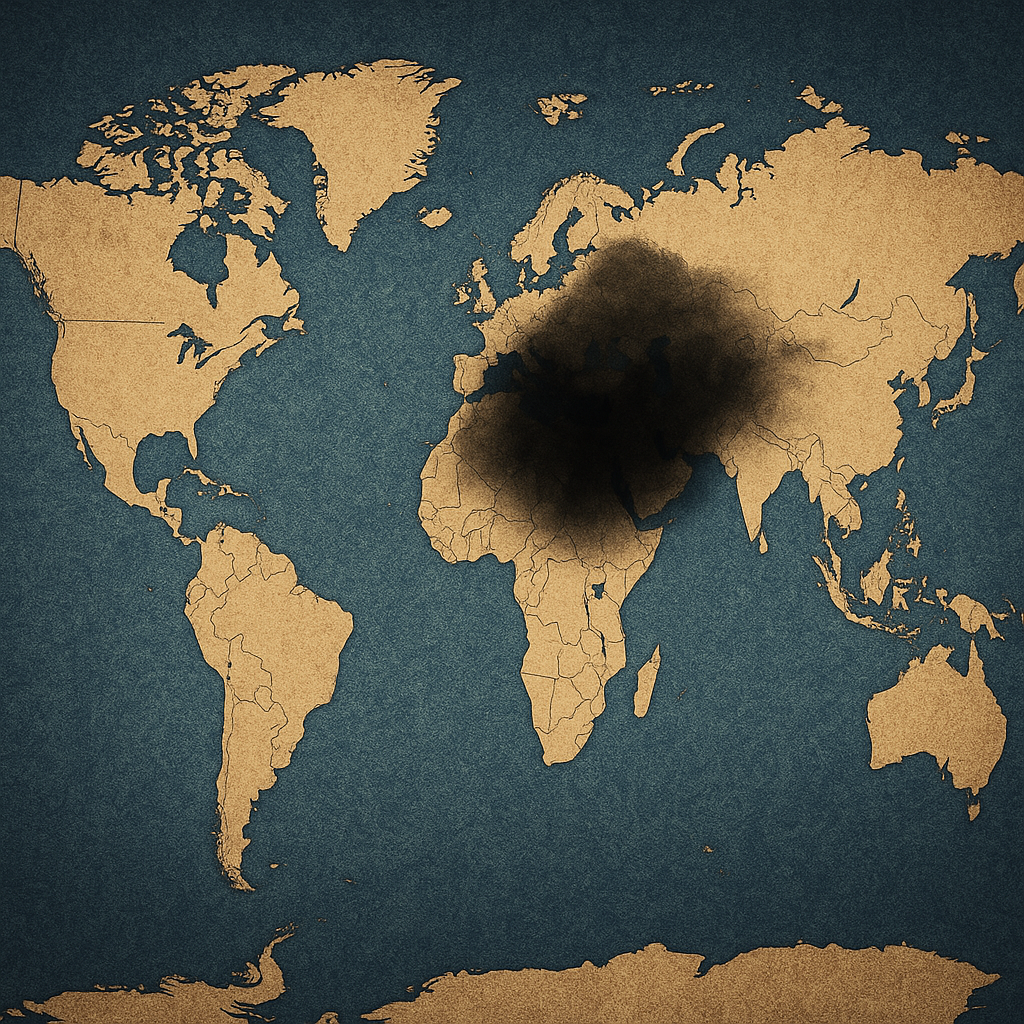
Middle East tensions close airspace, stranding travelers and impacting Cape Town's tourism. Airlines reroute, locals adapt, and the economic fallout is significant.
A single rocket over the Persian Gulf shut down airspaces, turning global flight paths into a tangled mess. This caused huge problems for Cape Town, leaving thousands of travelers stuck and hurting its tourism. Airlines had to find new, longer routes, and locals helped stranded visitors. Cape Town, facing this big challenge, showed its amazing spirit by adapting and helping everyone, proving it's a city that never gives up.
What caused the disruption to flights over the Persian Gulf in 2026?
A single rocket fired over the Strait of Hormuz on February 26, 2026, at 03:14 UTC, caused several Middle Eastern countries to close their airspace. This immediate closure created a significant air bridge disruption between Europe and Asia, leading to widespread flight diversions and cancellations affecting global air travel.
Get Cape Town news in your inbox
Stay updated with the latest stories from the Mother City.
The Domino that Toppled 08:00 in Arabia
26 February 2026, 03:14 UTC. A single contrail blooms above the Strait of Hormuz and, within the time it takes to soft-boil an egg, Bahrain, Saudi Arabia, the Emirates, Qatar and Oman slam their skies shut. Jordan, Iraq and Egypt follow suit, posting emergency NOTAMs that snap shut the main air bridge linking Europe and Asia. At that instant 347 jets are already aloft over the Peninsula; their diversion turns the global route map into spaghetti.
Cape Town International wakes to the after-shock. Before sunrise the Victorian warehouse on Bree Street that houses the city’s tourism nerve-centre is humming: twenty-two staff, four mobile networks, WhatsApp on fire. Their mission: hunt down every soul booked through Gulf hubs during the next fortnight. The Mother City’s R53 billion visitor economy - still limping from Covid-19 and a 2024 bird-flu export ban - cannot stomach another punch. Early spreadsheets deliver the grim news: 11,400 foreigners heading in, 9,800 locals heading out, tickets stamped Emirates, Qatar, Etihad, FlyDubai, SAUDIA, El Al, Turkish, Ethiopian and even LATAM’s Santiago–Tel Aviv–Joburg triangle loved by South American backpackers.
Emirates, CPT’s biggest foreign carrier with three super-jumbo arrivals a day, grounds its entire southern Africa programme for 72 hours. 1,900 passengers find themselves involuntary citizens of the Southern tip - 1,200 trying to get back to Europe, the rest bound for Thailand, Vietnam, Australia. Qatar’s axe falls next: 850 students holding the cheap CPT–Doha–Bangkok fare that fuels every Thai-island semester are marooned. FlyDubai’s 737-MAX to Harare via Victoria Falls - popular with Zimbabwean families lugging 40 kg of Christmas luggage - also vanishes from the boards.
Inside the Terminal: From Check-in to Camp Site
By breakfast the departure screen looks like a crime-scene photo: QR1370, EK773, EK779, TK8155, ET846 all bleeding red. Businessmen in tailored suits unroll camping mats where backpackers once slept. Vida e caffè runs out of beans at 09:30; Mugg & Bean’s croissants last only forty minutes longer. A German family plugs an induction stove beside the prayer room and starts poaching Frankfurters until security gently confiscates the saucepan. ACSA’s Lindelwa Grootboom triggers “Code Purple,” a playbook written for stage-six load-shedding but now repurposed: 180 extra cleaners, fourteen mobile shower cubicles, two trauma counsellors trained for travel anxiety, concession stands told to stay open round the clock.
The disruption ripples beyond the terminal. A Stellenbosch winery has seventeen pallets of pinotage circling Doha’s cargo apron on a Qatar belly-hold; demurrage clocks USD 110 a day while Ramadan banquets draw nearer and the grapes edge toward raisins. Microsoft South Africa reshuffles 214 cloud-summit delegates onto a Delta–Air France chain through Atlanta, adding eleven hours each way yet sheltered by a force-majeure clause. Smaller firms lack that luxury: their travellers either swallow the reroute or stay home.
Strangely, hotel beds fill instead of empty. Strand Tower on lower Bree reports 97 % occupancy by Tuesday night, up from 62 % the week before. GM Nombulelo Mdingi launches a “stranded-traveller” tariff - ZAR 1,050 B&B, 30 % off rack - while laundry teams wash the same pair of socks three nights running. Uber surge-prices triple before Bolt airlifts 120 extra drivers with guaranteed ZAR 250 per airport hop. Even the municipal MyCiTi A01 records a 21 % spike, forcing the city to roll out New-Year-Eve “bendy-buses” on a random February weekday.
Airlines Improvise: Detours, Deals and Desperate Work-Arounds
South African Airways, freshly out of business rescue, suddenly looks clever: its new A350-900s reach São Paulo and Perth without ever kissing Arabian sand. Within hours the carrier dumps 2,800 emergency seats online and slices 18 % off the fare. The website folds twice under the onslaught. LATAM retimes its Santiago flight to marry a Rio connector; Air France-KLM bolts two extra A330 “mercy departures” onto the schedule; Turkish quietly borrows a Hi-Fly A380 and sends CPT–İstanbul over the Mediterranean, happily burning an extra 2.4 tonnes of Jet-A and 73 minutes of daylight to keep the link alive.
For travellers outside the corporate safety net, insurance small-print becomes a dagger. Canadian coder Brent Hossack bought a QR512 Cape Town–Doha–Tokyo ticket for USD 612; the Cypriot OTA’s chatbot says “force majeure, no refund.” World Nomads, citing “state-level military engagements,” likewise declines. His escape window: a last-minute SAA seat to Perth (USD 1,900) plus Scoot to Osaka (another USD 740), all while clutching a ZAR 98 box of Disprin from the airport pharmacy.
Cruise ships smell profit. MSC repositions the aptly named MSC Muscat from the Gulf to Cape Town, hawking a 21-night Namibia–Ghana–Canary Islands–Lisbon hop at USD 1,899 per balcony couple. It sells out in 36 hours. Cunard teases a 15 March “mystery voyage” on Queen Mary 2, destination whispered to be Southampton; 1,400 people queue for cabins starting at USD 3,400 inside - no balcony, no regrets.
Digital life fills the physical void. Zoom uptake in South Africa jumps 31 % in three days; Vineyard Hotel turns its ballroom into a satellite hub for “hybrid safaris,” piping live Kruger drone feeds to delegates who cannot reach the bush. Table Mountain Cableway straps 8K headsets on grounded tourists, selling cloud-level sunset streams for those unwilling - or unable - to ride the cable car itself.
Rand Swings, Rulebooks Rewritten, and a City that Refuses to Close
Currency desks feel the whiplash. Each cease-fire rumour, even if born on a TikTok meme, jerks the rand 15 cents against the dollar. German visitors queue at Waterfront forex booths to buy ZAR at 19.40, gambling on an 18.00 snap-back that would gift a 7 % profit in 48 hours. Backpacker hostels in Observatory spawn WhatsApp “ZAR Arbitrage Lounges” where screenshots of off-ledger forward contracts circulate like concert tickets.
Regulators scramble to keep metal in the sky. SACAA orders any wide-body crossing the Indian Ocean to tanker an extra ninety minutes of fuel and pack life-rafts for 125 % of occupants - tacit admission that polar detours are the new normal. Perth sets a local record with 47 unscheduled heavies in 36 hours, lining taxiway Bravo like oversized ornaments while passengers bus 4 km to immigration.
Yet Cape Town does what Cape Town does - turns crisis into cottage industry. Tour guides flog a five-hour “Stuck in Cape Town” package: red-bus ticket, craft-gin flight, township cooking lesson, sunset SUP session, ZAR 890 pp, Airbnb pickup included. TripAdvisor explodes with 4.8-star raves; one user begs the city to cancel her onward flight forever. Thai spa students trade foot massages for meal vouchers, Bavarian pilgrims serenade Gate A15 with Bach, and an Orthodox consortium investigates a privately funded 787 that would ghost down the Indian Ocean and skirt Antarctica - reviving a 1973 Yom Kippur route.
As runway 19 stays flood-lit through another southern night, no one can name the day the Gulf will reopen. Models hint, rumours swirl, diplomats talk. Until then Cape Town keeps the kettle on, the Sauvignon pouring and the welcome mat unfurled - proof that even when the world closes one door, somewhere at the edge of Africa a window is wedged firmly open.
What caused the flight disruptions in February 2026?
A single rocket fired over the Strait of Hormuz on February 26, 2026, at 03:14 UTC, led to the immediate closure of airspace by several Middle Eastern countries including Bahrain, Saudi Arabia, the Emirates, Qatar, Oman, Jordan, Iraq, and Egypt. This created a significant disruption to the main air bridge linking Europe and Asia, forcing widespread flight diversions and cancellations.
How many travelers were affected in Cape Town?
Cape Town's tourism nerve-centre estimated that approximately 11,400 foreigners were scheduled to arrive and 9,800 locals were scheduled to depart via Gulf hubs in the two weeks following the incident. Major carriers like Emirates grounded their entire southern Africa programme for 72 hours, affecting 1,900 passengers, while Qatar left 850 students stranded.
What immediate actions did Cape Town International Airport take to manage the crisis?
Cape Town International Airport implemented "Code Purple," a contingency plan initially designed for severe load-shedding, to handle the influx of stranded passengers. This included deploying 180 extra cleaners, fourteen mobile shower cubicles, two trauma counsellors for travel anxiety, and ensuring concession stands operated around the clock. Businesses within the airport, like Vida e caffè and Mugg & Bean, quickly ran out of supplies due to high demand.
How did local businesses and services in Cape Town adapt to the situation?
Local businesses showed incredible adaptability. Hotels like Strand Tower reported 97% occupancy and offered a discounted "stranded-traveller" tariff. Uber surge prices tripled, leading Bolt to air-lift 120 extra drivers. The municipal MyCiTi bus service saw a 21% spike in usage, requiring the deployment of New Year's Eve "bendy-buses." Furthermore, tour guides quickly created a "Stuck in Cape Town" package.
How did airlines improvise new routes and services?
Airlines quickly sought alternative routes. South African Airways, with its A350-900s, offered 2,800 emergency seats with an 18% fare reduction on its São Paulo and Perth routes, which do not cross the Persian Gulf. LATAM retimed its Santiago flight, while Air France-KLM added two extra A330 "mercy departures." Turkish Airlines even borrowed a Hi-Fly A380 to fly over the Mediterranean, burning extra fuel and time to maintain its Cape Town–Istanbul link.
What creative solutions emerged for stranded travelers and the tourism sector?
For those unable to fly, creative solutions emerged. Cruise ships like MSC's MSC Muscat and Cunard's Queen Mary 2 were repositioned to offer alternative sea voyages from Cape Town. Digital alternatives also thrived, with Zoom uptake jumping 31% and hotels offering "hybrid safaris" with live Kruger drone feeds. The Table Mountain Cableway even sold 8K headset sunset streams for grounded tourists, showcasing Cape Town's resilient and innovative spirit.

Aiden Abrahams is a Cape Town-based journalist who chronicles the city’s shifting political landscape for the Weekend Argus and Daily Maverick. Whether tracking parliamentary debates or tracing the legacy of District Six through his family’s own displacement, he roots every story in the voices that braid the Peninsula’s many cultures. Off deadline you’ll find him pacing the Sea Point promenade, debating Kaapse klopse rhythms with anyone who’ll listen.
View all articles →