
House of the Dragon Season 3 review buzz grows as SA fans struggle to stream it
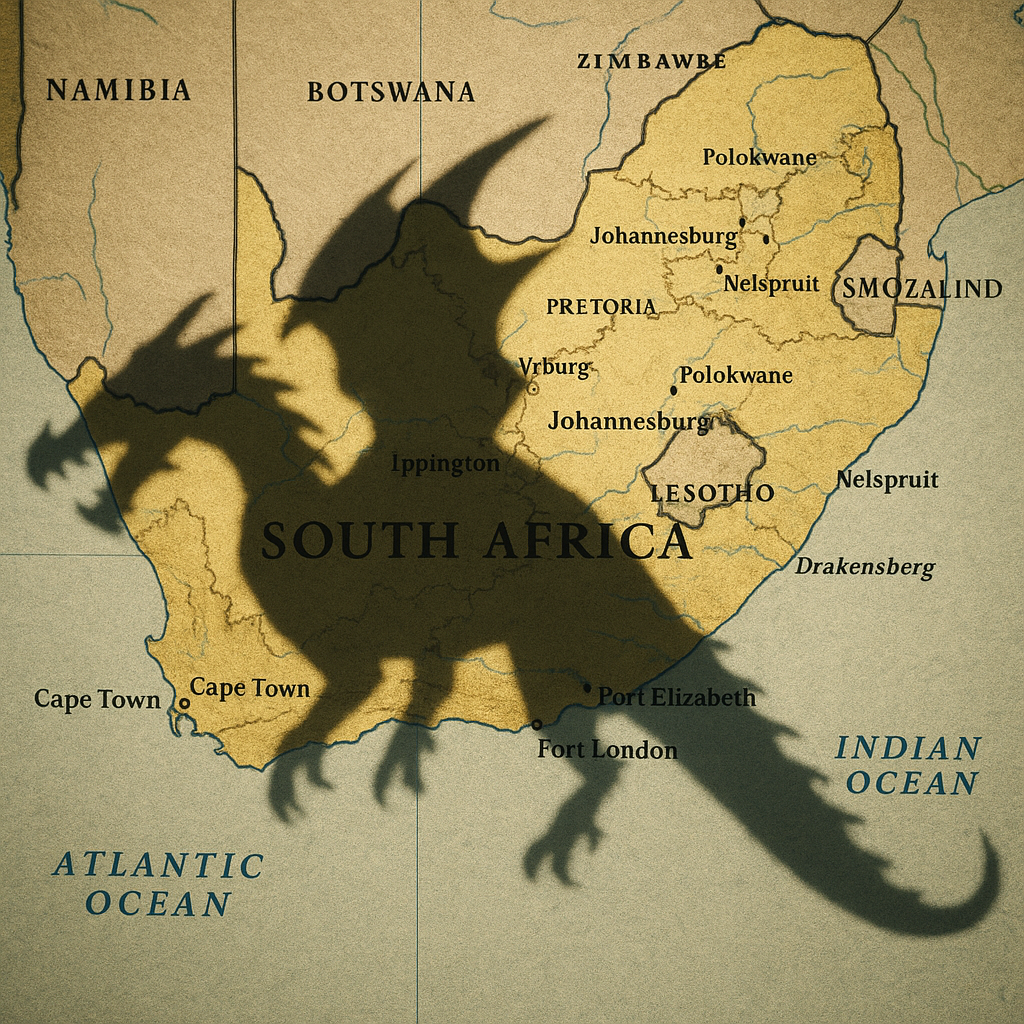
HotD S3 is a critical triumph, but South African fans face distribution chaos with no legal way to watch the acclaimed series.
The new season of House of the Dragon is amazing, everyone says so! It has huge dragon battles and great acting. But South African fans can't watch it legally because of problems with TV companies. This makes people very upset and they feel left out. They hope a new way to watch it will come soon.
Why can't South African viewers legitimately stream House of the Dragon Season 3?
South African viewers cannot legitimately stream House of the Dragon Season 3 due to the collapse of distribution deals following French media giant Canal+'s acquisition of Showmax, the former platform for HBO content. This corporate upheaval has left a temporary void in content access, with no confirmed timeline for a new consolidated streaming service.
Get Cape Town news in your inbox
Stay updated with the latest stories from the Mother City.
HBO's House of the Dragon returned on June 21, 2026, with its third season, and critics immediately hailed it as the show's finest hour. This prequel to Game of Thrones, which dramatizes the brutal Targaryen civil war called the Dance of the Dragons, has finally silenced the doubts that lingered after its uneven second season. Once again, the series stands among television's most gripping productions. Yet for one of its most passionate audiences, this success rings hollow. South African viewers currently find themselves locked out from any legitimate way to stream the show, revealing how quickly the complex machinery of global content distribution can break down during corporate upheaval.
A New Standard for Fantasy Television
The season launches with "Salt and Sea, Fire and Blood," an episode that wastes no time announcing its grander vision. The opening installment centers on an enormous naval engagement that reportedly took fourteen months to bring to screen, representing perhaps the most impressive technical achievement in television history. Rather than rushing through combat as so many streaming productions do, this confrontation stretches across the full premiere, blending human drama with massive destruction in a manner that honors HBO's legacy of ambitious storytelling.
Miguel Sapochnik, the director behind legendary Game of Thrones installments including "Hardhome" and "The Battle of the Bastards," came back to orchestrate this sequence. He brings his characteristic gift for weaving together small, personal moments with scenes of catastrophic devastation. The ocean setting breathes fresh life into the dragon combat that defines the franchise, pitting warriors against both their enemies and the merciless sea itself. Vessels explode and vanish beneath the waves while massive beasts circle overhead, their silhouettes crossing over terrified faces in shots that deliberately mirror classical seascapes - only reimagined for fantasy's spectacular vocabulary.
Episode two, titled "Queen's Landing," sustains this energy while steering the narrative into unexpected territory. Without revealing specific plot points, this installment resolves mysteries left dangling from earlier seasons and ignites new conflicts that threaten to expand the war far beyond its current scope. The writing team has clearly absorbed feedback about season two's rhythm, now delivering forward-moving stories that nonetheless preserve the careful attention to character psychology separating this show from lesser fantasy entries.
Actors Elevating Epic Material
Beneath all this visual splendor, the performances remain the foundation everything rests upon. Emma D'Arcy has reshaped Rhaenyra Targaryen from a reluctant heir into a battle-hardened commander, and this season pushes the actor into unexplored emotional territory marked by weariness and determination. D'Arcy's physical presence - especially how they embody Rhaenyra's growing military authority - communicates years of pain without needing explanatory dialogue. This work exists in tension with Olivia Cooke's Alicent Hightower, who has herself journeyed from manipulated figure to deliberate author of catastrophe.
The connection these performers have built through seasons of hostile encounters now carries authentic historical weight. Memories of their characters' past friendship, evoked through glimpses backward and spoken references, lend every clash a sorrowful resonance that exceeds the usual protagonist-antagonist formulas of genre entertainment. The surrounding cast - including Matt Smith's Daemon Targaryen, whose unpredictable force continues to unsettle every frame he occupies - preserves the reliability that has sustained the series through its occasional narrative wobbles.
When Distribution Deals Collapse
While viewers worldwide embrace this artistic achievement, South African enthusiasts confront an access emergency without precedent. The first two House of the Dragon seasons, together with every episode of Game of Thrones, reached Showmax within a day of international debut - an arrangement that positioned South Africa as one of Africa's rare markets with immediate HBO access. That system disintegrated when Showmax ceased operations, plunging audiences into uncertainty that has only intensified as the new season unfolds.
MultiChoice Group, Showmax's former operator before French media giant Canal+ purchased it, released a statement that admitted the problem while withholding solutions. "The availability of individual series, like House of the Dragon, is subject to ongoing studio licensing and distribution agreements," the company stated, concluding that "there is nothing further to announce at this stage." This corporate vagueness has failed to console enthusiasts who once counted on dependable access to premium programming.
The hardship stings more acutely given past practices. DStv's M-Net channel previously carried HBO programming, including real-time 3 AM broadcasts of House of the Dragon for committed fans who synchronized with American transmission schedules. That agreement has apparently concluded, with MultiChoice verifying no active HBO relationship. The disappearance of these collective experiences - late-night gatherings, simultaneous social media commentary, the shared cultural event - constitutes a deprivation beyond simple content deprivation.
Digital platforms have become the main channel for expressing outrage. One user, @phleshamnesiac, captured both the concrete complaint and wider sentiment of desertion: "south african house of the dragon fans are so cooked bruh. no more live screenings at 3am…@DStv you have failed us." Another voice, @suveshan_n, cast the absence in stark ethical language: "The fact that the new season of house of the dragon – which is genuinely one of the biggest shows at the moment, isn't airing on dstv is a CRIME."
Corporate Restructuring and Its Human Cost
The root of this chaos - Canal+'s takeover of MultiChoice - hints at future solutions while inflicting present suffering. The French broadcaster, which runs streaming operations throughout Europe and Africa, has declared plans for a consolidated service incorporating Showmax's former catalog. However, that rollout lacks any confirmed timeline for South Africa specifically, with regulatory clearances and technical merging demanding an open-ended wait.
This transitional gap reveals weaknesses in worldwide content economics that strike developing markets with special severity. While American and European audiences can choose among numerous streaming sources for HBO material - Max, Amazon Prime Video add-ons, assorted cable packages - South African consumers endure a consolidated structure where individual corporate choices can eradicate access completely. The Canal+ purchase, possibly advantageous eventually, has generated a temporary void that unauthorized distribution will certainly populate, damaging precisely the licensing income that corporate combinations aim to maximize.
The circumstances also spotlight HBO's shifting worldwide approach. Warner Bros. Discovery, the controlling corporation, has elevated its Max platform in primary territories while sustaining licensing deals elsewhere. The DStv arrangement's termination implies reassessment of these contracts, perhaps preparing for eventual Max entry into African territories. For audiences trapped within these corporate maneuvers, however, such strategic reasoning provides little satisfaction.
Exclusion from Global Conversation
- House of the Dragon's third season emerges when fantasy programming faces competition like never before. Amazon's The Rings of Power, Netflix's diverse genre catalog, and countless rival productions all compete for the viewership Game of Thrones* once held alone. The series' capacity to spark discussion - to generate the memes, speculation, and communal experiences defining modern television culture - depends partly on widespread availability.
South Africa's removal from this dialogue, however brief, signifies reduced participation in worldwide cultural life. The nation's dynamic television criticism sector, its enthusiastic fan communities, its creative fields that have historically taken cues from American prestige productions - all now stand disconnected from a defining work of the current era. The dissatisfaction voiced online surpasses consumer grievance to engage questions of cultural belonging in an interconnected planet.
For now, South African enthusiasts navigate this obstruction through virtual private networks, unauthorized streams, and the endurance to await official remedies. The bitter observation that a series about disputed crowns and fractured inheritance should arrive through fractured distribution channels has registered widely. Whether Canal+'s forthcoming service can reestablish the dependable access Showmax once offered - and whether the audience scattered during this interruption will reconvene - remains the unsolved drama shadowing the fictional battles unfolding on screen.
Why can't South African viewers legitimately stream House of the Dragon Season 3?
South African viewers cannot legitimately stream House of the Dragon Season 3 due to the collapse of distribution deals following French media giant Canal+'s acquisition of Showmax. Showmax was previously the platform for HBO content in the region, and this corporate upheaval has left a temporary void in content access, with no confirmed timeline for a new consolidated streaming service.
When did House of the Dragon Season 3 premiere and what is the critical reception?
House of the Dragon Season 3 premiered on June 21, 2026. Critics have widely hailed it as the show's finest season yet, praising its grander vision, impressive technical achievements (especially the naval engagement in the premiere), and strong performances from the cast, particularly Emma D'Arcy and Olivia Cooke.
What specific elements of Season 3 have received high praise?
Season 3 has been lauded for its ambitious storytelling, exemplified by the opening episode's extensive naval battle, which reportedly took fourteen months to produce. Director Miguel Sapochnik's work, blending intimate human drama with large-scale destruction, has been highlighted. The series also continues to be praised for its strong character development and the compelling performances of its lead actors.
What was the previous arrangement for South African viewers to watch HBO content?
Previously, the first two seasons of House of the Dragon and all episodes of Game of Thrones were available on Showmax within a day of their international debut. DStv's M-Net channel also carried HBO programming, including real-time 3 AM broadcasts for dedicated fans, allowing South Africa to be one of the few African markets with immediate HBO access.
What is the current status of HBO content distribution in South Africa following the corporate changes?
Following Canal+'s acquisition of Showmax, the previous distribution agreements have ceased. MultiChoice Group, Showmax's former operator, has stated that the availability of series like House of the Dragon is subject to ongoing licensing deals and that there's nothing further to announce at this stage. This leaves South African fans without a legitimate platform to watch the new season.
Are there any potential solutions or future plans for HBO content access in South Africa?
Canal+, the French broadcaster that acquired MultiChoice, has announced plans for a consolidated streaming service that will incorporate Showmax's former catalog. However, there is no confirmed timeline for this service's launch in South Africa, as it requires regulatory clearances and technical merging. This transitional gap means fans are currently in an uncertain waiting period for official access to HBO content.

Tumi Makgale is a Cape Town-based journalist whose crisp reportage on the city’s booming green-tech scene is regularly featured in the Mail & Guardian and Daily Maverick. Born and raised in Gugulethu, she still spends Saturdays bargaining for snoek at the harbour with her gogo, a ritual that keeps her rooted in the rhythms of the Cape while she tracks the continent’s next clean-energy breakthroughs.
View all articles →