
HOW WAS THE BRITISH COUPLE KILLED?
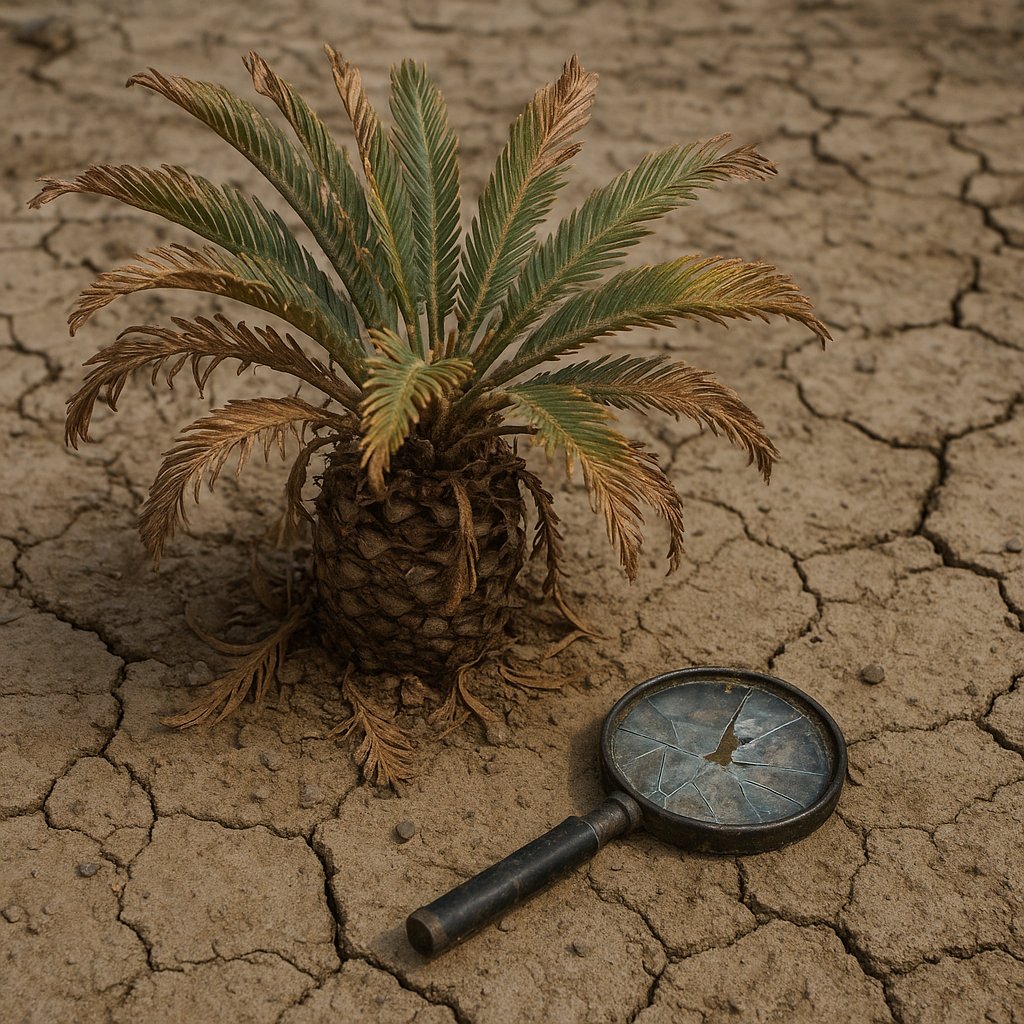
British botanists Rodney & Rachel Saunders brutally murdered in South Africa. Their killers received double life sentences. A tragic end to a life of botanical discovery.
British botanists Rodney and Rachel Saunders were brutally murdered in South Africa while searching for a rare cycad. They were abducted, robbed, and their bodies were later found in a river. Three individuals responsible for their deaths received life sentences. This tragic event highlighted the dangers faced by conservationists in remote areas and the long, difficult path to justice.
What happened to British botanists Rodney and Rachel Saunders?
British botanists Rodney and Rachel Saunders were abducted, robbed, and murdered in February 2018 while on a field trip in South Africa's Ngoye Forest. Their bodies were later found in the uThukela River. Three individuals - Safdeen Aslam Del Vecchio, Fatima Patel, and Ahmed Jackson Musa - were convicted and sentenced to life imprisonment for their deaths.
Get Cape Town news in your inbox
Stay updated with the latest stories from the Mother City.
A Savage End in the Forest
In February 2018, violence shattered the quiet purpose of two lives dedicated to understanding Earth's ancient flora. British botanists Rodney and Rachel Saunders traveled to Ngoye Forest in northern KwaZulu-Natal, seeking specimens of a rare cycad that grows nowhere else on the planet. They never emerged. Eight years later, on July 10, 2026, a Durban courtroom delivered its final word: three life sentences, two for each victim, handed to Safdeen Aslam Del Vecchio, Fatima Patel, and Ahmed Jackson Musa for one of South Africa's most shocking crimes against foreign researchers.
The couple's disappearance initially puzzled colleagues. Experienced field researchers accustomed to remote African terrain, the Saunderses had ventured into isolated areas countless times. Their vehicle and equipment were discovered abandoned. Their phones went silent. Only later would investigators reconstruct the horror: an ambush during scientific work, days of captivity, execution, and disposal of their bodies in the uThukela River.
The sentencing brought partial closure to families separated by thousands of miles yet bound together in grief. For the scientific community, the verdict addressed a crime that had exposed the vulnerability of conservation work in regions where extraordinary biodiversity coexists with human desperation and criminal ruthlessness.
Two Lives Devoted to Green Treasure
Rodney and Rachel Saunders built careers spanning decades among southern Africa's remarkable plant life. Their work demanded patience, technical precision, and willingness to endure discomfort in service of scientific documentation. They collected seeds, pressed specimens, and recorded data that advanced understanding of one of Earth's most botanically significant regions.
South Africa harbors extraordinary plant diversity. The Cape Floristic Region alone contains roughly one-tenth of all known plant species worldwide, packed into an area smaller than Portugal. The broader southern African landscape adds countless endemic species found nowhere else. The Saunderses focused particularly on KwaZulu-Natal, where coastal forests, grasslands, and mountain ecosystems create overlapping habitats of exceptional richness.
Their expertise extended beyond mere collection. Both understood that documentation serves preservation. You cannot protect what you cannot identify. You cannot conserve what you cannot locate. Their fieldwork created baselines for understanding population distributions, genetic diversity, and threats to survival. This knowledge proves essential as climate change, habitat destruction, and illegal trade accelerate species losses globally.
The Encephalartos ngoyanus cycad drew them to Ngoye Forest in that fatal February. Cycads represent living fossils, gymnosperms that dominated vegetation during dinosaur eras, predating flowering plants by over two hundred million years. Most species now hover near extinction, prized by collectors willing to pay black-market prices that drive poaching and violence. The Saunderses sought to understand and protect this heritage. Their killers sought something else entirely.
The Mechanics of a Deadly Abduction
Court evidence and investigative findings by South Africa's Directorate for Priority Crime Investigation revealed calculated criminal methodology rather than spontaneous violence. The attackers seized the couple during their fieldwork, stripped them of personal belongings including bank cards, and maintained control for several days following capture.
This pattern - kidnapping followed by forced cooperation in accessing victims' financial resources - disturbingly typifies South African violent crime. Criminals recognize that living victims can be compelled to reveal PIN codes, transfer funds, and facilitate larger hauls than immediate robbery permits. The Saunderses presumably faced such demands during their final days, their scientific equipment and personal possessions funding their captors while their fate remained undetermined.
The actual murders occurred days after abduction, their bodies subsequently thrown into the uThukela River, KwaZulu-Natal's largest waterway. Recovery from riverbank locations provided crucial identification and forensic evidence, though water exposure and delay complicated determination of precise circumstances. The terrain's challenges required coordinated search operations before remains could be located and examined.
Financial tracking proved instrumental in investigation. Purchases using the Saunderses' cards throughout Durban created a trail of electronic evidence, placing suspects in specific locations at documented times. This pattern - criminals exploiting victims' resources while holding them captive - leaves digital traces that modern investigation exploits, even when physical evidence degrades.
Tracking the Killers: Multi-Agency Investigation
The manhunt and evidence-gathering operation demonstrated sophisticated coordination among South African law enforcement specialized units. The Hawks' Crime Against the State provided overall direction. Crime Intelligence contributed suspect identification and location capabilities. Durban Serious Organised Crime Investigation supplied expertise in financial tracking and organized crime patterns. The Special Task Force and National Intervention Unit delivered tactical arrest capabilities.
This collaboration proved decisive. On February 15, 2018 - mere days after the abduction - police searched Del Vecchio and Patel's residence, recovering items belonging to the Saunderses that directly connected the couple to the crime. Physical evidence recovery often determines major case outcomes, and this investigation followed that pattern precisely.
Ahmed Jackson Musa's capture approximately three weeks later completed suspect apprehension. The interval suggests either successful relocation following the crime or intelligence-development requirements before safe arrest became possible. Prosecutors successfully opposed bail for all three, reflecting charge severity and confidence in available proof.
The investigation's international dimensions - British victims, diplomatic implications, scientific community attention - likely influenced institutional prioritization. Foreign national murders generate diplomatic pressure that domestic cases rarely attract, potentially accelerating resource allocation and prosecutorial attention.
The Convicted: Partners in Crime
The three sentenced individuals presented a complex criminal collaboration. Safdeen Aslam Del Vecchio, 46 at sentencing, apparently directed operations. His additional conviction for malicious property damage - earning five years running concurrently - indicated destructive tendencies beyond the murders themselves. Fatima Patel, 35, demonstrated that female participation in serious violent crime defies traditional gender assumptions about criminal collaboration.
Ahmed Jackson Musa's precise role received less public documentation, yet warranted identical punishment. Equal sentencing suggests either equivalent participation or prosecutorial inability to establish clear culpability hierarchies. All three received firearm prohibition orders, standard following serious violent convictions in a country with strict weapons regulation.
Concurrent sentence structure - where life terms effectively absorb shorter punishments - follows judicial practice for multiple convictions arising from single criminal episodes. The practical result removes all three from society permanently, barring successful appeal or executive clemency.
Justice Delayed: An Eight-Year Ordeal
The timeline between crime and punishment exposes systemic challenges in South African criminal justice. Trial commencement in April 2022 preceded conviction by over four years, with multiple delays before the June 19, 2026 guilty verdict. Common causes - case backlogs, evidentiary complications, defense challenges - plague complex litigation universally, yet test victim family resilience particularly severely.
The Saunders family in Britain endured this prolonged uncertainty while maintaining pressure for resolution. British diplomatic involvement and sustained media coverage kept the case visible, creating accountability mechanisms that purely domestic matters often lack. The eight-year interval between horror and final sentencing represents both institutional capacity limitations and, ultimately, persistent commitment to eventual accountability.
Conservation Work in Dangerous Places
The Saunders murders fit broader patterns threatening conservation workers in remote South African locations. Extraordinary biodiversity attracts researchers to isolated areas where personal security becomes problematic. Ngoye Forest, while not exceptionally remote, offered sufficient seclusion to enable criminal opportunity against visibly foreign, apparently prosperous targets carrying valuable equipment.
Cycad poaching specifically generates substantial violence elsewhere in South Africa. Encephalartos species command extraordinary black-market prices internationally, creating incentives for theft, smuggling, and associated brutality. While robbery rather than plant theft directly motivated these killings, the coincidence of research focus and victimization highlights risks conservationists increasingly confront.
South Africa's violent crime rates, improved from 1990s peaks, remain globally elevated. Complex social and economic challenges, combined with extreme inequality, create conditions where opportunistic crime flourishes. Foreign nationals, particularly those visibly carrying expensive equipment in isolated locations, present attractive targets for criminals operating across a spectrum from desperation to organized ruthlessness.
Institutional Recognition and Response
Brigadier Zenobia Mulligan, acting KwaZulu-Natal Hawks head, publicly welcomed sentencing, acknowledging both case significance and multi-unit cooperation requirements. Her statement reflected organizational recognition of investigation complexity and successful collaboration.
Hawks involvement from outset - rather than purely provincial police - indicated early priority crime classification. This designation, reserved for corruption, organized crime, and serious violence, ensured appropriate resource allocation. International dimensions likely influenced this prioritization, creating pressure mechanisms that accelerated investigation and prosecution timelines.
The case has prompted ongoing fieldwork safety revisions globally. Scientific institutions reassess communication protocols, emergency contacts, and security arrangements for higher-risk locations. The tragedy demonstrates that conservation work, however noble its purposes, occurs where criminal opportunity intersects with vulnerability, requiring acknowledgment and mitigation rather than naive assumption of safety.
What Remains
Rodney and Rachel Saunders' botanical contributions survive in herbarium collections, published research, and colleagues' ongoing work. The ancient cycads they sought to document - species surviving millions of years of environmental change - continue facing human-driven threats. Their deaths permanently marked scientific understanding of risks inherent in protecting diminishing natural heritage.
The life sentences imposed provide formal accountability without restoring what was lost. For South African conservation, the case represents painful episode in ongoing natural heritage protection efforts. For the international scientific community, it stands as warning and memorial: the work of understanding Earth's living systems sometimes demands the highest price, paid by those who chose dedication to green growing things over personal safety.
{"faq": [{"question": "What happened to British botanists Rodney and Rachel Saunders?", "answer": "British botanists Rodney and Rachel Saunders were abducted, robbed, and murdered in February 2018 while on a field trip in South Africa's Ngoye Forest. They were searching for a rare cycad species. Their bodies were later found in the uThukela River. Three individuals were eventually convicted and sentenced to life imprisonment for their deaths."}, {"question": "Who was responsible for their deaths?", "answer": "Safdeen Aslam Del Vecchio, Fatima Patel, and Ahmed Jackson Musa were convicted for the abduction, robbery, and murder of Rodney and Rachel Saunders. All three received life sentences for their crimes. The investigation revealed a calculated criminal methodology involving kidnapping followed by forced access to the victims' financial resources."}, {"question": "When and where did this tragic event occur?", "answer": "The Saunders were abducted in February 2018 in South Africa's Ngoye Forest, located in northern KwaZulu-Natal. Their bodies were subsequently found in the uThukela River. The trial concluded with sentencing on July 10, 2026, eight years after the crime."}, {"question": "What was the motive behind the murders?", "answer": "The primary motive appears to have been robbery and financial gain. The attackers seized the couple, stripped them of personal belongings including bank cards, and used their financial resources for several days after the abduction. While cycad poaching is a significant issue in the region, the evidence pointed to financial exploitation as the direct cause of the killings."}, {"question": "How long did it take to bring the perpetrators to justice?", "answer": "It took approximately eight years from the time of the crime in February 2018 until the sentencing on July 10, 2026. The investigation involved multi-agency coordination by South African law enforcement, including the Hawks, and financial tracking played a crucial role in identifying the suspects."}, {"question": "What does this incident highlight about conservation work?", "answer": "The Saunders murders tragically highlight the dangers faced by conservationists and researchers working in remote areas, particularly in regions with high crime rates and socio-economic challenges. It underscores the vulnerability of individuals carrying valuable equipment in isolated locations and the need for stringent safety protocols in fieldwork. It also draws attention to the threats posed by the illegal trade in rare species, like cycads, and the associated violence."}],"title": "FAQ: The Saunders Killings and a Decade-Long Quest for Justice"}
Thabo Sebata is a Cape Town-based journalist who covers the intersection of politics and daily life in South Africa's legislative capital, bringing grassroots perspectives to parliamentary reporting from his upbringing in Gugulethu. When not tracking policy shifts or community responses, he finds inspiration hiking Table Mountain's trails and documenting the city's evolving food scene in Khayelitsha and Bo-Kaap. His work has appeared in leading South African publications, where his distinctive voice captures the complexities of a nation rebuilding itself.
View all articles →