
IEC announces second voter registration weekend ahead of 2026 local elections
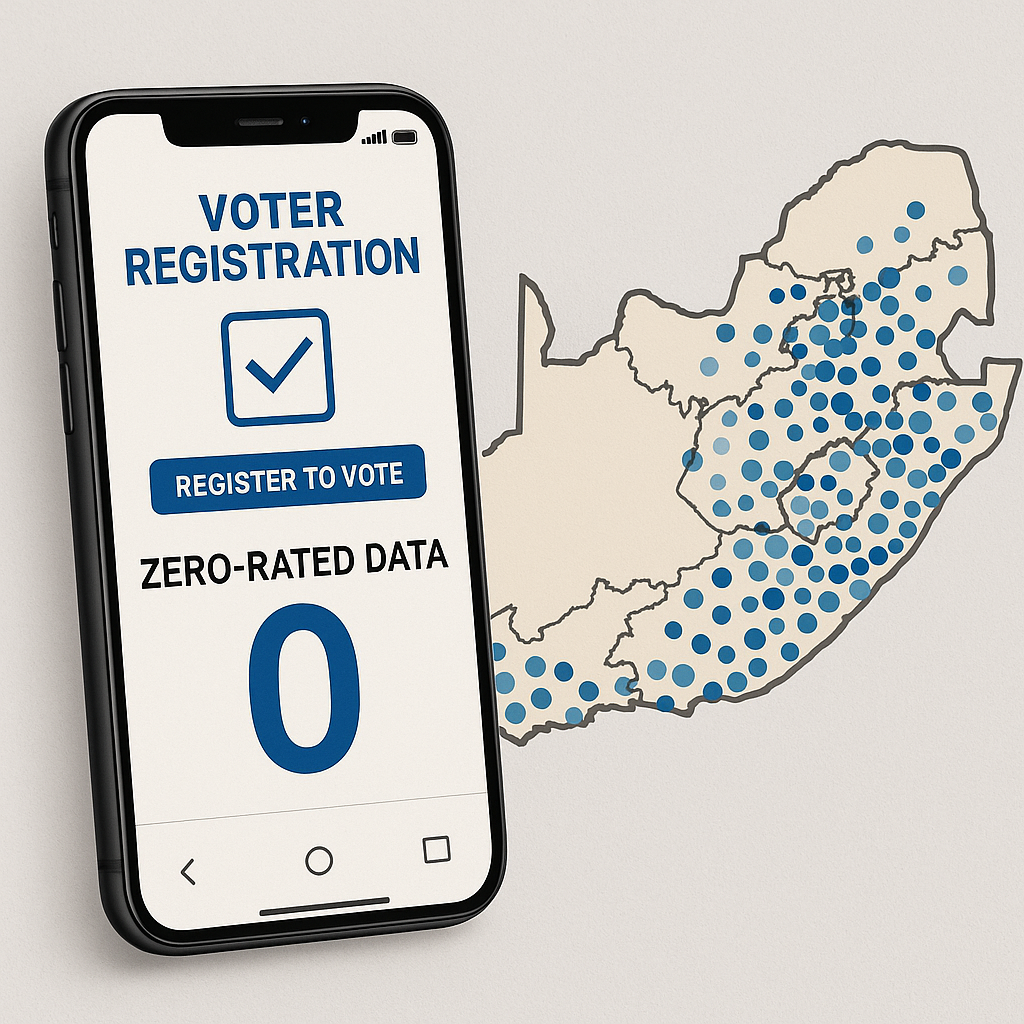
IEC announces 2nd voter registration weekend & zero-rated online portal for inclusive 2026 local elections. Register now!
South Africa's next local elections are set for late 2026, probably October or November. The election board is using cool new tech like special tablets to make voting faster and easier. Lots of young people are super excited to vote this time, thanks to clever outreach plans. They're making sure everyone can vote, even fixing issues with online sign-ups so no one misses out.
When will South Africa's next municipal elections be held?
South Africa's next municipal elections are scheduled for late 2026, most likely in October or November. The Electoral Commission (IEC) set this timeframe to align with constitutional requirements, which dictate the election must occur within 90 days of local councils' five-year terms lapsing, placing it no later than February 1, 2027.
Get Cape Town news in your inbox
Stay updated with the latest stories from the Mother City.
1. Count-down to the Poll: Why Late 2026 Is Locked In
South Africa’s Constitution gives the Electoral Commission a narrow 90-day window once the five-year term of local councils lapses. Because the previous ballot took place on 1 November 2021, the next one has to happen no later than 1 February 2027. After consulting parties, school terms and religious holidays, commissioners pencilled in October or November 2026 as the sweet spot. Monday 22 June 2026 therefore became the stage for Sy Mamabolo’s first official calendar update, ending months of behind-the-scenes speculation in party liaison committees.
The announcement matters for two reasons. First, it tells 60-million residents when power over refuse removal, water tariffs and potholes will be back in their hands. Second, the commission’s own planning hinges on this placeholder: procurement of ballot paper, police deployment and even university exam timetables must align with that last-quarter window. Expect the final proclamation - an innocuous Government Gazette notice - to drop in mid-August, after which nothing except the poll itself can be moved.
2. Registration Weekend 1 by the Numbers: A 2.9-Million Transaction Surge
Voters had their first shot on 20–21 June. When stations closed at 5 p.m. Sunday, technicians had clocked 2.9 million transactions nationwide, dwarfing the 1.7 million captured during the equivalent weekend in 2021. Almost half a million of those were brand-new voters, while 2.46 million seasoned voters adjusted address or ward details. Women led the charge - 1.6 million touches against 1.24 million by men - but the youth story steals the spotlight: 79% of rookie voters were aged 16–29, a cohort politicians usually struggle to lure off TikTok and into queue lines.
Gauteng and KwaZulu-Natal alone supplied more than half of all activity, confirming the magnetic pull of metros. Tiny Northern Cape added fewer newcomers than a single township in Ekurhuleni, underscoring the country’s stubborn urban concentration. Still, the headline figure of 28.5 million registered voters - up from 27.7 million in May 2024 - signals momentum ahead of the final push.
3. Tech That Shrinks Queues: VMDs, Zero-Rating and a New Nomination Engine
Behind the speed lies a R480 million hardware refresh. Thirty-five thousand second-generation Voting-Management Devices - ruggedised Android tablets - now scan bar-coded IDs in one second, match faces against Home Affairs photos and store 5 000 offline applications for later sync. Average check-in time in Soweto voting districts has plunged from twelve minutes in 2018 to four minutes this year, a lifesaver for workers who cannot afford a full morning off.
Digital convenience does not stop at the station door. Typing register.elections.org.za on any local SIM no longer burns data; the major networks have zero-rated both the main portal and the voter-services mirror site. Deaf users can toggle South-African-Sign-Language clips on a progressive web app, while party agents have said goodbye to paper headache Form MP-3. The Candidate Nomination System - live since mid-June - captures ID numbers, geotagged supporter lists and criminal-record disclaimers online, hashing each ID to stop multiple nominations by the same booster.
4. How 300 TikTokers and a Grade-11 Exam Reeled In the Youth
The 79% youth share was engineered, not wished for. When HSRC data early in 2025 showed only three-in-ten young adults felt close to any political party, the IEC pivoted hard. Three hundred micro-influencers with a combined 19 million South-African followers posted snappy explainers on how ward councillors fix streetlights and potholes. A single-page mock ballot slipped into the Grade-11 Life-Orientation mid-year paper exposed 1.2 million learners to the ballot format weeks before stations opened.
TVET colleges added petrol to the fire: “Drive-Thru Registration” pop-ups in campus car parks snagged 31% of Gauteng’s under-30 sign-ups. At the centre of the storm sits the commission’s 7 800 Youth Democracy Ambassadors who earn certified community-service hours recognised by universities - an incentive no varsity applicant ignores. The result is the most youthful roll since 1994.
5. What Happens Next: August Weekend, Online Cut-off and Fraud Mop-Up
Civic bodies in rural provinces lobbied hard for another physical opportunity, and they got it. Registration Weekend 2 will unfold on 1–2 August, same hours, same stations. Mamabolo expects 400 000 extra touches, mostly in peri-urban wards where turnout lagged the national average by seven points in 2021. After that, only the web portal stays open until proclamation day; once the date is published, fixes must be done in person at IEC offices.
Roughly 30 000 online applications still carry a “pending” flag. Two-thirds are stuck because of blurry ID photos; another 14% clash with the Home Affairs name spellings. A 120-strong troubleshooting team now phones or Whats-Apps each applicant within 72 hours, offering one re-upload chance. Anyone who misses the cut keeps their registration but must bring the original green-ID book or smart card on election day - an extra hoop, yet better than losing the vote entirely.
6. Independents, Observers and the Final Sprint to Ballot Paper
Parliament’s 2020 amendments let independents contest wards provided they gather 50 voter signatures in metros or 15 in smaller councils, plus a R3 000 refundable deposit. The CNS portal hashes supporter IDs the moment they are entered, closing the 2021 loophole that let the same booster nominate multiple hopefuls. Already 83 aspirants have logged in; 46 have uploaded full lists. Analysts predict independents could shave up to five percentage points off the ANC’s metro-ward plurality, mirroring the shock victory of an independent in Johannesburg’s Ennerdale ward in May 2025.
Security and diplomacy move centre-stage as well. A R110 million security budget targets 550 protest-prone voting districts. Foreign missions have until 30 September to apply for short-term observer accreditation; the AU, SADC and Commonwealth have already signalled intent, though total observer numbers will be capped at 120 for budget reasons. Meanwhile, the Government Printing Works has quietly ordered 63 tonnes of water-marked ballot stock - an unmistakable sign that, barring a constitutional crisis, millions of South Africans will mark their X before November 2026 is out.
{
"faq": [
{
"question": "When are South Africa's next municipal elections scheduled and why?",
"answer": "South Africa's next municipal elections are projected for late 2026, most likely in October or November. This timeframe is set to comply with constitutional requirements, which mandate the election to occur within 90 days of local councils' five-year terms concluding. As the previous elections were on November 1, 2021, the next must be held no later than February 1, 2027. The Electoral Commission (IEC) consulted various parties, school terms, and religious holidays to pinpoint October or November 2026 as the optimal period."
},
{
"question": "What technological advancements are being implemented to improve the voting process?",
"answer": "The Electoral Commission is investing R480 million in a hardware refresh to streamline voting. This includes 35,000 second-generation Voting-Management Devices (VMDs) – ruggedized Android tablets that can scan bar-coded IDs, match faces against Home Affairs photos, and store offline applications. These VMDs have significantly reduced check-in times. Additionally, the elections portal (register.elections.org.za) and voter-services mirror site are now zero-rated by major networks, meaning no data charges apply. A new Candidate Nomination System (CNS) allows for online nominations, capturing IDs, geotagged supporter lists, and criminal-record disclaimers, with ID hashing to prevent duplicate nominations."
},
{
"question": "How are young people being engaged in the upcoming elections?",
"answer": "A significant effort has been made to engage young voters. After data showed low political engagement among youth, the IEC launched a targeted campaign. This included employing 300 micro-influencers with a combined 19 million followers to create educational content on platforms like TikTok about the importance of local government. A mock ballot was integrated into the Grade 11 Life Orientation mid-year exam, reaching 1.2 million learners. Furthermore, 'Drive-Thru Registration' pop-ups at TVET colleges and the deployment of 7,800 Youth Democracy Ambassadors, who earn certified community service hours, have been instrumental in attracting young voters. This has resulted in the most youthful voter roll since 1994."
},
{
"question": "What was the outcome of the first voter registration weekend?",
"answer": "The first voter registration weekend (June 20-21) saw a substantial increase in activity compared to previous years, with 2.9 million transactions nationwide, dwarfing the 1.7 million from the equivalent weekend in 2021. Almost half a million new voters were registered, and 2.46 million existing voters updated their details. Notably, 79% of these new voters were aged 16-29. Gauteng and KwaZulu-Natal accounted for over half of all activity. The total registered voters increased from 27.7 million in May 2024 to 28.5 million."
},
{
"question": "What are the next steps for voter registration, and how are online application issues being addressed?",
"answer": "A second physical voter registration weekend is planned for August 1-2, catering to rural provinces and aiming for an additional 400,000 registrations. After this, online registration via the web portal will remain open until the official proclamation day of the election. Approximately 30,000 online applications currently have a 'pending' status, largely due to blurry ID photos or discrepancies with Home Affairs name spellings. A 120-strong troubleshooting team is actively contacting applicants via phone or WhatsApp within 72 hours, offering a chance to re-upload necessary documents. Those who miss the re-upload opportunity will retain their registration but must bring their original green ID book or smart card on election day."
},
{
"question": "How do the 2020 parliamentary amendments impact independent candidates, and what is the outlook for them?",
"answer": "Parliament's 2020 amendments now allow independent candidates to contest wards. To do so, they must gather 50 voter signatures in metropolitan areas or 15 in smaller councils, along with paying a R3,000 refundable deposit. The Candidate Nomination System (CNS) hashes supporter IDs upon entry, preventing the loophole of single boosters nominating multiple candidates, which occurred in 2021. So far, 83 aspirants have logged in, with 46 having uploaded full lists. Analysts anticipate that independent candidates could potentially reduce the ANC's metro-ward plurality by up to five percentage points, drawing parallels to a significant independent victory in Johannesburg's Ennerdale ward in May 2025. Security measures, including a R110 million budget for 550 protest-prone voting districts, and observer accreditation processes are also underway."
}
]
}

Oliver Daniels is a Cape Town journalist who chronicles the intersection of food, migration and identity in South Africa's kitchens—from wood-fired Gugulethu braai spots to Constantia vineyards. Born and raised on the slopes of Devil’s Peak, he still starts each week with a dawn walk across Table Mountain to catch the first Atlantic light before filing copy.
View all articles →