
Incidents of school vandalism and theft decline in the Western Cape
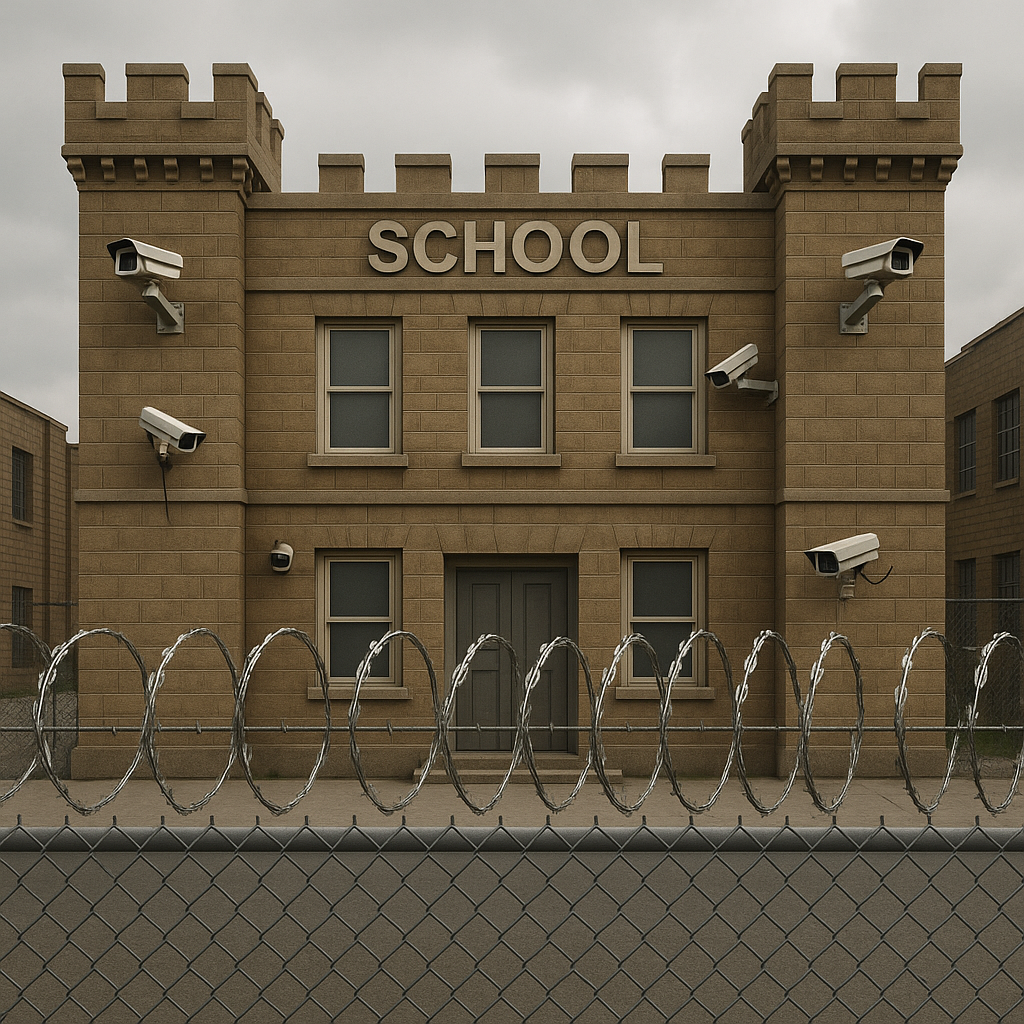
WC schools see a 23% drop in holiday burglaries, lowest in 5 years, after a 441-site protection blitz and community involvement.
The Western Cape had its safest school holiday in five years, cutting crime by almost a quarter. They used a special plan with lots of money, putting more guards at schools and using cool tech like GPS cameras and Google Maps for police. People from the community also helped by walking around schools to keep them safe. This smart plan stopped bad guys and saved a lot of money.
How did the Western Cape reduce school holiday crime?
The Western Cape reduced school holiday crime by nearly a quarter through a R38.9 million 'vacation protection bundle.' This included increased security guards at 441 campuses, rapid-response 'flying squads' with GPS body-cams, Google Maps integration for police patrols, battery-backed cameras, and R5,000 micro-grants for community 'walk-the-wall' patrols.
Get Cape Town news in your inbox
Stay updated with the latest stories from the Mother City.
1. Record Low: The Numbers That Made Headlines
Between 6 December 2025 and 12 January 2026, only 36 verified trespass, theft or vandalism events hit 32 public schools in the Western Cape. That is 11 fewer incidents than the previous summer, a 23 % drop and the leanest tally since the province began publishing comparable data five years ago.
Not one campus was struck twice; nobody was hurt; no building was torched. The bill for replacing what was lost shrank to R 3.8 million, barely half the R 7.1 million damage recorded twelve months earlier.
Every statistic was cross-checked within 24 hours by the Safe Schools Management Centre (SSMC), the provincial nerve-centre that merges phone calls, WhatsApp messages, police case numbers and caretaker e-forms into a single geotagged file. Duplicates are purged, photos uploaded, coordinates locked - so the 36-case headline is the unvarnished truth, not a generous estimate.
2. Inside the Holiday Shield: Guards, Gadgets and Google Maps
The province bankrolled a R 38.9 million “vacation protection bundle” that blended people, software and community muscle.
-
First*, 441 campuses received a nightly grant of R 380 per guard for a ten-hour shift. An algorithm chose the lucky sites, ranking them by past burglary reports, neighbourhood joblessness, proximity to scrap yards and distance from the nearest police station.
-
Second*, 18 rapid-response “flying squads” were hired from City-accredited private firms. Each crew wore a GPS body-cam and uploaded a 30-second perimeter clip every hour to a cloud dashboard watched live by SSMC staff.
-
Third*, for the first time, SAPS sector managers could open a Google-Maps layer that glowed green for schools with active guards and red for unattended ones. Visible-policing vans were simply rerouted past the red dots.
-
Fourth*, October saw 187 campuses receive battery-backed cameras; 92 already ran cloud analytics that flag human movement after dark. Eleven times the thermal stream was sharp enough to read licence plates, leading to three immediate arrests.
-
Fifth*, principals were handed R 5 000 micro-grants to run two “walk-the-wall” evenings a week. Average turnout was 38 residents - highest in Mitchells Plain and Khayelitsha - turning pavements into moving neighbourhood watches.
3. Anatomy of the 36 Incidents: Where, How and What Was Taken
Metro South led the misery chart with 11 break-ins, followed by Metro East (7), Metro North (8), Cape Winelands (5), Overberg (3), West Coast (2) and zero in both Garden Route and Central Karoo.
Criminals favoured blunt force: 22 sites had gate or door locks forced, 14 fences snipped, 9 classroom windows smashed and 4 roofs entered through removed skylights.
Copper remained the darling of the underworld - 14 schools lost an average 35 m of electrical cable each. Stainless-steel kitchenware disappeared from seven sites, six storerooms were cleaned of learner-support food, four laptop trolleys rolled away, two PA systems were silenced and three façades were sprayed with graffiti.
The single most expensive loss happened in Delft, where 120 m of armoured cable feeding a science-block transformer was dug out, leaving a R 485 000 repair quote.
4. People Power: Arrests, Tips and the Stories Behind the Stats
SAPS Lieutenant-Colonel Malcolm Pojé confirms 17 arrests directly linked to the school spree, almost double last year’s figure. Goods worth R 620 000 have already been clawed back - 14 laptops, two 50 kg gas bottles and 95 m of virgin copper cable still on its wooden drum.
Five suspects were nailed after scrap-yard compliance officers uploaded suspicious seller IDs to the Looted Property Tracing System (LPTS).
Community ears and eyes supplied at least one usable lead in 72 % of dockets. WhatsApp tips peaked at 127 messages on New Year’s Eve, many with geotagged photos of unfamiliar bakkies parked outside gates. Education MEC David Maynier says the 0800 45 46 47 line answered 3 847 calls - triple last season’s volume - yet wait-time averaged 11 seconds after four extra agents were added.
Insurance house Alexander Forbes was impressed enough to cut school-risk excesses by 15 % from 1 March, while Eskom recorded a 9 % fall in cable-theft outages that feed school substations - proof that hungrier campus security is starving the illegal copper market.
5. What Failed, What’s Next and How Parents Can Help
Success did not come flawless. Thieves still ran off with 112 solar-light batteries from 38 schools, slicing straps faster than guards could react. Two fog cannons mistook spiders for burglars, leaving one guard wheezing. In rural Winelands, brick pump-houses created radio black-spots that delayed back-up by up to 14 minutes.
Looking ahead, officials have already pencilled the Easter break (2–18 April) as the next danger zone. A pilot “micro-dot cable-marking” drive will coat wires at 25 Delft and Philippi campuses, while 40 empty classrooms will morph into holiday STEM camps on the theory that busy buildings scare crooks away.
Treasury is weighing a 0.25 % duty on refined copper exports to bankroll better fencing, and a draft Western Cape School Infrastructure Protection Bill will hit the public-comment stage in March 2026. If passed, it will force scrap yards to share electronic records with SAPS within six hours and allow the state to sue vandals - or their guardians - for triple damages.
Parents can do five things before the next shutdown: test the school’s WhatsApp tree, request the holiday guarding schedule, photograph all serial numbers of valuable gear, offer overnight safe-keeping for small high-value items, and join at least one “walk-the-wall” patrol.
Visible community footprints remain the cheapest, fastest deterrent - and this summer’s record low proves they work.
{"faq":[{"question":"### How did the Western Cape achieve its safest school holiday in five years?","answer":"The Western Cape experienced its safest school holiday in five years by implementing a comprehensive R38.9 million 'vacation protection bundle'. This strategy included increasing the number of security guards at 441 campuses, deploying rapid-response 'flying squads' equipped with GPS body-cams, integrating Google Maps for police patrols to identify unguarded schools, installing battery-backed cameras (with some featuring cloud analytics for movement detection), and providing R5,000 micro-grants to communities for 'walk-the-wall' patrols. These combined efforts led to a 23% reduction in crime compared to the previous summer."},{"question":"### What specific technologies and personnel were utilized to enhance school security?","answer":"To enhance school security, the Western Cape employed a multi-faceted approach. This included hiring 441 security guards for nightly shifts, deploying 18 rapid-response 'flying squads' from private firms, each equipped with GPS body-cams that uploaded hourly perimeter clips to a live-monitored dashboard. Google Maps integration allowed SAPS sector managers to identify schools with and without active guards, enabling more efficient patrol routing. Additionally, 187 campuses received battery-backed cameras, with 92 of these also running cloud analytics to detect human movement after dark, leading to immediate arrests in some cases. Community 'walk-the-wall' patrols, funded by micro-grants, also played a crucial role."},{"question":"### What were the crime statistics and financial impact of the security measures during the holiday period?","answer":"Between December 6, 2025, and January 12, 2026, only 36 verified incidents of trespass, theft, or vandalism occurred at 32 public schools in the Western Cape. This represents an 11-incident decrease from the previous summer and a 23% drop, marking the lowest tally in five years. The cost of replacing lost items and damages significantly decreased to R3.8 million, down from R7.1 million the previous year. Remarkably, no campus was struck twice, no one was injured, and no buildings were torched. All statistics were rigorously cross-checked by the Safe Schools Management Centre (SSMC) within 24 hours."},{"question":"### What types of crimes were most common, and where were the incidents concentrated?","answer":"The most common crimes involved blunt force entry, with 22 sites experiencing forced gate or door locks, 14 fences snipped, 9 classroom windows smashed, and 4 roofs entered via removed skylights. Copper theft was prevalent, with 14 schools losing an average of 35 meters of electrical cable. Other stolen items included stainless-steel kitchenware, learner-support food, laptop trolleys, and PA systems. Graffiti was also reported at three locations. The highest concentration of incidents was in Metro South (11 break-ins), followed by Metro North (8) and Metro East (7). The single most expensive loss was a 120-meter armored cable in Delft, costing R485,000 to repair."},{"question":"### How did community involvement and collaboration with external partners contribute to the success?","answer":"Community involvement was pivotal, with residents participating in 'walk-the-wall' patrols, especially in areas like Mitchells Plain and Khayelitsha. Community members also provided crucial leads, supplying at least one usable tip in 72% of dockets, including WhatsApp messages with geotagged photos. The 0800 45 46 47 helpline received 3,847 calls, tripling the previous season's volume. Collaboration with SAPS led to 17 arrests and the recovery of R620,000 worth of goods. Scrap-yard compliance officers uploading suspicious seller IDs to the Looted Property Tracing System (LPTS) also aided in arrests. The success even led to Alexander Forbes cutting school-risk excesses by 15% and Eskom reporting a 9% fall in cable-theft outages affecting school substations."},{"question":"### What were the challenges faced, and what are the future plans to maintain and improve security?","answer":"Despite the overall success, challenges included thieves stealing 112 solar-light batteries from 38 schools, fog cannons malfunctioning due to spiders, and radio black-spots in rural areas delaying back-up. Future plans include a pilot 'micro-dot cable-marking' drive at 25 campuses in Delft and Philippi for the upcoming Easter break. Forty empty classrooms will be converted into holiday STEM camps, aiming to deter criminals by keeping buildings active. Treasury is considering a 0.25% duty on refined copper exports to fund better fencing, and a draft Western Cape School Infrastructure Protection Bill will allow the state to sue vandals for triple damages. Parents are encouraged to test WhatsApp trees, request guarding schedules, photograph valuable gear, offer safekeeping for high-value items, and join 'walk-the-wall' patrols to maintain community vigilance."}]}

Tumi Makgale is a Cape Town-based journalist whose crisp reportage on the city’s booming green-tech scene is regularly featured in the Mail & Guardian and Daily Maverick. Born and raised in Gugulethu, she still spends Saturdays bargaining for snoek at the harbour with her gogo, a ritual that keeps her rooted in the rhythms of the Cape while she tracks the continent’s next clean-energy breakthroughs.
View all articles →