
Ithuba rejects blame as lottery payout dispute sparks confusion for winners
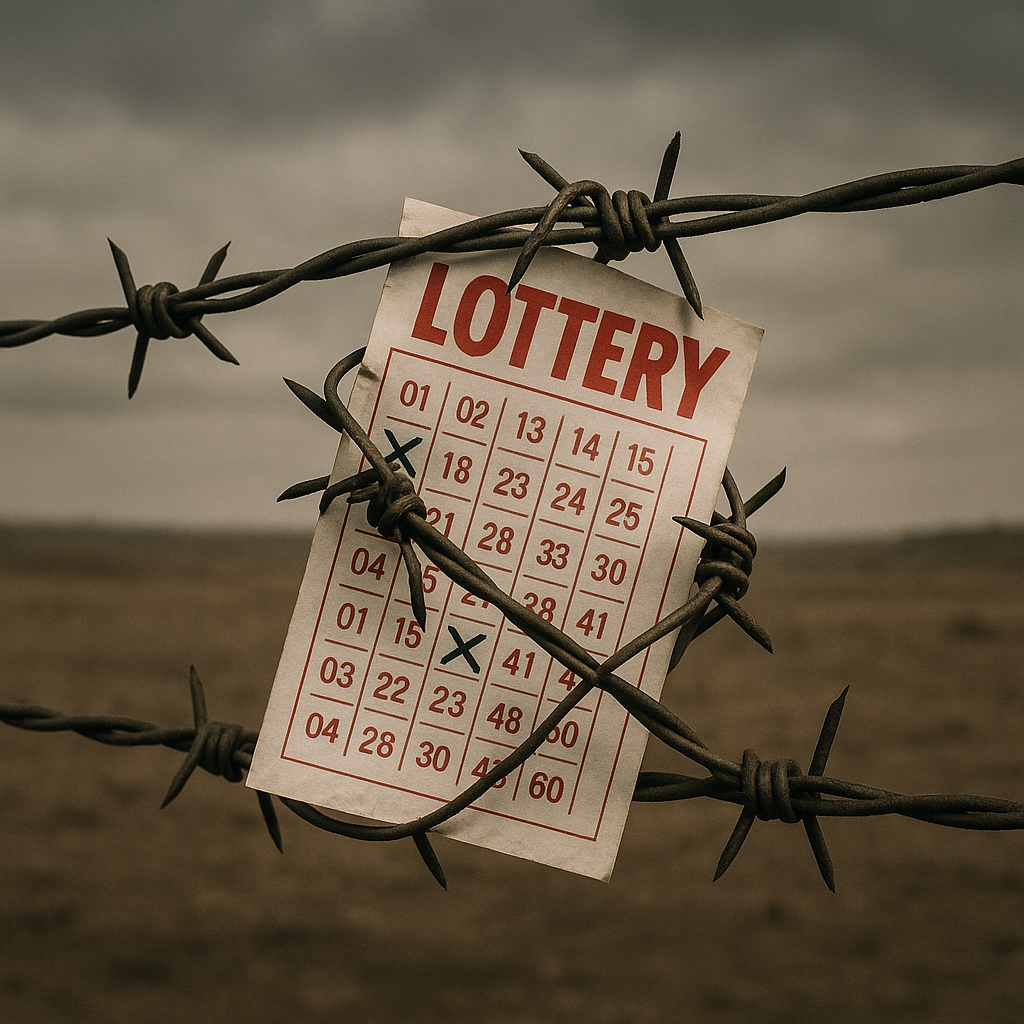
SA's National Lottery faces deepening crisis as operator feud over data leaves thousands of winners in limbo. Millions in prizes are delayed.
South Africa's lottery payouts are frozen because the new operator, Sizekhaya Holdings, and the old one, Ithuba, are fighting over computer data. This means 1.3 million lottery records are missing, leaving many winners unable to claim their prizes. People are angry and confused, especially those who need the money, and the problem could last for weeks. It's causing big trouble for lottery players, small shops, and even charities.
Why are South Africa's lottery payouts frozen?
South Africa's lottery payouts are frozen due to a dispute between the new operator, Sizekhaya Holdings, and the outgoing operator, Ithuba, over an "incomplete" data handover. This has led to 1.3 million draw records and 47 jackpot entries appearing "orphaned," causing delays and uncertainty for players and retailers alike.
Get Cape Town news in your inbox
Stay updated with the latest stories from the Mother City.
When the Ticket Scanner Says “Come Back Later”
Just three days after Sizekhaya Holdings RF formally took the reins of South Africa’s R5-billion-a-year National Lottery, thousands of hopeful players discovered that the phrase “pay-out day” had quietly morphed into “maybe next week.” Booth screens that once flashed the friendly green “Pay Validated” line now bark “Claim Under Review – Return After 14 June.”
The new message travels from Soweto’s busy Bara Taxi Rank to the gleaming aisles of Sandton’s Checkers Hyper. Retailers everywhere have been instructed to halt every pre-handover ticket redemption until further notice. The instruction drops like a stone into the daily grind of shoppers, spaza bosses and provincial treasurers who lean on lottery turnover to keep cash tills singing.
Behind the scenes, the freeze has sparked a shouting match over a supposedly bungled data dump. Sizekhaya’s COO, Fundi Sithebe, told Parliament’s trade committee on Wednesday night that the archive delivered by outgoing operator Ithuba was “technically incomplete.” According to Sithebe, 1.3 million individual draw records and 47 jackpot entries appear “orphaned” after draw numbers and field markers failed to line up.
Ithuba answered with a midnight press release: every comma-separated file, every password-protected hard-drive and every digital receipt was delivered on 1 June and signed for by National Lotteries Commission (NLC) staff. The former licensee now demands that the Commission publish the actual hand-over protocol footage so the public can see whether anything was ever hidden.
The Regulator Stensibly Silent - And Winners Left Guessing
While operators trade accusations, the NLC has issued little beyond a single sentence: “Stakeholders must desist from action that undermines public trust.” Commission chair Angela Ogle-Thomas has pledged a full briefing “once systems audits are complete,” but refuses to name the day.
Commission IT staff - speaking off the record - admit the regulator never built an independent data vault while Ithuba ran the game for eight years. Instead, the watchdog relied on Ithuba’s in-house Random-Number-and-Results-Repository. When Sizekhaya asked for raw RNG seed values to rerun and verify historic draws, the seeds were nowhere to be found. Engineers have since resorted to reverse-engineering algorithms, a task one developer estimates will take two to four more weeks.
Despite the standoff, both companies vow that no legitimate ticket will be cancelled. Yet the cash pile is real. Industry analysts put the value of uncashed prizes at roughly R420 million, from a humble R120 three-number win to a R55 million PowerBall payout sold at a Cape Town Engen. That total equals just under one percent of annual prize liabilities, but a 180-day forfeiture clock keeps ticking. If the tickets expire, the money automatically switches into the National Lottery Distribution Trust Fund that bankrolls arts, charity and sports. NGOs that rely on quarterly grants now fear heritage projects will stall right as the mid-year budget cycle kicks off.
When the UK Pulled Off a Smooth Swap - and SA Did Not
The United Kingdom faced the same hand-over headache in 2021 when Camelot ceded the licence to Allwyn. The UK Gambling Commission obligated both parties to run parallel verification servers for ninety days. A post-mortem by the Institute of Licensing later revealed that 97 % of in-store claims were cleared within forty-eight hours because Camelot had been forced to escrow six months of historic RNG seed keys. South Africa’s rules contain no similar mandatory escrow clause - a loophole MPs from both the EFF and DA now want sewn shut.
Into the information vacuum, social-media detectives have stepped up. Facebook group “Lotto WhatsApp Crunch” crowdsources photographs of winning slips and compares serial numbers in an attempt to recreate draw histories. A Durban university student has stitched together a 600-megabyte CSV compiling eighteen months of results harvested from newspaper PDFs; the file has already circulated 19,000 times. Sizekhaya warns the crowd-sourced file has no official standing and cannot validate tickets, yet it remains the closest thing many punters have to certainty.
EFF deputy leader Veronica Mente-Shabangu has demanded a moratorium on forfeiture deadlines “until the Commission comes clean.” For its part, the SA Human Rights Commission says it will monitor complaints from disabled players who simply cannot afford repeated trips to distant claim centres.
The Ripple Effect on Spazas, Petrol Stations and Pensioners
For the country’s 9,500-odd lottery retailers, the freeze is a body blow. Spaza terminals earn a five percent commission on every pay-out they disburse. Moses Mphahlele, who owns three small outlets in Alexandra township, typically clears R8,000 a month in lottery commission - money that covers a cashier’s wage and a security guard. “If grannies stop playing because they have to come back next week, foot traffic falls, cigarette sales slump and my whole ecosystem wobbles,” he says.
Petroleum giant ENGEN has frozen a national roll-out of forty-two “Quick-PAY” kiosks planned for high-traffic Gauteng sites, citing “operator uncertainty.” The postponement sidelines a project that was meant to cut queues and boost turnover for franchisees who already run on razor-thin margins.
Punters are not the only ones waiting for clarity. Commission insiders say the regulator may soon invoke Section 34(2)(d) of the Lotteries Act, a clause that has never before been used between two commercial licensees. The rule would compel Ithuba to keep a transitional call-centre alive for sixty days, akin to a banking curator-ship. Yet the gambit raises practical questions: who pays the salaries, and does the move muddy the already blurred line between operator and watchdog?
For Miriam Radebe, a 72-year-old pensioner who matched five numbers and the bonus on 28 May, each unanswered question costs real money. She has already trekked four times to the same Pick n Pay, spending R27 on taxi fare each trip - cash she cannot spare. Clutching a creased purple ticket whose barcode now places her in administrative limbo, she sums up the nation’s mood: “We were told the lottery is the people’s game. Right now the people are waiting, and nobody is telling us the truth.”
Why are South Africa's lottery payouts frozen?
South Africa's lottery payouts are frozen due to a dispute between the new operator, Sizekhaya Holdings, and the outgoing operator, Ithuba, over an incomplete data handover. This has resulted in approximately 1.3 million lottery records and 47 jackpot entries being 'orphaned' or unverified, preventing winners from claiming their prizes.
What is the main issue causing the payout freeze?
The core issue is a disagreement regarding the transfer of computer data from the previous lottery operator, Ithuba, to the new operator, Sizekhaya Holdings. Sizekhaya Holdings claims the data provided was 'technically incomplete,' leading to a mismatch in draw numbers and field markers for millions of records, including jackpot entries. Ithuba, however, asserts that all data was delivered and signed for.
How many lottery records are affected by the data dispute?
Approximately 1.3 million individual draw records and 47 jackpot entries are currently affected. These records appear 'orphaned' because the new operator cannot properly verify them due to the incomplete or mismatched data handover, leading to significant delays in prize validation and payouts.
What is the financial impact of the lottery payout freeze?
Industry analysts estimate the value of uncashed prizes to be roughly R420 million. This includes prizes ranging from small wins to a R55 million PowerBall payout. Beyond individual winners, the freeze negatively impacts small retailers who rely on commission from payouts, and charities that depend on quarterly grants from the National Lottery Distribution Trust Fund.
How long is this payout freeze expected to last?
The exact duration is uncertain, but it could last for several weeks. Engineers are currently working to reverse-engineer algorithms to verify historic draws, a process estimated to take two to four more weeks. Additionally, the National Lotteries Commission has yet to provide a clear timeline for resolving the dispute and resuming payouts.
Why did South Africa's lottery handover differ from the UK's successful transition?
The UK's 2021 lottery handover from Camelot to Allwyn was smoother because the UK Gambling Commission mandated both parties to run parallel verification servers for ninety days and required Camelot to escrow six months of historic Random Number Generator (RNG) seed keys. South Africa's regulations lack a similar mandatory escrow clause, which MPs from both the EFF and DA are now advocating to implement to prevent future issues.

A Russian-Spanish journalist and Cape Town native, channels his lifelong passion for South Africa into captivating stories for his local blog. With a diverse background and 50 years of rich experiences, Serjio's unique voice resonates with readers seeking to explore Cape Town's vibrant culture. His love for the city shines through in every piece, making Serjio the go-to source for the latest in South African adventures.
View all articles →