
Kidnapped Summer Greens businessman rescued in Saldanha operation
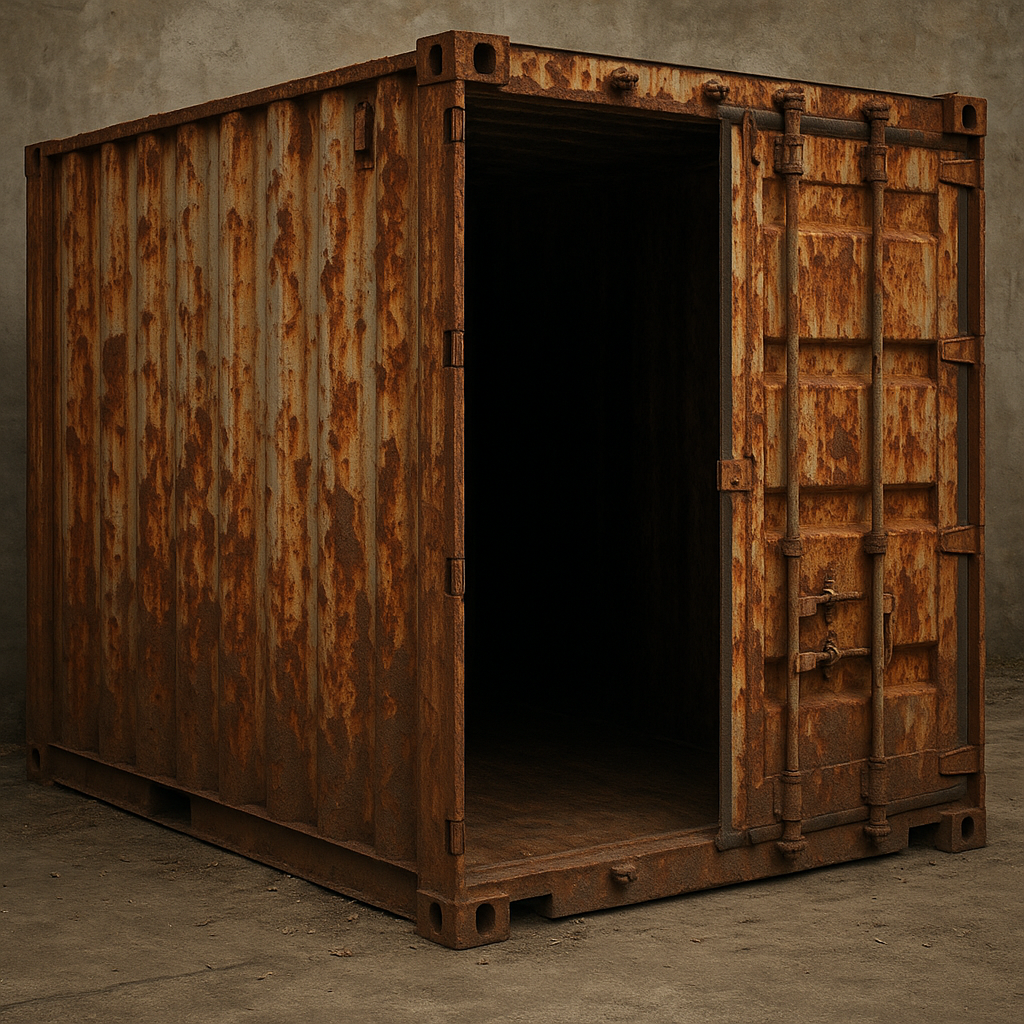
Uncover the gripping 2026 abduction of Alan Langeveldt in Cape Town, from his last normal evening to the intense rescue mission.
Alan Langeveldt, a produce stall owner, was snatched from his home in a lightning-fast kidnapping. His captors demanded a huge ransom, and the chase was on across the Cape. Police used drones and clever detective work to track him, eventually finding him in a derelict factory after a dramatic raid. It was a harrowing seven days, but Alan was finally safe.
How was Alan Langeveldt rescued from his kidnappers?
Alan Langeveldt was rescued after a multi-day operation by the Western Cape Anti-Kidnapping Task Team. Drones located him in Makhaza Extension 6, but he was moved. Ultimately, intel led officers to Saldanha, where a tactical raid codenamed "Lionfish" successfully extracted him from a derelict factory, and arrested his captors.
Get Cape Town news in your inbox
Stay updated with the latest stories from the Mother City.
Monday 25 May – The Calm is Shattered
Magnolia Road in Summer Greens still smelled of Monday-night curry when three silhouettes vaulted the low wall. Inside, the Langeveldt clan had just cleared the supper table: Alan, 51, who kept four produce stalls humming at Montague Gardens market; his wife; three kids; and the quiet hum of a silver Hyundai H-1 that usually ferried lettuce and baby spinach. The clock in the passage showed 19:43.
A white Ford Ranger had idled, lights off, engine running, since dusk. Now it growled forward. Two more gunmen slipped through the back slider. Ninety seconds later the lights died, mobiles vanished into a builder’s bag, and R119 870 intended for next day’s payroll disappeared from a bedroom safe. Cable ties bit into Alan’s wrists and the family watched him steered away. Tyres chirped once; then the convoy vanished towards Bosmansdam Road. From first footfall to tail-lights, four minutes flat.
Neighbours swear the dogs didn’t even bark until the Ranger was gone.
The First Six Hours – Clock Ticking, Signals Fading
Every minute counts. SAPS studies show captors rarely leave the province in the opening six hours; plans fray, phones buzz, mistakes bloom. At 21:15 Summer Greens detectives patched Warrant Officer Mziwonke Booi into the fledgling Western Cape Anti-Kidnapping Task Team. Booi triggered the Provincial Integrated Command Centre: within twenty minutes MTN, Vodacom and Cell C were dumping tower data from the N7/R27 corridor.
Twenty-six phones had pinged within 200 metres of the house at 19:45. By 22:00, streaming teens and live-Tok cooks had explained twenty-one of them away. Five handsets went dark in the same 90-second window. One of them resurfaced at 22:45 near Makhaza Extension 6 – then the SIM slid out and the device went cold.
The trail ended in a maze of backyard shacks sloping toward the Khayelitsha wetlands.
Days Two to Four – Ghost Plates and a Voice on WhatsApp
At 08:17 Tuesday, Shireen Langeveldt opened a Whats-blue WhatsApp bubble: a garbled baritone demanded R5 million within 72 hours. Twenty-two seconds of grainy video followed – Alan gagged, blindfolded, corrugated steel in the background. Metal clanged like sheet cargo. WC-AKTT filtered the soundtrack; port cranes or container stacks.
Cameras told a different story. Between Summer Greens and Khayelitsha only three private feeds caught the Ranger. Analysts watched plates morph from GP tags to Eastern Cape dealer transit numbers. Forty minutes later, an Engen forecourt on the N1 filmed the same mag wheels trailing a grey Toyota Avanza. Both plate sets had been pinched in Kuils River the previous fortnight – another ghost ride.
The convoy had learned every blind spot on the urban camera grid.
Friday 29 May – Breach in Makhaza
04:10, pre-dawn orange still smeared over the Cape Flats. Drones with heat sensors had pinned six figures and a hostage-shaped silhouette inside a zinc-roofed outbuilding in Makhaza Extension 6. NIU stun grenades punched the silence apart. Ram-bars splintered the gate. Officers found five suspects stacking R60 000 into brown envelopes and two 9 mm pistols sealed in foil inside a microwave.
But Alan was gone. Under interrogation a 26-year-old with cash-in-transit priors cracked: hand-off at 23:00 the night before, navy-blue Ford Transit panel van, heading Saldanha. A new theatre opened, 130 kilometres north on the icy Atlantic.
From Coastline to Container – The Saldanha Maze
Saldanha exports iron ore and lobster, yet its single access road and sleepy SAPS satellite station make it a magnet for abalone, tik and now human cargo. Two detectives slipped into town disguised as meter readers. Basil February Street faces the yacht club; No. 37 sported fresh tyre ruts, a dangling ADT box and curtains that never twitched. A drone launched from a school cricket oval confirmed three heat signatures – one still, two pacing.
Intel shifted again. An ex-28s driver turned informant whispered Noordse Street, opposite a derelict crayfish factory ringed by eight-foot corrugated sheets. The rescue plan, codename “Lionfish,” locked into place: two Nyalas bottling exit roads, a Trojan armoured cab for forced entry, Sea Borderline boats sealing the bay.
D-Day, 02 June – 03:47 in the Storm
South Atlantic squalls wiped the moonlight. Hydraulic spreaders peeled open the gate at Noordse Street. Inside an old HR office a single LED lantern flickered. Alan sat cable-tied to an office chair, lips taped, wrists and ankles chewed raw. Hypothermic, dehydrated, ribs bruised. No shots fired. Three captors surrendered: ages 34, 47 and 29. Officers bagged a snub-nose .38, a sawn-off 12-gauge and an encrypted two-way tuned to a lookout on the factory roof.
Paramedics started warming blankets; the SAPS BK-117 thundered toward Cape Town under police guard.
Fallout – Nine in Custody, Networks Exposed
By 09:00, nine accused – seven men, two women – cooled in Bellville South and Vredenburg cells. Charges: aggravated robbery, kidnapping, extortion, unlicensed firearms, stolen property. Court papers outline a three-tier machine: spotters on the ground, logistics crews swapping plates and minding safe houses, enforcers imported from outside the province to shrink the gossip circle.
A tenth suspect, a nurse who had cleaned lacerations on Alan, slipped into Namibia near Alexander Bay on 31 May. A bribe of R5 000 bought her passage past the half-manned border post.
The Toolkit – Gadgets, Ghost Rides and Crypto Trails
The haul reads like a spy catalogue: SIM-swap burners registered to deceased voters, Faraday pouches woven with copper mesh, magnetic plate flippers that rotate numbers at a red light, and a Saldanha port map daubed in crayon with getaway arrows. Ballistics tied the .38 to two earlier snatch attempts in Brackenfell and a foiled cash-van ambush near Malmesbury.
For the first time in Cape ransom cases, the crew demanded a split payment: R1 million cash plus R4 million in Tether (USDT). Cyber analysts chased the wallet from Moscow exit nodes to Istanbul VPNs. Test deposits had first dribbled in from Stellenbosch IP ranges – a hint that someone inside the Cape tech scene fed the gang.
Community Tremors and Policy Shifts
Summer Greens WhatsApp groups lit up. Solar CCTV kits vanished from Makro shelves within hours; ADT logged a 300 % spike in false alarms. The Fresh Produce Market Association held an emergency session: hire private tactical escorts or move cash by Uber? (Insurers warn the second option fuels hijack stats.)
SAPS crime stats released weeks earlier placed kidnapping at 17 310 cases nationally for 2025/26, up 28 %. Western Cape’s per-capita rate – 11.3 per 100 000 – eclipses even KwaZulu-Natal. Analysts blame post-COVID cash-flow crunches and West-Coast maritime escape hatches.
Port Audit and Future Raids
Transnet has ordered an external probe after discovering two suspects carried legitimate port-access cards forged under fake shipping-agent names. CCTV custody revealed a 47-minute blind window on the night Alan crossed the harbour fence. Maritime unions demand biometric turnstiles yesterday.
Back in Summer Greens, white balloons and cardboard signs flutter at the intersection of Magnolia and Freesia:
“Alan, welcome home. The quiet is over, but the fight has just begun.”
What happened to Alan Langeveldt?
Alan Langeveldt, a 51-year-old produce stall owner, was kidnapped from his home in Summer Greens on Monday, May 25th, at 19:43. His captors, who arrived in a white Ford Ranger, stole R119,870 and demanded a R5 million ransom. He was held for seven days before being rescued.
How was Alan Langeveldt rescued from his kidnappers?
Alan Langeveldt was rescued after a multi-day operation by the Western Cape Anti-Kidnapping Task Team. Drones initially located him in Makhaza Extension 6, but he was moved. Ultimately, intelligence led officers to Saldanha, where a tactical raid codenamed "Lionfish" successfully extracted him from a derelict factory on June 2nd, and arrested his captors.
How did the police track the kidnappers?
The police utilized a multi-faceted approach to track the kidnappers. This included quickly obtaining tower data from MTN, Vodacom, and Cell C, analyzing private CCTV footage that showed the kidnappers changing vehicle license plates (ghost plates), and filtering WhatsApp audio for clues like the sound of port cranes. Later, drones with heat sensors were used to locate him, and human intelligence from informants proved crucial.
What challenges did the police face during the investigation?
The police faced several challenges, including the kidnappers' sophisticated methods like using ghost plates, Faraday pouches for phones, and a deep knowledge of the urban camera grid's blind spots. The initial trail went cold in Makhaza Extension 6, and Alan was moved before the first raid. The kidnappers also demanded a split payment of cash and Tether (USDT), complicating financial tracking.
How many people were arrested in connection with Alan Langeveldt's kidnapping?
By the morning of June 2nd, nine individuals – seven men and two women – were in custody in Bellville South and Vredenburg cells. Charges included aggravated robbery, kidnapping, extortion, unlicensed firearms, and stolen property. A tenth suspect, a nurse who treated Alan, managed to escape into Namibia.
What impact did the kidnapping have on the community and local policies?
The kidnapping sent shockwaves through the Summer Greens community, leading to a surge in demand for home security systems and a significant increase in false alarms reported to security companies. The Fresh Produce Market Association held an emergency meeting to discuss security measures for businesses. The incident also highlighted a broader issue of rising kidnapping rates in the Western Cape and led to Transnet ordering an external audit of port security after it was discovered suspects had legitimate, yet fraudulently obtained, port-access cards.

Hannah Kriel is a Cape Town-born journalist who chronicles the city’s evolving food scene—from Bo-Kaap spice routes to Constantia vineyards—for local and international outlets. When she’s not interviewing chefs or tracking the harvest on her grandparents’ Stellenbosch farm, you’ll find her surfing the Atlantic breaks she first rode as a schoolgirl.
View all articles →