
Kuils River petrol attendant helps deliver baby at garage
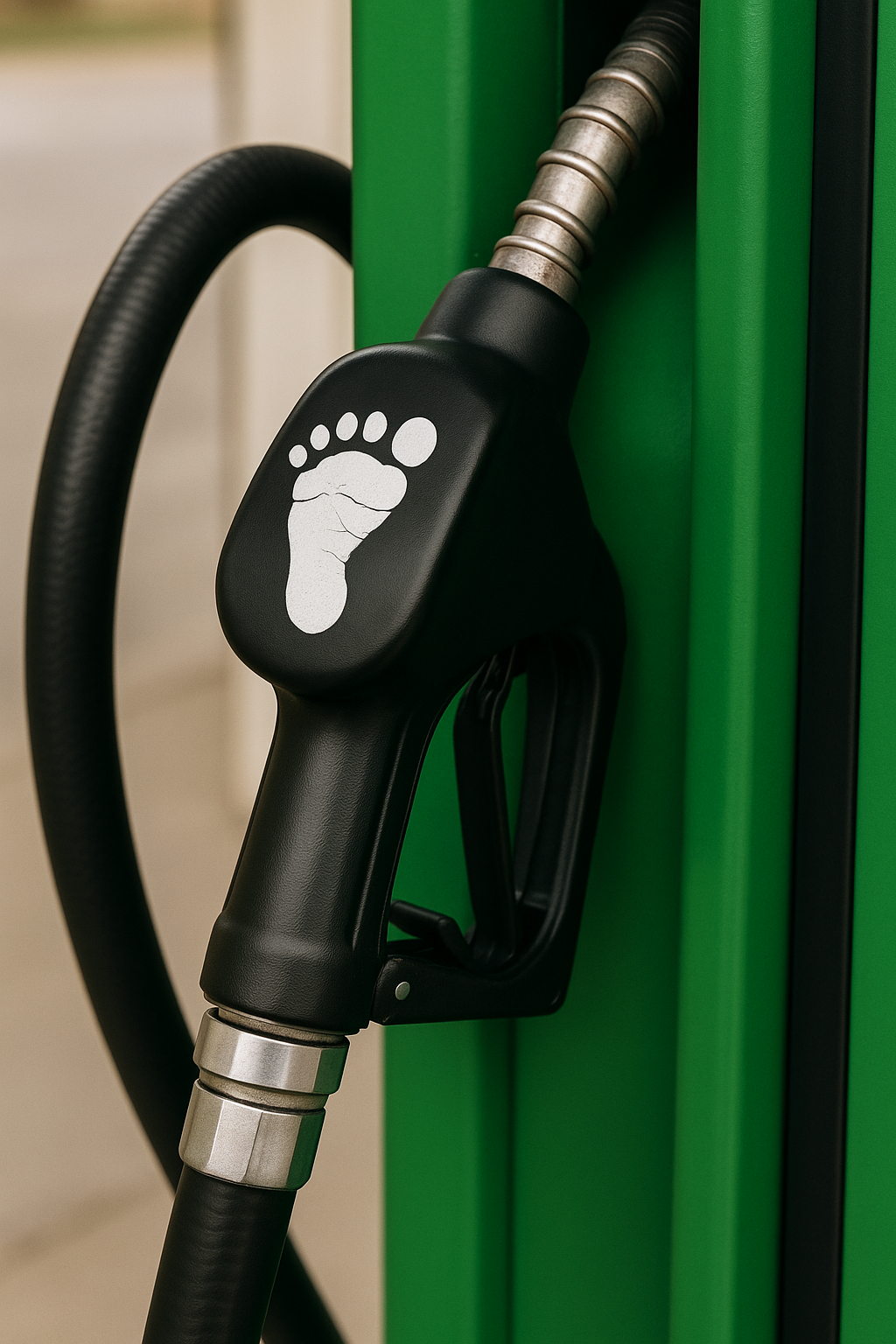
A petrol attendant becomes an unlikely hero, delivering a baby at a Kuils River gas station and changing his life forever.
In a truly amazing moment, a petrol attendant named Chevaan Abrahams helped deliver baby Alakhe right at a Kuils River Caltex station! The mom, Lindiwe Nkosi, had her baby super fast. Chevaan, using simple things he found, was a hero and helped bring a new life into the world. This incredible roadside birth made him a local legend and changed his life forever, showing how everyday people can do extraordinary things.
What happened at the Kuils River Caltex forecourt?
At a Kuils River Caltex forecourt, a 23-year-old petrol attendant named Chevaan Abrahams delivered a baby boy, Alakhe, in an emergency roadside birth. The mother, Lindiwe Nkosi, went into precipitous labor, and Chevaan, using improvised tools, successfully assisted with the delivery before paramedics arrived.
Get Cape Town news in your inbox
Stay updated with the latest stories from the Mother City.
An Ordinary 06:42 That Wasn’t
The first rays over the Bottelary Hills still sting like crushed ice when 23-year-old Chevaan Abrahams zips his padded jacket. Diesel Tuesday at the Van Riebeeck Road Caltex begins in predictable rhythm: taxis idle, bakkies grumble, the coffee urn percolates too long. Eleven months on the apron have taught him every click of the meters, every murmured apology when the card reader times out. Behind the till he keeps a battered first-aid pamphlet next to the window cleaner, because - he tells anyone who lingers - he intends to swap the green Caltex star for ER24’s orange flash.
07:15 – Avanza on the Apron
Headlights stutter beneath the canopy. A white Toyota Avanza slews in at forty-five degrees, passenger door already yawning. The driver, barefoot in shorts, vaults out yelling, “Umkhonto! She’s coming right now!” Inside, Lindiwe Nkosi, twenty-seven and a week shy of her due date, is folded over the dash, each contraction so intense her knees drum the glove box. Her waters broke somewhere between exits 23 and 24 on the N1; she mistook the gush for a bladder leak. Now the seat fabric is dark and glistening.
Chevaan kills the diesel nozzle mid-flow. A bystander claims an ambulance will land in ten minutes, but the attendant knows the morning robots, the school-zone snarl, the fresh potholes near Soneike. He grabs the industrial gloves he normally wears for oil spills, snaps them on, and sprints.
Seven Minutes Between Lane Lines and Life
The vehicle rocks with the next wave. Siya, the driver and soon-to-be father, stares at his own tattoos as if the ink might offer instructions. Chevaan drops to the coarse concrete, isiXhosa rolling off his tongue - soft, rhythmic coaching: “Andi mateyo, kancinci kancinci.” Outside the safety line, spectators swell: a security guard, a bakery cashier, a learner streaming to friends. Under the tubes of fluorescent light the scene looks under-developed, almost monochrome.
A wet crown of hair appears - black curls plastered to a peach-soft scalp. With the next push the head eases out, then eases back, classic two-steps-forward, one-step-back. Chevaan’s memory flips to the single paragraph on precipitous birth: support the occiput, check for cord, rotate for shoulders. His forearms tremble; the seat-belt buckle gnaws his wrist.
Anterior shoulder slips free, then the posterior. A warm splash drapes his shoes. It’s a boy - silent for two heartbeats, then a reedy wail that slices through exhaust and idling engines. Onlookers erupt. The cord pulses lavender; Chevaan loops a finger beneath it, eases the coil over the tiny head. No suction bulb in sight; he wipes mucus from nostrils and mouth with the hem of his own petrol-smudged shirt.
The Moment the Professionals Arrive
ER24’s yellow-green van screeches in at 07:33. Senior medic Liezel October takes one look and exhales a whistle: “You just completed ninety percent of my checklist.” While her partner spikes an IV for oxytocin and Methergine, Chevaan strips off his branded jacket and folds it around mother and newborn skin-to-skin. The cord’s pulse fades; he clamps it in two places with bread-bag clips pilfered from the kiosk, then snips between with the cashier’s office scissors. The proximal end he ties off with mint-flavoured dental floss that once dangled an ID badge.
“Nindifunda nguChevaan,” Lindiwe murmurs to her son - Alakhe, “He has built.”
Viral by Breakfast, Policy by Lunch
Before the ambulance clears the forecourt exit, the footage trends on Twitter: #PetrolForecourtBaby, #AttendantMidwife, #KuilsRiverMiracle. By the time Caltex head office tweets, “We don’t just fuel cars, we fuel futures,” radio stations have remixed Alakhe’s first cry into a station ID.
At 08:30 Dr Keith Cloete, Head of Western Cape Health, rings the station. A learnership is on the table: paid shifts blended with lectures at CPUT’s Emergency Care diploma. Cloete jokes the practical exam is already aced.
Rewind: The Roots of a Quiet Dream
Few customers know Chevaan’s passion ignited at sixteen when his toddler brother swallowed a lollipop stick. Their mother tore through Kraaifontein streets to the day hospital; one triage nurse flicked the obstruction free in a single motion. The memory lodged. He joined St John’s Ambulance in Grade 10, drilled CPR on borrowed dummies, ferried water at rugby games, but matric marks and eight mouths at home deferred university. Petrol-station wages now bankroll night classes in physics and second-hand paramedic texts from Gatesville market.
An Improvised Delivery Cart
| Item | Source | Purpose |
|---|---|---|
| Industrial latex gloves | Workshop rack | Barrier |
| Car-wash towel | Laundry bin | Drape |
| Bread-bag clips | Service kiosk | Cord clamps |
| Mint dental floss | Cashier lanyard | Ligation |
| Foil blanket | Shelf, R9.99 | Thermal wrap |
| Savlon-rinsed scissors | Office drawer | Cut |
| LED bonnet torch | Workshop | Cord check |
| Snap-heat pack | Winter display | Warmth |
Echoes: From One Shift to a Movement
By nightfall #FuelForLife tops South Africa’s trends. Stories carpet Caltex’s Facebook wall: attendants jump-starting dead batteries at 2 a.m., translating GPS instructions for Xhosa grandmothers, patching radiator hoses with cable ties. Someone unearths a 1977 monochrome shot of a Shell forecourt birth in Port Elizabeth - evidence that history, like petrol fumes, lingers.
Dollars, Cents and a Healthy Cry
South Africa’s basic ambulance response carries a R4,800 tab before treatment. An uncomplicated public hospital birth costs the state roughly R17,000. Early stabilisation saved an estimated R9,500 in potential neonatal complications, according to UCT’s Health Economics Unit. For a few minutes, the forecourt morphed into the country’s most cost-effective maternity ward.
19:30 – Management Reacts
Station manager Barend van der Merwe calls an all-hands huddle. A refresher first-aid course is booked for every employee. A laminated “Obstetric Emergency Flowchart” now hangs beside the chip rack. Tuesday 14 May is proclaimed “Alakhe Day” network-wide, and baby-formula discounts jump to 30 percent for winter.
Epilogue by the Numbers
- Elapsed time: 9 minutes 14 seconds from Avanza stop to first cry
- Social reach: 5.7 million TikTok views in 48 hours
- Kits upgraded: 32 Western Cape Caltex outlets fitted with enhanced first-aid pouches
- Volunteer surge: 212 Capetonians enrol at St John’s Ambulance the following weekend, up from the usual eight
The Science in Brief
Precipitous labour - complete delivery inside three hours - occurs in 1–3 percent of pregnancies. Classic risk factors include previous fast births or low maternal BMI; Lindiwe fit none. A 2021 International Journal of Obstetrics paper suggests paternal adrenaline spikes can synchronise with maternal oxytocin, speeding contractions - the tongue-in-cheek “Dad-Panic” effect. The Bottelary Hills provided the soundtrack; Kuils River provided the stage.
21:00 – Clocking Out, Stepping Up
Chevaan signs the overtime slip (R127.50) and walks past the pump where Alakhe drew his first breath. New hoses snake across the tarmac; the night air carries both diesel and jasmine. On the far side of the canopy someone chalked a stork in blue dust. He doesn’t pause long - tomorrow he tackles the CPUT application and tonight the Krebs cycle awaits, because entrance exams bow to no miracle.
What extraordinary event took place at a Caltex station in Kuils River?
At a Caltex forecourt in Kuils River, a petrol attendant named Chevaan Abrahams helped deliver baby Alakhe in an emergency roadside birth. The mother, Lindiwe Nkosi, went into rapid labor, and Chevaan, using improvised items, successfully assisted with the delivery before paramedics arrived.
Who is Chevaan Abrahams and what makes his actions remarkable?
Chevaan Abrahams is a 23-year-old petrol attendant who, despite his lack of formal medical training, delivered a baby at his workplace. His quick thinking, composure under pressure, and ability to improvise with items like bread-bag clips and dental floss to cut and tie the umbilical cord made him a local hero and demonstrated his extraordinary capacity to act in a critical situation.
What are some of the improvised tools Chevaan used during the delivery?
Chevaan utilized several everyday items for the delivery. These included industrial latex gloves from the workshop, a car-wash towel, bread-bag clips from the service kiosk for cord clamping, mint-flavored dental floss to tie off the cord, Savlon-rinsed scissors from the office drawer for cutting, and an LED bonnet torch for checking the cord. He even used the hem of his petrol-smudged shirt to clear the baby's airways.
What impact did this event have on Chevaan Abrahams' future?
This incredible delivery significantly changed Chevaan's life. His actions caught the attention of Dr. Keith Cloete, Head of Western Cape Health, who offered him a learnership combining paid shifts with lectures for an Emergency Care diploma at CPUT. This event helped accelerate his long-held dream of becoming a paramedic, a dream he had pursued through night classes and first-aid volunteer work.
How did the Caltex station and wider community react to the incident?
The incident quickly went viral on social media, trending with hashtags like #PetrolForecourtBaby and #KuilsRiverMiracle. Caltex head office issued supportive statements, and the station management implemented a refresher first-aid course for all employees and installed an "Obstetric Emergency Flowchart." The event also led to 32 Western Cape Caltex outlets upgrading their first-aid pouches and a significant surge in volunteers enrolling at St John's Ambulance.
What is 'precipitous labor' and how common is it?
Precipitous labor is defined as a complete delivery occurring within three hours of the onset of contractions. It is a relatively rare occurrence, happening in only about 1-3 percent of pregnancies. While risk factors can include previous fast births or low maternal BMI, the mother in this case, Lindiwe Nkosi, did not fit these typical criteria.

Chloe de Kock is a Cape Town-born journalist who chronicles the city’s evolving food culture, from township braai joints to Constantia vineyards, for the Mail & Guardian and Eat Out. When she’s not interviewing grandmothers about secret bobotie recipes or tracking the impact of drought on winemakers, you’ll find her surfing the mellow breaks at Muizenberg—wetsuit zipped, notebook tucked into her backpack in case the next story floats by.
View all articles →