
LEOPARDS IN THE WILD: HOW THEY HUNT AND SURVIVE
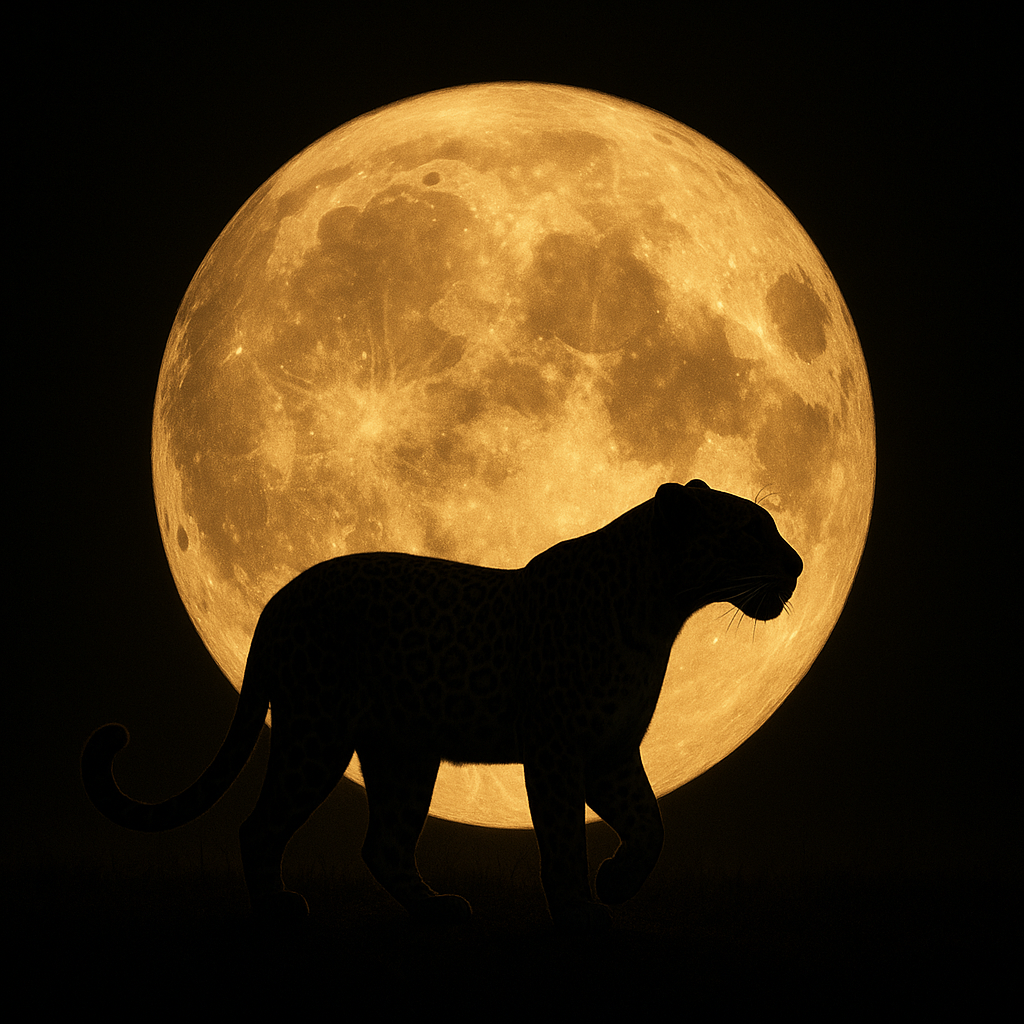
Explore the hidden life of leopards: their incredible adaptations, secretive behaviors, and complex interactions that ensure survival.
Leopards are masters of survival in dry lands, using amazing tricks to find water and stay cool. They even make their own water inside their bodies and lick dew from their whiskers! These clever cats also use underground homes to protect their babies and hide from bugs. They leave secret scent messages to find their way and talk to other leopards, showing how smart and tough they are.
How do leopards survive in arid environments?
Leopards survive in arid environments by manufacturing water internally and minimizing water loss through meticulous grooming. Nursing females also capture dew from their whiskers. They utilize underground burrows to maintain humidity for cubs and manage parasites, and strategically use scent markings to navigate and interact.
Get Cape Town news in your inbox
Stay updated with the latest stories from the Mother City.
A Dawn Waltz Across Dust and Silver Grass
First light paints the Southern African bush in tones of rust and muted gold, yet long before that glow touches the sand, the actors have already taken their places. Impala ears swivel at a jackal’s distant cry, francolins pause in mid-step, and a solitary male leopard drifts along the lip of an empty riverbed. His paws leave no trace; grains lie undisturbed, as if the cat rides an invisible current rather than walks. Telemetry tells us cats patrolling more than one hundred square kilometres in a single night rarely stray farther than four hundred metres from the trail they used three weeks earlier. This fidelity to ghost-paths is part of why the leopard still prospers while bigger, louder carnivores dwindle.
Across the basin the scene repeats: same sand, same scrub, same low silver grass, yet each leopard threads a route of its own. Repetition is not monotony; it is insurance. A 2022 drone survey over the southern Kalahari logged the same adult male retracing a 12-kilometre loop through acacia islands on eighteen consecutive nights, deviating less than the width of a double-track road. Such precision saves energy and reduces the chance of bumping into the neighbour whose snarl he heard yesterday.
The choreography keeps the savanna’s ledger in balance. Impala graze where leopards were absent the night before; francolins feed in the short intervals between one cat’s exit and another’s arrival. Thus a whole ecosystem ticks forward, second-hand set by the leopard’s clock.
The Body’s Secret Reservoirs
In the central Kalahari, surface water disappears for nine months at a stretch, yet grown leopards drink no more than four or five times a year. They manufacture water internally, oxidising blood and tissue, then void highly concentrated urine. Meticulous grooming lowers cutaneous losses to less than thirty millilitres an hour on windless nights. Collars carrying miniature hygrometers record dens of nursing mothers holding eight to twelve percent more humidity than the open air. The surplus arrives via breath, licking, and heat rising off sun-warmed granite walls. Cubs born during drought open their eyes in these pockets of borrowed moisture.
A brief excursion illustrates the system’s thrift. A lactating female in the upper Molopo was tracked for eight days without visiting a single waterhole. Her collar logged a net mass loss of only four percent, even though she delivered milk to three cubs twice a night. Post-mortem analysis showed kidney tissue twice as dense as that of lions living near permanent pans. Internal recycling keeps her alive; external recycling keeps her young comfortable.
Nursing females also time their movements to capture dew. At 03:30 on winter nights, humidity spikes atop limestone ridges where cold air drains downward. The leopard pauses, lets condensation bead on her whiskers, then licks them clean - an effortless sip that costs nothing to carry.
Underground Suites and Lunar Calendars
Where the land is tree-poor and shade scarce, leopards borrow real estate. In the upper Molopo basin, sixty-two percent of daytime rests lie within twenty-five metres of an aardvark or porcupine burrow. Cats do not enlarge the tunnels; instead they flatten ribs, flex spines, and wriggle into crevices barely twenty centimetres wider than their chest girth. Night-vision cameras show them backing in headfirst, tail-tip left outside like a sprung trip-wire. Rotating among three-to-five burrow clusters on a schedule that mirrors the lunar cycle interrupts flea and tick life stages; fourteen to sixteen days of vacancy starve the parasites.
The pattern is not random. New-moon dark means heavy use of deeper warrens; full-moon glare pushes cats into shallower scrapes under shrubs. One female maintained this rhythm for fourteen consecutive months without a single deviation recorded by her GPS collar. Biologists viewed this as parasite management masquerading as astrology.
Males, by contrast, use burrows differently. They cache small kills - hares, mongooses, even guineafowl - inside the outer chambers, preventing hyenas from discovering the meal. A captured leopard “redecorated” a porcupine den with an impala fawn wedged tight behind the bend where only supple feline shoulders could reach.
Scent as Timekeeper
Every forty-eight to ninety-six hours a leopard refreshes its invisible bulletin board. Chemical dissection of 482 spray samples from Greater Kruger identified over ninety volatile compounds, yet just nine act as personal signatures. Cotton-wick tests prove resident females can recognise their own previous marks for at least fourteen days, even after light drizzle.
Reading these olfactory time-stamps changes behaviour. A male encountering female urine older than sixty hours labels the spot “vacant” and resumes cruising. If the mark is fresher than thirty hours, he often hunkers down to intercept the donor. Courtship, avoidance, negotiation - everything rides on the decay curve of nine volatile molecules.
Sub-adults treat the network as homework. A nine-month-old male spent three nights trailing his older sister through her scent grid, sniffing each post, sometimes over-marking, sometimes not. Within two weeks he had replicated her loop and added four new nodes of his own - an apprenticeship in cartography no human could see until GPS mapped it.
How do leopards survive in arid environments?
Leopards are masters of survival in dry lands, employing several ingenious strategies. They manufacture water internally by oxidizing blood and tissue, minimizing the need for external water sources. They also meticulously groom themselves to reduce cutaneous water loss and nursing females can even lick dew from their whiskers. Additionally, they utilize underground burrows to maintain humidity for their cubs and manage parasites, and strategically use scent markings to navigate and interact with other leopards.
What are some unique behaviors leopards exhibit regarding water conservation?
Leopards exhibit remarkable behaviors for water conservation. In regions like the central Kalahari where surface water is scarce for months, adult leopards drink as infrequently as four or five times a year. They achieve this by internally producing water and voiding highly concentrated urine. Nursing mothers are known to time their movements to capture dew, pausing to let condensation bead on their whiskers and then licking it clean, an effortless way to hydrate in arid conditions.
How do leopards use underground burrows?
Leopards ingeniously use underground burrows, often those dug by aardvarks or porcupines, as critical shelters. These burrows provide protection for their cubs, offering a humid environment crucial for their development, especially during droughts. They also use these subterranean homes to escape from bugs and manage parasites, rotating among different burrow clusters on a lunar-cycle-like schedule to break the life cycle of fleas and ticks. Males also use burrows to cache small kills, protecting them from scavengers like hyenas.
How do leopards navigate and communicate using scent?
Leopards use scent as a sophisticated system for navigation and communication, essentially creating an "invisible bulletin board." They refresh their scent marks every 48 to 96 hours, with chemical analyses identifying complex compounds that act as personal signatures. These olfactory time-stamps convey crucial information; for example, a male leopard can determine if a female's urine mark is fresh enough (under 30 hours) to indicate her recent presence, potentially leading to an encounter, or if it's older (over 60 hours), signaling the area as vacant. This system facilitates courtship, avoidance, and negotiation, and young leopards even learn their territorial routes by trailing older individuals and deciphering their scent grids.
How do leopards maintain their territories and routes?
Leopards demonstrate remarkable fidelity to their routes, often retracing

Lerato Mokena is a Cape Town-based journalist who covers the city’s vibrant arts and culture scene with a focus on emerging voices from Khayelitsha to the Bo-Kaap. Born and raised at the foot of Table Mountain, she brings an insider’s eye to how creativity shapes—and is shaped by—South Africa’s complex social landscape. When she’s not chasing stories, Lerato can be found surfing Muizenberg’s gentle waves or debating politics over rooibos in her grandmother’s Gugulethu kitchen.
View all articles →