
Meet the spotted gully sharks at the Two Oceans Aquarium
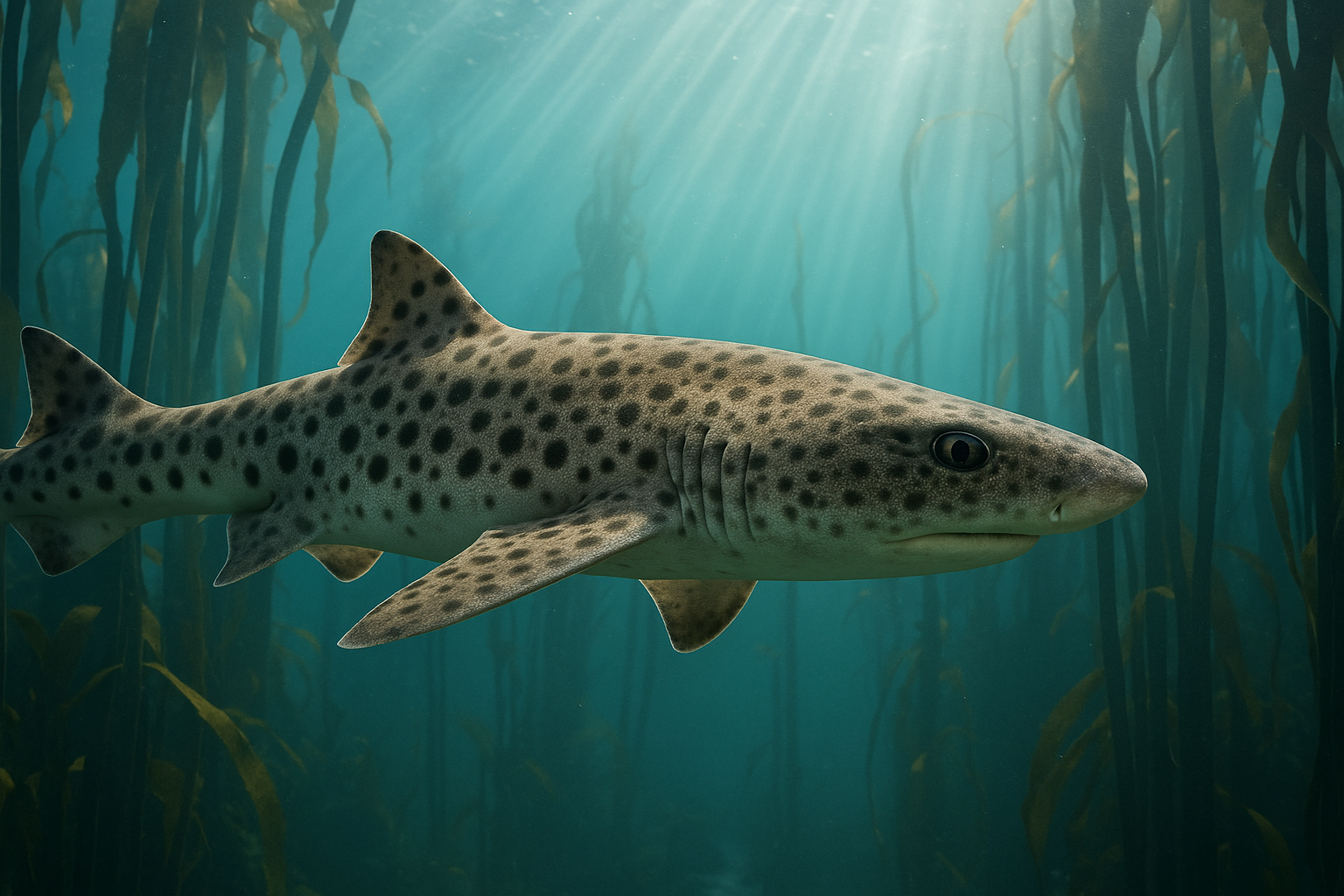
Discover the Two Oceans Aquarium's spotted gully shark, a local legend with unique adaptations, behavior, and conservation needs.
The spotted gully shark, a quiet icon of the Two Oceans Aquarium, is a slender shark found only along the Southern African coast. Known for its charcoal-flecked cloak, this shark exhibits subtle charisma, adapting its feeding tools with age and showcasing a remarkable 20-24 month gestation period. Its unique features, from its spots to its changing teeth, tell a story of adaptation and survival in its coastal home. This amazing creature is a true superstar, teaching us about the ocean's wonders and the importance of conservation.
What is a spotted gully shark?
The spotted gully shark is a slender shark species found only along the southern African coast. Known for its charcoal-flecked cloak, this shark exhibits subtle charisma, adapting its feeding tools with age and showcasing a remarkable 20-24 month gestation period, making it a quiet icon of the Two Oceans Aquarium.
Get Cape Town news in your inbox
Stay updated with the latest stories from the Mother City.
Section 1 – A Subtle Superstar in the Aquarium’s Spotlight
Subtle Charisma Among Giants
While the Two Oceans Aquarium dazzles guests with ragged-tooth sharks that drift like carved relics and fur-seal acrobatics overhead, the slender figure of the spotted gully shark moves with understated confidence. Confined in range yet rich in story, this shark patrols only the southern African coast, from Walvis Bay in Namibia to Coffee Bay in the Eastern Cape. Within the Cape Town facility it glides through the Kelp Forest and Cold Reef exhibits, its charcoal-flecked cloak shimmering against towers of golden Ecklonia maxima and rust-red urchins. Every glide past the curved glass reframes the visitor’s idea of what “shark” can be: not one monolithic threat but a spectrum of form, size and temperament.
The Visual Code Written in Fins and Spots
Three clues betray the shark’s identity before any label is read. Ebony freckles, each a melanophore, intensify with age until older adults look powdered with soot confetti. The two dorsal fins rise to almost equal height, giving the profile a bi-plane outline rather than the classic torpedo. At the snout’s tip, enlarged nasal flaps curl like cupped palms, steering the faintest scent toward olfactory pits. Under the skin, w-shaped muscle bands fire in rapid succession, letting the animal hover motionless above sand, then surge forward in one whip-crack motion.
Armor Built for Reef Scrapes
Overlapping dermal scales carry three low ridges that shave drag off the body’s boundary layer. This sand-paper surface once served early Khoisan artisans; dried skins worked as rasps for smoothing bone tools. Each scale locks into the dermis by a web of collagen fibers, creating flexible protection against the razor edges of mussel-covered reefs.
Section 2 – Feeding Toolbox, Depth Preferences and the Epic Pregnancy
A Mouth That Changes with Menu
Lift the lip - as veterinarians do during routine checks - and you find molars in the rear and needle cusps up front. Juveniles under one metre use the flat teeth to pulverise porcelain crabs; adults longer than 1.4 m skewer octopus arms and klipfish with the pointed cusps before the pharyngeal mill mashes the prey to pulp. Stomach surveys by the South African Institute for Aquatic Biodiversity reveal a seasonal menu: soft-shelled crabs dominate winter, while spring brings spawning squid whose fatty tissues turbo-charge ovarian growth in females.
Mapping Micro-Habitats along 2,500 km of Coast
By day the sharks lounge in sandy gutters between 8 and 18 metres, camouflaged by kelp-shadow mosaics. After dusk, acoustic tags show them commuting to ankle-deep surf to ambush disoriented fish caught in foam. The same loggers record quick plunges to 50 metres along the shelf edge, where chilled, nutrient-rich upwellings concentrate prey. Temperature gauges prove the shark tolerates 11–22 °C, making it a living barometer for climate-driven range shifts where the Benguela and Agulhas systems meet.
Twenty-Four Months of Motherhood
Reproduction follows ovoviviparity: fertilised eggs remain inside the mother, turning into fully formed pups over a record-breaking 20–24 months - the longest gestation logged for any South African shark. Early embryos feed on yolk alone; halfway through, a temporary placenta forms to deliver extra nutrients. New-borns arrive tail-first at 35–40 cm, six to twelve per litter, though a De Hoop female once carried fourteen. Because females breed only every second or third year, even a modest 3 % annual removal of adult females could halve the population in thirty years - an unsettling contrast to its current “Least Concern” label.
Section 3 – Night Moves, Human Partnerships and Life in Captivity
After-Dark Energy Surge
Infrared lenses in the Two Oceans Aquarium reveal a nightly burst of activity: from 21:00 to 03:00, resident sharks double their cruising speed, gill movements spike and snouts probe the sand in search of buried prey. Green flashes from ostracod crustaceans trigger momentary pauses; each shark’s reflector-packed eyes glow sky-blue under dim light. A lateral-line canal running the length of the body picks up water displacements one-millionth of a metre wide, letting the shark pinpoint crabs by the tiny currents of their breathing.
Citizen Scientists and Digital Gates
Legal protection under South Africa’s Marine Living Resources Act already bans commercial harvest and enforces strict recreational size limits. To strengthen enforcement, the Spot-the-Shark programme invites divers to upload dorsal-fin photographs. An AI model trained on spot and fin contours has recognised 286 unique individuals, providing non-invasive population estimates. Further south, acoustic gates at the mouth of False Bay show 42 % of tagged adults remain inside the bay for more than eight straight months, confirming the area as a year-round stronghold.
Husbandry Requires Diplomacy, Not Drama
Inside the Aquarium, staff balance chemistry and psychology. Meals come three times weekly - 4 % of body weight in sustainable hake, squid and vitamin-soaked blue mussels. Dominance is settled through gentle body tilts rather than bites. Water mirrors the Cape’s kelp forest: 15.5 °C, salinity 34.7 ppt, dissolved oxygen above 95 %. Curved acrylic panels 120 mm thick give the sharks a 180-degree view of approaching visitors - a simple trick that curbs stereotypic circling.
Section 4 – Echoes from the Past, Glimpses of Tomorrow
From Drill-Beads to Hashtags
Khoisan middens at Paternoster hold vertebrae drilled into beads, proof that the shark carried symbolic weight long before biodiversity campaigns. Today, surf photographers sell prints of gully-sharks gliding beneath translucent wave lips, fusing commerce with conservation. Stellenbosch University scientists have now sequenced the complete mitochondrial genome, uncovering rare heat-shock proteins that could guide medical research into hypoxia tolerance. In 2025, the Two Oceans Aquarium will test AR goggles that overlay real-time gestation timelines on free-swimming females, turning each viewing window into an interactive classroom.
A Protagonist in the Southern Sea Epic
By blending hard science, cutting-edge tech and living heritage, the spotted gully shark steps from the background to centre stage. It is no longer just another brown shark behind glass; it is a timekeeper of coastal climate, a participant in citizen-science networks and, most importantly, a reminder that every species writes its own chapter in the vast, still-unfolding story of the southern African ocean.
What is a spotted gully shark?
The spotted gully shark is a slender shark species found exclusively along the Southern African coast, from Walvis Bay in Namibia to Coffee Bay in the Eastern Cape. It is characterized by its charcoal-flecked cloak and two dorsal fins of almost equal height. It's a quiet icon at the Two Oceans Aquarium, known for its unique adaptations and long gestation period.
Where can spotted gully sharks be found?
Spotted gully sharks are endemic to the Southern African coast, inhabiting waters from Walvis Bay in Namibia to Coffee Bay in the Eastern Cape. They prefer sandy gutters between 8 and 18 meters deep during the day, but acoustic tags have shown them commuting to shallow surf at night and even making quick plunges to 50 meters along the shelf edge. They can tolerate a wide temperature range of 11–22 °C.
How long is a spotted gully shark's gestation period?
Spotted gully sharks have a remarkable gestation period of 20-24 months, which is the longest recorded for any South African shark. They are ovoviviparous, meaning the fertilized eggs develop inside the mother. Early embryos feed on yolk, and later, a temporary placenta forms to provide additional nutrients. Females typically give birth to 6-12 pups per litter, though up to 14 have been observed.
What do spotted gully sharks eat, and how does their diet change?
Their diet changes with age and season. Juveniles under one meter primarily use their flat molar-like teeth to pulverize porcelain crabs. Adults, longer than 1.4 meters, use their pointed cusps to skewer prey like octopus and klipfish. Stomach surveys indicate a seasonal menu: soft-shelled crabs are common in winter, while spawning squid, rich in fatty tissues, are consumed in spring, aiding ovarian growth in females.
How does the Two Oceans Aquarium care for spotted gully sharks?
The Two Oceans Aquarium maintains specific conditions to replicate the sharks' natural habitat, including water temperature (15.5 °C), salinity (34.7 ppt), and dissolved oxygen levels (above 95%). The sharks are fed three times weekly with sustainable hake, squid, and vitamin-soaked blue mussels, amounting to 4% of their body weight. The curved acrylic panels of the exhibits are designed to provide a 180-degree view for the sharks, preventing stereotypic circling behavior often seen in confined spaces.
What conservation efforts are in place for spotted gully sharks?
Spotted gully sharks are legally protected under South Africa’s Marine Living Resources Act, which bans commercial harvest and enforces strict recreational size limits. The "Spot-the-Shark" program encourages divers to upload dorsal-fin photographs, which an AI model uses to identify unique individuals and estimate population numbers. Additionally, acoustic gates in False Bay monitor tagged adults, confirming the area as a year-round stronghold. Despite being currently labeled "Least Concern," their long gestation period means even small annual removals of adult females could significantly impact their population over time.

Emma Botha is a Cape Town-based journalist who chronicles the city’s shifting social-justice landscape for the Mail & Guardian, tracing stories from Parliament floor to Khayelitsha kitchen tables. Born and raised on the slopes of Devil’s Peak, she still hikes Lion’s Head before deadline days to remind herself why the mountain and the Mother City will always be her compass.
View all articles →