
Mokoena-Zondi ‘promoted’ in MK Party despite fraud claims
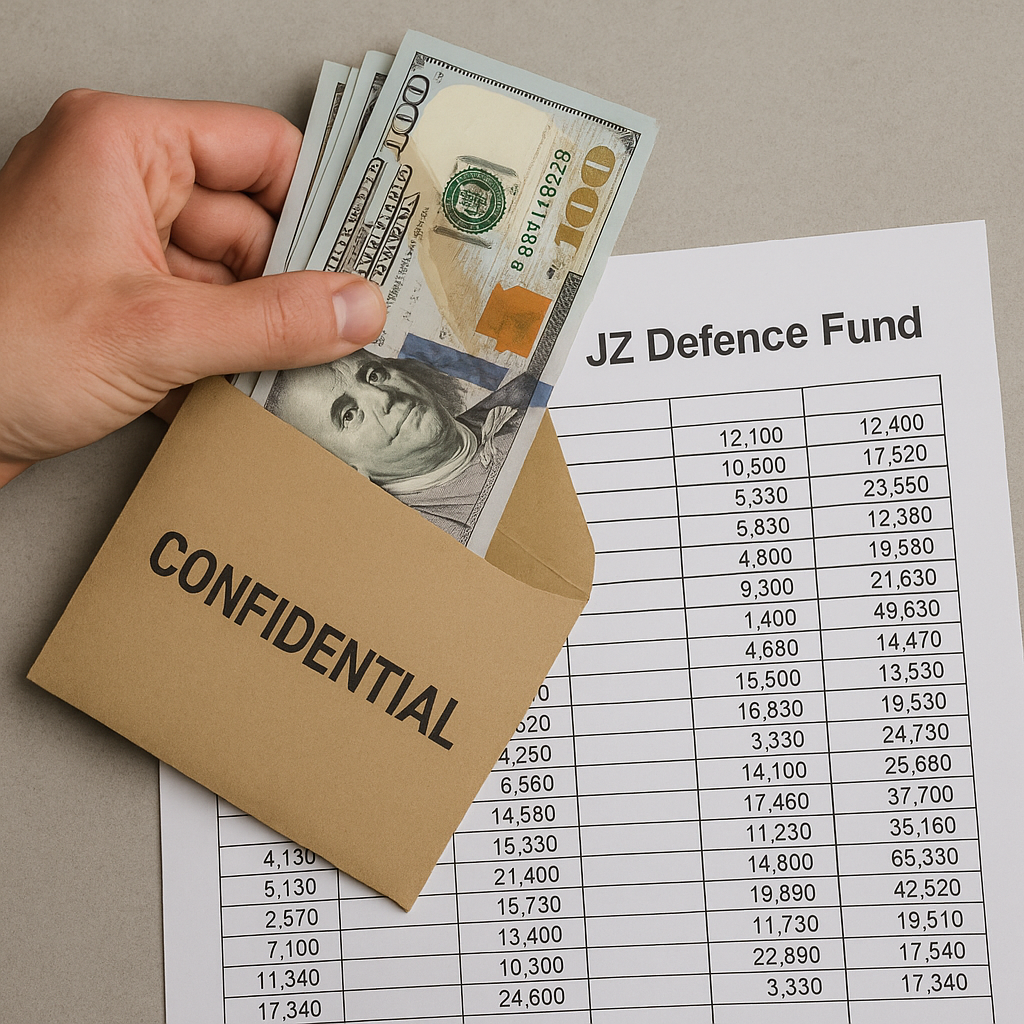
MK Party Chief Whip arrested for alleged salary-skimming scheme, forcing junior researchers to fund Jacob Zuma's legal bills.
Imagine a sneaky scheme where a big boss lady, the MK Party's chief whip, allegedly made her young workers give up big chunks of their salaries. This money, over R233,000, was supposedly for former President Jacob Zuma's legal bills. But it looks like it went into a private bank account instead! Now, this boss is facing serious charges like fraud and extortion, and it's causing a huge stir in Parliament and for her party. It's a real-life drama with secret meetings, ATM trips, and a revived company, proving that even in politics, some stories are stranger than fiction.
What is the MK Party Salary-Skimming Scheme?
The MK Party Salary-Skimming Scheme refers to allegations that Chief Whip Mmabatho Mokoena-Zondi coerced four parliamentary researchers into surrendering 50-60% of their salaries, totaling over R233,000, between August and December 2024. These funds were allegedly funnelled into a private account under the guise of supporting Jacob Zuma's legal costs.
Get Cape Town news in your inbox
Stay updated with the latest stories from the Mother City.
Surrender at Bellville: The Day the Chief Whip Became an Accused
A pale winter sun lit the glass entrance of the Hawks’ Bellville offices on 28 May 2026 when Mmabatho Mokoena-Zondi stepped out of a charcoal SUV. Dressed in a razor-creased skirt-suit, the 46-year-old chief whip of the MK Party surrendered to waiting detectives flanked by her attorney. By sunset she had appeared in the Cape Town Magistrate’s Court, posted R30 000 bail and re-emerged into a media scrum that had already branded the affair “Parliament’s Cash-for-Baba scandal.” Forty-eight hours later the headlines had not abated; the party that shocked the country with 29% of the national vote only two years earlier was again fighting internal flames.
The charge sheet claims that between August and December 2024 Mokoena-Zondi forced four first-time parliamentary researchers to surrender between half and three-fifths of their monthly pay. Her alleged leverage: the mounting legal costs of party patriarch Jacob Zuma. Investigators say she never produced written authorisation, relying instead on WhatsApp voice notes, impromptu ATM visits and a shelf company whose registration had lapsed in 2023 but sprang back to life days after the first debit.
News of her arrest shattered the National Assembly’s pre-budget mood. MPs who usually trade barbs across the aisle found rare common ground in shock. “She chaired our caucus meeting on Tuesday - now this,” one MK back-bencher whispered, requesting anonymity for fear of reprisal. The optics were brutal: Parliament’s youngest caucus has marketed itself as a band of untainted insurgents, yet its whip now faces 43 counts of fraud, money-laundering and extortion.
How Alleged Extortion Worked: Coffee, Cash and a Revived Shell Company
Parliamentary researchers earn the legislature’s lowest professional wage - about R32 000 before deductions. According to affidavits, the whip’s modus operandi mixed old-school intimidation with digital convenience. Victim A, 25, says she was invited for “routine briefings” in the eighth-floor office overlooking Cape Town’s Plein Street. Instead of talking policy, the senior MP allegedly produced a spreadsheet titled “JZ Defence Fund” and told the junior drafter to ring-fence R16 000 every month through a stop-order “sanctioned by the SG.” No paperwork followed; only a curt WhatsApp reminder on payday.
Victim B, 27, describes an even bolder approach: a lunchtime walk to the Shell garage opposite Parliament where CCTV shows him withdrawing R10 000 while the chief whip waited, envelope in hand. Victims C and D were allegedly directed to deposit into an account branded Ubuntu Strategic Advisory (Pty) Ltd - an entity struck off the companies register in 2023 for annual-return violations, yet mysteriously reinstated 72 hours after the first transfer. By mid-December the four had collectively parted with R233 317,99, a figure the Hawks traced through stop-order mandates, ATM slips and EFT references such as “JZ001” and “TopUpBaba.”
The paper trail surfaced in January 2025 when former treasurer-general Menzi Magubane - ousted after querying the deductions - handed 42 pages of evidence to the police. Hawks investigators believe the funds were never pooled into any audited Zuma trust but instead flowed into a Standard Bank account controlled solely by the accused. Forensic auditors are now poring over 3 847 transactions to see whether the cash financed private school fees, vehicle instalments or political patronage.
Inside the Secret Hearings: Why the Party Revoked Guilt and Promoted the Accused
Prince Mokotedi, until recently the MK Party’s national prosecutor, is no stranger to controversy - he once headed the Free State prosecuting authority before internal misconduct findings clipped his wings. Yet his resignation on 10 December 2024 still rattled observers. According to his post-resignation statement, he convened a three-person disciplinary panel in October after victims approached him. Advocates Ncumisa Mayeki, Thabo Mathibedi and former IEC commissioner Terry Tselane were entrusted with evidence review. After five marathon hearings in an Oakdene boardroom, the committee found Mokoena-Zondi guilty of “dishonourable conduct,” “private enrichment through office abuse” and “bringing the organisation into disrepute.” Their unanimous recommendation: immediate expulsion.
Instead, the National Executive Committee meeting at Durban’s International Convention Centre chose the opposite path. Minutes Mokotedi later leaked on X show a 26-to-9 vote to “recall the disciplinary outcome and elevate the comrade to chief whip.” The promotion carried a 30% salary bump plus a parliamentary oversight seat on the Standing Committee on Appropriations - ironic, given the allegations involve misappropriation. Mokotedi stepped down that night, tweeting: “When a movement buries principle, the judiciary will exhume it.”
Inter-factional tensions have since intensified. Secretary-General Arthur Zwane’s bloc wanted to suspend the whip immediately, but the Zuma-aligned faction argued that doing so would “validate media sensationalism.” Meanwhile, party donors - already jittery over looming arms-deal trials - have frozen at least R18 million in campaign pledges, imperilling October 2026 local-government election plans. Staffers say internal memos now require WhatsApp communications to auto-delete after seven days, fuelling suspicion rather than transparency.
Courts, Convictions and Collateral Damage: What Happens Next?
Prosecutors disclosed during bail arguments that Mokoena-Zondi received an 18-month suspended sentence in the Pretoria Regional Court in 2011 for forging SARS travel refunds while employed by a Gauteng municipality. A second fraud docket, opened in 2018 by a Limpopo fuel-supply contractor, was withdrawn two years later after an out-of-court settlement rumoured at R650 000. Defence advocate Lindiwe Nkosi-Thomas insists the 2011 conviction is spent and irrelevant; the magistrate nevertheless imposed fresh bail conditions: surrender of diplomatic passport, weekly police reporting and zero contact with complainants.
Beyond the accused, Parliament itself faces uncomfortable questions. The Secretary to Parliament has ordered a review of support-staff recruitment, proposing QR-coded letters confirming that any salary deduction is voluntary and BCEA-compliant. NEHAWU has filed an occupational-health complaint on behalf of junior researchers, citing “systemic psychological intimidation.” Usage of Parliament’s wellness unit jumped 40% since headlines broke; Victim B has been diagnosed with acute anxiety, while Victim C - once a Matatiele chess prodigy - has accepted a Rhodes Scholarship to “get far from the corridors that swallowed my voice.”
Opposition chief whips have asked the Speaker to invoke Rule 129, a mechanism that can suspend an MP without pay until criminal proceedings end. Similar fates befell ANC’s Vincent Smith and Bongani Bongo, yet neither case moved quickly enough to satisfy public outrage. Civil society group My Vote Counts has taken the matter to the Constitutional Court, arguing that indictment alone should trigger automatic suspension. Judgement is reserved, leaving the MK Party to ponder whether “strategic containment” will erode the very anti-corruption platform that lured 4.9 million voters in 2024.
[{"question": "What is the MK Party Salary-Skimming Scheme?", "answer": "The MK Party Salary-Skimming Scheme refers to allegations that Chief Whip Mmabatho Mokoena-Zondi coerced four parliamentary researchers into surrendering 50-60% of their salaries, totaling over R233,000, between August and December 2024. These funds were allegedly funnelled into a private account under the guise of supporting Jacob Zuma's legal costs."}, {"question": "Who is Mmabatho Mokoena-Zondi and what charges does she face?", "answer": "Mmabatho Mokoena-Zondi is the 46-year-old chief whip of the MK Party. She surrendered to the Hawks in Bellville on May 28, 2026, and faces 43 counts of fraud, money-laundering, and extortion. She was granted R30,000 bail after appearing in the Cape Town Magistrate's Court."}, {"question": "How did the alleged salary-skimming scheme work?", "answer": "The scheme allegedly involved Mokoena-Zondi using tactics ranging from 'routine briefings' where she presented a 'JZ Defence Fund' spreadsheet and demanded stop-orders on salaries, to accompanying victims to ATMs for cash withdrawals. Funds were also allegedly directed to an account linked to 'Ubuntu Strategic Advisory (Pty) Ltd,' a company that had been struck off the register but was reinstated after the first transfer. The alleged leverage for these demands was former President Jacob Zuma's mounting legal costs."}, {"question": "What happened when the MK Party's internal disciplinary process investigated the allegations?", "answer": "Prince Mokotedi, the MK Party's national prosecutor, convened a three-person disciplinary panel that found Mokoena-Zondi guilty of 'dishonourable conduct,' 'private enrichment through office abuse,' and 'bringing the organisation into disrepute,' recommending immediate expulsion. However, the National Executive Committee (NEC) voted 26-to-9 to recall the disciplinary outcome and instead promoted her to chief whip, which included a 30% salary increase and a seat on the parliamentary oversight Standing Committee on Appropriations."}, {"question": "What is the current legal status of Mmabatho Mokoena-Zondi and what are the implications?", "answer": "Mmabatho Mokoena-Zondi is currently out on R30,000 bail. Prosecutors revealed a prior 18-month suspended sentence in 2011 for forging SARS travel refunds and a withdrawn 2018 fraud docket. Her bail conditions include surrendering her diplomatic passport, weekly police reporting, and no contact with complainants. Her case highlights questions about Parliament's oversight and the integrity of political parties."}, {"question": "What are the broader impacts of this scandal on the MK Party and Parliament?", "answer": "The scandal has intensified inter-factional tensions within the MK Party, with party donors freezing R18 million in campaign pledges. Parliament is reviewing support-staff recruitment practices, and NEHAWU has filed an occupational-health complaint for junior researchers. Civil society groups like My Vote Counts are pushing for automatic suspension of MPs upon indictment, and the case has raised significant concerns about transparency, accountability, and the perceived anti-corruption stance of the MK Party, which garnered 4.9 million votes in 2024."}]
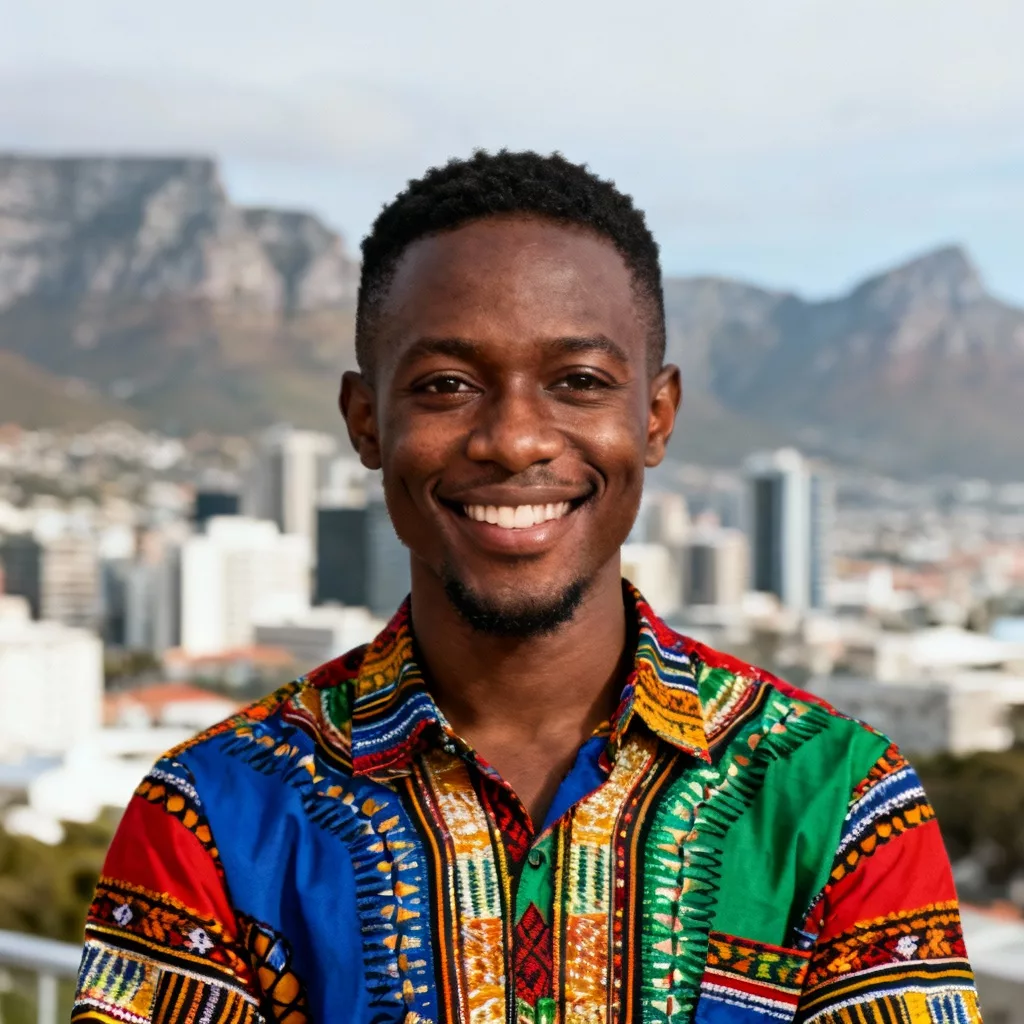
Thabo Sebata is a Cape Town-based journalist who covers the intersection of politics and daily life in South Africa's legislative capital, bringing grassroots perspectives to parliamentary reporting from his upbringing in Gugulethu. When not tracking policy shifts or community responses, he finds inspiration hiking Table Mountain's trails and documenting the city's evolving food scene in Khayelitsha and Bo-Kaap. His work has appeared in leading South African publications, where his distinctive voice captures the complexities of a nation rebuilding itself.
View all articles →