
Mozambique says 5 citizens killed in SA ‘xenophobic attacks’
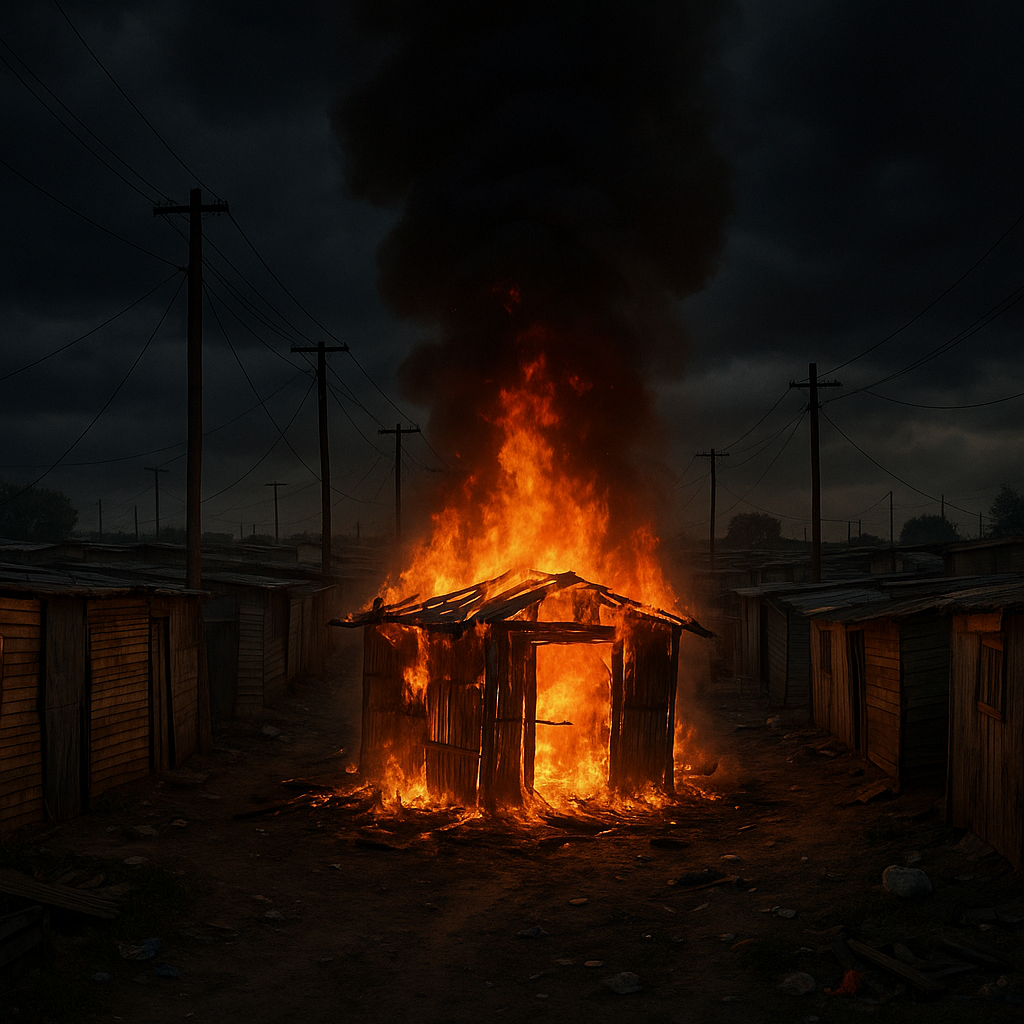
Mossel Bay erupts in anti-migrant violence, killing five. This article dissects the crisis's roots in regional migration, politics, and historical tensions.
Mossel Bay, a fast-growing town in South Africa, exploded in anti-migrant violence. Economic struggles, water shortages, and political campaigning fueled local anger. An alleged assault by a migrant sparked riots, burning buildings, and tragic deaths. This chaos, rooted in old tensions, shows how easily fear can ignite a community.
What caused the recent anti-migrant violence in Mossel Bay, South Africa?
The recent anti-migrant violence in Mossel Bay, South Africa, was sparked by rising local tensions over migration, exacerbated by economic hardship, water shortages, and political campaigning. A particular incident involving an alleged assault by a migrant-run business escalated into widespread protests, arson, and xenophobic attacks, resulting in multiple deaths and displacements. Long-standing grievances, insufficient infrastructure, and the upcoming by-elections fueled the unrest against foreign nationals.
Get Cape Town news in your inbox
Stay updated with the latest stories from the Mother City.
From Calm Waters to Molten Rooftops
Early on 26 May, the Mossel Bay waterfront - usually alive with the slap of squid crates heading for export - trembled under a different sound: several hundred locals massing at the gates of KwaNonqaba informal settlement to chant “Send the strangers home.” Within minutes, the protest ricocheted across WhatsApp, voice notes in xiChangana urging Mozambicans to “grab the kids and run tonight.” Before sunset, ribbons of orange climbed the tin roofs, and by Tuesday Maputo’s foreign office confirmed five dead plus two road-fatalities on the N2. The carnage became 2024’s first fatal flare of anti-migrant violence in South Africa, yet its roots reach back four decades of migrant labour, post-apartheid city planning, and the vote-counting now gripping the republic.
1. Mossel Bay in the Crosshairs
1.1 A Siege by Sand and Sea
Pinched between the Outeniqua range and the Indian Ocean, Mossel Bay is South Africa’s fastest-growing micro-metro. Census 2022 logged a 41 % population jump since 2011, driven by offshore oil service firms and a four-month summer tourism rush. Shantytowns like KwaNonqaba have spread onto loose dune soil; water taps arrive two years after the first shack goes up, and storm-water drains stay mythical.
1.2 Who Lives Where
Provincial migration records show roughly one in nine working-age adults here were born outside the republic - mostly Mozambicans, Malawians and Zimbabweans who rode the Limpopo rail line south. They crew trawlers, tighten bolts on gas rigs, and hawk fruit at robots. Unlike Johannesburg’s high-rise Ethiopian enclaves, Mossel Bay’s migrants live door-to-door with long-time residents, so irritation simmers at the gate rather than the border post.
2. Thirteen Hours That Broke a Town
2.1 Thursday: The Flyer Drops
Minibus taxis swapped xylophone ringtones for a blunt leaflet: “Illegal foreigners out by 30 June or face consequences.” Signed only “OFA” (Operation Fiela Asibanjwe - “sweep them clean”), the paper had already surfaced in Soweto and Umlazi. Analysts tagged the threat “medium risk”; no extra boots were sent south.
2.2 Friday: A Beer Bottle Lights the Fuse
At 10:30 a migrant-run shebeen was accused of selling watered-down beer. Knives flashed; a local man bled on the pavement. Within sixty minutes, rumours labelled the cutter “undocumented.” By 1 p.m. a swelling crowd hurled stones, police answered with rubber rounds, and 17 separate fires were logged between 3 p.m. and 10 p.m. as shops and shacks burned.
2.3 Saturday Morning: The Run to the Highway
Dawn found Mozambicans hitch-hiking toward the N2. A convoy of fourteen overloaded taxis peeled out at 9 a.m.; one rolled near Riversdale, killing two and injuring nine. Those without passports sheltered in a Dutch Reformed church hall until 517 people - 43 of them younger than twelve - were bussed to a mothballed army base outside George.
2.4 Sunday: Ashes and Autopsies
Arsonists torched three more dwellings. Pathologists confirmed five xenophobic killings: two beaten, one shot in the head, two burnt beyond recognition. SAPS opened murder dockets but left the station without a single arrest to show.
3. When Yesterday’s Miners Become Today’s Scapegoats
3.1 Caravans of the Gold Belt
Since the 1886 Rand gold rush, Mozambican men have followed signed contracts south. At independence in 1975, about 120 000 still lived in hostels. Once apartheid fell, the formal labour scheme vanished but footpaths stayed open, carved deeper by cyclones that batter Mozambican farms every few seasons.
3.2 2008 and 2015: Ghosts That Never Left
May 2008 killed 62 in nationwide pogroms. 2015’s spasm followed a Zulu king’s “pack your bags” speech and left seven dead. Each outbreak sparked commissions; Home Affairs still sits on a backlog of 97 % of asylum claims older than twelve months. None of the root grievances - jobs, housing, dignity - were repaired.
4. Ballots, Blame and the Coming Winter
4.1 Council Seats Up for Grabs
By-elections set for November have turned every bucket of water into a microphone. In May’s council session, opposition members blamed “illegals” for KwaNonqaba’s dry taps despite engineers proving leaks and ageing pumps were the culprits. Talk-radio hosts replayed the sound bite hourly.
4.2 Operation Dudula: Franchise of Fear
Born in Soweto, Operation Dudula now has a Mossel Bay chapter led by firebrand Bulelani Dyantyi, who live-streams “patrols” for undocumented shopkeepers. Researchers mapped the timestamps of his videos; fires often break out within an hour of their posting.
4.3 Maputo Moves - and the Region Reacts
Mozambique’s Foreign Minister Verónica Macamo triggered the National Emergency Operation Centre on 27 May. Two chartered buses ferried 200 returnees on Monday; visas will be stamped free at Ressano Garcia gate. Ghana evacuated 187 citizens from OR Tambo; Nigeria warned travellers but scrapped flights over cost; SADC’s chair called an urgent Zoom of foreign ministers pledging a Botswana-Tanzania fact-finding team.
5. Economics, Ecology and the Art of Distraction
5.1 Jobs, Margins and Shifting Sand
The latest labour survey lists Mossel Bay unemployment at 28 %, up five points in twelve months. Offshore gas-to-power construction is frozen, yet foreigners dominate scrap-metal yards, avocado stalls and midnight shebeens where weekly profit rarely tops a thousand rand. Southern Africa Migration Network finds each 1 % spike in joblessness equals a 0.7 % surge in anti-migrant tweets - an equation now prime campaign fodder.
5.2 Drought, Taps and the Blame Button
The worst regional drought since 2018 has throttled the Gouritz River to a trickle and pushed the town to Level 5 water rationing. Activists allege migrants siphon municipal stand-pipes after dark; hydrologists retort that foreign households use under 2 % of daily supply. The water crisis is less a cause than a loudspeaker.
6. Paper Walls and the Prospect of Reform
6.1 A Proposal Gathering Dust
A leaked Home Affairs draft suggests a one-off “Mozambique Special Permit” mirroring 2010’s Zimbabwean amnesty, covering 180 000 workers in farming and hospitality. Treasury balks at the R380 million price tag; COSATU’s NEHAWU wing warns the union base will brand any mass regularisation “election suicide.”
6.2 The Clock to 30 June
The leaflet’s deadline may pass quietly, yet the precedent terrifies. Copy-cat threats already echo in Knysna and Robertson. SAPS has promised extra Nyalas and drones, but with only 212 officers serving 154 000 residents, logistics laugh louder than pledges. Mozambican consular staff say another 2 000 citizens have booked spots on voluntary coaches if fear refuses to cool.
Voices Between the Headlines
Ana Timbe, 29, spent seven years packing squid boxes and sent R2 500 home monthly to her mother in Xai-Xai. On Friday night she hid beneath a neighbour’s bed while petrol bombs sailed overhead. “I had payslips, bank records, a tax number, yet the mob only saw my passport colour.” She boarded the Monday convoy with nothing but a small bag, abandoning a fridge and a bewildered six-month-old puppy named Lulu.
Sifiso Mdingi, 34, local and unemployed, streamed the chaos on Facebook Live to 45 000 viewers. “I’m not a marcher,” he insists, “but when managers speak Portuguese during interviews, what chance do we really have?” His grandmother’s state-subsidised RDP house overlooks the charred spaza strip, a daily reminder of promises unmet.
Bishop Edward Rufane shepherded 1 200 residents into a human chain on Sunday night, separating would-be arsonists from their targets. The Anglican diocese has pledged trauma counselling for children who watched their homes burn while church bells rang for calm.
[{"question": "
What factors contributed to the anti-migrant violence in Mossel Bay?
", "answer": "The violence in Mossel Bay was a culmination of economic hardship, severe water shortages, and intense political campaigning leading up to by-elections. An alleged assault by a migrant at a shebeen acted as a catalyst, igniting pre-existing tensions and leading to widespread unrest, arson, and tragic deaths."}, {"question": "What role did economic conditions play in the unrest?
", "answer": "Mossel Bay, despite being a fast-growing micro-metro, faces an unemployment rate of 28%, a five-point increase in twelve months. Locals perceived migrants as taking jobs, particularly in sectors like scrap-metal yards, avocado stalls, and shebeens, fueling resentment. The freezing of offshore gas-to-power construction also limited job opportunities for residents."}, {"question": "How did the water crisis exacerbate tensions?
", "answer": "The region is experiencing its worst drought since 2018, leading to severe water rationing (Level 5). While hydrologists state that foreign households use less than 2% of the daily supply, activists blamed migrants for siphoning municipal stand-pipes, turning the water crisis into a 'loudspeaker' for existing frustrations and a political talking point during campaigning."}, {"question": "What was the immediate trigger for the violence on Friday, May 26th?
", "answer": "On Friday, May 26th, an accusation that a migrant-run shebeen was selling watered-down beer escalated into a confrontation where a local man was reportedly stabbed. Rumors quickly spread that the attacker was 'undocumented,' leading to a rapidly swelling crowd, stone-throwing, police intervention with rubber rounds, and 17 fires being logged within hours as shops and shacks burned."}, {"question": "What was the impact on migrants in Mossel Bay?
", "answer": "The violence led to tragic consequences for migrants, including five confirmed xenophobic killings, two road fatalities during attempts to flee, and the displacement of hundreds. Many, like Ana Timbe, lost their homes and possessions, forced to abandon their lives and seek refuge, often with only what they could carry. A significant number were bused to a mothballed army base for shelter, and some opted for voluntary repatriation."}, {"question": "Are there any proposed solutions or concerns for the future?
", "answer": "A draft proposal for a 'Mozambique Special Permit,' similar to a previous Zimbabwean amnesty, is under consideration to regularize around 180,000 workers. However, it faces financial hurdles and political opposition. There are also concerns about 'copy-cat' threats emerging in other towns like Knysna and Robertson, highlighting the inadequacy of current policing resources to manage potential unrest."}]
Chloe de Kock is a Cape Town-born journalist who chronicles the city’s evolving food culture, from township braai joints to Constantia vineyards, for the Mail & Guardian and Eat Out. When she’s not interviewing grandmothers about secret bobotie recipes or tracking the impact of drought on winemakers, you’ll find her surfing the mellow breaks at Muizenberg—wetsuit zipped, notebook tucked into her backpack in case the next story floats by.
View all articles →