
Nigeria seeks compensation from South Africa over abandoned assets
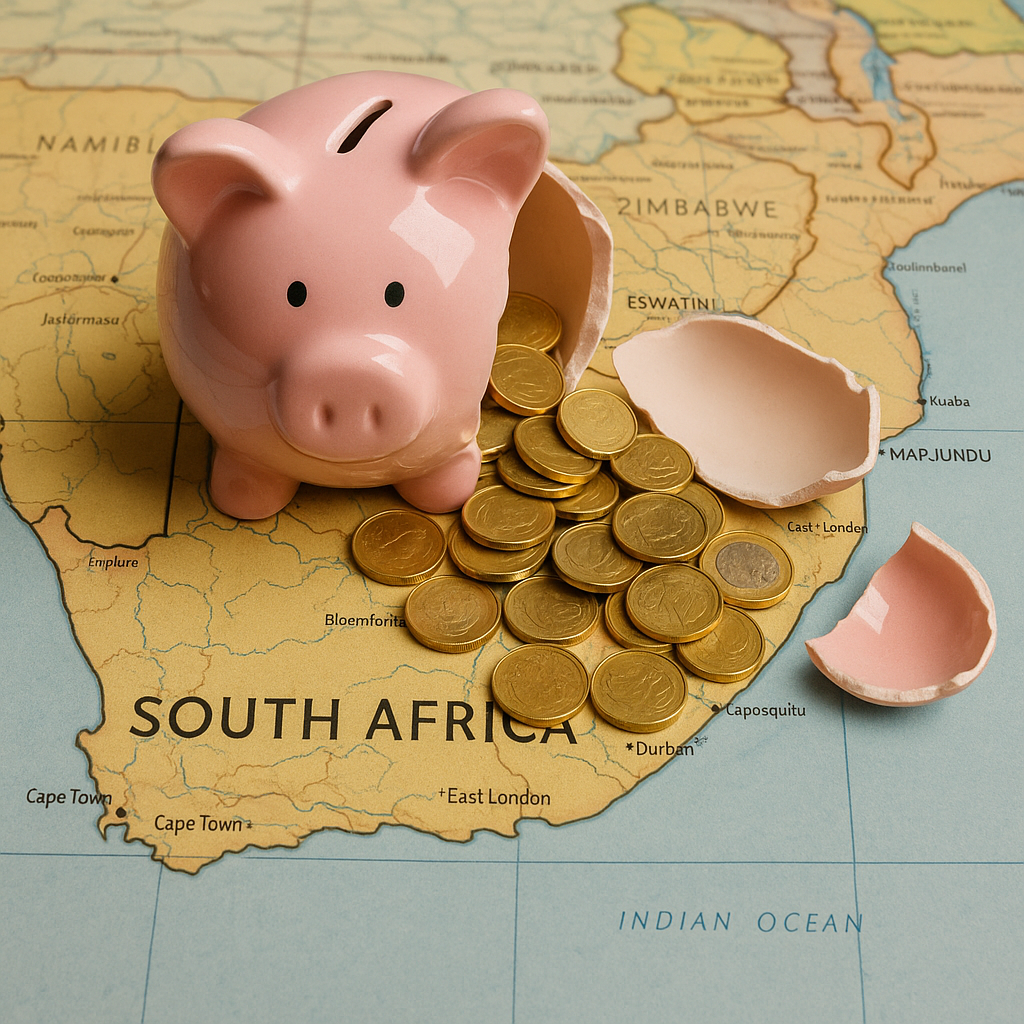
Nigeria demands compensation from South Africa for economic assets abandoned by repatriated nationals amid anti-immigrant tensions.
Nigeria is demanding money from South Africa. Thousands of Nigerian citizens had to run away from South Africa because they were scared of violence, leaving their shops, cars, and homes behind. Nigeria says South Africa should pay for these lost things because they didn't keep people safe. They are counting everything that was left behind to make a big claim.
Why is Nigeria seeking compensation from South Africa?
Nigeria is seeking compensation from South Africa for properties and businesses abandoned by its citizens amidst xenophobic threats and fear of violence. Thousands of Nigerians left for Lagos on evacuation flights, leaving behind shops, cars, and homes. Nigeria argues that South Africa's failure to prevent public hysteria effectively expropriated these Nigerian-owned assets.
Get Cape Town news in your inbox
Stay updated with the latest stories from the Mother City.
A Diplomatic Ledger of Losses
Nigeria’s embassy in Pretoria has begun tallying what its citizens were forced to leave behind - supermarkets in Johannesburg townships, minibuses on Pretoria routes, four-room homes in Cape Town townships - after thousands booked seats on free flights to Lagos rather than gamble on promised anti-migrant marches. Officials call the count the first step toward a compensation claim they will lodge directly with the South African treasury.
Alexander Ajayi, the mission’s acting head, insists every returnee must hand in a sworn inventory: names of businesses, engine numbers of cars, lease agreements, even the estimated value of fridges and shelves inside corner shops. Embassy staff will then drive to each listed address, photograph the site and ask local municipalities to confirm that the property really was Nigerian-owned. Only after this double-check will Abuja open formal talks with Pretoria.
The paperwork has grown week by week. Throughout June, Nigeria sponsored shuttle flights from OR Tambo and Lanseria airports; each landing in Lagos brought another stack of forms. Ajayi says the final folder will serve as “a bill” Pretoria cannot ignore. Behind the scenes, diplomats already debate whether to channel the dispute through the African Union or keep it bilateral and quiet.
Why Shopkeepers Ran and What They Left Unsold
South Africa has magnetised Nigerian traders since the 1990s: the rand was convertible, city councils handed out trading permits relatively cheaply, and consumers hungry for affordable groceries welcomed foreign stall owners. By 2023, community leaders reckoned that more than 3 000 registered Nigerian firms - hair salons, IT start-ups, 24-hour corner shops - operated in Gauteng alone. Many had existed for two decades, feeding township households and paying local staff.
The August 2008 pogroms changed the mood. Mobs killed 62 people and wrecked hundreds of businesses after rumours blamed foreigners for job shortages. Similar carnage returned in 2015 and 2019, each time pushing Nigerian shopkeepers to rebuild, only to face fresh threats. When social-media messages began circulating in May about a “total shutdown” of foreign-run outlets on 30 June, memories of charred storefronts resurfaced. Rather than risk a fourth round of looting, many owners padlocked their shops and headed for the airport.
Economists warn the departure drains both countries. South Africa loses rental income, rates payments and the consumer convenience of late-night stores; Nigeria receives returnees who arrive cash-strapped and must restart from zero. AfCFTA rules promise free movement of capital and people, yet panic over possible violence has achieved the opposite: shuttered shops, unemployed workers and forfeited tax revenue.
A Legal Path Never Travelled Before
International law protects foreign assets in peacetime, but Nigeria’s case is unusual: citizens left not after actual violence, but after fear spread online. Pretoria could argue that no duty to compensate arises until an attack occurs; Abuja will counter that the state’s failure to calm public hysteria effectively expropriated Nigerian businesses by making continued operation impossible. The dispute therefore asks whether anticipation of harm can trigger the same obligations as harm itself.
Aimée-Noël Mbiyozo of the Institute for Security Studies believes the focus should fall on weak municipal governance, not migrants. Councils rarely prosecute organisers of xenophobic marches; labour inspectors seldom punish employers who under-pay locals and then blame foreigners for wage suppression. The resulting resentment, she says, is a governance deficit Pretoria must fix before violence erupts, not afterwards.
Home Affairs compounds the problem. Asylum backlogs stretch for years; permits get lost in queues; corrupt officials sell forged documents. Such dysfunction leaves many Nigerians in legal limbo, easy scapegoats once protests begin. Until the department clears its backlog and employers face credible sanction for hiring undocumented workers, warnings from the Union Buildings will not quiet restless townships, Mbiyozo argues.
What Happens Next to Billions in Frozen Value
No one yet knows the rand total of the claim. Embassy officials privately mention “hundreds of millions”; South African insurers fear the figure could reach a billion if goodwill and future profits are admitted. Verification will decide the final tally: an air-conditioner in a hair salon is simple to price, but how does one value a loyal customer base or a decade-old supply chain?
Behind closed doors, Nigerian diplomats hint they might bundle individual claims into a single state-to-state payment, much like Germany’s post-war Holocaust compensation. Pretoria’s preference is for a domestic tribunal where each returnee proves loss under South African evidence rules - a slower, harder route most victims may abandon.
Whatever the forum, the quarrel will reshape Africa’s most watched bilateral rivalry. Nigeria and South Africa co-chair AU committees, compete for investment rankings and quarrel over continental votes. A protracted fight over who pays for ruined shops could poison cooperation on Sahel terrorism, Sudan and climate funds. Yet a generous settlement could set a continental norm that states must insure all legal investors - local or foreign - against foreseeable civil unrest.
The first test comes when Abuja formally tables its dossier. If Pretoria answers with a compensation offer, other governments - from Zimbabwe to Bangladesh - will watch closely. If Pretoria stalls, Nigeria may threaten trade retaliation or take the matter to the AfCFTA secretariat. Either way, the padlocked shops lining Johannesburg’s townships have become more than local eyesores; they are now bargaining chips in a contest over who owes what to Africa’s wandering entrepreneurs.
Why is Nigeria seeking compensation from South Africa?
Nigeria is seeking compensation from South Africa because thousands of its citizens were forced to flee South Africa due to xenophobic threats and fear of violence, leaving behind their businesses, homes, and other assets. Nigeria argues that South Africa failed to ensure the safety of these individuals and their properties, effectively leading to the expropriation of their assets by not preventing public hysteria and potential violence.
What kind of losses is Nigeria tallying for its compensation claim?
Nigeria's embassy in Pretoria is meticulously tallying a wide range of losses. This includes businesses such as supermarkets and hair salons, vehicles like minibuses, and residential properties. Returnees are required to provide sworn inventories detailing business names, car engine numbers, lease agreements, and even estimated values of household items like fridges and shelves. This aims to create a comprehensive "bill" for South Africa.
How will Nigeria verify the claims made by its citizens?
To verify the claims, embassy staff will conduct a double-check process. After receiving sworn inventories from returnees, they will drive to each listed address to photograph the site. They will also seek confirmation from local municipalities that the property was indeed Nigerian-owned. Only after this rigorous verification will formal talks for compensation begin with Pretoria.
What historical context led to Nigerian shopkeepers leaving South Africa?
Nigerian traders were drawn to South Africa since the 1990s due to its convertible currency, affordable trading permits, and welcoming consumers. However, the mood shifted dramatically with the August 2008 xenophobic pogroms, which killed 62 people and destroyed businesses. Similar violence re-emerged in 2015 and 2019. When new threats of a "total shutdown" of foreign-run businesses circulated in May, many owners, fearing a repeat of past lootings, chose to abandon their shops and leave the country.
What legal challenges does Nigeria's compensation claim face?
Nigeria's case is unusual because citizens left due to the anticipation of violence rather than actual attacks. Pretoria might argue that there's no duty to compensate until an attack occurs. Abuja will counter that the state's failure to quell public hysteria effectively made continued operation impossible, thus amounting to expropriation. This raises a novel legal question: can the anticipation of harm trigger the same obligations as harm itself, a concept not widely tested in international law, which typically protects foreign assets in peacetime.
What are the potential implications of this dispute for Nigeria and South Africa?
The dispute could significantly reshape the bilateral rivalry between Nigeria and South Africa, two continental powerhouses. A protracted fight could poison cooperation on critical African Union initiatives, investment, and continental issues like terrorism, Sudan, and climate funds. Conversely, a generous settlement could establish a continental precedent, obligating states to insure all legal investors against foreseeable civil unrest. The outcome will be closely watched by other governments and could influence future foreign investment and inter-African relations, especially concerning the AfCFTA's promise of free movement of capital and people.

Zola Naidoo is a Cape Town journalist who chronicles the city’s shifting politics and the lived realities behind the headlines. A weekend trail-runner on Table Mountain’s lower contour paths, she still swops stories in her grandmother’s District Six kitchen every Sunday, grounding her reporting in the cadences of the Cape.
View all articles →