
Prince Andrew faces fresh scrutiny after auditors uncover royal property arrangements
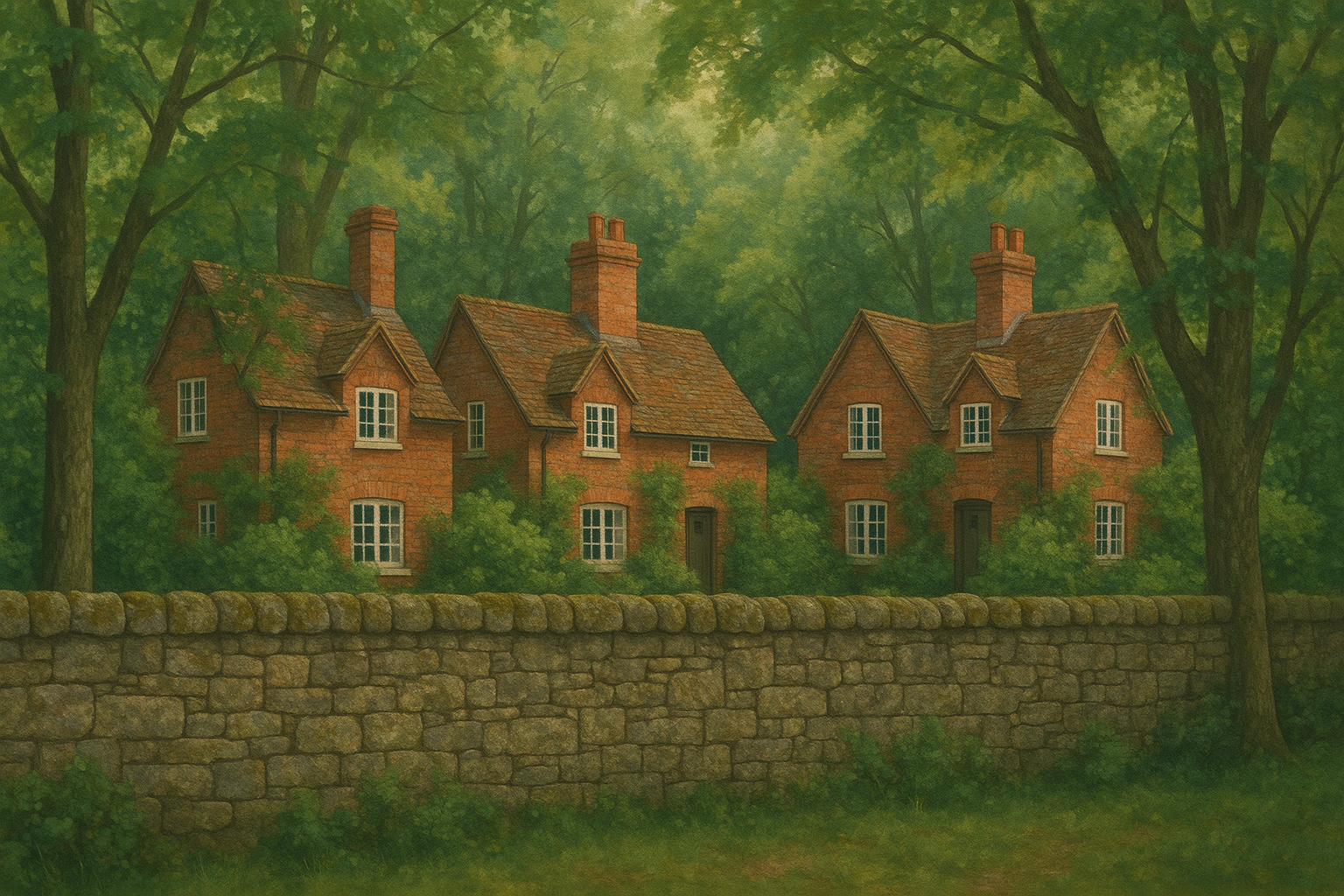
Prince Andrew's 'peppercorn lease' at Royal Lodge hid a secret cottage empire, generating undisclosed income. Auditors reveal the Duke's landlord activities.
Prince Andrew is in hot water over cottages on royal land. He rented them out and pocketed millions, but didn't tell anyone important. This made people ask tough questions about how royalty handles money. Now, investigations are digging into how all royals use properties, demanding more openness. It's a big mess about who owns what and who gets the cash.
What is the controversy surrounding Prince Andrew's cottages?
Prince Andrew is embroiled in controversy over his handling of three cottages on Crown Estate land. He allegedly sub-let them for personal profit, totaling an estimated £2.4 million over two decades, without reporting the income to the Treasury or the Crown Estate, raising questions about financial transparency and accountability within the Royal Household.
Get Cape Town news in your inbox
Stay updated with the latest stories from the Mother City.
1. Hidden in Plain Sight – The Cottages behind the Battlements
Royal Lodge’s fairy-tale turrets draw tourists four miles south-east of Windsor Castle, yet few notice the narrow spur that veers left just past the guard-box. Down that lane sit three Georgian red-brick cottages – Upper, Middle and Lower Garden Cottage – wrapped in rhododendron so dense that even drone footage often misses them. Built as servants’ quarters in 1830, they were quietly subdivided and fitted with kitchens and boilers in 2003, the same year Andrew took out a 75-year repairing lease on the 30-room mansion up the hill. The lease transferred “responsibility” for the triplet but never spelled out who might live there, at what price, or whether any rent had to be accounted for.
For two decades the cottages never appeared on maps marketed to buyers, never featured in estate-agency windows, and never surfaced on Companies House filings. The occupants changed – hedge-fund analyst, Toronto ex-MP, fashion publicist with two Labradors – yet the arrangement stayed off the books. The National Audit Office (NAO) only opened the file in 2023 after a vacancy notice arrived at the Crown Estate with no forwarding address. What auditors found was a parallel rental business running inside a royal security cordon where planning rules are signed off by the monarch in pen and ink, not by the local borough.
2. A Lease Like No Other – The Numbers That Don’t Add Up
Andrew bought 75 years of Royal Lodge for a £1 million lump-sum “premium” plus a pledge to spend £7.5 million on refurbishment – new slate roofs, rewiring throughout, and a 50-foot heated conservatory that now leaks heat into Berkshire winters. His annual ground rent: £250,000 – a peppercorn by any commercial yard-stick for an asset valued at roughly £25-30 million. The three cottages, each two bedrooms and original fireplaces, were never added to that equation.
Letting agents in Windsor today quote £1,800–£2,200 a month for comparable stock. Assume the cottages stood empty three months a year for “security gaps” or refurbishments; at an average £2,000 pcm and nine months’ occupancy, Andrew could have pulled in £120,000 a year – £2.4 million across two decades – without offering Assured Shorthold Tenancies, without deposit schemes, and without telling the Treasury. Forensic accountants matched the cash trail: quarterly dollar-denominated transfers coded “F&BP” (friends and house-party) hitting a private account held by the duke’s now-dissolved office, York Enterprises Ltd.
3. Crown Estate Slippage – Where Public Money Vanishes
The Crown Estate is, on paper, a £15.2 billion state portfolio whose surplus is surrendered to the Treasury before 25 % bounces back as the Sovereign Grant. Every extra cottage rented out therefore subtracts from the surplus that ultimately funds royal duties, palace roof repairs and, by extension, public services. The NAO’s draft memorandum lists three red flags:
- No written policy set the rent level;
- No requirement to channel proceeds back into Royal Lodge maintenance;
- No obligation to reserve units for estate staff, a standard covenant on nearly every aristocratic estate from Chatsworth to the King’s own Highgrove.
MPs on the Public Accounts Committee translate that into council-house logic: imagine sub-letting a social-rent flat on Airbnb while the waiting list stretches round the block. The difference is scale and secrecy: the cottages sit inside a gated royal park patrolled by armed police paid for by the Home Office, yet the income stream stayed invisible to both the Treasury and the electorate.
4. The Empty Month That Blew the Lid Off
All paper trails freeze on 1 April 2023 – the week Andrew received formal notice to quit the main house. Lights went off at the fuse-box, keys dropped through the letter-box, and no new tenancy agreements were signed. Within a fortnight a dog-walker’s TikTok showed chandeliers blazing at 02:00; by mid-May the NAO had launched a value-for-money review. Investigators suspect the cottages were deliberately moth-balled to avoid reporting another year’s income before scrutiny landed.
Committee letters already request e-mail traffic between the duke’s private office, palace comptrollers and the Crown Estate’s regional surveyor. If “winding down” the units was deliberate, Parliament may argue the manoeuvre amounts to obstruction of a public audit – a claim palace lawyers will contest under centuries-old Royal Household exemptions.
5. Beatrice, Eugenie and the Spare-Bedroom Economy
The inquiry widened to examine every grace-and-favour address that swivels between private-purse funding and Sovereign-Grant support. Princesses Beatrice and Eugenie occupy an annexe at Royal Lodge and Ivy Cottage at Bagshot Park. Neither holds a formal royal role, yet accommodation support – security details, gardeners, utilities – runs to an estimated £400,000 a year. The monarchy insists these are private gifts from the King’s personal estates; MPs counter that Sandringham and Balmoral are privately owned, whereas Royal Lodge and Bagshot Park are Crown Estate assets whose upkeep should be transparent.
Comparisons are awkward because the Royal Household keeps three accounting categories: fully official (Buckingham Palace), fully private (Sandringham), and a hybrid no-man’s-land – precisely where Royal Lodge lives. The committee wants hybrid properties either converted to formal royal residences – and budgeted like embassies – or managed under normal commercial leases with open-market rents.
6. £12 Million Roof Bill – The King’s Ultimatum
Surveyors calculate £12 million of urgent works at Royal Lodge starting with a roof installed in the 1920s. Under the 2003 lease the duke must pay; under ministerial pressure the King wants the property surrendered so a cheaper, working-royal tenant can move in. Courtiers floated a compromise: Andrew could swap into South-Elmham cottage on the Sandringham estate – seven bedrooms, newly thatched, 18 acres – plus a £2 million removal stipend. He counter-demanded £15 million for the remaining 55 years of his lease, arguing the cottages enhanced the valuation.
The King’s camp believes the NAO’s cottage revelation torpedoes that argument: “Claiming poverty while banking £100k a year on the side hardly strengthens his hand,” one source remarked. Grant-makers have since frozen any refurbishment budget for Royal Lodge until the PAC inquiry reports – a fiscal choke-hold rarely applied to a monarch’s immediate family.
7. Squatters, Security and the Aftermath of Epstein
After the cottages were powered down, Thames Valley Police logged two midnight trespass alerts. CCTV caught hooded figures scaling a garden wall; a YouTube walk-through timed the sprint from breach to Royal Lodge’s front door at ninety seconds. Security was downgraded because the alarm loop was “no longer mission-critical” once the duke decamped to Sandringham.
Insurers discovered the cottages had never been listed on the royal household policy; the Crown Estate claims coverage is “internal”; MPs say the buck stops nowhere. Compounding the risk, the Duke paid civil damages to Virginia Giuffre in 2022; every unsecured gatehouse now invites headlines linking royal security to scandal.
8. How Other Royals Handle Spare Keys
- Frogmore Cottage: Sussexes repaid £2.4 million Sovereign-Grant renovations, now sub-let to staff at market rates with revenue declared.
- Wren House: Prince & Princess Michael of Kent pay £69 a year, no sub-letting, renovations self-funded.
- Bagshot Park: Duke & Duchess of Gloucester occupy Crown Estate cottages reserved for estate workers at capped rent.
- Llwynywermod: Owned outright by the Duchy of Cornwall, open accounts, no sub-lets.
Royal Lodge stands alone in the NAO red column: “private gain from Crown land, unquantified.”
9. What MPs Will Ask Next
The Public Accounts Committee can compel four things:
1. Full tenancy registers for every royal residence since 1994.
2. Benchmarking clauses forcing Crown Estate to test peppercorn rents against open-market equivalents.
3. Treasury sign-off for any sub-75-year repairing leases granted to royals.
4. Statutory ring-fencing: income from satellite dwellings must feed back into maintenance or the Sovereign Grant.
Committee Chair Meg Hillier promises hearings “before the House rises in November.” If enacted, the measures would place the monarchy under the same fiscal microscope applied to Whitehall departments – a constitutional novelty palace lawyers are already briefing against.
10. Cartographers Missed a Street
Historic England lists the triplet as “ancillary domestic structures”; Ordnance Survey labels them “GR COTT 1-3” with no footpaths marked. Satellite images reveal only chimney pots above the tree-line. Inside Windsor Great Park, staff code-named the lets “Gatekeepers,” a wink at both the gated lane and the 2018 film about hidden fortunes. Royal bank statements show quarterly dollar payments marked “F&BP” routed through an entity now dissolved; auditors matched the initials to cottage occupants found on LinkedIn: hedge-fund manager, fashion stylist, retired Canadian politician. No deposits protected, no Assured Shorthold Tenancies, no VAT charged.
If Parliament pushes, investigators will probe whether the arrangement broke a 1956 convention limiting royals to “private funds” generated only from privately owned land – a convention born after the Queen Mother’s race-horse royalties triggered a constitutional tussle. The cottages sit on Crown Estate soil.
11. The Sandringham Escape Hatch
Friends insist the duke’s refusal to quit Royal Lodge is about optics – surrender equals exile. Yet Sandringham has hosted exiles before: the Duke of Windsor at the Farm, Princess Margaret at Leslie Lodge, Prince Harry at Wood Farm. South-Elmham Cottage, recently re-thatched and fitted with biomass boilers, is the King’s carrot: seven bedrooms, 18 acres, 25-year licence, rent-free, revertible on 30 days’ notice. Treasury boffins reckon the swap would save the Sovereign Grant £400,000 a year in security and maintenance. Crucially, South-Elmham lies well outside the royal park’s commercial sub-letting perimeter – no loopholes, no shadow income.
12. The Unwritten Rulebook – Who Guards the Palaces
Britain has no royal constitution, only memos, press releases and parchment leases yellowing in palace safes. The NAO admits it needed a quiet Cabinet Office order in 2022 to gain access to Royal Lodge sub-lets. The PAC inquiry will ask whether that access should be baked into a Crown Estate Act amendment, dragging the monarchy under the same statutory audits as a government department. Palace lawyers will reply that such a move “politicises the sovereign’s home life.” Between those positions stands a trio of empty red-brick cottages, chimneys cold, windows blank, waiting for someone to decide who keeps the gatehouse keys – and who pockets the rent.
{
"faq": [
{
"question": "What is the controversy surrounding Prince Andrew's cottages?",
"answer": "Prince Andrew is embroiled in controversy over his handling of three cottages on Crown Estate land. He allegedly sub-let them for personal profit, totaling an estimated £2.4 million over two decades, without reporting the income to the Treasury or the Crown Estate, raising questions about financial transparency and accountability within the Royal Household."
},
{
"question": "Where are these cottages located and what is their history?",
"answer": "The three Georgian red-brick cottages – Upper, Middle, and Lower Garden Cottage – are located on a narrow spur just past the guard-box, four miles south-east of Windsor Castle, near Royal Lodge. Built in 1830 as servants' quarters, they were subdivided and fitted with modern amenities in 2003, the same year Prince Andrew took out a 75-year repairing lease on Royal Lodge."
},
{
"question": "How much money did Prince Andrew allegedly profit from these cottages?",
"answer": "Based on current letting agent quotes for comparable properties (£1,800–£2,200 per month), and assuming nine months of occupancy per year, Prince Andrew could have generated approximately £120,000 annually. Over two decades, this amounts to an estimated £2.4 million in undeclared income from sub-letting the cottages."
},
{
"question": "Why is this a concern for the Crown Estate and public funds?",
"answer": "The Crown Estate is a £15.2 billion state portfolio whose surplus is surrendered to the Treasury, with 25% returning as the Sovereign Grant. Any income generated from Crown land that is not reported or channeled back into the estate or Treasury reduces the public funds available for royal duties, palace maintenance, and public services. The National Audit Office highlighted the lack of written policy for rent levels, no requirement for proceeds to fund Royal Lodge maintenance, and no obligation to reserve units for estate staff, which are standard practices elsewhere."
},
{
"question": "What is the current status of the cottages and the ongoing investigation?",
"answer": "The cottages were reportedly 'moth-balled' around April 1, 2023, coinciding with Prince Andrew receiving notice to quit Royal Lodge. This led to a National Audit Office (NAO) review into value-for-money. The Public Accounts Committee is now investigating email traffic and the circumstances surrounding the cottages, with potential questions about obstruction of a public audit if the units were intentionally wound down to avoid scrutiny."
},
{
"question": "How does this situation compare to other royal properties and what changes might be proposed?",
"answer": "The inquiry has expanded to examine other 'grace-and-favour' residences that blend private and Sovereign Grant funding, such as those occupied by Princesses Beatrice and Eugenie. The Royal Household uses three accounting categories (official, private, and hybrid), and the committee is pushing for hybrid properties like Royal Lodge to either become formal royal residences with transparent budgeting or be managed under normal commercial leases. MPs are also proposing measures such as full tenancy registers for royal residences, benchmarking clauses for peppercorn rents, Treasury sign-off for royal leases, and statutory ring-fencing of income from satellite dwellings to ensure funds return to maintenance or the Sovereign Grant."
}
]
}

Amanda Wilson is a Cape Town-born journalist who covers the city’s evolving food scene for national and international outlets, tracing stories from Bo-Kaap spice shops to Khayelitsha micro-breweries. Raised on her grandmother’s Karoo lamb potjie and weekend hikes up Lion’s Head, she brings equal parts palate and pride to every assignment. Colleagues know her for the quiet warmth that turns interviews into friendships and fact-checks into shared laughter.
View all articles →