
Public viewing sites announced for Bafana Bafana matches in the Western Cape
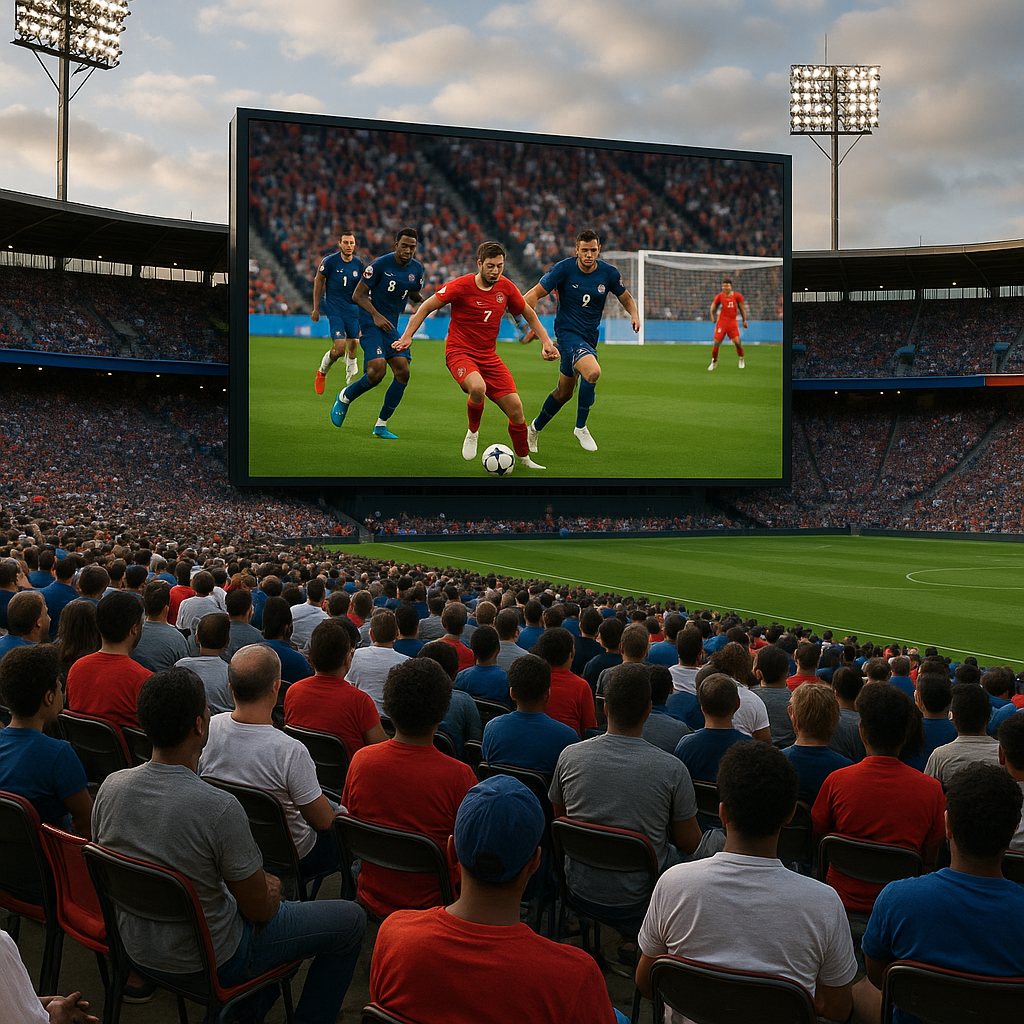
Western Cape hosts province-wide fan festivals for the 2026 FIFA World Cup, transforming public spaces for all Bafana Bafana games.
The Western Cape is turning six public spots into awesome fan parks for the 2026 FIFA World Cup! They'll have huge screens, comfy seating, and yummy local food. It's more than just watching games; it's a giant party that brings everyone together, making everyday places buzz with World Cup energy. They're even using cool eco-friendly tech and making sure everyone feels safe and welcome.
How is the Western Cape preparing for the 2026 FIFA World Cup?
The Western Cape is transforming six public spaces into full-scale fan parks for the 2026 FIFA World Cup, showcasing all Bafana Bafana matches and African knockout games. These parks feature large LED screens, modular grandstands, micro-grids for power, and local food vendors, aiming to integrate the celebration into existing community life.
Get Cape Town news in your inbox
Stay updated with the latest stories from the Mother City.
A Childhood Memory Kicks Off a Province-Wide Plan
On a bright autumn Monday at 10 a.m., Ricardo Mackenzie climbed the small wooden riser that had appeared overnight on the edge of Gugulethu’s NY110 Sports Park. Flags snapped above him, vendors flipped sizzling boerewors, and sleepy neighbors rubbed their eyes as camera drones hovered overhead. Instead of opening with funding figures, the Western Cape Minister for Cultural Affairs and Sport chose a short story. He told the crowd that at age nine he sat on his father’s shoulders outside Soccer City in 1996, and that was the day he grasped Nelson Mandela’s saying that sport speaks every language on Earth. From that one childhood flashback emerged a far larger promise: the province will turn six already-beloved public spaces into full-scale fan parks for every Bafana Bafana match in the 2026 FIFA World Cup, plus every knockout fixture that includes another African side.
The announcement feels less like an event schedule and more like an invitation to throw open the doors of your own living room to the planet. Residents did not just hear a speech; they saw the outline of a party that starts in their own streets and ends with them becoming active hosts rather than passive viewers.
Six Fields, Six Towns, One Shared Rhythm
Traditional fan festivals cram into fenced-off plazas; the Western Cape has done the opposite.
Thembalethu Sports Grounds in George doubles as a weekend flea market; come matchday it will still smell of vetkoek and polish, only this time the LED screen will tower above the same blankets laid out for DVDs and second-hand dolls. Beaufort West’s Thusong Centre, where pensioners usually sip sweet tea and teens cram for finals, will still smell of rooibos and chalk dust, only the chairs will face a giant screen instead of a tutor. Paarl East’s orchard-lined centre, Grabouw’s sheds perfumed by fresh apples and pears, Saldanha’s pastel cottages framing the White City hall, and Gugulethu’s legendary Mzoli’s-side park all keep their daily heartbeat while adding a new pulse of drums and cheers.
By grafting the spectacle onto pre-existing community rituals, the province dodges sterile “event zones” and instead amplifies the hum of everyday life. Market lanes become parade routes, school courtyards turn into drum pits, and church parking lots morph into scooter-and-BMX stunts zones once the service ends.
From Trucks to Tunes: How It’s Getting Built - Fast
A Friday deadline closed the DCAS tender; by the following Monday a consortium led by two Cape-Town-based, black-woman-owned AV firms put ink to paper. Four frenetic weeks later, six fields looked nothing like they had the month before. Truss rigs now hold 9×6-metre LED walls imported from Belgium, strong enough to laugh at the Cape’s howling south-easter. Modular grandstands for 7 200 fans stand in pine frames cushioned by recycled-plastic slats, designed by Stellenbosch University engineering students who refused to let a single tree die for the project.
Panels, batteries and inverters create micro-grids that keep screens, amps and floodlights humming for six hours without a drop of diesel - an estimated 38 tonnes of CO₂ never makes it into the sky. Free Wi-Fi piggy-backs on provincial broadband so kids can stream homework while crews test sound levels.
Shoprite donated 24 refrigerated shipping containers turned into pop-up kitchens; local caterers - after a three-day crash course in cardless payment and zero-waste plating - run them like clockwork. DHL flew in 260 branded cooler boxes as spot prizes for whoever gathers the most post-match litter. ABSA bankrolled 30 000 vuvuzela-kazoos that still rattle windows, but at neighbour-friendly volume.
Safety, Access, and a Thousand Tiny Details
Crowds move like rivers when they feel safe, so planners borrowed tricks from Rio carnival and from Silicon Valley. Drone-mounted infrared cameras feed a heat-map app watched by ushers on rugged tablets. Green patches flow; amber thickens; red clots trigger instant tweaks - extra gates, extra staff, quick PA instructions in Xhosa, Afrikaans and English. Uber and local ride-hail outfit Lula fenced off 500-metre pickup circles so nobody fights traffic after the final whistle. Victim-support tents staffed by trauma-informed counsellors remain open an extra two hours; every female officer on duty spent extra training hours on child-friendly crowd psychology.
Wheelchair users ride elevated platforms with companion seats, blind fans borrow audio receivers narrated by SuperSport’s first blind commentator, and autistic children get a sensory-friendly hour before gates open - dim lights, low volume, touch tours of production trucks. Sign-language interpreters appear in a corner of the big screen, and every restroom block includes gender-neutral cubicles and adult-size changing tables.
District Spotlights: One Story per Site
Garden Route – Thembalethu Sports Grounds
George’s brass band, the Outeniqua Stars, will march in thirty minutes before kick-off, belting kwela-pop mash-ups. A 60-metre “Heroes Wall” waits for chalk tributes; when the tournament ends the mural will be minted into an NFT whose proceeds seed a girls’ soccer academy.
Central Karoo – Beaufort West Thusong Centre
At half-time the lights drop to black so the Milky Way can take centre stage. Lying on loaned blankets, spectators hear an astronomer retell African star myths while Cheslin Kolbe’s childhood photos flicker on screen, reminding rugby-mad locals that agility is a shared super-power.
Cape Winelands – Paarl East Thusong Centre
Grape-stomping pits sit next to rooibos-ice-tea tasting tables, and winemakers bottle a limited “Bafana Blanc” whose label reveals hidden letters - “Ke Nako!” - only when the wine hits 8 °C.
Overberg – Grabouw Thusong Centre
Repurposed apple-picking cranes become camera jibs swooping over the diski-dancing crowd. The high-school choir debuts a multilingual Jerusalema-Waka Waka mash-up, joined by a hologram cameo from producer Stromae.
West Coast – White City Multipurpose Centre, Saldanha
Snoek sizzles on open coals while fisherwomen show how one twist debones a fish. Inside two shipping containers, a pop-up museum revives the 1920s story of Cape Verdean whalers who first kicked a rag ball on Langebaan lagoon.
City of Cape Town – NY110 Sports Park, Gugulethu
Robbie Jansen’s sampled saxophone becomes the tournament’s sonic logo. A BMX wheelie race loops the pump track; winners snag signed jerseys. A real-time tweet-totem prints messages from every corner of the province, the algorithm scrubbing hate in all eleven official tongues.
Side Hustles, School Pitches, and Street-Corner Futures
To keep the economy buzzing, the province issued 360 informal trading permits through a youth-weighted lottery. A free two-evening crash course covers food-costing, mobile payments, storytelling ads, and compostable packaging. Every purchase earns a digital passport stamp; five stamps unlock cut-price bus tickets to the next site.
For the under-12 crowd, the empty turf beside each screen hosts a sunrise micro-league: seven-a-side, seven-minute games every hour from eight until noon. Winners walk out as player mascots on the big night. Two thousand pairs of laceless boots built for dusty pitches wait in crates, and Stellenbosch FC physios run warm-up clinics disguised as playground games.
Long after the last whistle, DJs will ease Afrobeats into late-night Cape jazz, food stalls glow under solar fairy lights, and a mobile cinema truck showcases Nigerian, Ghanaian and Kenyan shorts so fans leave with a wider sense of pan-Africa than the scoreboard alone can give.
When the Lights Go Back Up, Work Begins
Once the final whistle fades, screens will not blink to black. Instead, a montage will roll: murals drying, seedlings sprouting, kids scoring on freshly laid artificial turf. A line will rise, in every South African language: “The game ends; the work continues.”
What is the Western Cape's plan for the 2026 FIFA World Cup?
The Western Cape is transforming six public spaces across the province into vibrant fan parks for the 2026 FIFA World Cup. These fan parks will showcase all Bafana Bafana matches and African knockout games on huge LED screens, offering comfortable seating, and featuring local food vendors. The initiative aims to integrate the World Cup celebration into existing community life, making it a province-wide party that brings people together.
Where will these fan parks be located?
The six fan parks will be located in diverse communities across the Western Cape, leveraging existing beloved public spaces. These include Thembalethu Sports Grounds in George (Garden Route), Beaufort West's Thusong Centre (Central Karoo), Paarl East's Thusong Centre (Cape Winelands), Grabouw's Thusong Centre (Overberg), White City Multipurpose Centre in Saldanha (West Coast), and NY110 Sports Park in Gugulethu (City of Cape Town).
What unique features will the fan parks offer?
The fan parks will boast impressive features such as large 9x6-meter LED screens imported from Belgium, modular grandstands for up to 7,200 fans, and eco-friendly micro-grids powered by solar panels, batteries, and inverters to reduce carbon emissions. They will also include pop-up kitchens run by local caterers trained in cardless payment and zero-waste practices, free Wi-Fi, and various engaging activities unique to each location, like astronomy shows or local music performances.
How is the Western Cape ensuring safety and accessibility at these events?
Safety and accessibility are paramount. Planners are using advanced techniques like drone-mounted infrared cameras and a heat-map app to manage crowd flow. Designated 500-meter pickup circles for ride-hailing services (Uber and Lula) will minimize traffic congestion. The parks will also feature victim-support tents with trauma-informed counselors, elevated platforms for wheelchair users, audio receivers for blind fans with live narration, sensory-friendly hours for autistic children, sign-language interpreters on screen, and gender-neutral restrooms with adult-size changing tables.
How will the fan parks benefit the local economy and communities?
To boost the local economy, 360 informal trading permits have been issued through a youth-weighted lottery, with vendors receiving training in food-costing, mobile payments, and sustainable packaging. For children under 12, sunrise micro-leagues will be held, with winners serving as player mascots. After the games, the sites will transition into spaces for late-night music, showcasing African shorts, and promoting cultural exchange, ensuring a lasting impact beyond the tournament.
What kind of legacy is envisioned for these fan parks after the World Cup?
The initiative aims to leave a lasting legacy. After the final whistle, the screens will display montages of murals, seedlings, and kids playing on newly laid artificial turf, accompanied by a message in all South African languages: “The game ends; the work continues.” This signifies that the infrastructure and community spirit fostered during the World Cup will continue to benefit the province, supporting local development, cultural activities, and youth engagement long-term.

Thabo Sebata is a Cape Town-based journalist who covers the intersection of politics and daily life in South Africa's legislative capital, bringing grassroots perspectives to parliamentary reporting from his upbringing in Gugulethu. When not tracking policy shifts or community responses, he finds inspiration hiking Table Mountain's trails and documenting the city's evolving food scene in Khayelitsha and Bo-Kaap. His work has appeared in leading South African publications, where his distinctive voice captures the complexities of a nation rebuilding itself.
View all articles →