
Reason why Buti Manamela dissolved the NSFAS board
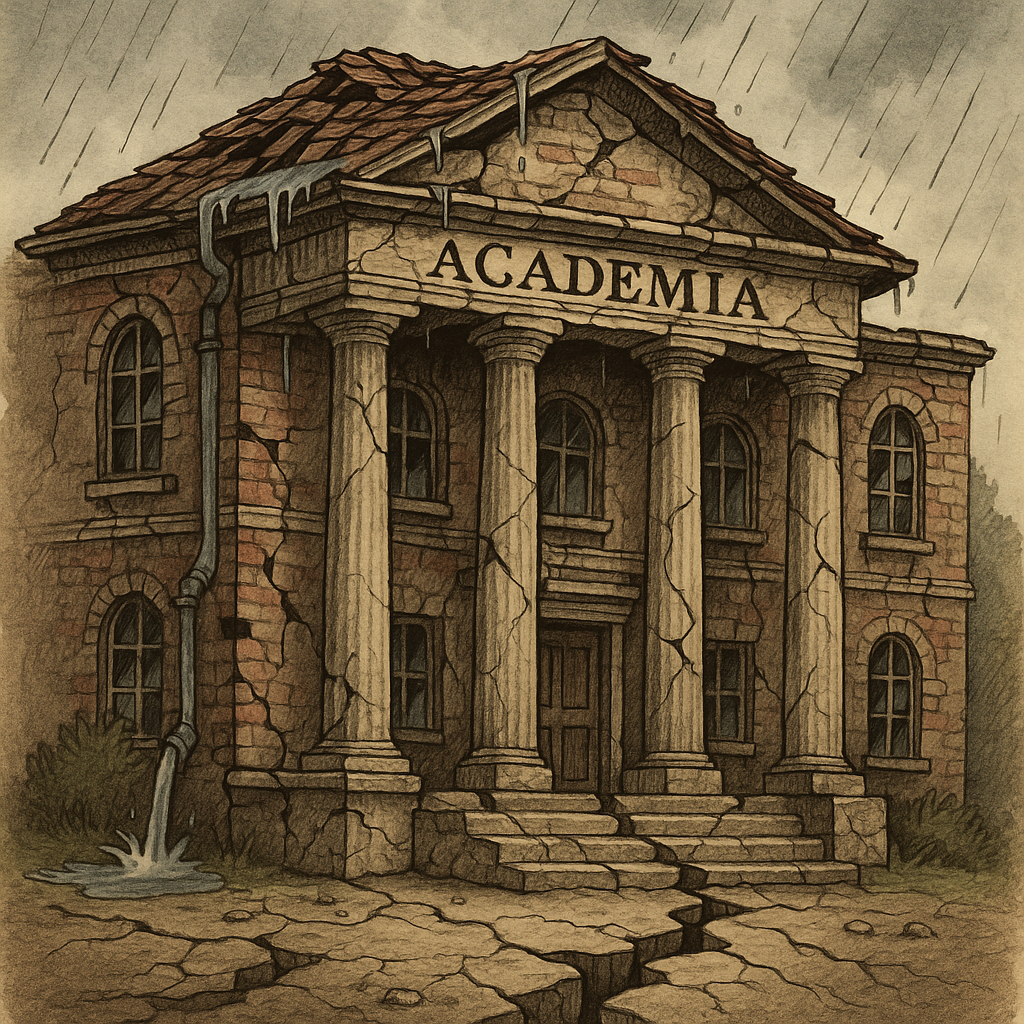
Minister dissolves NSFAS board amid funding crisis, sparking debate over transparency & student support ahead of academic year.
South Africa's student funding body, NSFAS, faced a big shake-up. The minister dissolved its board because it didn't have enough members, which made their decisions risky. This happened right before university started, causing worry among students. There are also whispers about tender scandals and problems getting money to students on time. Now, everyone hopes a new, stronger system can fix these issues before more chaos erupts.
Why was the NSFAS board dissolved?
The NSFAS board was dissolved due to non-compliance with the NSFAS Act of 1999, specifically regarding the statutory number of board members. With five vacant posts since July 2023, the board lacked a legal quorum after August 31st, rendering subsequent resolutions vulnerable to legal challenge. Minister Buti Manamela exercised Section 22A of the Act to prevent invalidation of crucial contracts.
Get Cape Town news in your inbox
Stay updated with the latest stories from the Mother City.
1. Governance Interrupted: Why the NSFAS Board Was Axed
Higher Education Minister Buti Manamela triggered a mid-year uproar by disbanding the National Student Financial Aid Scheme’s board only days before South Africa’s 2024 academic calendar began. He claims the move was compelled by strict legal compliance, not political convenience, yet nearly 1.2 million applicants have already been told their 2024 funding looks secure. Parliament and students, however, want proof: the confidential legal opinion that flagged the breach and the hush-hush meeting on 14 January held in a Pretoria boardroom where cell-phones were reportedly surrendered “to secure candour.”
The root of the crisis lies in the NSFAS Act of 1999, which sets a precise head-count: seventeen board members. Three seats belong to recognised student bodies, one to organised labour, one to business, seven to higher-education institutions, one is chosen by the Minister of Finance, and four are hand-picked by the Higher Education Minister. Since July 2023 five posts have stayed vacant. By 31 August the statutory quorum no longer existed, so every board resolution after that date risked collapse in court. Administrative lawyers briefed by the department advised that bursary contracts, university service-level agreements and accommodation accreditation could all be declared void. Section 22A of the Act therefore gave Manamela the nuclear option: dissolve and remake the board.
Critics smell a deeper motive. The vacant CEO post was supposed to be filled on 25 January 2024. Andile Nongogo, interim CEO since 2022 under a string of short rollover contracts, had critics on the dissolved board who insisted on an independent executive search. Members of Parliament from the EFF and DA argue the dissolution conveniently erased that oversight. Manamela dismisses the claim as speculation, but concedes the 14 January gathering was shielded by a classification order because it discussed forensic findings on the NSFAS accommodation tender.
2. The Accommodation Tender Storm
Round one of the tender drama started in 2023 when NSFAS tested a “direct-payment” pilot. Instead of funnelling living-allowance cash through campus bursary offices, two fintech firms - Coinvest Africa and eZaga Holdings - were granted five-year deals worth R790 million. Neither had a demonstrable track record in mass student finance. Internal auditors detected red flags: possible collusion, skimpy due-diligence files and opaque ownership lines. A formal vote on whether to extend the contracts for 2024 was scheduled, but with the board gone the resolution has evaporated.
Dissolving the board freezes every tender outcome. Opponents insist the minister hit the reset button to wipe away a scandal-tainted procurement slate. Officials promise to table the forensic report “within weeks” and vow to cancel any contract found to have been irregularly awarded, regardless of who sits on the new board.
Student organisations are not taking the turmoil lying down. The South African Union of Students labels the dissolution “coercive interference” and threatens nationwide protest if student-elected board members are not installed within 30 days. The EFF Student Command wants Manamela fired and a presidential inquiry into NSFAS maladministration. #FixNSFAS, an advocacy NGO, applauds the attempt at clean-up yet warns that endlessly rotating boards will not fix structural flaws; it calls for fixed three-year terms and student seats locked beyond ministerial reach.
3. Delivery Bottlenecks and the Missing Rands
Even without governance drama, NSFAS operations stagger under sheer scale. In 2023 the scheme channelled R49.9 billion in loans and bursaries to 986 326 students - 28 % more than the year before - fuelled by broader accommodation and “missing-middle” support. Performance hiccups, however, multiplied:
– 28 000 students waited until May for their first stipend cheque, three months after lectures began.
– Universities lodged R1.3 billion in unprocessed claims because 712 off-campus digs still lacked NSFAS accreditation.
– TVET colleges in Limpopo and the Eastern Cape shut their gates for a week when semester-based travel allowances never reached student cards.
To avoid similar scenes in 2024, the department vows to activate a “war room” blending staff from Treasury, NSFAS and university registrars. The goal: pre-credential every allowance before 1 March. In Mpumalanga and KwaZulu-Natal new pilots will use real-time biometric verification to counter fraud - technology modelled on India’s Aadhaar and Kenya’s HELB app, both of which weathered early privacy storms.
Behind the daily chaos lurks a fiscal elephant. Government absorbs the full cost of the NSFAS loan book; the 2024 Medium-Term Expenditure Framework allocates R105.9 billion over three years. Actuaries warn that if graduates do not start repaying, the scheme becomes an infinite drain on the fiscus. Treasury’s own figures show a meagre R2.1 billion clawed back from the 2017-2022 cohorts, a nominal 8 % recovery. The target of 30 % by 2030 would need a stand-alone collections agency and salary-offset agreements across public and private payrolls, mirroring the UK’s Student Loans Company. Draft regulations published in December 2023 propose garnishee orders for graduates earning above R300 000, but details on data sharing with SARS and credit bureaus remain fuzzy.
4. From Broken Trust to Borrowed Brilliance
South Africa need not build solutions in a vacuum. Chile’s 2019 student revolt forced the rapid launch of Gratuidad - free tuition funded by a 2 % surcharge on corporate tax and policed by an autonomous superintendency. Australia’s HECS-HELP scheme collects 86 % of outstanding debt because repayments ride piggy-back on income-tax assessment. Brazil’s FIES, by contrast, imploded under opaque risk-sharing with banks and is now closed to new applicants - a stark warning against political meddling.
Treasury has flirted with a sovereign endowment model: seed a R50 billion “Higher Education Endowment Fund” with a transfer from the Unclaimed Shares Trust and channel annual mineral-royalty dividends toward low-income cohorts. It takes loose inspiration from the University of California’s Blue & Gold Plan, where investment returns cover tuition for families earning under $80 000.
Immediate steps centre on restoring legitimacy. A retired Supreme Court of Appeal judge will chair an interim steering committee until a new board is sworn in on 1 July 2024. Parliament wants provincial public hearings; a technical reference group that includes the ANC Youth League and Higher Health insists on veto rights over candidates tainted by financial misconduct.
Students queue outside bursary halls fearing registration lock-outs. At the University of Limpopo, Thandiwe Mboweni missed two weeks of clinical rotation last year when her NSFAS travel allowance vanished. At Athlone campus of the TVET College of Cape Town, first-year engineers still wait for toolkits promised under the occupational curriculum. Acting CEO Sibongile Mncwango promises daily dashboard updates, but platforms alone cannot heal trust fractured by perennial governance crises.
Meanwhile, NEHAWU has declared a labour dispute after suspending 17 branch managers for alleged procurement misconduct, raising the spectre of strike action during registration. Universities South Africa has authorised campuses to register students on a “financial-aid pending” basis, effectively extending institutional credit until NSFAS gives final confirmation. The spectre of 2015 and 2016 shutdowns hovers unless transparent, resilient mechanisms appear before lecture halls fill in March.
[{"question": "
Why was the NSFAS board dissolved?
", "answer": "The NSFAS board was dissolved by Higher Education Minister Buti Manamela due to a lack of the statutory number of board members as stipulated by the NSFAS Act of 1999. With five vacant posts since July 2023, the board lacked a legal quorum after August 31st, rendering any subsequent resolutions vulnerable to legal challenge. The Minister exercised Section 22A of the Act to prevent the invalidation of crucial contracts, such as bursary agreements, university service-level agreements, and accommodation accreditations."},{"question": "
What were the controversies surrounding the NSFAS tender processes?
", "answer": "The dissolution of the board also coincided with controversies surrounding NSFAS's tender processes, particularly the 'direct-payment' pilot in 2023. Two fintech firms, Coinvest Africa and eZaga Holdings, were granted five-year deals worth R790 million despite lacking demonstrable track records in mass student finance. Internal auditors flagged concerns about possible collusion, insufficient due-diligence, and opaque ownership. The board's dissolution effectively froze the outcome of these tenders, and officials have promised to release a forensic report and cancel any irregularly awarded contracts."},{"question": "
How has the dissolution of the board impacted students and funding?
", "answer": "While nearly 1.2 million applicants were told their 2024 funding looks secure, the dissolution still caused worry. The ongoing issues with timely disbursement of funds, such as 28,000 students waiting until May for stipend cheques in 2023, and universities lodging R1.3 billion in unprocessed claims due to unaccredited off-campus accommodation, create uncertainty. Student organizations have expressed strong disapproval, with some threatening protests if student-elected board members are not installed promptly. Universities are registering students on a 'financial-aid pending' basis to mitigate immediate disruption."},{"question": "
What are the underlying operational challenges faced by NSFAS?
", "answer": "NSFAS faces significant operational challenges due to its sheer scale. In 2023, it channelled R49.9 billion to almost a million students, a 28% increase from the previous year. This growth has amplified existing issues like delayed stipend payments, unprocessed claims from universities, and failures to disburse travel allowances to TVET college students. To address these, the department plans a 'war room' and pilot programs in Mpumalanga and KwaZulu-Natal using real-time biometric verification to combat fraud."},{"question": "
What are the financial sustainability concerns for NSFAS?
", "answer": "A major fiscal concern for NSFAS is the low repayment rate of its loan book. The government fully absorbs the cost, with R105.9 billion allocated over three years in the 2024 Medium-Term Expenditure Framework. However, only R2.1 billion was clawed back from the 2017-2022 cohorts, a mere 8% recovery against a target of 30% by 2030. Actuaries warn that without improved repayment mechanisms, the scheme will be an unsustainable drain on the fiscus. Draft regulations propose garnishee orders for graduates earning above R300,000, but details on data sharing with SARS and credit bureaus are still evolving."},{"question": "
What steps are being taken to restore legitimacy and improve NSFAS?
", "answer": "To restore legitimacy, a retired Supreme Court of Appeal judge will chair an interim steering committee until a new board is sworn in on July 1, 2024. Parliament is advocating for provincial public hearings, and student bodies are demanding a say in candidate selection to avoid those with financial misconduct. Officials are looking at international models, such as Australia's HECS-HELP scheme for loan recovery, and considering a sovereign endowment model inspired by the University of California's Blue & Gold Plan. Daily dashboard updates are promised to improve transparency, and Universities South Africa is supporting students by allowing 'financial-aid pending' registrations."}]
Lerato Mokena is a Cape Town-based journalist who covers the city’s vibrant arts and culture scene with a focus on emerging voices from Khayelitsha to the Bo-Kaap. Born and raised at the foot of Table Mountain, she brings an insider’s eye to how creativity shapes—and is shaped by—South Africa’s complex social landscape. When she’s not chasing stories, Lerato can be found surfing Muizenberg’s gentle waves or debating politics over rooibos in her grandmother’s Gugulethu kitchen.
View all articles →