
Reusable face rounds offer South Africans a sustainable skincare alternative
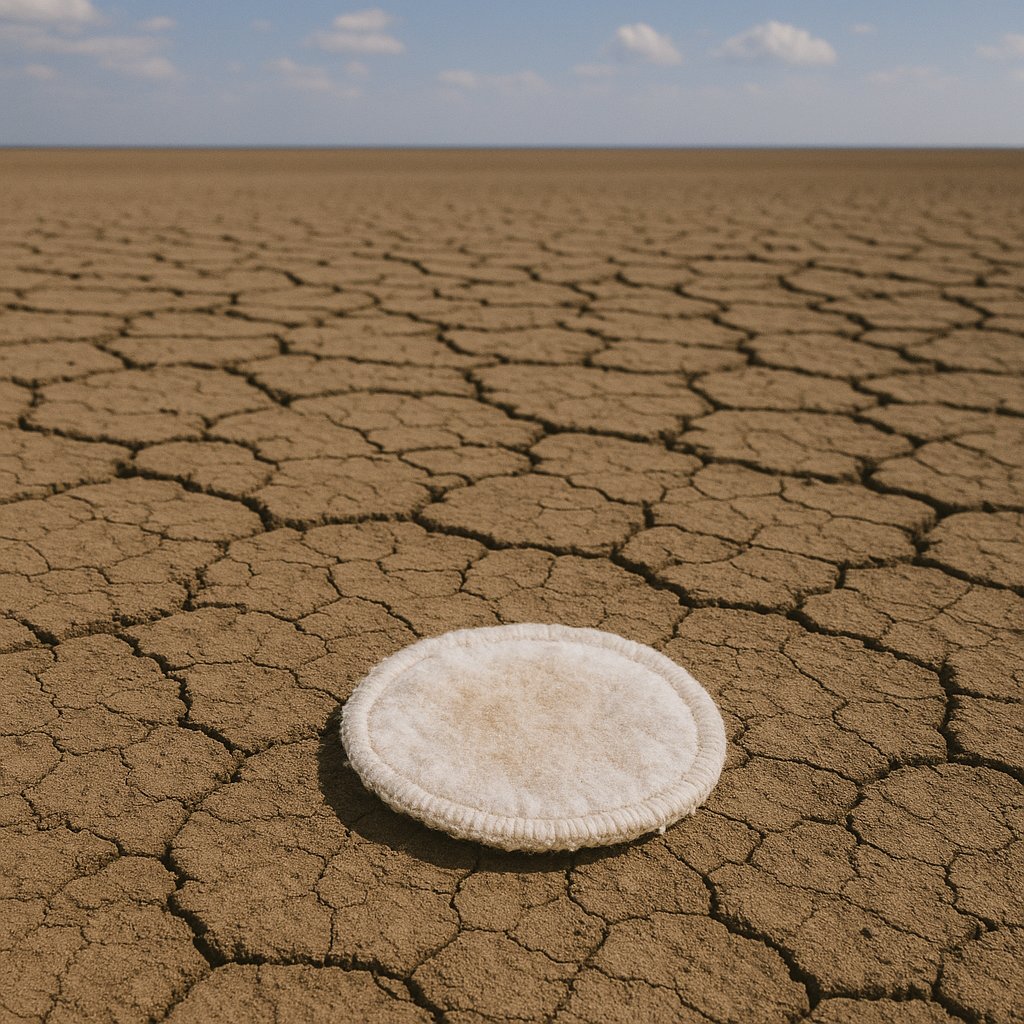
This South African startup tackles face-waste with reusable, compostable cotton rounds, saving water & landfill space.
Los Lappe is a cool company from Cape Town. They make special face-cleaning pads from old T-shirts and wood. These pads are amazing because you can wash them 200 times! After many uses, you can bury them, and they turn into dirt in just two months. This helps a lot by stopping tons of cotton trash from going into landfills and saves water too.
What is los lappies and how does it reduce waste?
los lappies is a Cape Town-based micro-brand that creates reusable, compostable facial cleansing discs from upcycled T-shirt scraps and sustainable wood pulp. These discs replace disposable cotton rounds, lasting 200 washes and biodegrading within two months, significantly reducing landfill waste and the environmental impact of conventional cotton production.
Get Cape Town news in your inbox
Stay updated with the latest stories from the Mother City.
- A Cape Town start-up turns T-shirt scraps and plantation wood into a face cloth that lives 200 lives*
The blink-and-you-miss-it moment your bin fills up
Go stand at any bathroom sink tonight: the actual cleanse may last a minute and a half, yet the most destructive part is over in a heartbeat. A thin white disc is ripped from a plastic bag, swept across skin, then flicked toward the trash. Do that every evening, toss in a few more for mascara, toner or a second pass, and a single user breezes past 1 000 disposable pads a year. South Africa already expects six of its nine provinces to run out of municipal landfill space within ten years; those feathery cotton circles have quietly become mascots of the waste crisis the beauty aisle keeps creating.
The maths is merciless: a four-packet-a-year habit feels trivial until you picture a stadium of two million people each holding a bulging supermarket bag of white fluff. That is the national yearly haul - roughly 400 t of imported cosmetic cotton - shipped in from halfway around the globe just so we can smear it with micellar water and forget it forever. Dermatologists keep reminding us to wash our face; nobody reminds us that the planet has to absorb the wipe.
los lappies, a micro-brand hatched in Cape Town, argues the whole routine can stay exactly the same - the cleansers, the serums, the sleepy sway in front of the mirror - while the cotton round itself disappears from the waste column. Their answer is a palm-sized, 8 cm disc that survives 200 trips through the laundry, then quietly rots in a compost heap, returning as tomato food within two months. Same nightly choreography, radically different ending.
Where water, cotton and pennies drain away unseen
Producing one kilogram of conventional cotton - about 1 200 of those pharmacy pads - slurps up 10 000 ℓ of irrigation water, plus fertiliser, pesticide and coal-fired power for ginning and bleaching. Multiply South Africa’s annual import figure by that coefficient and the virtual-water bill matches the domestic taps of 55 000 households in water-hungry Giyani. None of that H₂O is itemised on the price tag, yet it shows up later in municipal restrictions, river pollution and ever-climbing utility accounts.
Financially, disposables look harmless: roughly R35 for a bag of 80, or 44 c a pop. Use a fresh one twice a day and you still spend under R30 a month - easy to ignore, like a streaming-service subscription. The sting arrives at the dump, in water tariffs, and in the carbon miles clocked by fleets freighting cotton balls from the Mississippi Delta or Gujarat to Joburg warehouses. Invisible costs, painfully visible footprint.
los lappies reverses the flow. Their reusable set - ten rounds at R180 - breaks down to 9 c per application if you stick to the 200-use promise. Up-front sticker shock gets blunted by PayJustNow, a local fintech that slices payment into three interest-free debits, lifting checkout conversion among 25- to 34-year-olds by more than a third. The calculation is no longer “expensive cloth versus cheap cotton,” it is “pay 44 c every time forever, or 9 c once and forget about it.”
How factory scraps become laundry-loving cloth
Start with two waste streams. Cape Town’s biggest T-shirt factory shreds off-cut lint too short for spinning - cellulose-rich fluff once destined for landfill. Blend it with dissolving-grade wood pulp grown in FSC-certified eucalyptus and pine stands along KwaZulu-Natal’s coast, where plantations follow a 20-year rotation and keep indigenous grassland intact. High-pressure water jets tangle the two fibres into a needle-punched sheet 0.8 mm thick, weighing 1.2 g and able to guzzle three times its mass in liquid without raining lint into mascara bottles. No glue, no plastic binders, just mechanical grip.
The sheet behaves like paper when dry - easy to punch, dye or emboss - yet blooms into cloth the second water hits it. Thirty percent of the wood pulp is left in its naturally hydrophobic, lignin-rich state, so the core pulls moisture away from the surface and releases it through evaporation within 90 minutes on an air-dried towel rail. Stellenbosch University testing shows an 82 % reduction in bacterial colony count compared with standard cotton flannel that stays soggy past the four-hour mark.
Durability matches hygiene. Wash guidelines read like minimalist poetry: “Cold, 30 min, gentle, no soft, sun flat.” Cellulose fibres swell in hot water, shortening life, while cationic softeners coat the surface and kill absorbency. Follow the haiku and Johannesburg users logged 95 % tensile strength after 120 cycles - essentially a year of twice-daily duty. When the cloth finally frays, snip it into strips and bury; 60 % of the mass vanishes in eight weeks, the remnants adding carbon-rich “brown” layers to nitrogen-heavy kitchen compost.
From checkout tray to township rooftop
Retailers faced a new grammar: beauty aisles expect plastic sachets that hang on metal hooks, not a loose stack of floppy discs. Faithful to Nature solved the “touch-me” problem with a reclaimed-wood tray and a tiny tap; shoppers can wet a round, feel it swell, and experience the texture conversion. Staff report a 42 % conversion rate - once fingers meet cloth, the pack rarely goes back on the pile.
Durban’s Q-section in Umlazi posed a sterner test: four litres of grey water a day, no washing machines. Residents rinsed the rounds in leftover dish water, then sun-dried them on corrugated zinc roofs. After six weeks, 87 % declared the cloths a full replacement for both disposables and face towels; 62 % shared sets among siblings. The exercise birthed a charcoal-and-stone duo-tone edition so brothers and sisters could tell their pads apart.
Users quickly hacked secondary lives. Instagram tutorials show the cloth wrapped around avocado stones as an instant seedling pot; citronella-soaked rounds double as hiking-boot moth repellent; one Pretoria art teacher stitched 400 retired pads into a 1 m² “cloud” installation that now hovers in a school foyer, reminding pupils of their combined bathroom waste. The circle from bathroom bin to gallery wall took eight months.
Policy levers, copycats and the next product drop
Success breeds imitators. Within eight months, “bamboo velour” rounds - 40 % polyester, no bamboo in sight - surfaced online at half the price. los lappies answers with a UV-visible llama watermark borrowed from luxury-handbag authentication and is finalising Cradle-to-Cradle Bronze certification, a European passport that audits renewable energy, social fairness and recyclability. The audit fee - R180 k - hurts for a micro-brand, but opens shelf space in markets where green claims must survive legal scrutiny.
National Treasury may soon tip the scale: a proposed 12-cent levy on single-use cosmetic wipes is crawling through the 2025 plastic-reduction white paper. The start-up has lobbied for revenue to fund a rebate voucher - upload proof of buying verified reusables and receive R20 back, echoing the 2004 plastic-bag buy-back pilot. If adopted, the rebate would neutralise the upfront cost barrier that currently locks lower-income shoppers out of reuse culture.
Future SKUs are already in beta: a reusable sheet mask cut from the same web soaks in the user’s own serum, unfolds, and lasts ten sessions - slashing the sachet waste that litters #SheetMaskSunday posts. A 50-wash menstrual liner with a snap-out compostable core is testing in Cape Town townships. Each product keeps the core promise: drop the environmental impact without asking anyone to relearn their self-care ritual.
The quietest metric may be the most telling. Voice-note diaries collected just after cleansing capture a new bedtime soundtrack: the soft “thud” of a cloth landing in a cotton mesh bag instead of the metallic ping against a steel bin. Swap that sound every night for a year and the landfill saving equals one municipal truckload - proof that microscopic habit shifts, multiplied, can redraw the waste curve one sleepy face at a time.
[{"question": "What are Los Lappe face-cleaning pads made from?", "answer": "Los Lappe face-cleaning pads are innovatively crafted from two primary waste streams: cellulose-rich lint, which is off-cut fabric scraps from T-shirt factories that would otherwise go to landfills, and sustainable wood pulp sourced from FSC-certified eucalyptus and pine stands in KwaZulu-Natal. These materials are combined using high-pressure water jets, creating a durable and absorbent disc without the need for glues or plastic binders."}, {"question": "How long do Los Lappe pads last and what happens to them after use?", "answer": "Los Lappe pads are designed for longevity, surviving up to 200 washes. After reaching the end of their usable life, they are completely compostable. Users can simply bury them, and they will fully biodegrade into nutrient-rich soil within just two months, effectively becoming 'tomato food' and contributing to a circular economy."}, {"question": "How do Los Lappe pads contribute to reducing waste and environmental impact?", "answer": "Los Lappe pads significantly reduce waste by replacing disposable cotton rounds, which are a major contributor to landfill waste. By offering a reusable and compostable alternative, they prevent tons of cotton trash from ending up in landfills. Furthermore, their production saves vast amounts of water compared to conventional cotton, with one kilogram of conventional cotton requiring about 10,000 liters of irrigation water. This addresses both landfill and water scarcity issues, offering a sustainable solution in the beauty industry."}, {"question": "What are the financial benefits of using Los Lappe pads compared to disposable options?", "answer": "While disposable cotton pads may seem cheap at around R35 for a bag of 80 (44 cents per pad), the costs accumulate over time. A set of ten reusable Los Lappe rounds costs R180, which, spread over 200 uses, breaks down to just 9 cents per application. This represents a significant long-term saving. The company also offers payment options like PayJustNow to make the initial purchase more accessible, further reducing the financial barrier to sustainable choices."}, {"question": "How should Los Lappe pads be cared for to maximize their lifespan?", "answer": "To ensure maximum durability and hygiene, Los Lappe pads should be washed in cold water for 30 minutes on a gentle cycle. It is crucial to avoid fabric softeners, as they can coat the fibers and reduce absorbency, and hot water, which can cause cellulose fibers to swell and shorten the pad's life. After washing, they should be air-dried flat, ideally in the sun. Following these simple guidelines helps maintain their effectiveness and extends their 200-use promise."}, {"question": "Are there any future plans or new products from Los Lappe?", "answer": "Yes, Los Lappe is continuously innovating with several new products in development. These include a reusable sheet mask, made from the same material, designed to last ten sessions with the user's own serums, and a 50-wash menstrual liner with a snap-out compostable core, currently being tested in Cape Town townships. The company is committed to expanding its range of sustainable personal care items, all while maintaining its core promise of reducing environmental impact without altering established self-care routines."}]

Hannah Kriel is a Cape Town-born journalist who chronicles the city’s evolving food scene—from Bo-Kaap spice routes to Constantia vineyards—for local and international outlets. When she’s not interviewing chefs or tracking the harvest on her grandparents’ Stellenbosch farm, you’ll find her surfing the Atlantic breaks she first rode as a schoolgirl.
View all articles →