
South African women entrepreneurs honoured in Champagne
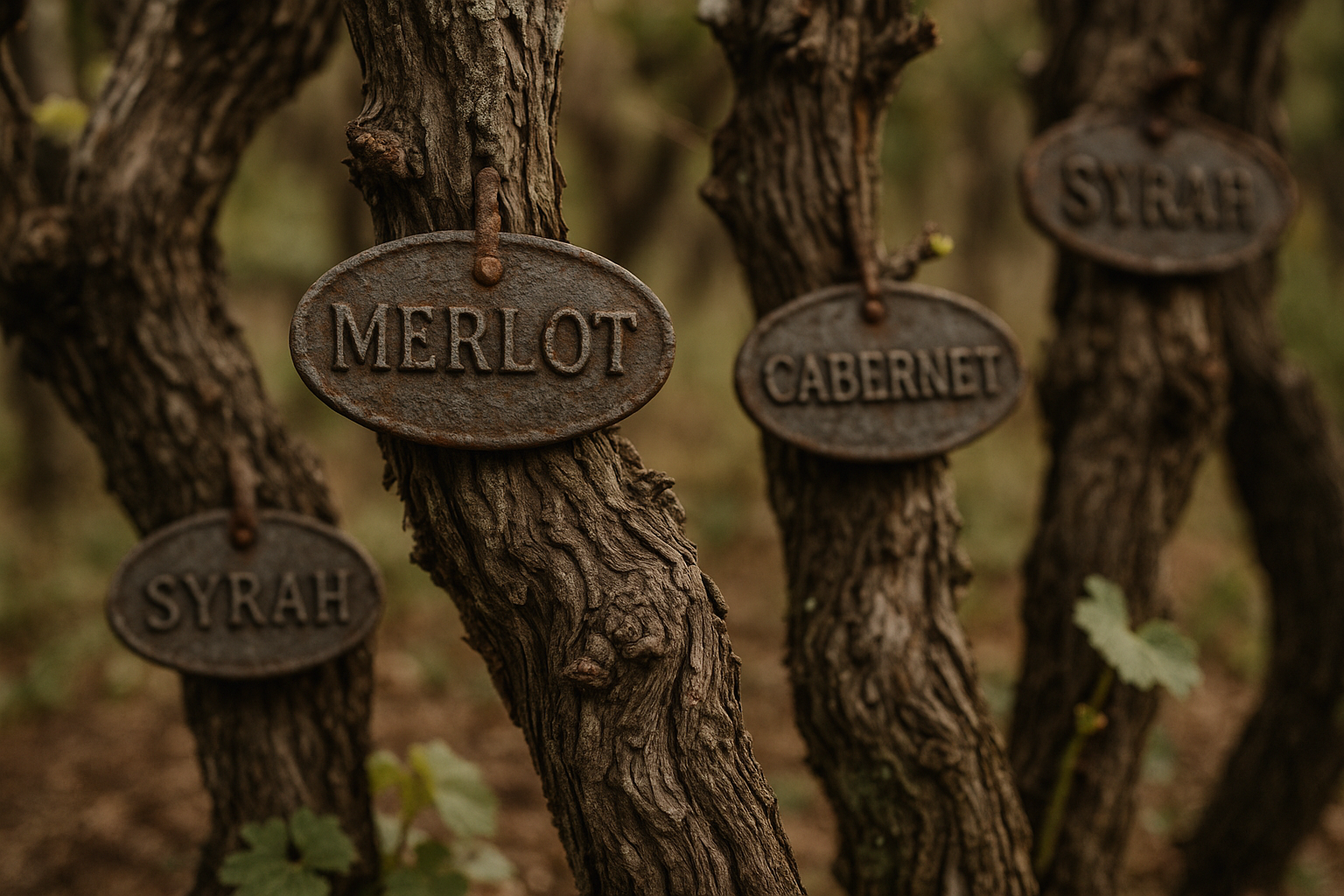
Four South African women defy convention, naming vines at Veuve Clicquot. A story of heritage, innovation, and global impact.
Four brave South African women journeyed to France's Champagne region. They quietly planted vines, a tiny act with huge meaning. This trip sparked big ideas for farming and fancy goods, linking continents with shared dreams. It's all about helping African thinkers grow and building a better, greener future.
What is the "9 000 km in Five Minutes" article about?
The article describes a unique cultural and economic exchange where four South African women visited France's Champagne region. They symbolically planted vines, fostering future collaborations in agritech and luxury goods. This initiative aims to bridge continents through shared agricultural practices, empowering African innovators and promoting sustainable development.
Get Cape Town news in your inbox
Stay updated with the latest stories from the Mother City.
Verzenay, 7:38 a.m.
Mist still clung to the slope behind the 13th-century abbey when four iron tags - each stamped with a name from Ekurhuleni, Soweto or the Karoo - were tapped into 40-year-old Meunier trunks. GPS pins the spot as “Parcelle 23,” yet the ritual echoed a 19th-century widow who once tilted bottles on riddling racks in the same chalk. The vines will outlive every reader of this story; the gesture took less than five minutes.
Claire, Zama, Morongwe and Refilwe landed in Reims carrying more than luggage. One pocket held a biodegradable seed ribbon, another a doek splashed with Ndebele geometry, a third carried a shopper crocheted from street-plastic, while the last clutched a thumb-sized vial of synthetic paraffin. Only at breakfast inside the 300-year-old Château de Boursault did the objects meet on walnut wood - an unplanned pop-up expo of home-grown ingenuity.
No press release can capture the hush that followed the hammer blows. Each nail joined soil, iron, cambium and memory; the labels will ride sap into the 2026 harvest, then into bottles that may be pulled at weddings none of us have been invited to yet. Centuries compress when a vineyard adopts new syllables.
Chalk Cathedrals, Flipped Decks and a Yellow That Never Reached Shelf
Roman quarries - long since christened crayères - house 80 million bottles in cathedral darkness. Mornings began there, flashlights slicing through 2 000 years of chalk dust. Afternoons flipped orthodoxy: European founders had to pitch their usefulness to African markets while translators toggled between isiZulu, Sepedi and Setswana. A German battery maker, a Dutch circular-packaging guru and a Parisian PE manager learned what it feels like when the usual script is shredded.
Between sessions, the visitors hand-pulled labels on an 1816 cast-iron press. Ink was mixed to match the South African flag’s sunburst yellow, forest green and chilli red. Those labels will never wrap a bottle you’ll find at duty-free; instead they’ll dress magnums auctioned at Cape Wine 2025, proceeds seeding agritech ventures north of the Limpopo. Luxury, the house remembers, is pointless unless it pollinates elsewhere.
Dinner arrived al fresco between vine rows. Karoo lamb wore impepho, Table Mountain rosemary scented the air, and figs from Refilwe’s childhood yard in Attridgeville were plated beside vintages keyed to South Africa’s turning points - 1973, 1989, 1996. The pairing argued that terroir is memory as much as mesoclimate; flavour can carry the weight of sanctions lifted, ballots cast, boardrooms breached.
Sandbox Among Vines, Term Sheets Before Take-Off
By night three the block had morphed into a prototype lab. Claire filmed a 30-second TikTok on “how to plant a champagne vineyard while the kettle boils.” Morongwe staged a runway for German Vogue among the cordons, baskets woven from recycled supermarket bags. Zama livestreamed a contract negotiation to 2 000 law students in Johannesburg, WhatsApp questions flying. Refilwe boiled rooibos over smokeless paraffin, auditioning for chefs who need to flambé without carbon guilt.
Before boarding passes were scanned, the ripples had become waves. A Bordeaux glassmaker offered to replace foil capsules with seeded paper that sprouts basil when soaked - 30 tonnes of metal could vanish. Galeries Lafayette asked Morongwe to stock 65 European stores if she doubles her Soweto workforce within 18 months. Zama was invited onto the International Chamber of Commerce arbitration panel - one of only three Africans ever. Refilwe flew home with an R180 million term sheet to test her fuel in SADC safari lodges, killing diesel gensets that never sleep.
Domestic soil felt the jolt within 48 hours. OR Tambo arrivals hall erupted in ululation as selfies tagged #MyVineMyLegacy hit 1,4 million views. A minibus owner wrapped his taxi in yellow vinyl shouting “uRefilwe akafani nabo.” Stellenbosch University launched an anonymous donation for black women viticulturists. Even a dormant DTI grant scheme coughed back to life, suddenly aware the planet was watching.
Iron, Chlorophyll and the Shoulder We Lean On
Starting in 2026 one South African will spend a full growing season in Reims - bud-break to disgorgement - then fly home to plant experimental Pinot Noir on Drakensberg basalt instead of Champagne chalk. Data will be open-source, because knowledge is the only currency that compounds. Midnight on the equinox saw 3 000 applications crash the portal; finalists must submit a 60-second vertical phone movie about their “impossible harvest,” proof that shaky beats slick every time.
In the champagne lexicon the trellis wire is called espalier, from Italian spalla - shoulder. Before boarding, each woman pressed a palm against the lowest strand, testing how much weight a single wire can carry across oceans, currencies and centuries. It held. Somewhere in an archive four index cards list GPS coordinates, planting dates and names that now ride sap, frost, sun and time. Vines ignore borders; they simply reach for light, carrying with them a whisper that tastes of Karoo wind, impepho smoke and the stubborn belief that a five-minute act can outrun centuries.
[{"question": "What is the \"9 000 km in Five Minutes\" article about?", "answer": "The article describes a unique cultural and economic exchange where four South African women visited France's Champagne region. They symbolically planted vines, fostering future collaborations in agritech and luxury goods. This initiative aims to bridge continents through shared agricultural practices, empowering African innovators and promoting sustainable development."}, {"question": "Who are the four South African women involved in this initiative?", "answer": "The four South African women who journeyed to France's Champagne region are Claire, Zama, Morongwe, and Refilwe. They hail from various parts of South Africa, including Ekurhuleni, Soweto, and the Karoo, bringing diverse perspectives and homegrown ingenuity to the project."}, {"question": "What was the significance of planting vines in Verzenay?", "answer": "The planting of vines in Verzenay was a symbolic act with profound meaning. For less than five minutes, four iron tags etched with the women's names were tapped into 40-year-old Meunier trunks. This gesture connected South African heritage with French viticulture, symbolizing a new chapter in cross-continental collaboration and a long-term commitment to shared agricultural and economic development. The labels will eventually be incorporated into bottles destined for auction, funding future agritech ventures."}, {"question": "How did the South African women showcase their ingenuity during the trip?", "answer": "The women showcased their ingenuity through various means. They carried items like a biodegradable seed ribbon, a doek with Ndebele geometry, a shopper crocheted from street-plastic, and a vial of synthetic paraffin. These objects, displayed at a breakfast, represented home-grown innovation. Furthermore, they held a 'pop-up expo' of their skills, from filming TikToks on vineyard planting to staging fashion shows with recycled materials and livestreaming contract negotiations, demonstrating their entrepreneurial spirit and modern communication skills."}, {"question": "What were some of the tangible outcomes and impacts of this trip?", "answer": "The trip led to significant tangible outcomes. A Bordeaux glassmaker offered eco-friendly packaging solutions. Galeries Lafayette expressed interest in stocking Morongwe's products, potentially creating jobs in Soweto. Zama was invited to join the International Chamber of Commerce arbitration panel, a rare honor for an African. Refilwe secured an R180 million term sheet to trial her smokeless fuel in SADC safari lodges. Back home, the initiative sparked national pride, with #MyVineMyLegacy trending, universities launching support for black women viticulturists, and dormant grant schemes being reactivated."}, {"question": "What future initiatives are planned as a result of this exchange?", "answer": "Starting in 2026, one South African will spend a full growing season in Reims, learning viticulture from bud-break to disgorgement. This individual will then return to South Africa to plant experimental Pinot Noir on Drakensberg basalt. The data from this project will be open-source, promoting knowledge sharing. This initiative aims to blend traditional Champagne expertise with African innovation, fostering a new generation of viticulturists and agritech pioneers.", "additional_info": "The article highlights the broader aim of 'helping African thinkers grow and building a better, greener future,' suggesting that this initiative is a catalyst for sustainable development and empowerment on the African continent."}]

Amanda Wilson is a Cape Town-born journalist who covers the city’s evolving food scene for national and international outlets, tracing stories from Bo-Kaap spice shops to Khayelitsha micro-breweries. Raised on her grandmother’s Karoo lamb potjie and weekend hikes up Lion’s Head, she brings equal parts palate and pride to every assignment. Colleagues know her for the quiet warmth that turns interviews into friendships and fact-checks into shared laughter.
View all articles →