
Spice, heart and a TikTok: Anu Pillay’s Durban curry story
A curry pot transforms Cape Town's social feed into a community kitchen, blending memory, bravery, and spice into a beloved culinary experience.
Anushé Pillay brought her mom's special Durban curry spice to Cape Town. When she cooked it, the amazing smell and taste reminded people of home and childhood. A TikTok video made her curry famous, connecting strangers over shared memories. Now, her curry and cooking classes bring people together, showing how a simple meal can create a strong community.
How did a single pot of Durban curry unite people in Cape Town?
A single pot of Durban curry, crafted by Anushé Pillay using her mother's garam masala, united people in Cape Town by evoking shared memories and a sense of belonging. Initially a means to survive, the curry gained viral attention through TikTok, creating a digital community around its nostalgic flavors and fostering connections among strangers.
Get Cape Town news in your inbox
Stay updated with the latest stories from the Mother City.
- Section 1 – The Spice Map Hidden in a Tupperware*
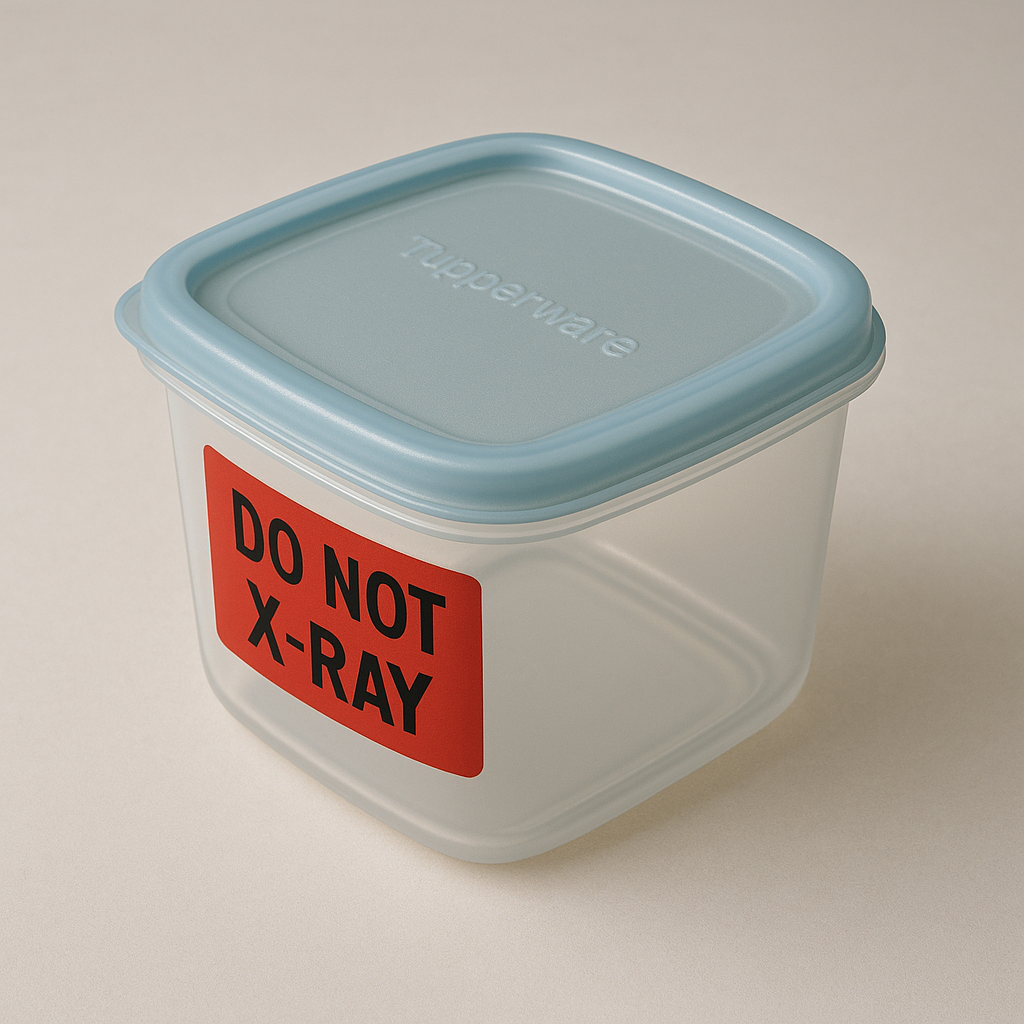
Durban’s shoreline keeps the mercury near 30 °C for most of the year, and the air mixes salt, sugar cane and ground cumin into one unmistakable lungful. When Anushé Pillay locked the Wentworth flat in late 2022, she slid one last token into her duffel: four hundred grams of her mother’s garam masala, triple-wrapped in foil, tucked inside a plastic tub labelled “DO NOT X-RAY.” The little red box rode shotgun for sixteen hundred kilometres along the N3 and now lives on the second shelf of a Parow rental, sticker fading but perfume intact.
Inside that container hides a cartography of memory: six parts coriander seed, two shards of cassia, a single thumb of black cardamom, scraped nutmeg, Kashmiri chilli for colour only. Mum chalked the ratios on the chipped counter with a desiccated curry leaf the day Anushé turned seven. Each time the lid lifts, the coastal city tilts six degrees south and the childhood kitchen re-creates itself behind her eyelids - green light through geraniums, a gecko performing push-ups on the wall, the neighbour yelling cricket scores over the fence.
That humble plastic vessel has become a compass for strangers. When Durbanites catch the first whiff of the steaming pot they close their eyes and stand quietly, as if listening for a train that left thirty years ago. In a city where almost nobody is truly “from here,” the mix acts like an aromatic boarding pass that gets stamped without questions.
- Section 2 – Night Alchemy on an Electric Ring*
Cape December is a month of wind sharp enough to taste like tin. Rent was looming, the toddler had an ear that refused to heal, and the last eight hundred rand in the house slept folded in a sock drawer. Anushé had committed to fifteen lunch packs for the next afternoon - lamb with potatoes cooked to falling-apart softness, the way beachside hawkers in Durban still do it. At 23:13 the single gas burner coughed twice and surrendered. The Manenberg cylinder man was off duty.
She hauled the heavy pot to the electric camping plate usually reserved for warming milk. The coil was smaller than the base, so the saucepan sat at a precarious angle like a seesaw. For three hours she stirred, coaxing the sauce back each time it over-reduced: first with water, then with yoghurt, finally with the lone tin of coconut milk she had earmarked for payday. What materialised at 02:07 was deeper, thicker, sweeter - an unplanned variant now listed simply as “Midnight.” Anyone who books it in advance receives a tiny crescent-moon sticker on the lid.
That 2 a.m. salvage operation rewrote more than a recipe; it rewrote the rules of possibility. Friends who once said “Cape Town won’t pay for Durban heat” started lining up for something born from an empty cylinder and a dare. The gas never got replaced - she simply learned to bend every heat source in the flat to her will.
- Section 3 – When the FYP Became a Dinner Table*
TikTok creator Llewellyn Williams never claimed objectivity; he was hunting for a ghost. In a forty-two-second clip he inhaled the rising steam twice, rolled his eyes skyward and whispered, “This is the way my granny stirred the pot.” Twelve hours later the clip had 1.2 million views. Durban exiles, Cape Flats aunties and Observatory students poured into the comments, swapping childhood memories like trading cards.
Anushé split the flood into broadcast lists: “Durbanites,” “Flats,” “Northern Suburbs,” “Joburg Expats.” Each label hears a different heat warning - Helderberg wind, the northerners claim, amplifies chilli. WhatsApp voice notes arrived in isiZulu, Afrikaans, Xhosa-flavoured English, Gujarati and the Bo-Kaap’s Malay-Afrikaans lilt. She answered none verbally; she answered with a picture of the next batch bubbling. When someone asked whether grated potato could disappear the way grandma did it, she added an off-menu variant called “Grated.” It sold out in nine minutes.
The algorithm did not spread food - it spread belonging. Commenters who had never met found themselves arranging joint lifts or handing jars to strangers wearing identical DUT hoodies. A digital living room formed around the scent of cumin and cassia.
- Section 4 – Subtraction as Expansion*
Three months of growth proved that “more” can ruin the magic. When a tech campus requested two hundred tubs for a year-end lunch, Anushé typed auto-reply fired: “Let’s keep it communal, not corporate.” Instead of scaling pots she began offering Saturday masterclasses - six humans max, three hundred and fifty rand each. Students cook one pot, eat one bowl, carry one home. Spots vanish within twenty minutes.
She calls the system “expansion by subtraction.” By cooking less and teaching more, she multiplies flavours without multiplying stress. Each participant leaves clutching a matchbox repurposed from apartheid-era printing blocks; inside hides enough starter spice for a first solo batch. The matchboxes travel like seed pods - one reached a backpacker in Ireland who messaged, “I made it for flatmates who had never heard of Durban. The kitchen smelled like hope.”
The toddler has her own job description. Mireya hands out printed “Taste Tester Level 5” cards - crayon on the back of expired loyalty slips - then dabs sauce on thumbs. Happy-face stickers mean approval; dinosaur stickers mean “too hot.” Sponsorship offers flutter in, but Anushé refuses to price the girl’s wonder.
On the last Saturday of every month a man in a grey golf shirt buys two tubs of mutton. One he eats on the Sea Point promenade, the other he leaves unopened on a bench. Anushé slipped a note into his parcel on Women’s Day: “Your father would have been proud of how you remember.” He photographed the empty bench and sent it back. The picture is now pinned above the stove, a quiet reminder that curry is sometimes the only luggage we can carry across decades.
{"faq": [{"question": "
How did a single pot of Durban curry unite people in Cape Town?
", "answer": "A single pot of Durban curry, crafted by Anushé Pillay using her mother's garam masala, united people in Cape Town by evoking shared memories and a sense of belonging. Initially a means to survive, the curry gained viral attention through TikTok, creating a digital community around its nostalgic flavors and fostering connections among strangers. It became a 'boarding pass' for Durbanites and others, allowing them to reconnect with their past and build new community ties in a city where many feel like outsiders."},{"question": "
What made Anushé Pillay's curry so special and popular?
", "answer": "Anushé Pillay's curry was special due to her mother's unique garam masala recipe, which carried deep nostalgic value and evoked childhood memories for many Durbanites. Its authentic taste and aroma resonated deeply with people, reminding them of home. Additionally, a viral TikTok video by Llewellyn Williams, praising the curry as reminiscent of his granny's cooking, significantly boosted its popularity and spread its reach across various communities in Cape Town. The 'Midnight' variant, born from an unplanned late-night cooking session, also added to its unique appeal."},{"question": "
How did TikTok contribute to the curry's fame and community building?
", "answer": "TikTok played a crucial role in the curry's fame and community building when creator Llewellyn Williams's video went viral, garnering 1.2 million views. This video served as a catalyst, drawing in thousands of comments from people sharing childhood memories related to similar flavors. This digital interaction led to the formation of broadcast lists (e.g., 'Durbanites,' 'Cape Flats') and even prompted strangers to arrange joint lifts or exchange jars of curry, effectively transforming the platform into a 'digital living room' centered around the shared experience of the curry's scent and taste."},{"question": "
What is 'expansion by subtraction' in the context of Anushé's business?
", "answer": "'Expansion by subtraction' is Anushé Pillay's unique business strategy where instead of scaling up production to meet corporate demands, she chose to limit her direct cooking and instead offer small, intimate masterclasses. By teaching six students at a time how to cook the curry, she multiplies its flavors and reach without multiplying her personal stress or compromising the communal, homemade essence. Each student leaves with knowledge and starter spice, effectively expanding the curry's presence through shared experience rather than mass production."},{"question": "
What is the significance of the matchboxes and Mireya's 'Taste Tester' role?
", "answer": "The matchboxes, repurposed from apartheid-era printing blocks, contain starter spice and symbolize the dissemination of culture and memory, traveling like 'seed pods' and spreading the 'hope' of Durban's flavors globally. Mireya, Anushé's toddler, has an official role as 'Taste Tester Level 5,' using crayon-marked loyalty slips and stickers to indicate approval ('happy-face') or spiciness ('dinosaur'). This not only adds a charming, personal touch to the business but also highlights Anushé's commitment to authenticity and family values, refusing to monetize her daughter's innocent involvement."},{"question": "
How does the curry serve as a connection to memory and home for people?
", "answer": "The Durban curry serves as a powerful connection to memory and home because its specific aroma and taste, derived from Anushé's mother's garam masala, instantly transport people back to their childhood kitchens and past experiences. For Durbanites in Cape Town, it acts as an 'aromatic boarding pass' that bypasses questions and reconnects them to a city they've left behind. The man who leaves a tub on a bench for his late father further exemplifies how the curry can be a tangible link to loved ones and a means of carrying cherished memories across decades."}]}
Zola Naidoo is a Cape Town journalist who chronicles the city’s shifting politics and the lived realities behind the headlines. A weekend trail-runner on Table Mountain’s lower contour paths, she still swops stories in her grandmother’s District Six kitchen every Sunday, grounding her reporting in the cadences of the Cape.
View all articles →