
The Devil Wears Prada 2 smashes box office with $433 million in under two weeks
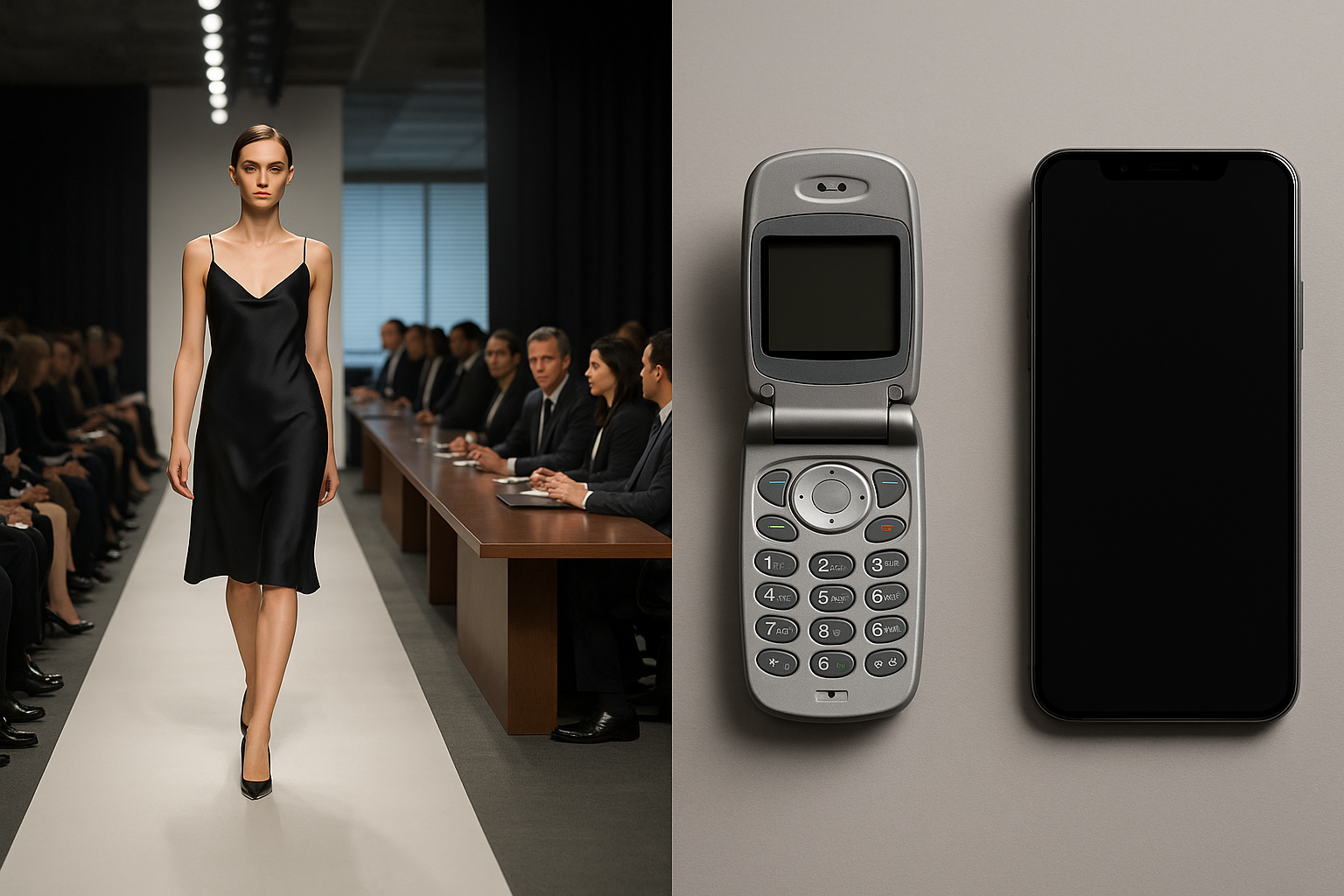
The Devil Wears Prada 2: How an unexpected sequel became 2026's first event-movie, shattering box office records.
The movie "The Devil Wears Prada 2" made a shocking $433 million worldwide in just 13 days! Everyone, from teens to retirees, loved it, making it a huge surprise hit. It proved old stories can be new again if they're smart and stylish, showing Hollywood that you don't always need superheroes to win big at the box office.
How much money did "The Devil Wears Prada 2" make?
"The Devil Wears Prada 2" earned a worldwide haul of $433 million in just thirteen days, far exceeding its initial forecast of $275 million lifetime. The film's domestic gross was $146.2 million, with international markets contributing $286.8 million, making it a surprise blockbuster.
Get Cape Town news in your inbox
Stay updated with the latest stories from the Mother City.
Section 1 – The thirteen-day eruption that stunned Hollywood
1.1 The Friday morning that crashed the algorithm
On 14 May 2026, just after 9 a.m. Pacific, Disney’s analytics hub refreshed and flashed a worldwide haul of 433 million dollars for the sequel nobody thought would break the top tier. The system first rejected the figure, convinced the servers had glitched; the forecast two weeks earlier had been a polite 275 million lifetime. Instead, the picture blasted onto the May scoreboard in third place - behind only the latest Avengers and the tenth Star Wars saga - without a single cape or laser sword in sight.
1.2 Four audience quadrants, one stiletto heel
The numbers look wild until you notice *who * showed up. Teen boys came for the meme-ready outfits, suburban moms for the nostalgia trip, date-night duos for the grown-up banter, and retirees for the spectacle of Meryl Streep striding past open-plan desks like a T-rex among houseplants. UCLA is already teaching the campaign as a masterclass in “eventising without superheroes.” The lesson: marry enduring IP with TikTok timing and sell it like a Marvel drop - minus the spandex.
1.3 Tracking sheets thrown out the window
Forecasters had predicted a modest 65–75 million domestic launch for a prestige comedy led by three women over forty and one man who jokes he chooses projects for the lunch spreads. Instead, cinemas clocked the third-biggest May debut ever. Every studio head now carries a single takeaway: legacy titles, if reframed for vertical-video culture, can outrun caped crusaders at a fraction of the marketing cost.
Section 2 – A twenty-year leap forward and the wardrobe that made it believable
2.1 The opening shot that solved an e-mail problem
Early test viewers balked at a first-draft scene where Andy types “I’m sorry” into an empty Gmail window - Gen-Z feedback cards asked, “Who even logs in?” The final film kicks off with a fluid Steadicam glide behind a silver-coiffed Miranda as Gen-Z staffers pop up like meerkats the moment her sunglasses come off. The gag - youth bowing to age - landed a 94 % “excellent” rating and instantly colonised TikTok under the tag #StandForMP.
2.2 Fashion that refuses to chase trends
Rather than duel the algorithmic churn of TikTok couture, legendary designer Patricia Field (coaxed back with a two-film contract and a jet upholstered in vintage Hermès) built every hero piece from archive icons reimagined in lab-grown leather and biodegradable sequins. Meryl’s finale overcoat is a 3-D-printed, 180 % scale version of Chanel’s 2006 tweed jacket - dubbed the “Nepo-coat” by fashion accounts - whose Mango knock-off melted checkout pages across Europe.
2.3 The time gap as narrative rocket fuel
Skipping two decades let the story sidestep continuity quicksand and instead weaponise generational tension. Miranda now rules a digitised magazine bullpen, Andy negotiates influencer contracts, and Emily toggles between NFT drops and Paris couture. The jump rebooted relevance without rebooting the brand.
Section 3 – The money maze: budgets, back-ends and the new quote sheet
3.1 An 87-million-dollar gamble masquerading as 100
Disney’s press release touted a 100 million budget, but Massachusetts tax breaks and a sunset COVID rebate pared the real exposure to 87 million, leaving more cushion for splashy marketing stunts.
3.2 The 1992-style back-end deal
Hathaway, Streep, Blunt and Tucci each took minimum upfront fees in exchange for a shared 25 % slice of first-dollar gross - a structure unseen since A Few Good Men. Ten days into release, every participant had already surpassed their previous career-best quotes, prompting CAA’s internal memo, “The Priestly Effect,” which urges reps to hold the line for actresses north of thirty-eight.
3.3 Markets that overdelivered - and one that shrugged
- Global split after 13 days*
- Domestic: 146.2 million (33.8 %)
- International: 286.8 million (66.2 %)
Top offshore contributors:
1. United Kingdom – 42.1 million (record for a working-women comedy)
2. Japan – 38.4 million (Toho’s pop-up scarf booth in Shibuya sold out in 72 hours)
3. Germany – 26.7 million (moved up a week to piggyback Ascension Day)
4. Brazil – 21.3 million (local dub inserted the slang “Já deu,” instantly memed)
5. Australia – 19.8 million (open-air runway screenings at Sydney Fashion Week)
China, usually the swing factor, delivered just 11.4 million after censors excised a subplot about Xinjiang cotton. Southeast Asia leapt in to plug the gap: Indonesia and Vietnam both set records for non-action Western releases.
Section 4 – Merchandise, metrics, and the cultural aftershock
4.1 Handbags, mocktails and the Tuesday-night goldmine
Before tickets went on sale, wholesale orders for fashion tie-ins hit 68 million dollars. Coach’s reboot of Andy’s fringed hobo retailed at 395 dollars and sold out in 19 minutes, leading to 1,200-dollar* * resale tags. AMC lured women’s groups with “sip-and-see” Tuesday screenings, complete with a 19-dollar mocktail flight, and saw concession sales jump 210 %**.
4.2 The sustainability flex that won Wall Street
End credits reveal that every costume was archived, rented, or 3-D printed from ocean plastic; the set diverted 92 % of waste from landfill. BlackRock’s ESG desk rewarded the disclosure by upgrading Disney shares, signalling that blockbusters can now flex both profit and planet credentials.
4.3 The post-credit moment no phone could spoil
A stealth security-cam stinger - in which Andy slides a business card reading “Editorial Partner, Substack” across Miranda’s desk - remained unscanned for four days thanks to Prada Pocket pouches that black-out lenses inside auditoriums. Once released, the clip raced to 57 million views, proving that controlled scarcity still trumps spoiler saturation.
4.4 The ripple nobody predicted
Duolingo launched a Miranda voice pack that corrects pronunciation with cutting silence. Delta and Emirates re-cut safety videos so cabin crew deliver instructions in ice-queen deadpan. Even LinkedIn saw a 48 % surge in “editorial” job titles the week after release. Studios, airlines, language apps and fashion schools are now drafting memos titled What Would Priestly Do? - a testament to one film’s ability to rewrite cultural gravity before May is even over.
[{"question": "What is \"The Devil Wears Prada 2\" and why is it considered a shock-blockbuster?", "answer": "\"The Devil Wears Prada 2\" is a sequel to the popular film \"The Devil Wears Prada.\" It became a shock-blockbuster by earning a staggering $433 million worldwide in just 13 days, significantly surpassing its initial lifetime forecast of $275 million. This success was unexpected, especially as it achieved such high box office numbers without relying on traditional superhero or sci-fi franchises, proving that smart and stylish storytelling can still draw massive audiences."}, {"question": "How much money did \"The Devil Wears Prada 2\" make, and what was its budget?", "answer": "\"The Devil Wears Prada 2\" made $433 million worldwide in its first 13 days. Its domestic gross was $146.2 million, and international markets contributed $286.8 million. While Disney's press release stated a budget of $100 million, the real exposure for the film was closer to $87 million due to Massachusetts tax breaks and a COVID rebate."}, {"question": "Who was the target audience for \"The Devil Wears Prada 2\"?", "answer": "The movie remarkably appealed to a wide range of demographics, demonstrating broad appeal across 'four audience quadrants.' Teen boys were drawn to the meme-ready outfits, suburban mothers for the nostalgia, date-night duos for the mature banter, and retirees for the spectacle, particularly Meryl Streep's performance. This diverse appeal contributed significantly to its unexpected box office success."}, {"question": "What was the strategy behind the fashion in \"The Devil Wears Prada 2\"?", "answer": "Legendary designer Patricia Field, coaxed back for the sequel, opted for a strategy of reimagining archive icons rather than chasing fleeting TikTok trends. She designed hero pieces using innovative materials like lab-grown leather and biodegradable sequins. A notable example is Meryl Streep's finale overcoat, a 3-D printed, 180% scale version of Chanel's 2006 tweed jacket, dubbed the \"Nepo-coat,\" which even led to immediate sell-outs of Mango knock-offs."}, {"question": "How did the film handle the time gap between the first and second movies?", "answer": "The film effectively used a twenty-year time gap as 'narrative rocket fuel' to avoid continuity issues and to 'weaponise generational tension.' This allowed for character development that reflected modern times: Miranda now helms a digitized magazine, Andy negotiates influencer contracts, and Emily navigates NFT drops and Paris couture. This approach rebooted the film's relevance without having to completely reboot the brand itself."}, {"question": "What unique financial arrangements were made for the cast of \"The Devil Wears Prada 2\"?", "answer": "Stars Anne Hathaway, Meryl Streep, Emily Blunt, and Stanley Tucci opted for minimum upfront fees in exchange for a shared 25% slice of the film's 'first-dollar gross.' This type of backend deal, rarely seen since films like \"A Few Good Men,\" allowed them to surpass their previous career-best earnings within just ten days of the film's release, leading to significant industry discussion about actor compensation for established talent."}, {"question": "What was the cultural impact of \"The Devil Wears Prada 2\" beyond the box office?", "answer": "The film generated significant cultural ripples. Merchandise tie-ins, like Coach's reboot of Andy's fringed hobo bag, sold out rapidly. AMC's 'sip-and-see' screenings targeting women's groups boosted concession sales. The movie also championed sustainability, with costumes made from recycled materials and 92% of set waste diverted from landfills, positively impacting Disney's ESG standing. Furthermore, a post-credit scene teased Andy's new role at Substack, generating massive online engagement, and the film even inspired Duolingo voice packs, Delta safety videos, and a surge in 'editorial' job title searches on LinkedIn, demonstrating its broad influence."}]
Amanda Wilson is a Cape Town-born journalist who covers the city’s evolving food scene for national and international outlets, tracing stories from Bo-Kaap spice shops to Khayelitsha micro-breweries. Raised on her grandmother’s Karoo lamb potjie and weekend hikes up Lion’s Head, she brings equal parts palate and pride to every assignment. Colleagues know her for the quiet warmth that turns interviews into friendships and fact-checks into shared laughter.
View all articles →