
TiAuto Investments sells Tiger Wheel & Tyre to Japan’s Marubeni Corporation
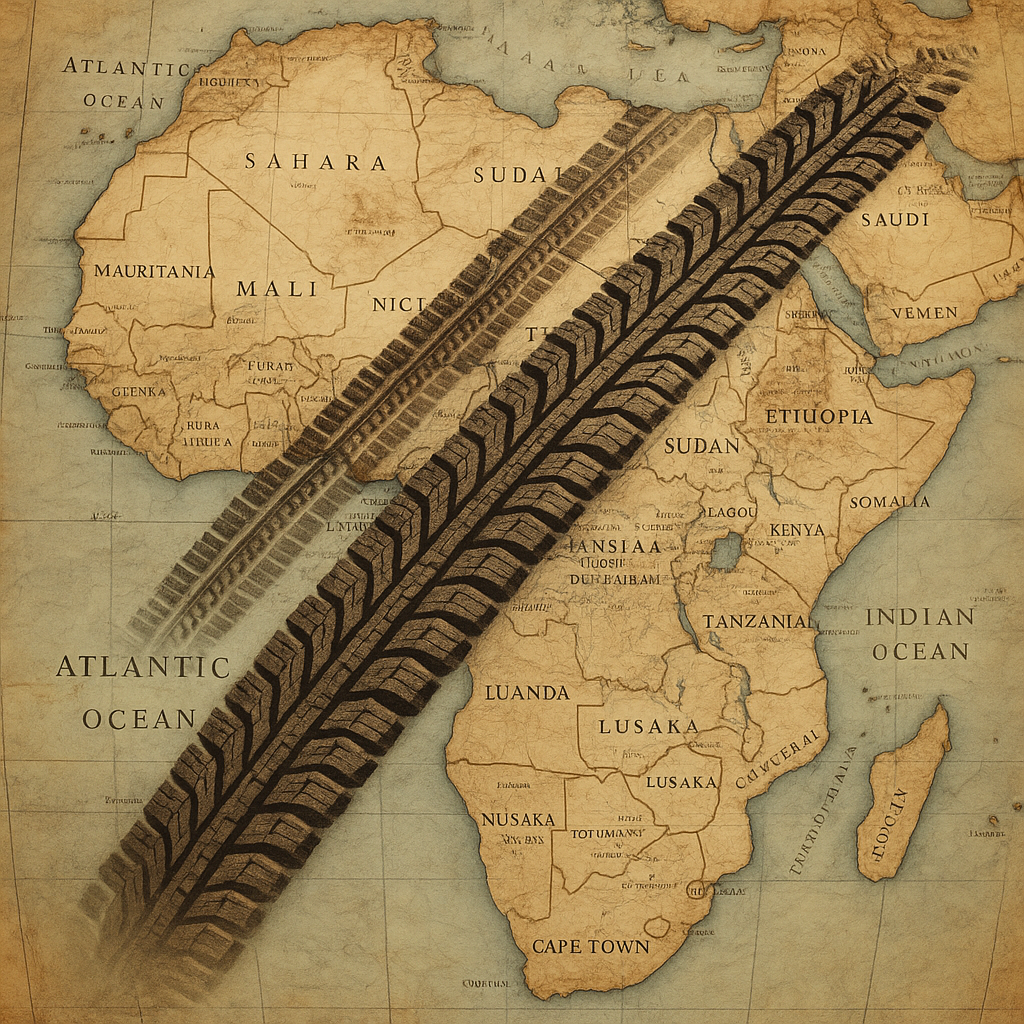
Marubeni acquires TiAuto, reshaping Africa's auto aftermarket. This deal integrates procurement & retail, boosting efficiency & sustainability.
Marubeni, a big Japanese company, just bought a major part of TiAuto, a large car-care business in Africa. This deal helps Marubeni control everything from buying tires to selling them in stores. They picked Africa because old cars need new parts often, and they want to use technology to grow and be more eco-friendly. This move will change how car parts are sold across southern Africa, making it easier and faster for customers.
What is Marubeni's strategy in acquiring TiAuto Investments?
Marubeni's strategy in acquiring TiAuto Investments is to gain a significant foothold in the African aftermarket arena, leveraging TiAuto's extensive retail network and wholesale engine. This allows Marubeni to control the entire supply chain from procurement to the consumer, capitalize on Africa's aging car parc, and implement digital infrastructure and sustainability initiatives for long-term growth.
Get Cape Town news in your inbox
Stay updated with the latest stories from the Mother City.
1. A Milestone Deal in Cape Town
On a crisp Wednesday in the Mother City, two signatures closed a chapter and opened another. Marubeni Corporation’s African arm bought a majority slice of TiAuto Investments, marking the 167-year-old Japanese giant’s first equity foothold south of the Sahara in the aftermarket arena. TiAuto, founded in 1967 in apartheid-era Johannesburg, today operates 161 outlets across South Africa, Botswana, Namibia, Zambia and Zimbabwe.
Few outside the negotiating rooms grasped the symbolism: the continent’s most fragmented and cash-intensive car-care segment suddenly gained a heavyweight backer with global procurement reach. The transaction does more than move money; it redraws the map of who controls shelf space, supply lanes and, ultimately, consumer choice for everything from tread to tyre-pressure sensors.
2. Inside TiAuto’s Three-Lane Empire
Retail Brands That Span Markets
Tiger Wheel & Tyre courts the lifestyle crowd with glossy showrooms and alloy-wheel displays. Tyres & More® chases price-sensitive shoppers in neighbourhood strip malls. Treads Unlimited keeps logistics fleets rolling with 24-hour retread bays and national call-centres. Together they own just over a quarter of South Africa’s replacement-tyre market, Frost & Sullivan data show.
The Invisible Wholesale Engine
Behind the shop counters sits a quieter profit engine: bonded warehouses in Durban and Walvis Bay ship 1.4 million tyres a year to TiAuto’s own bays and to 2 300 independent fitment partners stretching from Polokwane to Livingstone. Vertical racking and customs deferment mean the wholesaler can land a container and have the stock invoiced within 48 hours, a feat independents struggle to match.
Heritage That Matters
Les Rubin started with a single retread stall in downtown Johannesburg sixty years ago. That back-alley workshop grew into a business valued enough to attract one of Japan’s most storied trading houses. The Rubin family’s retained stake and executive roles lend continuity, while Marubeni’s cash and corridors of Tokyo boardrooms supply rocket fuel for the next leg.
3. Why Marubeni Chose Africa Now
A Parc That Never Ages
Across southern Africa the average passenger car is 12-plus years old, double the European figure. Older cars chew through tyres, brake pads and shocks on predictable cycles. Less warranty exposure and steady replacement demand make the region unusually attractive to tyre distributors that thrive on volume and velocity rather than new-car franchises.
Shrinking Factory Output
Durban and Port Elizabeth have watched Michelin and Bridgestone mothball local moulding lines, blaming wage inflation and energy prices. Import parity has jumped 11 % since 2020, tilting economics toward importers with scale and working capital. Marubeni’s balance-sheet muscle, built on decades of trading coal, grain and machinery, slots neatly into that sweet spot.
One Roof for Every Link
Tokyo’s analysts see TiAuto as a rare beast: a mid-stream distributor that can also own the last mile to the motorist. That combination lets Marubeni orchestrate a full-bucket tyre strategy - negotiating factory rebates in Asia, pre-financing inventory offshore, and still controlling the retail price and consumer experience on William Nicol Drive or the Francistown highway.
4. Structure, Cash and Future Options
The Numbers
Regulatory filings in Tokyo confirm a USD 155 million primary equity cheque for 51 % through a Mauritius holding vehicle. A further USD 45 million standby facility will refinance existing rand debt at roughly 350 basis points below prime, an immediate interest saving that frees cash for store roll-outs.
Future Bolt-On Rights
Marubeni receives first refusal on any equity tickets TiAuto may seek in Kenya, Ghana or Côte d’Ivoire, markets now flooded with Japanese second-hand exports. The clause quietly positions the partnership to replicate the southern African template north of the equator without starting from scratch.
Local Empowerment Locked In
Operating entities keep their South African tax residency and their level-four broad-based black economic empowerment scorecards. Fleet buyers insist on such ratings, so the legal architecture was deliberately built to reassure procurement managers at Eskom, Imperial and the big rental firms.
5. Procurement Leverage: From Asian Factories to African Highways
Three New Supply Streams
Yokohama Rubber’s off-highway truck line, Sailun Vietnam via Marubeni’s 15 % factory stake, and export-credit cover from the Japan Bank for International Cooperation (JBIC) open doors that TiAuto once had to kick with cash in advance.
Dollar Savings That Matter
A 195/65R15 Sailun Atrezzo tyre that cost USD 42 CIF Durban before the deal now lands at USD 37. That five-dollar delta can finance an extra nationwide radio campaign or fund two months of aggressive promo pricing against independents without eroding gross margin.
Transit Time Trimmed
Containers can now sail on confirmed bill-of-lading instead of cash-against-documents, shaving six to eight weeks from order to warehouse. In an industry where every rainy season triggers panic buying, shorter lead times are as valuable as lower landed cost.
6. Digital Infrastructure as Growth Flywheel
ERP Rollout Accelerates
TiAuto had stalled at 40 % migration to Microsoft Dynamics 365. Marubeni imported a cloud-based inventory engine from its Thai retail network; pilots in ten Gauteng stores already cut lost-sales by 30 % and boosted wheel-alignment upsell conversion by 2.7 %.
TiAuto Pay: Buy Now, Drive Now
A QR-code micro-lending platform splits tyre purchases into three interest-free instalments. Built on South Africa’s new Instant Payment Switch and seeded with know-how from Japanese fintech Paidy, the service soft-launched in Sandton and is averaging 400 split-payment jobs a month.
Data-Driven Margins
Every scan at the fitment bay feeds algorithms that reorder fast movers before shelves run bare. The joint venture now knows within three hours when a Toyota Hilux load-index 100 tyre goes out of stock in Windhoek, and can reroute a Durban pallet without human intervention.
7. People, Skills and Culture
Retention Pool Worth Millions
A ZAR 50 million earn-out tied to 8 % EBITDA CAGR over five years keeps Alex Taplin’s executive team focused on growth rather than governance fights. Shop-floor staff benefit too; merSETA will upskill 120 technicians a year through Marubeni-funded apprenticeships modelled on Colombia’s Colllantas programme.
Safeguards on Independence
Shareholder agreements prevent Marubeni from replacing executive directors without the consent of TiAuto’s independent non-executives for at least three years. The “Tiger DNA” phrase Taplin uses in media briefings is backed by hard clauses and locked spreadsheets.
Global Best Practice on the Ground
Marubeni seconded Japanese Kaizen coaches to the Durban warehouse, cutting average order-picking time by 18 seconds per unit - small numbers that compound into tens of thousands of man-hours saved over a fiscal year.
8. Walvis Bay: The New Logistics Spine
Warehouse Footprint Trebles
An 8 000 m² bonded facility inside the Walvis Bay Free Economic Zone will balloon to 24 000 m² by Q3 2025. Automated vertical racking will lift tyre density from 90 000 to 275 000 units on the same slab of land.
Block Trains That Bypass Borders
Twice-weekly Sheltam–TransNamib trains will haul 120 TEUs - about 48 000 passenger tyres - from port to Gaborone and Francistown. The rail option slices two days off Beitbridge road delays and trims per-unit logistics cost by 18 %.
Regional Ripple Effects
Reduced transit times for landlocked Botswana and Zambia mean TiAuto can now quote landed prices in Francistown competitive with Johannesburg coastal stock, forcing regional independents to rethink their own supply routes.
9. Retail Innovation in Bricks, Clicks and Mobile Boots
Express Pods on the N3
Thirty-five-square-metre containerised bays dropped at Engen forecourts cater to long-haul truckers needing 30-minute tyre swaps. One tech, one scissor lift, constant throughput - Tokyo’s “Pit-In” express concept reborn on the Durban-Johannesburg freight corridor.
Sprinter Vans as Mobile Workshops
Forty-five Mercedes vans carrying Hofmann balancers and nitrogen generators roam Sandton suburbs. An Uber-style dispatch app books 400 jobs per month; next stop is Namibia’s Erongo mining belt. Consumers pay a 15 % premium for driveway convenience, a margin that outstrips fixed store rent.
Data from Every Touchpoint
Both formats feed real-time diagnostics to the same Dynamics backbone, building a continent-wide customer ID that tracks tyre wear across Lusaka potholes or Cape Town coastal salt. The dataset becomes marketing gold for predictive replacement campaigns.
10. Circularity and Sustainability
Crumb to Cement
TiAuto-owned Mathe Group will ship 8 000 tonnes of crumb rubber annually to Japanese and South Korean cement plants, offsetting coal with tyre-derived fuel. Each tonne diverted shrinks landfill pressure and earns carbon credits.
Pyrolysis Expansion
Hammarsdale’s plant will scale capacity by 40 %, yielding 600 litres of bunker oil and 1.5 tonnes of recovered carbon black per 10-tonne batch. The closed-loop model positions TiAuto as a net-zero tyre retailer by 2030.
Marketing the Green Story
New invoices carry a bold pledge: “Every tyre you buy today is carbon-neutral tomorrow.” Early feedback from fleet buyers suggests the sticker alone is winning tenders once decided solely on price.
11. Competitive Shockwaves
Sumitomo Rubber is rumoured to be circling Supa Quick, Continental is piloting direct-to-consumer portals, and Apollo Tyres is courting Botswana’s Cresta Tyres. None can yet match the integrated procurement-to-retail stack that Marubeni and TiAuto now wield.
Expect price skirmishes in 2025 as rivals scramble for volume, but the long game belongs to whoever can blend scale, data and sustainability into a single value proposition.
12. A 2029 Vision Already in Motion
Project war-rooms in Tokyo and Johannesburg have sketched a five-year canvas: thirty new stores, four cross-dock hubs, two green-recycling plants and a single digital customer identity that follows the motorist from Cape Town harbour to a copper-belt mine.
As regulators in Pretoria, Gaborone and Harare comb through the paperwork, every logistics shortcut, tyre price point and carbon credit the venture mints will echo far beyond the 161 stores that now dot the southern African skyline. The ink may still be wet, but the road ahead is already humming.
What is Marubeni's strategy in acquiring TiAuto Investments?
Marubeni's strategy in acquiring TiAuto Investments is to gain a significant foothold in the African aftermarket automotive sector. They aim to control the entire supply chain, from procurement to the consumer, by leveraging TiAuto's extensive retail network and wholesale operations. This move capitalizes on Africa's aging vehicle fleet, which requires frequent replacement parts, and integrates technology and sustainability initiatives for long-term growth and efficiency.
Why did Marubeni choose Africa for this investment at this time?
Marubeni chose Africa due to several compelling factors. The average passenger car in southern Africa is significantly older (12+ years) compared to Europe, leading to consistent demand for replacement parts like tires and brake pads. Additionally, shrinking local factory output and rising import costs favor large-scale importers with strong financial backing like Marubeni. The acquisition of TiAuto also provides a unique opportunity to control the mid-stream distribution and the 'last mile' to the motorist, enabling a comprehensive supply chain strategy.
What are the key components of TiAuto's business that Marubeni acquired?
Marubeni acquired a majority stake in TiAuto Investments, which comprises a three-lane empire. This includes diverse retail brands such as Tiger Wheel & Tyre (lifestyle segment), Tyres & More® (price-sensitive shoppers), and Treads Unlimited (logistics fleets). Beyond retail, TiAuto operates a significant wholesale engine with bonded warehouses shipping 1.4 million tires annually to its own outlets and 2,300 independent fitment partners across southern Africa.
How will Marubeni's involvement enhance TiAuto's procurement capabilities?
Marubeni's involvement will significantly enhance TiAuto's procurement capabilities by opening three new supply streams: Yokohama Rubber's off-highway truck line, access to Sailun Vietnam via Marubeni's 15% factory stake, and export-credit cover from the Japan Bank for International Cooperation (JBIC). This leverage is expected to reduce CIF (Cost, Insurance, and Freight) prices for tires, cut transit times by six to eight weeks, and allow for more aggressive pricing and marketing without eroding gross margins.
What digital innovations are being implemented as part of this acquisition?
Marubeni is accelerating TiAuto's digital transformation. This includes the rollout of a cloud-based inventory engine from Marubeni's Thai retail network to complete the Microsoft Dynamics 365 migration, which has already shown significant improvements in sales and upsell conversions. They are also launching "TiAuto Pay," a QR-code micro-lending platform for interest-free installment payments, and utilizing data-driven algorithms to optimize inventory management and predict customer needs.
How is this partnership addressing sustainability and environmental concerns?
This partnership is making significant strides in sustainability. TiAuto-owned Mathe Group will annually ship 8,000 tonnes of crumb rubber to Japanese and South Korean cement plants, offsetting coal and earning carbon credits. The pyrolysis plant in Hammarsdale will expand capacity to yield bunker oil and recovered carbon black, aiming for TiAuto to be a net-zero tire retailer by 2030. Furthermore, new invoices will proudly state, "Every tyre you buy today is carbon-neutral tomorrow," leveraging this green story in marketing to fleet buyers.

Kagiso Petersen is a Cape Town journalist who reports on the city’s evolving food culture—tracking everything from township braai innovators to Sea Point bistros signed up to the Ocean Wise pledge. Raised in Bo-Kaap and now cycling daily along the Atlantic Seaboard, he brings a palpable love for the city’s layered flavours and even more layered stories to every assignment.
View all articles →