
Tyla signs major Roc Nation deal ahead of new album release
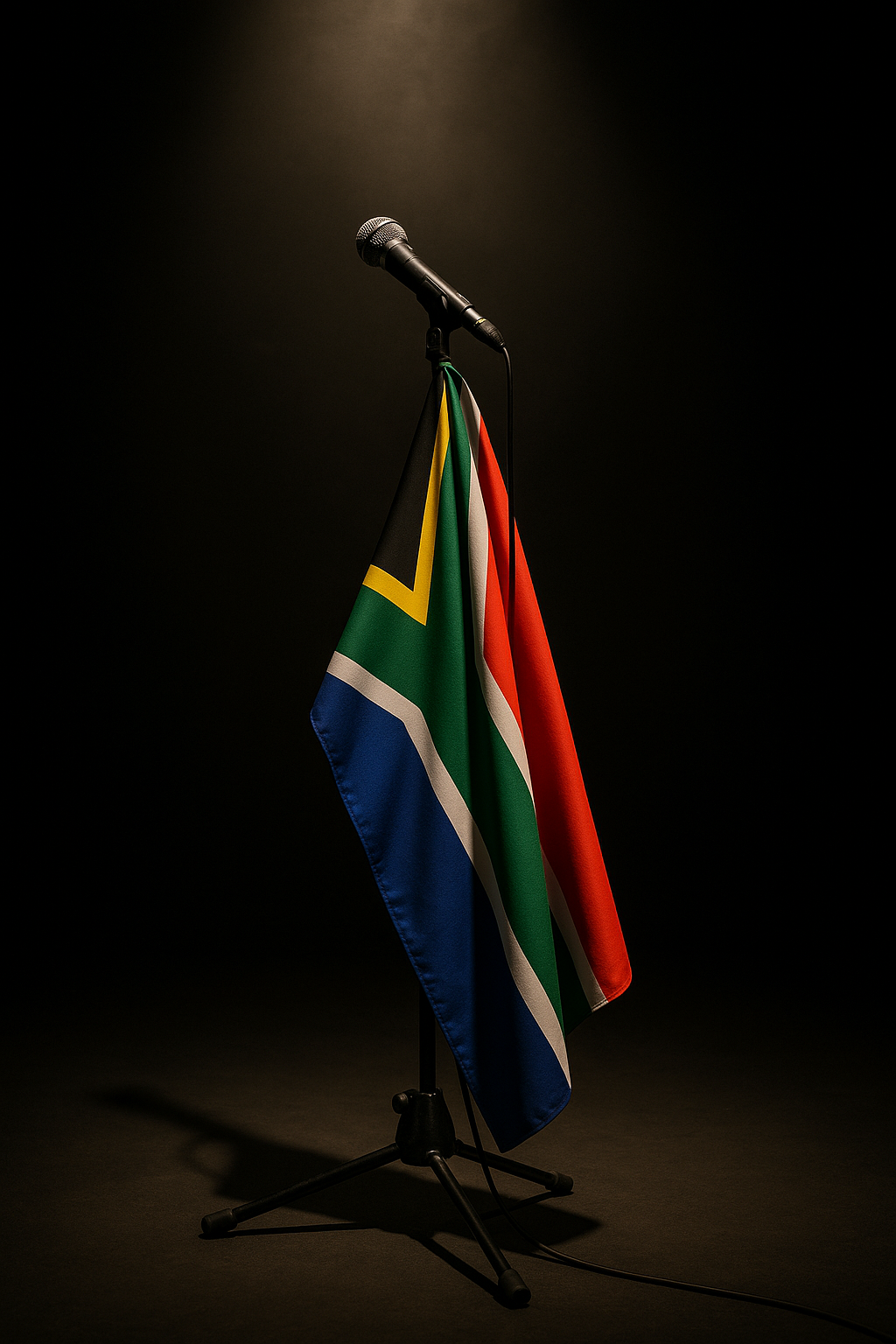
Tyla partners with Roc Nation, marking a major milestone for African artists on the global stage. Her new album drops July 24.
Tyla, a young artist from Johannesburg, just made a huge deal with Roc Nation, Jay-Z's company. This deal is super special because it covers everything she does – music, fashion, and more. She's the first South African woman to get such a big deal, showing new ways for African artists to become global stars and change pop music forever. This move is a big win, not just for Tyla, but for all African artists, proving their talent on the world stage.
What is Tyla's Roc Nation deal and why is it significant?
Tyla's Roc Nation deal is a multi-territory, high-seven-figure contract covering records, touring, fashion, beauty, and more. It's significant because she's the first South African woman to secure such a comprehensive deal with Jay-Z's empire, showcasing a new model for African artists to achieve global, multi-faceted careers and redefine pop music.
Get Cape Town news in your inbox
Stay updated with the latest stories from the Mother City.
From Township Beats to Times Square Billboards
Johannesburg’s own Tyla has just detonated a seismic shift in the music business, signing a blockbuster alliance with Roc Nation that lands her on the same roster as Rihanna and Alicia Keys. Born and raised in the city that gave the world Amapiano, the 22-year-old singer becomes the first South African woman to secure a prime, multi-territory contract with Jay-Z’s entertainment empire. The pact is valued in the high-seven-figure range and covers every moving part of a modern career - records, touring, fashion, beauty, social-impact campaigns, and screen ventures - under one roof.
Instead of the usual sterile press statement, the announcement hijacked Times Square for an entire evening: fifty-foot LED walls looped slow-motion clips of Tyla’s choreography while Amapiano log drums thumped through surround speakers normally reserved for sneaker launches. Tourists who expected generic ads for Broadway shows found themselves watching a Soweto-raised artist own the crossroads of global capitalism for sixty minutes straight. The stunt cost more than most labels spend on a full album cycle, yet Roc Nation treated it as a down-payment on the continent they believe will dominate pop’s next decade.
The move arrives only eighteen months after “Water” detonated on TikTok, proving that a Johannesburg club groove could top the U.S. rhythmic chart without diluting its vernacular DNA. Rather than cash in quickly, Tyla walked away from her previous deal at Epic/Sony, forfeiting a guaranteed sophomore budget to bet on a structure that promises wider - if riskier - horizons. Friends warned her the industry would label her ungrateful; she listened, then flew to New York anyway.
Why Roc Nation, Why Now
Roc Nation is not a record label in the twentieth-century sense; it is an influence factory that stitches together chart metrics, equity stakes, and activism résumés into one quarterly report. When Rihanna wanted to morph from hit-maker to cosmetics billionaire, the company brokered meetings with LVMH executives and handled the licensing paperwork that turned Fenty Beauty into a $1.4 billion asset. Alicia Keys used the same ecosystem to launch a production company focused on maternal-health documentaries while still scoring Top-10 albums. Tyla’s camp craved that multidimensional playbook, not merely playlist placement.
The firm’s African footprint is no longer symbolic. Nigerian queens Tiwa Savage and Ayra Starr already tour Europe and North America under Roc Nation’s logistics wing, and their data streams feed a shared analytics dashboard that pinpoints which cities are ready for a full South African Amapiano rave. By folding Tyla into that matrix, the company gains the southern sonic codes - Kwaito bass lines, Bacardi house keys, Pretoria log-drum patterns - that West African catalogs lack. In exchange, Tyla inherits arena-level tour routing, in-house sync teams who pitch songs to Netflix and Marvel, and a philanthropy arm eager to co-brand STEM programs for girls in Cape Town townships.
She also sidesteps the genre ghetto that still cages many continental acts. Roc Nation’s marketing memos already frame her sound as “APop,” a shorthand meant to sit between Afrobeats and Anglo pop on Spotify’s algorithmic shelves. Whether the tag sticks is less important than who controls the narrative: for once, the taxonomy is being written by the artist’s own strategists, not by well-meaning but clueless critics in London or Los Angeles.
The Business Behind the Billion Streams
“Water” has already done the heavy lifting: more than a billion cumulative streams, a Grammy for inaugural Best African Music Performance, and a synchronization bounty that places the track in everything from FIFA video-game menus to luxury perfume spots. Those checks continue to arrive, but the new album - slated for July 24 - must prove Tyla is not a one-off viral accident. Roc Nation’s advance covered the entire recording budget plus a six-figure roll-out for each single, allowing her to fly producers from Accra, Lagos, and Stockholm into a Johannesburg studio without worrying about per diems.
The release calendar is engineered for maximum velocity: two singles drop before Memorial Day, each paired with micro-documentaries on YouTube that follow Tyla through Soweto hair salons and Sandton rooftop shoots. Festival bookers have already locked her for Wireless in London, Roots Picnic in Philadelphia, and a headline slot at Lagos’s AfroFuture - all announced within the same week the Roc Nation contract became public. Ticket brokers report secondary-market prices doubling within hours, an early indicator that demand outstrips supply even before the full album hits DSPs.
Retail and beauty partners are circling just as aggressively. Roc Nation’s brand-relations team has secured meetings with Dior, Fendi, and emerging African luxury labels such as Maxhosa Africa, positioning Tyla as the face of a summer capsule that blends Italian tailoring with Pretoria streetwear silhouences. A hair-care conglomerate has floated a seven-figure ambassadorship built around her signature “butterfly locs,” a style that trended on every major platform after the “Water” video. The endgame is to replicate the Rihanna playbook: music as the gateway to equity in companies that scale far beyond audio.
What This Means for the Next Wave
Every era produces a proof-of-concept artist whose contract terms become the template for the cohort that follows. When Drake pivoted from mixtapes to arena tours, Toronto’s ecosystem blossomed; when Bad Bunny partnered with Rimas Entertainment, Puerto Rico’s studios multiplied. Tyla’s Roc Nation deal could do the same for South Africa, but only if policy-makers and private capital keep up. Labels in Johannesburg and Cape Town are already reporting fresh term-sheet inquiries from U.S. and U.K. firms, and the government’s Department of Trade, Industry and Competition is mulling tax rebates for studios that meet international streaming-quality standards.
Yet history cautions against celebration without infrastructure. The last time the world fetishized “world music,” the profits flowed to London licensors while Kinshasa musicians still recorded on broken tape machines. Tyla’s camp insists on retaining masters and negotiating 50/50 net profit after costs are recouped - terms unheard-of for African acts a decade ago. If she succeeds, the renegotiation of power dynamics will be her quietest but most radical legacy.
For fans, the immediate payoff arrives on July 24 when the album debuts: twelve tracks that splice Amapiano log drums with sleek R&B chord progressions, guest features from both Nigeria’s Asake and Atlanta’s Summer Walker, and a deluxe edition that includes Zulu-language remixes aimed squarely at her hometown. Pre-save links crashed Apple Music’s South African homepage within minutes, proving that local loyalty survived the Atlantic crossing. Streaming numbers will be scrutinized, but the true verdict will echo in clubs from Durban to Detroit: if the dance-floor whistles and ululations feel authentic while charting higher than any African female solo act in history, Tyla will have secured more than a record deal - she’ll have redrawn the world map of pop without asking permission.
What is Tyla's Roc Nation deal and why is it significant?
Tyla's Roc Nation deal is a multi-territory, high-seven-figure contract covering records, touring, fashion, beauty, social-impact campaigns, and screen ventures. It is highly significant because she is the first South African woman to secure such a comprehensive deal with Jay-Z's entertainment empire, setting a new precedent for African artists to achieve global, multi-faceted careers and redefine pop music.
How did Roc Nation announce Tyla's deal?
Roc Nation made a grand announcement for Tyla's deal by taking over Times Square for an entire evening. Fifty-foot LED walls displayed slow-motion clips of Tyla's choreography, accompanied by Amapiano log drums played through surround speakers. This elaborate stunt highlighted the deal's importance and Roc Nation's belief in the future of African pop music.
What makes Roc Nation an ideal partner for Tyla?
Roc Nation is not just a record label; it's an "influence factory" that integrates various aspects of an artist's career, from chart metrics and equity stakes to activism. They offer a multidimensional playbook, helping artists like Rihanna transition into business moguls (Fenty Beauty) and Alicia Keys launch production companies. For Tyla, this means access to arena-level tour routing, in-house sync teams for film/TV placements, and a philanthropy arm, allowing her to build a career beyond just music.
What is "APop" and why is it important for Tyla?
"APop" is a new genre shorthand coined by Roc Nation's marketing to describe Tyla's sound, positioning it between Afrobeats and Anglo pop on algorithmic platforms like Spotify. This categorization is crucial because it allows Tyla and her strategists to control the narrative around her music, rather than being confined by existing genre labels or critics from other regions, helping her sidestep the genre ghetto that often limits continental acts.
What is the business strategy behind Tyla's new album and future ventures?
Her new album, slated for July 24, has its entire recording budget and a six-figure roll-out for each single covered by Roc Nation's advance. This allows her to collaborate with top international producers. The release calendar is strategically designed for maximum velocity, with two singles dropping before Memorial Day, paired with micro-documentaries. Beyond music, Roc Nation is actively securing partnerships with high-end retail and beauty brands (like Dior, Fendi, Maxhosa Africa, and hair-care conglomerates) to position Tyla as a brand ambassador, aiming to replicate the Rihanna playbook of using music as a gateway to equity in larger enterprises.
How could Tyla's deal impact other African artists and the industry?
Tyla's deal is poised to be a template for future African artists. By retaining masters and negotiating 50/50 net profit after costs are recouped – terms almost unheard of for African acts a decade ago – she is fundamentally renegotiating power dynamics. This success could inspire similar deals, leading to more equitable terms and increased investment in African music infrastructure, such as studios meeting international streaming standards, and fostering a boom in local music ecosystems, much like Drake's impact on Toronto or Bad Bunny's on Puerto Rico.

A Russian-Spanish journalist and Cape Town native, channels his lifelong passion for South Africa into captivating stories for his local blog. With a diverse background and 50 years of rich experiences, Serjio's unique voice resonates with readers seeking to explore Cape Town's vibrant culture. His love for the city shines through in every piece, making Serjio the go-to source for the latest in South African adventures.
View all articles →