
UK social media ban: Why teens are being blocked
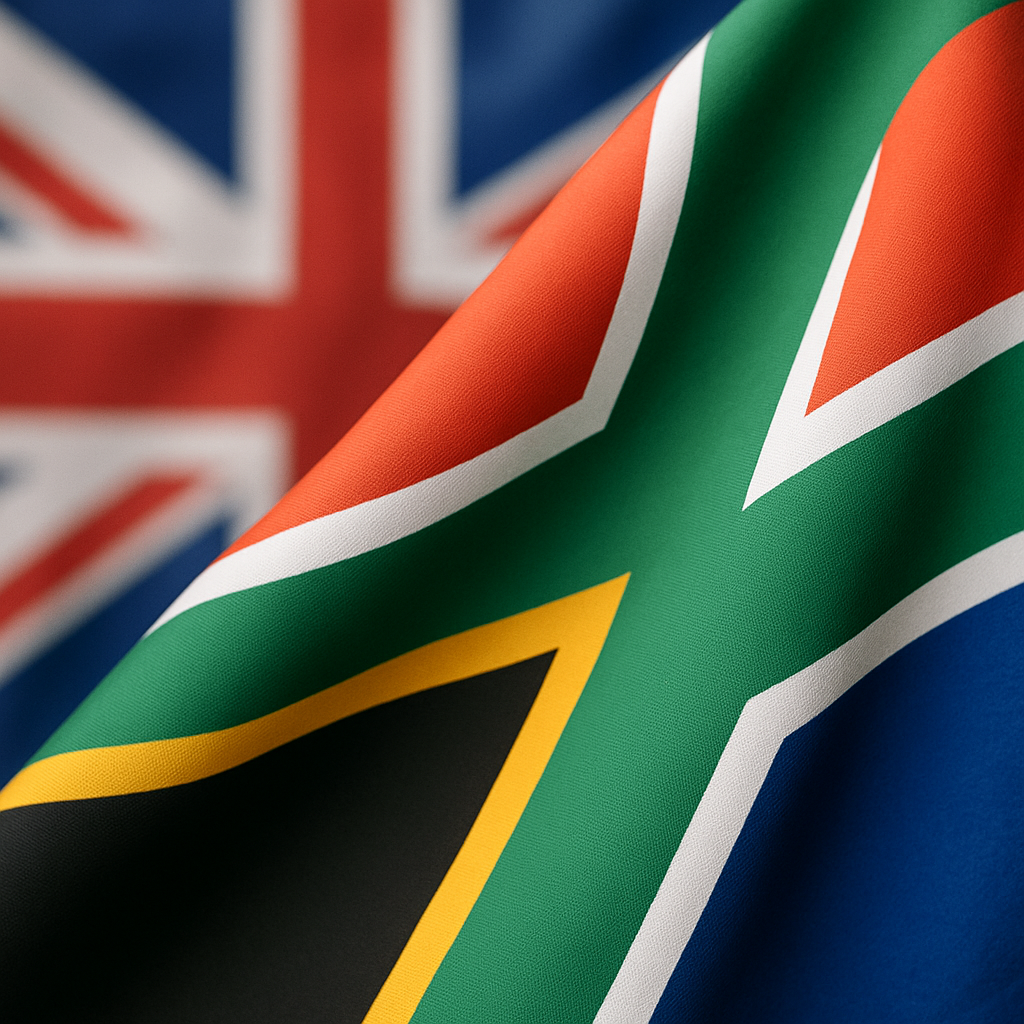
UK's social media ban for under-16s impacts SA families, offering practical steps, legal insights, and cultural considerations.
The UK's new law, the Online Childhood and Adolescence Act 2026, will ban kids under 16 from using apps like TikTok and Instagram starting January 2027. This really shakes up South African families living in the UK, as these apps are often their link to home culture. Parents will need to find new ways to connect and keep their kids' heritage alive without breaking the new rules. It's all about getting ready now to make sure families stay connected, even with big changes to how kids use social media.
What is the UK's Online Childhood and Adolescence Act 2026?
The UK's Online Childhood and Adolescence Act 2026, effective January 1, 2027, bans children under 16 from using "User-to-User Immersive Platforms" (U2U-IPs) like TikTok, Instagram, and Snapchat. Age checks will use the Gov.uk One Login system, potentially leveraging South African smart-ID chips, with non-compliant firms facing substantial fines.
Get Cape Town news in your inbox
Stay updated with the latest stories from the Mother City.
A field guide for households with one foot in England and one in Mzansi
1. London Calling – why a law in Westminster still shakes families in Sandton
-
The largest South-African suburb outside Africa*
More South Africans now share postcodes inside the M25 than in any other foreign city. Government figures from the Office for National Statistics list roughly 250 000 South-African-born residents, yet community organisations insist the true count pushes 400 000 once London-born children are added. The result is a web of daily chatter: grandmothers in Rosebank fire off voice notes while cousins in Durbanville swap memes, all in real time. When British regulators re-wire digital policy, the tremor is felt from Musgrave Road to Manchester. -
Digital habits as cultural glue*
For many expatriate youngsters, feeds are not merely entertainment; they are line-of-sight to Afrikaans comedy clips, amapiano drops and Kaapse Klopse videos. Cutting that signal risks slicing through identity threads that already hang by a digital thread. Psychologists note that “third-culture kids” show higher rates of identity diffusion when support networks shrink, so a London ban can ripple straight into a Bloemfontein teenager’s world. -
Why Pretoria isn't driving this conversation*
South Africa’s own social-media regulations still crawl through public-comment stages, while Westminster races ahead. That leaves South-African parents in Kent, Surrey and Hertfordshire looking to Cape Town WhatsApp groups rather than Parliament in Cape Town for guidance. The next sections unpack what exactly is coming, and how families can get ready without burning bridges to home.
2. “Starmer’s Lock-Out” – the Online Childhood and Adolescence Act 2026 in plain English
-
What the new law actually bans*
Starting 1 January 2027 the Act creates a class of service called “User-to-User Immersive Platforms” (U2U-IPs). Any child under 16 may not open, keep or even log into an account on a U2U-IP. Platforms hit by the ban include TikTok, Instagram, Snapchat, X (Twitter), Twitch, Discord servers larger than 100 members, Reddit, BeReal, Likee, Lemon8, Kick and Threads. YouTube is only safe in the passive-viewing tier; interaction features push it into restricted territory. -
What stays legal – and why it matters*
Pure messaging apps such as WhatsApp, Signal, Viber and small Telegram groups are untouched. Streaming services like Spotify, Netflix and Disney+ survive provided they drop user comments or live chat. Homework portals, banking apps and BBC iPlayer Kids sail through because they lack the open-loop interaction that defines a U2U-IP. -
The enforcement machinery*
Age checks run through the Gov.uk One Login system. South African smart-ID chips embedded in newer passports can be read by NFC on any Android phone or iPhone, instantly confirming age. Firms that slip up face fines of 10 % of global turnover or £18 million – whichever is higher. Executives who deliberately ignore the rules risk personal criminal charges.
3. Living between two homes – practical moves before D-Day
-
Step-by-step home audit*
Start with the built-in screen-time reports on every phone and tablet. Note which apps have direct messaging or public feeds. Export the list into a spreadsheet, then mark every item that will disappear in January 2027. Replace them with legal alternatives: Family-Manager YouTube accounts locked to “Explore”, private Minecraft servers whitelisted by email address, or Nextcloud folders shared only with cousins. -
Age-verification hacks that stay honest*
Download the trial “Child Key” app from the UK Home Office. It turns a scanned passport chip into a 30-day cryptographic token accepted by most UK websites. Parents travelling on South African passports can enrol at the High Commission in Trafalgar Square – but book early, queues are three weeks long. Keep an unabridged birth certificate in both paper and PDF form in case the digital scan fails at tier-three appeal. -
Emergency dumb-phone plan*
Buy a Nokia 225 4G, load it with a Vodacom UK SIM, and pair it with a South African number through call-divert. The device has no app store, yet it still receives WhatsApp voice notes when data is enabled. Use it on trips to rural KwaZulu-Natal where 4G is patchy, ensuring grandparents can always reach the kids without breaching the ban.
4. Communities, schools and culture – where South Africans bend but don’t break the rules
-
Classrooms after the curtain falls*
By law, state academies must certify before May 2027 that no homework needs access to a banned platform. Private schools, packed with South African kids on ancestral visas, lean on Microsoft Teams for Education because it is technically exempt. IT technicians who once throttled TikTok now hunt for TikTok Lite APKs sideloaded onto Android tablets. Parents have formed “Cape Town Parents in Surrey” (already 2 300 strong) to petition schools for Teams-only assignments. -
Sports clubs and faith groups as digital sanctuaries*
Rugby academies around London report a 15 %} surge in under-14 registrations since the June announcement. Coaches replace Instagram fixtures with TeamSnap groups visible only to parents. Afrikaner churches in Kent open “media sanctuaries” on Wednesday nights: fibre-equipped halls where pastors stream pre-curated YouTube playlists from a single adult account. The model harks back to South Africa’s old farm-hall film nights, proving that community can outrun technology. -
Keeping culture alive*
The Zeitz MOCAA gallery in Cape Town has packaged entire exhibitions into downloadable “offline packs” that run inside the exempt BBC iPlayer Kids app. Families in Milton Keynes queue the videos for Friday nights, ensuring South-African art still flickers across British living rooms without breaching any rules. Meanwhile, Nal’ibali VR out of Pretoria is preparing 360-degree folk tales for Meta Quest headsets – storytelling that remains legal because no user chat is possible.
5. Money, privacy and the long game
-
The creator economy takes a haircut*
Roughly 2 400 South-African-born micro-influencers in the UK rely on TikTok creator funds to supplement student budgets. Analysts expect a 60 %} drop in lifestyle-niche CPMs once teenage followers vanish. Some pivot to Twitch “Just Chatting” streams, still legal for 16- to 18-year-olds, while others upload highlight reels to adult-managed YouTube channels. -
Privacy landmines in age checks*
Both South Africa’s POPIA and the UK GDPR treat facial biometrics as sensitive data. If a private contractor stores raw passport photos, parents may trigger cross-border transfer issues. Choose providers that hash the template locally and destroy the image within 24 hours. Keep a written record of every upload, and demand a data-destruction certificate. -
Peering into 2030 – blockchain and diplomacy*
The UK Treasury is already funding zero-knowledge age credentials on Ethereum side-chains. If the pilot succeeds, a teenager could prove “over 16” without ever revealing a passport number. Back home, the SA Reserve Bank’s Project Khokha is exploring interoperability, hinting at a day when a smart ID issued in Pretoria will unlock services in Liverpool instantly. Until then, South African families will keep two phones in every pocket, one for each half of their hyphenated lives.
What is the UK's Online Childhood and Adolescence Act 2026?
The UK's Online Childhood and Adolescence Act 2026 is a new law set to take effect on January 1, 2027. It prohibits children under 16 from using "User-to-User Immersive Platforms" (U2U-IPs) such as TikTok, Instagram, Snapchat, X (Twitter), Twitch, Discord servers (over 100 members), Reddit, BeReal, Likee, Lemon8, Kick, and Threads. YouTube's interactive features will also be restricted for this age group.
Why is this law significant for South African families in the UK?
This law is particularly impactful for South African families living in the UK because these social media platforms often serve as a vital link to their home culture, allowing children to stay connected with family, friends, and cultural content from South Africa. The ban risks severing these digital ties, potentially leading to identity issues for

Sarah Kendricks is a Cape Town journalist who covers the city’s vibrant food scene, from township kitchens reinventing heritage dishes to sustainable fine-dining at the foot of Table Mountain. Raised between Bo-Kaap spice stalls and her grandmother’s kitchen in Khayelitsha, she brings a lived intimacy to every story, tracing how a plate of food carries the politics, migrations and memories of the Cape.
View all articles →