
Video: Ramaphosa warns against blaming foreigners
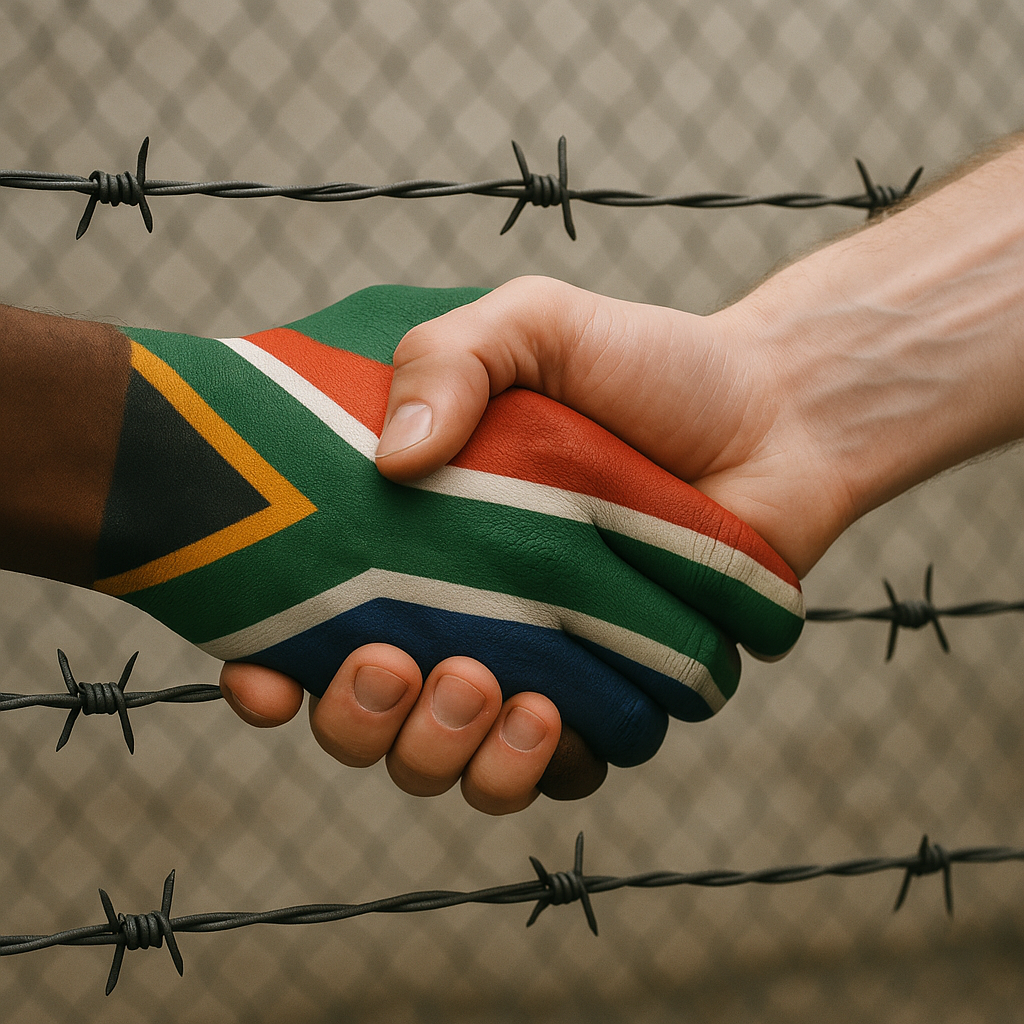
Amidst unrest and xenophobia on Youth Day, Ramaphosa appeals for calm. The article dissects the crisis, its roots, and potential outcomes.
In June 2026, South Africa saw a scary wave of attacks against foreigners. "Operation Dudula Reloaded" told undocumented people to leave, causing chaos. Stores were looted, and people were hurt, even those with proper papers. This happened because of money problems and bad feelings about migrants. It made other countries worried and caused big problems for the whole region.
What caused the surge in xenophobic attacks in South Africa in June 2026?
The surge in xenophobic attacks in South Africa in June 2026 was primarily triggered by an ultimatum from "Operation Dudula Reloaded" for undocumented individuals to leave by June 30th. This movement, amplified through township chat groups, quickly escalated into widespread assaults on foreign-owned businesses and individuals across multiple provinces, fueled by economic frustrations and anti-migrant rhetoric.
Get Cape Town news in your inbox
Stay updated with the latest stories from the Mother City.
The Streets Ignite
On Youth Day 2026, Cyril Ramaphosa walked to the microphone at FNB Stadium beneath a sky streaked with smoke trails from torched stalls. The national holiday that once memorialised teenagers who defied apartheid bullets now framed a 72-year-old leader pleading for restraint while protests raged across six provinces. Marches that began with anti-migrant chants morphed, sometimes within hours, into wholesale assaults on corner stores, roadside kiosks and courier vans bearing neighbouring-country licence plates.
The trigger had been circulating for weeks in voice notes on township chat groups: an ultimatum, issued by an outfit calling itself “Operation Dudula Reloaded”, that every person without papers must be gone by 30 June. Red berets, cow-hide shields and sjamboks – props borrowed from the 2022 Dudula playbook – reappeared, yet this time the movement leapt far beyond Johannesburg’s flat-lands. Rural KwaZulu-Natal villages with virtually no foreign-born residents suddenly hosted torch-lit parades; live-streamed rallies in Kempton Park, Soshanguve and Gqeberha pulled thousands, and #ByeBye30June trended for ten consecutive days.
Interview clips on local radio feature marchers insisting they are “not hating, just protecting jobs”, yet CCTV footage tells a different tale. Mozambican butchers, Malawian hair-braiders and Zimbabwean panel-beaters are chased regardless of paperwork; in Katlehong a Nigerian pharmacist who became a citizen in 1998 watches his shop burn.
Facts beneath the Fury
Data from Stats SA’s mid-2025 bulletin show 3.2 million foreign-born residents inside the republic, barely 5.4 % of the total population. The majority enter legally through work, study, business or spousal visas, while fewer than twenty per cent are believed to be undocumented - a proportion similar to global norms, though domestic rhetoric regularly inflates it. Migrants cluster where economic life already pulses hardest: 43 % in Gauteng, 20 % in Western Cape and 12 % in KwaZulu-Natal - the same provinces where water-shedding, potholes and 42.1 % youth unemployment bite deepest.
On the pavements the narrative hardens: a South African spaza owner insists a Somali rival survives by “smuggling cheap stock across borders”. The rival may simply enjoy better bulk deals, but perception calcifies into gospel. The Quarterly Labour Force Survey, Q1-2026, records that black African women under 30 suffer the steepest jobless rate, and for them the foreign-run stall on the corner feels like the last straw explanation for stalled futures.
While academics publish rebuttals - migrants pay rent, shop at wholesalers, create multiplier demand - those arguments barely reach WhatsApp groups where 84 % of adults now own smartphones. Here, a recycled 2018 clip of an alleged Nigerian drug lab drops, stripped of its timestamp, and within hours becomes “proof” that invaders are destroying the nation.
A State in Slow Motion
Migration policy has been stuck in legislative traffic since the White Paper of 2017. Conceived to merge Home Affairs and Labour permit regimes into a single digital platform, the proposal suffered cabinet reshuffles, legal challenges and the COVID-19 freeze on movement. The Border Management Authority took to the field in 2023, yet by mid-2026 it still patrols the same porous lines alongside an under-staffed army and a Home Affairs branch whose online reboot has crashed twice in twelve months.
Into that gap slip self-appointed “vetting committees”. Armed with clipboards and attitude, they stop pedestrians, rifle through handbags and demand “exit fees” of R1 000–R5 000 for safe passage. Police appear intermittently - sometimes filming, sometimes standing back - reinforcing suspicions of a quiet nod from above. A leaked voice note, attributed to a Johannesburg station commander on 10 June, instructs officers to “keep visibility, but lay low; remember, these voters count next year”.
Ramaphosa’s Youth Day address tried to thread the needle: he reminded citizens that only immigration officers and the courts may rule on who stays, unveiled 350 000 paid internships co-funded by Treasury sweeteners and big business, and invoked Madiba’s 1994 spirit from the same stage. Analysts read the speech as legal deterrence, economic balm and nostalgic glue all in one.
Ripples beyond the Borders
By the third week of June the departures resembled an emergency air-bridge. Malawi hired two jets to fly 2 100 citizens home; Lagos cargo planes lifted 800 Nigerians from OR Tambo; Ghana, Mozambique and Zimbabwe activated similar schemes. Remittances dipped overnight, taxi ranks thinned and wholesalers in Joburg’s CBD reported turnover down fifteen percent. SADC called an extraordinary summit for 5 July in Maputo under the banner “Free Movement Revisited”, acknowledging that South Africa’s unrest endangers the 2005 open-borders protocol.
The humanitarian fallout unfolded in real time. Families who had spent decades in back-rooms suddenly found themselves camped on airport tiles beside wailing toddlers, confused pets and half-zippered suitcases. NGOs such as Gift of the Givers, Lawyers for Human Rights and various churches erected pop-up desks, yet stocks of nappies and bottled water evaporated once xenophobic Twitter accounts claimed donated goods “would be resold”. Even charity turned toxic.
In the longer arc, neighbouring economies shudder. Figures from the Reserve Bank of Lesotho show that weekly remittances through M-Pesa fell eleven percent in the last fortnight of June; Beitbridge customs revenues dropped as hauliers rerouted cargo via Walvis Bay. The chorus of African finance ministers warns that if the instability persists, intra-regional value chains built over two decades may fracture.
What triggered the xenophobic attacks in South Africa in June 2026?
The attacks were primarily triggered by an ultimatum issued by a group called “Operation Dudula Reloaded.” They demanded that all undocumented individuals leave South Africa by June 30, 2026. This message was widely spread through township chat groups, leading to immediate and widespread assaults.
How did the attacks escalate and what forms did they take?
The initial anti-migrant chants quickly escalated into widespread assaults. This included looting and torching of foreign-owned shops, roadside kiosks, and courier vans. The movement, which started in Johannesburg, spread to six provinces, including rural KwaZulu-Natal, Kempton Park, Soshanguve, and Gqeberha, with #ByeBye30June trending for ten days.
Were only undocumented foreigners affected by the violence?
No, the violence was indiscriminate. While the ultimatum targeted undocumented individuals, CCTV footage and reports indicate that foreign nationals, regardless of their legal status, were chased and attacked. An example is a Nigerian pharmacist who became a citizen in 1998, whose shop was burned down in Katlehong.
What are the underlying socio-economic factors contributing to the xenophobic sentiment?
High unemployment rates, particularly among black African women under 30 (42.1% youth unemployment overall), water-shedding, and infrastructure problems like potholes, fuel economic frustrations. There's a perception that foreign-run businesses thrive by illicit means, such as smuggling, which is often amplified in social media despite academic rebuttals about migrants' economic contributions.
How did the South African government and authorities respond to the crisis?
President Cyril Ramaphosa attempted to de-escalate the situation through a Youth Day address, reminding citizens that only immigration officers and courts could determine who stays, and announcing 350,000 paid internships. However, state response was slow; migration policy reforms were stalled, and self-appointed

Amanda Wilson is a Cape Town-born journalist who covers the city’s evolving food scene for national and international outlets, tracing stories from Bo-Kaap spice shops to Khayelitsha micro-breweries. Raised on her grandmother’s Karoo lamb potjie and weekend hikes up Lion’s Head, she brings equal parts palate and pride to every assignment. Colleagues know her for the quiet warmth that turns interviews into friendships and fact-checks into shared laughter.
View all articles →