
Warning issued over alleged hijacking tactic on Cape Town’s R300
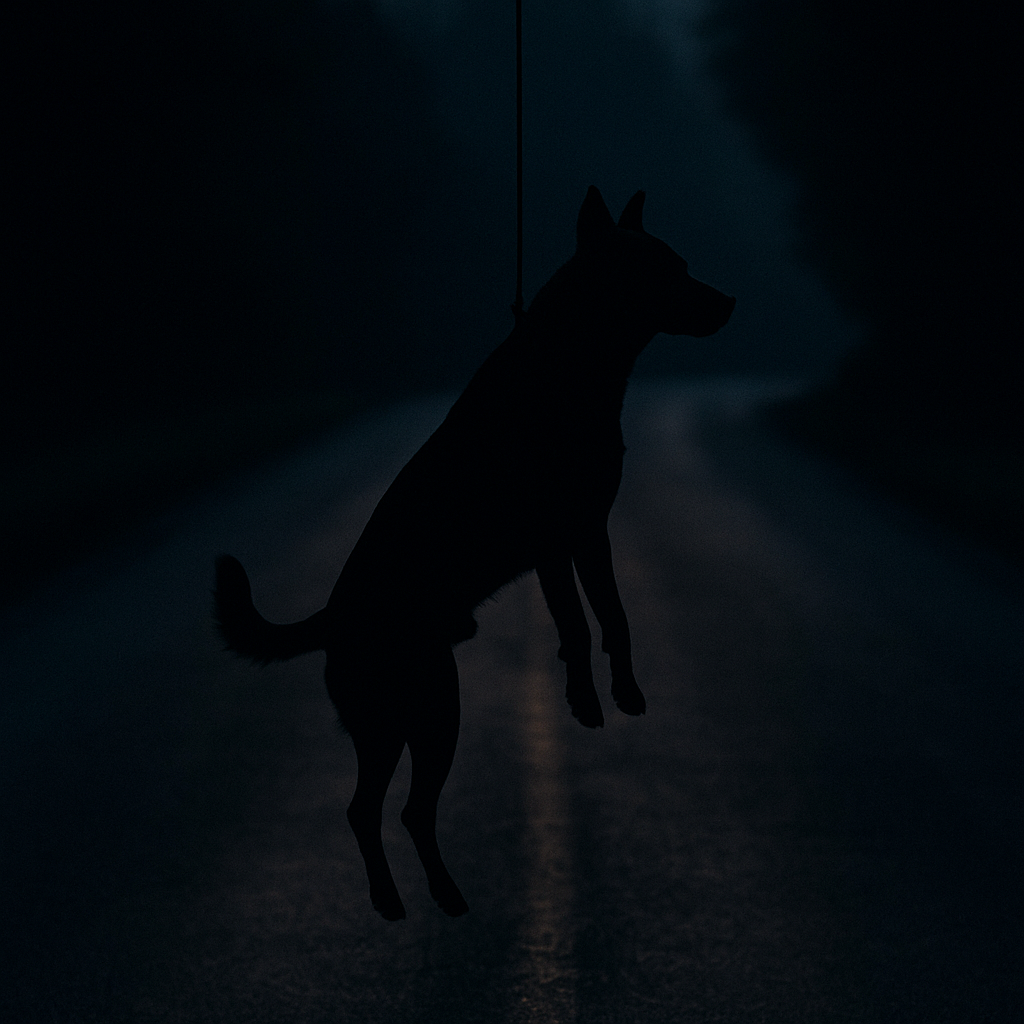
Criminals on Cape Town's R300 use distressed animals as bait for hijackings. Learn how they exploit compassion and what to do.
Cruel criminals on Cape Town's R300 highway trick kind drivers using injured dogs as bait. When you stop to help, another dog distracts you, and hijackers quickly steal your car. They use clever tricks, like special ropes on the dogs and hidden containers for the stolen cars. It's a quick, scary trap that uses your good heart against you, making the highway a dangerous place for those who care.
How do criminals on Cape Town's R300 highway exploit drivers' kindness?
Criminals on Cape Town's R300 exploit drivers' empathy by strategically placing injured or distressed dogs on the road. When motorists stop to help, a second dog distracts them, allowing hijackers to steal their vehicles. These operations are highly organized, using sophisticated tactics to ensure quick and efficient car theft.
Get Cape Town news in your inbox
Stay updated with the latest stories from the Mother City.
The Ambush That Barks: Anatomy of a 42-Second Nightmare
Between the Stellenbosch Arterial on-ramp and the Hindle Road bridge, the R300’s elevated, S-bend silhouette is already unnerving after sunset. Now add a dog - hind legs skimming the tarmac, baling wire buried in its neck, a rasping bark that cuts through tyre roar. In the last twenty-one days welfare hotlines have fielded nine almost identical calls from this three-kilometre slice: medium-sized mastiff or pit-type, friendly face, still alive, bladder emptied from pain. Four of the ten high-mast LEDs that should light the curve have been sabotaged - bullets or clipped solar cables - leaving 200-metre reservoirs of darkness that swallow a car doing a hundred.
The choreography is ruthlessly elegant. The instant a motorist hits the hazards, a second dog - limping, muzzle dripping blood - staggers into the lane, nudging the driver another step away from the door. A white Toyota Avanza, plates cloned, noses in diagonally behind, sealing the emergency shoulder. Seven seconds later the hijacker is in the victim’s seat; the Avanza glides forward, both dogs are hauled in by the wire nooses, and the convoy races for the N2. A fleet-tracking dash-cam recorded the whole swap on 22 April: forty-two seconds, no shots fired, car gone.
Forensic veterinarian Dr Lize Krafft says the wire is tightened with a homemade Spanish windlass - four twists of a dowel - enough to crush the trachea but keep the airway open. “They need vocals, not a corpse,” she explains. The animal is sedated just enough to stay conscious for thirty minutes, then discarded on a waste track near Philippi. One rescued dog had a GPS collar knocked off by the bolt-cutters of the Animal Welfare Society; its signal led investigators to a backyard in Mfuleni where township youths earn R150 per “baiter” and an extra R150 if the dog survives the night for reuse.
From Township Yard to International Container: The Supply Chain and Stagecraft
The dogs are chosen for grab-handles and theatre: young, intact males, tails docked to a stump easy to yank, light-coloured coats so blood gleams under xenon headlights. They are starved for twenty-four hours to guarantee guttural, high-pitched barking that carries over traffic noise. Detectives link the same ring that steals sheep in Drakenstein to this new hustle; a mastiff-cross pup is worthless for muti, yet one night on the R300 nets R300 for the handler and another R150 for the boy who “borrowed” the pet.
Reconnaissance starts on the footbridges at the R300/M12 interchange. Spotters catalogue solitary cars after 21:00 - especially hatchbacks driven by women or older SUVs without push-button ignitions. A sand-filled plastic bottle lobbed from the bridge mimics a blow-out; the driver slows, the Avanza already waiting two kilometres ahead. The first dog is strung up; the second springs from a discarded washing-machine carton in the veld. Both wear bargain-bin GPS collars so the crew can retrieve them if the mark drives on. A .38 Special is flashed merely to hurry compliance; gunshot residue lowers the resale value of the stolen vehicle.
Luxury compact SUVs - Toyota Fortuner, Ford Everest, VW Tiguan - are the hot ticket. Their rolling-code keys cannot be cloned roadside, so the syndicate drives the car straight into a grain depot beside the highway where a twenty-foot container sits on a low-bed trailer. The container’s roof hinges open, the SUV is winched inside, the lid closed, a customs seal reading “Soya Beans” slapped on. Within two hours the rig is on the N7. At Vioolsdrif a R25 000 cash greeting buys passage without scanning; from Katima Mulilo the cars glide into the DRC on Angolan plates. Interpol notes that 64 % of high-end vehicles snatched in the Western Cape during 2023 followed this corridor.
Telegram, Drones and Sling Aircraft: The Tech Arms Race on the Asphalt
Hijack managers run an invite-only Telegram room called “R300 Ops”. Admission requires a 30-second clip proving you delivered a bait dog; the pinned spreadsheet lists vehicles already fitted with Ghost immobilisers or carrying RSS e-tag stickers. Hawks’ cyber specialists matched geotags from three uploads to the precise kilometre markers of prior hijackings, giving prosecutors a digital trail to accompany the wire scars on canine necks.
Counter-measures are surfacing almost as fast. The province has loaned the City four DJI Matrice 300 drones; they orbit the Hindle Road bridge at eighty metres from 19:00 to 06:00, thermal cameras streaming to Bellville control. In week one, operators logged fourteen shoulder-loiterers and three stolen cars whose plates were later flagged. Portable variable-message trailers now flash “DO NOT STOP FOR ANIMALS – CALL 021 480 7700” in Afrikaans, English and isiXhosa, cutting night-time emergency-lane stops by 37 %. A panel van staffed by the Animal Welfare Society waits at the N1/R300 interchange: bolt-cutters, kevlar gauntlets, sedative darts, and a traffic marshal in high-vis to avoid friendly-fire scenarios. Even the Ceres neighbourhood watch has taken to the sky in a two-seat Sling aircraft with infrared pods; on 3 May they radioed ground teams to a dog still hanging at 23:12 - alive, tail wagging weakly as the wire came off.
Yet the legal toolkit lags. South Africa’s stock-theft statute only kicks in if ownership is permanently deprived; “borrowing” a township pet for a single night falls under the softer Animals Protection Act - fine or twelve months, rarely both. Prosecutors hope to stack racketeering charges under POCA, arguing the repetitive choreography proves an organised enterprise. The snag: motorists often refuse to testify about the dog, fearing defence counsel will ask why they hesitated to help a bleeding animal.
Rewiring the Brain: How to Outsmart a Scam That Exploits Your Best Instinct
UCT psychologists measured the trap’s potency in 2022: 78 % of women and 61 % of men would brake for an injured dog after dark, but only 12 % would stop for a human hitch-hiker. Neotenic cues - big eyes, yelping - hijack the amygdala faster than any logic circuit. Campaign planners therefore copy wildlife-attack protocols: replace moral appeals with a rule-of-thumb mantra - Dial 10111 first, rescue second - repeated until it overrides instinct.
Fleet cards printed in laminated plastic now ride on every long-haul sun-visor:
1. Spot an animal in distress on the R300 between N1 and Stellenbosch Arterial after 20:00 - do not stop.
2. Ease off the accelerator, hit hazards, note the nearest 200 m marker board, call 021 480 7700 or 112.
3. If debris or the dog itself blocks the lane, coast to the next petrol station - hijackers hate CCTV.
4. Keep the key in the centre console, not your pocket, to avoid a tug-of-war at the door.
5. Fit a covert kill-switch; syndicates abandon cars that refuse to restart within twenty seconds.
Uber and Bolt push an in-app banner the moment GPS senses a user on the R300 after 20:00. The goal is to make the warning as reflexive as fastening a seatbelt. Whether empathy can be re-engineered before another dog is hoisted into the orange glow of tail-lights is an open race - one fought on a stretch of asphalt that never sleeps, where the next bark you hear might be bait, and the real rescue begins with the decision not to stop.
What is the 'Highway of Cruelty' and how does it operate?
The 'Highway of Cruelty' refers to a dangerous stretch of Cape Town's R300 highway where criminals exploit drivers' compassion. They use injured or distressed dogs as bait to lure unsuspecting motorists into stopping. Once a driver stops to help, a second dog distracts them, allowing hijackers to quickly steal their vehicle. This sophisticated trap is designed to be very fast, often taking less than a minute.
Where on the R300 highway do these incidents most frequently occur?
The most frequent incidents occur on a specific three-kilometer stretch of the R300, between the Stellenbosch Arterial on-ramp and the Hindle Road bridge. This area is particularly vulnerable after sunset due to its elevated, S-bend silhouette and sabotaged high-mast LED lights, which create dark, unlit sections.
How are the dogs used in these hijacking schemes treated?
The dogs used as bait are subjected to extreme cruelty. They are typically medium-sized mastiff or pit-type dogs, often with baling wire tightened around their necks using a homemade Spanish windlass, designed to crush the trachea but keep the airway open for vocalizations. They are sedated just enough to remain conscious for about 30 minutes and are often starved for 24 hours to ensure high-pitched barking. After the hijacking, they are usually discarded in remote areas. These 'baiters' are often young, intact males with docked tails, chosen for ease of handling and dramatic effect.
What technology and methods do the criminals employ?
Criminals use advanced tactics, including cloned license plates for getaway vehicles (like white Toyota Avanzas), and strategically placed second dogs emerging from hidden spots. They utilize reconnaissance from footbridges to identify vulnerable targets (solitary cars, especially hatchbacks driven by women or older SUVs). They also use sand-filled plastic bottles to mimic blow-outs. For stolen vehicles, particularly luxury compact SUVs whose rolling-code keys cannot be cloned roadside, they drive them directly into a grain depot where the car is winched into a container, sealed with fake customs labels (e.g., "Soya Beans"), and transported out of the country via routes like the N7 to Vioolsdrif and into the DRC. They even manage operations through an invite-only Telegram room called “R300 Ops.”
What countermeasures are being implemented to combat these hijackings?
Authorities are deploying various countermeasures. The city is using DJI Matrice 300 drones with thermal cameras to monitor vulnerable areas from 7 PM to 6 AM. Portable variable-message trailers now display warnings in multiple languages: "DO NOT STOP FOR ANIMALS – CALL 021 480 7700." The Animal Welfare Society staffs a panel van at the N1/R300 interchange, equipped to rescue bait dogs safely. Even local neighborhood watches are assisting with aerial surveillance using sling aircraft with infrared pods. Ride-sharing apps like Uber and Bolt display in-app banners to users on the R300 after 8 PM, warning them of the danger.
What should drivers do if they encounter an animal in distress on the R300?
Drivers are strongly advised not to stop for animals in distress on the R300, particularly between the N1 and Stellenbosch Arterial after 8 PM. Instead, they should ease off the accelerator, activate their hazard lights, note the nearest 200-meter marker board, and immediately call 021 480 7700 or 112. If debris or an animal blocks the lane, they should coast to the next petrol station, as hijackers avoid CCTV. It's also recommended to keep car keys in the center console rather than a pocket to prevent a tug-of-war, and to consider fitting a covert kill-switch, as syndicates often abandon cars that don't restart within twenty seconds.

Liam Fortuin is a Cape Town journalist whose reporting on the city’s evolving food culture—from township kitchens to wine-land farms—captures the flavours and stories of South Africa’s many kitchens. Raised in Bo-Kaap, he still starts Saturday mornings hunting koesisters at family stalls on Wale Street, a ritual that feeds both his palate and his notebook.
View all articles →