
Watch: Deputy mayor addresses growing Koesistergate controversy
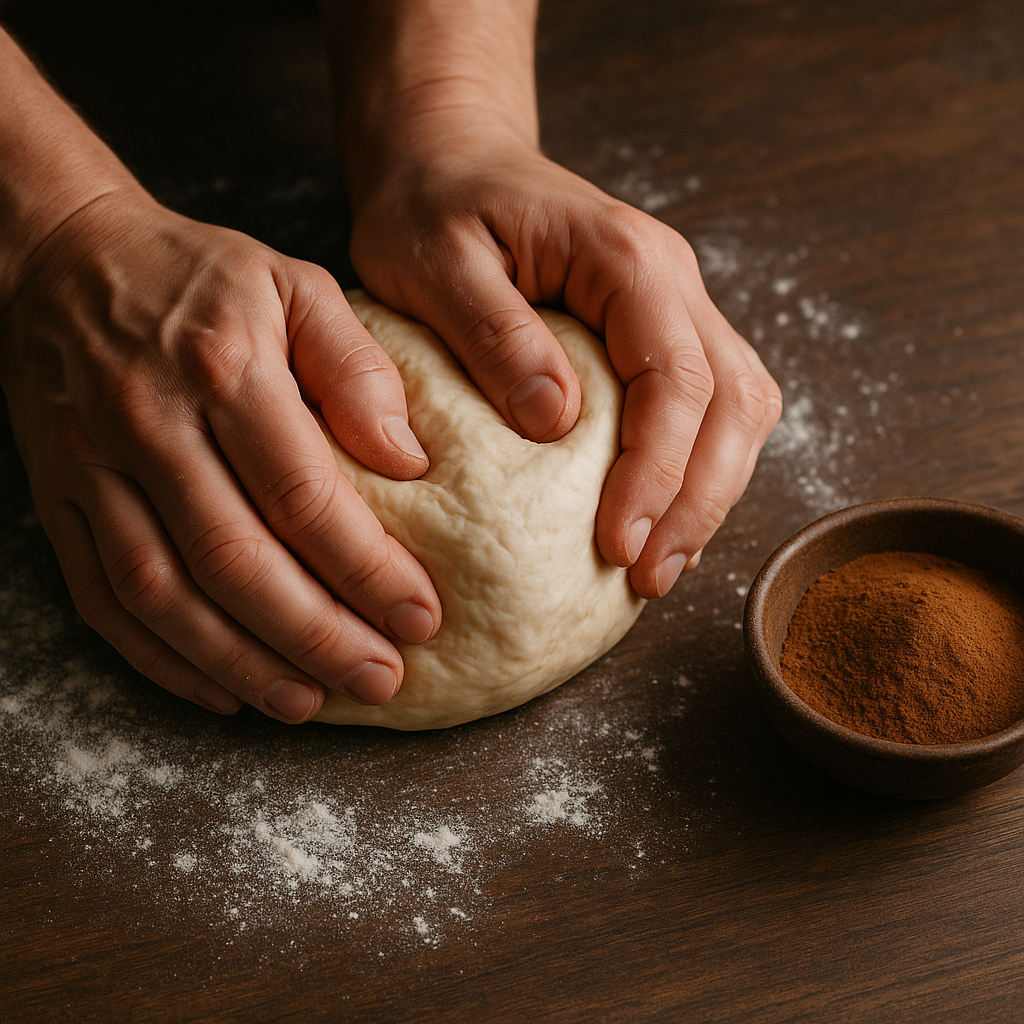
Cape Town's koesister crisis: a WhatsApp rumour about fines for home bakers sparked panic, revealing the blurred lines of informal trade.
In Cape Town, the delicious Sunday tradition of homemade koesisters, a sweet pastry, faced a viral scare called #KoesisterGate. A voice note falsely claimed home cooks would get huge fines or go to jail for selling them. This caused widespread panic among grandmothers and home bakers who rely on selling these treats for income. City officials quickly clarified that small-scale home sales are legal and encouraged, highlighting how important this informal food economy is to many families. The incident showed a big gap in how the city communicates its rules to its diverse residents.
What is #KoesisterGate in Cape Town?
KoesisterGate refers to a viral scare in Cape Town in May 2024, sparked by a voice note claiming homemade koesister sellers faced huge fines or jail. This led to widespread panic among home cooks, highlighting confusion about city by-laws concerning home-based food businesses and revealing a significant informal comfort-food economy.
1. Aroma, Ancestry and the R20 Slip
From Signal Hill’s pine-lined slopes to the last loop of Khayelitsha’s cul-de-sacs, Sunday mornings share the same invisible ribbon: the scent of cinnamon-dough kissing boiling oil. That perfume drifts across vibracrete fences long before the noon cannon booms, telling neighbours that a matriarch rose before the crows to proof yeast, simmer syrup and coax sugar into a glossy amber cloak. Cash changes hands without receipts: a neighbour slips a crumpled note through the security gate, a grand-daughter ferries a polystyrene tray to the hair salon, a petrol-pump attendant jogs over for a still-warm bundle. No card machine chirps, no menu promises “artisanal” anything; the deal is whispered, trusted and - until late May 2024 - barely noticed by the rule-book.
Get Cape Town news in your inbox
Stay updated with the latest stories from the Mother City.
The practice is older than the city’s electricity grid. Generations of women have turned domestic corners into micro-factories: a chipped enamel pot, a chipped mug measuring yeast, an old ice-cream tub hiding rising dough. Profits are slim but strategic: one batch buys prepaid electricity, the next covers a grand-child’s taxi fare to the clinic. In planning speak this is “agglomeration energy”; on the street it is simply the sound of spoons clinking while kettlebells clang in the background. Everyone knows the choreography, nobody thinks to Google “by-law”.
Yet the tranquillity rested on a fragile plank: most cooks had never read the zoning code, and City Hall had never bothered to explain it in isiXhosa, Afrikaans or Kaapse Afrikaans. The system hummed because both sides looked the other way - until a 37-second voice note detonated the silence.
2. #KoesisterGate: When a Voice Note Beat the Yeast
“Gogo is going to jail - R800 000 or six months!” The clipped message raced through WhatsApp groups faster than foam crests in warm milk. Within hours pensioners who still write grocery lists in cursive were screenshotting municipal jargon they could not pronounce. By Friday the tag #KoesisterGate trended above the rugby scores; TikTok clips showed grannies hiding trays under bath towels while dogs barked at imaginary inspectors. One meme slapped a red “CONDEMNED” stamp on a perfect pyramid of golden koesisters. Panic, not pastry, rose.
Radio call-in lines melted. Hosts who themselves had licked syrup off their fingers as kids now asked whether breakfast could become a criminal act. At 09:00 on Monday, Deputy Mayor Eddie Andrews abandoned his neatly typed briefing document, walked onto the Grand Parade and hit record on a smartphone. Against a soundtrack of car horns and cooing pigeons he drew an invisible line in the air: fry forty balls in your own pot for neighbours, stay legal; erect an A-frame, install a pay-point, convert the garage - then you’ve crossed into “house shop” turf and paperwork follows. The clip, shot in one take, clocked 1.4 million views in 48 hours.
The explanation worked because it came from a man who calls his own auntie “Auntie”. Andrews repeated the magic phrase “Schedule 1, home occupation, no form, no fee” until it sounded like a chorus. Retired teachers replayed the video to their coffee klatches; taxi drivers blasted it over 99.2 FM. Yet the episode revealed a chronic information void: the City’s website buried the zoning ordinance beneath 17 clicks, all in English, all chewing data. A single rumour had travelled faster than decades of civic education.
3. Paper Trails, Past Trauma and the R1.3-billion Comfort-Food Economy
The fright struck a nerve older than the Internet. During apartheid, health inspectors arrived with clipboards and eviction orders; whole neighbourhoods remember the sound of padlocks snapping shut on “illegal” kitchens. Words like “by-law” still taste of tear-gas and forced removals. Little wonder a polite letter from the City can feel like the first gust of a bulldozer. Language deepens the mistrust: “home occupation” has no neat equivalent in isiXhosa; direct translations sound like “borrowing your own house”, a phrase that solves nothing.
Cape Town’s rules are actually among the most relaxed in the country. The 1985 zoning scheme already protected “home industries” so long as they stayed secondary to the dwelling and employed no more than two outsiders. Post-1994 tweaks merely swapped the label to “home occupation” but kept the spirit: culture first, bureaucracy later. Johannesburg forces micro-cooks to wade through a 78-page policy; eThekwini demands a R450 health certificate that costs more than a week’s profit. Cape Town asks for nothing - if you stay in the shadows of your own lintel.
The economic shadow is huge. A 2022 University of the Western Cape survey pegs 38 000 metro households earning part of their livelihood from home-cooked comfort food. Annual turnover: R1.3 billion. The median baker is 61 years old and feeds four dependants on a weekly profit of R560 - enough for lights, lentils and blood-pressure pills. Shut that valve and the neighbourhood vibrates: fewer taxi trips to Epping cash-and-carry, quieter cafés that sell yeast, emptier hair salons that double as pick-up points. Criminalise syrup and you strand a whole ecosystem.
Technology complicates the ledger. WhatsApp “status” updates let aunties pre-sell 200 pieces before the oil even reaches 170 °C, yet the same chats leave a digital breadcrumb trail. Some cooks now post only vanishing Instagram stories; others piggy-back on a single legal “dark kitchen” that files paperwork while grannies remain anonymous. City officials admit they lack the staff and legal mandate to trawl private messages - inspectors react only to written complaints. To date the koesister fine tally stands at zero, a statistic Andrews repeats like a prayer.
4. Future Proofing the Fryer: Flyers, QR Codes and the Next Batch
Still, grey zones multiply. If Gogo installs a separate meter to power three industrial fryers, is she still a hobbyist? Does a driveway gazebo equal signage? When a granddaughter drops pins for Uber Eats, does the algorithm turn the stoep into a shopping mall? Planners confess the code never predicted gig-economy mediation and are flirting with a once-off, free “light-touch” permit: self-certify hygiene, receive a QR code, display it online. The template is borrowed from Bogotá’s “casa de empanadas” programme, but local health bosses fear any form - however token - will be condemned as a “tax on poor women”. Consultations drag on.
Meanwhile the pastry itself mutates. Bo-Kaap cooks braid thin ropes and perfume syrup with cardamom; Cape Flats dough is plump and finished with coconut; market hipsters tint dough beetroot-red and sprinkle chia seeds. Those gourmet stalls do need public-trading permits, yet many trace their roots to Sunday experiments in council houses - proof that informal can be a trampoline, not a dead-end. Andrews’s video name-checked Langa’s “Gogo Doreen”, whose licensed Oranjezicht stall began as church-fundraiser output; the nod was strategic, signalling upward mobility is welcome, scrutiny is selective.
Legal clarity, however fragmentary, already seeds micro-investment. A wholesaler in Epping now boxes 5 kg “koesister kits” – flour, yeast, cinnamon, dried naartjie peel – at 15 % below supermarket price and delivers free to townships. A Gugulethu carpenter sells plywood trays laser-cut to fit a Toyota Avanza seat, complete with sliding lid and grease-proof lining. Stokvels traditionally bulk-bought groceries in December; today some pool cash for a second-hand gas fryer, doubling output while staying inside the “home occupation” white line. Innovation bubbles faster than oil.
The City, chastened by its own switchboard meltdown, is testing softer outreach. A full-colour A5 flyer - translated, cartooned, joke-laden - will land in church pews, salon drawers and stokvel chats. A flow-chart asks: “Do strangers park more than three cars outside?” Each “no” guides readers to a green box: “Carry on baking, no permit needed.” A QR code opens a two-minute clip starring an actual Gugulethu gogo who wipes syrup on her apron while explaining the difference between a household fry-up and a full-time shop. Early tests show humour disarms; audiences prefer cartoons of grannies chasing overcooked officials with syrup ladles.
Whether the calm endures depends less on political mood than on municipal maths: 42 planning inspectors versus 900 000 rated properties, 78 environmental health officers versus 5.2 million residents. Even if zeal surges, mass raids are fantasy. Yet grandmothers know statutes outlive staffing gaps; many now practise “don’t tempt fate” logistics - smaller batches, rotating pick-up times, no sidewalk banners. In that sense #KoesisterGate has already rewritten behaviour: not by outlawing Sunday aromas, but by reminding Capetonians that freedom, like yeast, demands the right temperature to rise. The cannon still booms at noon, the muezzin still calls, and somewhere a pot of oil is beginning to sing - legally, for now, and probably forever.
What is #KoesisterGate in Cape Town?
KoesisterGate refers to a viral scare in Cape Town in May 2024, sparked by a voice note claiming homemade koesister sellers faced huge fines or jail. This led to widespread panic among home cooks, highlighting confusion about city by-laws concerning home-based food businesses and revealing a significant informal comfort-food economy.
Why did the #KoesisterGate panic spread so quickly?
The panic spread rapidly due to a viral voice note shared on WhatsApp, exacerbated by historical mistrust of authorities stemming from apartheid-era inspections and forced removals. The City's complex and English-only online bylaws also contributed to the confusion, allowing a single rumor to spread faster than official clarifications.
Are home-based koesister sales legal in Cape Town?
Yes, small-scale home sales of koesisters and similar comfort foods are legal and encouraged. City officials clarified that individuals frying for neighbors from their own homes, without setting up a formal shop or employing many outsiders, fall under "home occupation" and require no special permits or fees.
How significant is the home-cooked food economy in Cape Town?
The home-cooked comfort food economy in Cape Town is substantial, with a 2022 survey estimating 38,000 households earning part of their livelihood from it, generating an annual turnover of R1.3 billion. This informal sector provides crucial income for many families, often run by elderly women supporting dependents.
How did the City of Cape Town respond to #KoesisterGate?
Deputy Mayor Eddie Andrews quickly issued a video statement clarifying that small-scale home sales are legal, emphasizing "Schedule 1, home occupation, no form, no fee." The City is also developing softer outreach methods, such as translated flyers and short video explanations, to better communicate bylaws to diverse residents.
What are the future plans for regulating home-based food businesses in Cape Town?
The City is exploring a "light-touch" permit system, potentially involving self-certification for hygiene and a QR code display, inspired by programs in other cities. This aims to provide clarity for micro-entrepreneurs venturing beyond very small-scale operations without burdening them with excessive bureaucracy, while still acknowledging the need for public health standards.

Amanda Wilson is a Cape Town-born journalist who covers the city’s evolving food scene for national and international outlets, tracing stories from Bo-Kaap spice shops to Khayelitsha micro-breweries. Raised on her grandmother’s Karoo lamb potjie and weekend hikes up Lion’s Head, she brings equal parts palate and pride to every assignment. Colleagues know her for the quiet warmth that turns interviews into friendships and fact-checks into shared laughter.
View all articles →