
Watch: Gabrielle Union leaves tribute to her father at Cape Town vineyard
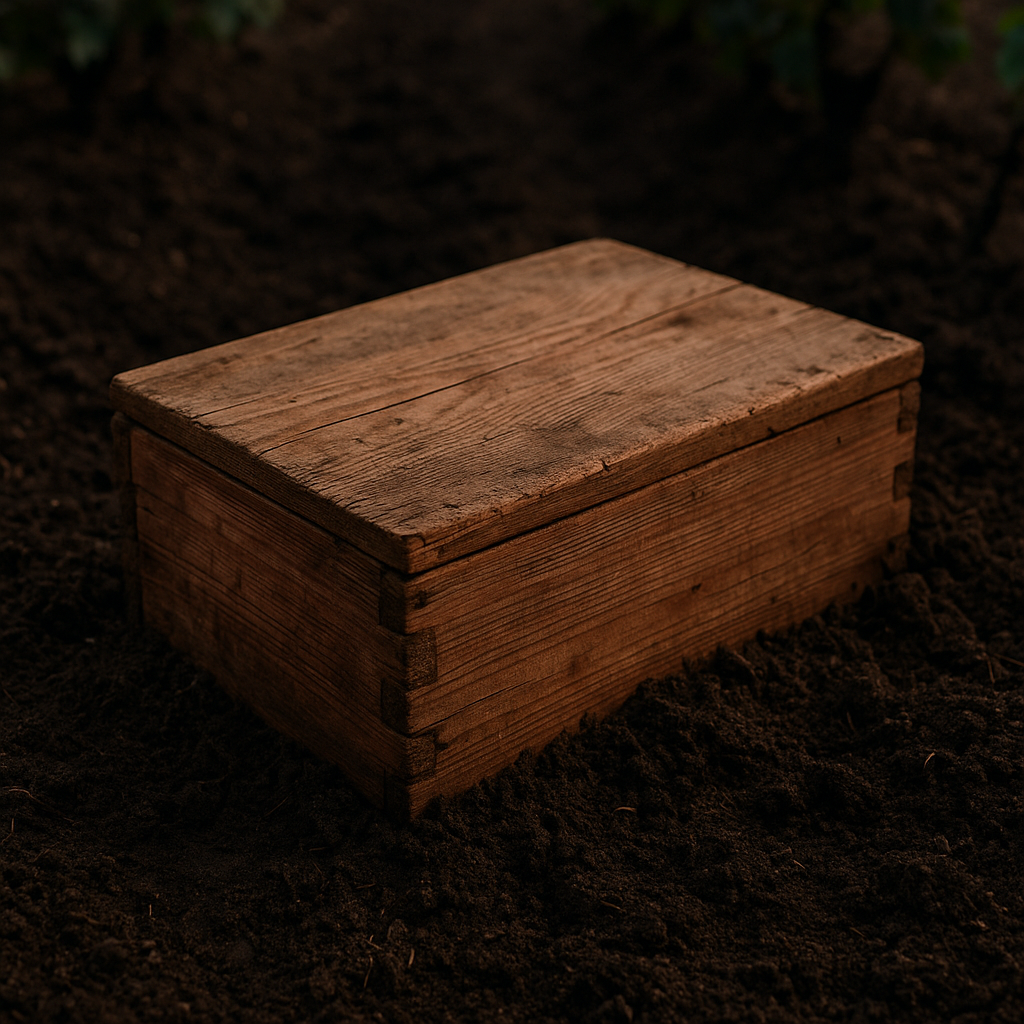
Gabrielle Union returns to South Africa to inter her father's ashes at Klein Goederust winery, a symbol of Black ownership & legacy.
Sylvester Union, a Black American veteran, was buried at Klein Goederust, a Black-owned vineyard in South Africa. His ashes will help the grapes grow, connecting his legacy to the land once denied to Black South Africans. This powerful act weaves together family, history, and the future of South African wine, turning grief into a vibrant new beginning.
What is the significance of Sylvester Union's burial at Klein Goederust vineyard?
Sylvester Union's burial at Klein Goederust signifies a powerful reclamation of narrative, anchoring a Black American veteran in land once withheld from Black South Africans. His ashes will nourish grapes on Black-owned land, symbolizing a deep connection between heritage, ownership, and the future of South African wine.
Get Cape Town news in your inbox
Stay updated with the latest stories from the Mother City.
The Red Earth Remembers
Seventeen months after Gabrielle Union danced barefoot through a birthday weekend in Franschhoek, she touched down again in Cape Town clutching a travel-worn cedar box whose airline stickers spelled out a quiet grief. Inside rested the mortal remains of Sylvester Union – father, retired master-sergeant, connoisseur of Nat King Cole ballads and Sunday newspaper crosswords. What had started as exuberant family holiday had quietly morphed into a living archive: love, loss and Black ownership rooted as deeply as the old Grenache trunks that hold the western slope of Klein Goederust.
Between the first laugh and the last tear, the ground itself became a ledger. On Union’s first visit in October 2022, the estate had thrown open its gables for a milestone fiftieth celebration; this second arrival carried no streamers, no photographers. Only a small entourage - mother Theresa, husband Dwyane Wade, step-children Zaire and Zaya - walked the same gravel path, now marked by fresh-turned earth rather than rose petals.
Every step measured how quickly celebration can tilt into ceremony, and how a patch of South African granite soil can decide, without asking, that it is ready to hold the weight of an American life.
Portrait of a Place, Portrait of a Man
Klein Goederust began its recorded history in 1905 on land granted long before to French Huguenots. By 2021 it held another distinction: the first Franschhoek estate under one-hundred-percent Black ownership. Former Springbok rugby player turned vintner Ntsiki Biyela - South Africa’s first Black female winemaker - teamed with financier Anele Mngadi to rescue the property from decades of neglect. Whitewash had flaked, roofs sagged, yet the cellar still breathed promise. Biyela answered that promise with a Cabernet-Merlot blend that wears its fruit like bold laughter and a tasting-room philosophy that centers Black joy as deliberately as it centres tannins.
Sylvester Union arrived that birthday week still upright despite creeping dementia. He wore the posture of a man who had commanded platoons, yet knelt like a curious child beside the dam and pressed a single Petit Verdot sapling into loamy soil. “This grape needs a touch of Black rebellion,” he declared, tamping earth with the heel of a well-traveled sneaker. His daughter captured the moment on a cell-phone video that would later accompany her through sleepless months in Los Angeles.
Staff still recall the courtyard echoing with his baritone as he tasted his first barrel-drawn Pinotage, comparing its smoky edge to the mesquite of southern barbeque. A week-end meant to crown Union’s half-century became, in hindsight, the planting of an invisible flag: a Black American patriarch staking literal roots in reclaimed Black South African land.
Four Small Acts of Farewell
Libation, Earth, Music, Stone
May 2024 found the same courtyard quieter, cicadas louder. Vineyard crews knew only that “the Americans returned for unfinished business,” a phrase that felt strangely prophetic once the black leather tote appeared. Biyela waited beside the vine Sylvester had set; it now stood thrice its original height, leaves edged with the crimson underglow that signals granite-fed vigor. Between that vine and a fresh row of Cinsault grafts lay a narrow trench - eighteen inches long, six deep - cut to invite earthworms, oxygen and memory.
Inside a hand-carved kiaat-wood sleeve trimmed with Gullah-Geechee cowrie shells rested the cedar box. The family lowered it together, palms grazing soil as though feeling for pulse. Over the hush a fiscal shrike whistled from a scarecrow’s shoulder, its call both piercing and consolatory.
The ritual unfolded in four deliberate movements. First, wine: a 2019 Shiraz-Cabernet whose label blooms with Adinkra symbols. Union poured a slow clockwise libation, voice sliding into the cadence of old sorority-step rehearsals: “May you feed the earth the way you fed us.” Second, soil mixed with fireplace ash - oak from the very staves that aged Sylvester’s last coherent toast - was pressed onto the lid like sealing wax on a letter to yesterday. Third, Wade balanced his phone on a barrel and played “Unforgettable.” The track hiccupped once in the mountain breeze; Union laughed through tears at the glitch’s accidental honesty. Fourth, a stonemason set a slab of Paarl granite etched with the burial coordinates - 33°54′17.9″S 19°03′55.9″E - and Sylvester’s chosen epitaph: “I was here – now I am everywhere.” Sunset laid bronze light across the stone until it looked warm to the touch.
Chemistry and Compassion Beneath the Surface
What follows interment is part soil science, part soul science. Human ash releases calcium and phosphorus - primary plant nutrients - along with trace minerals: zinc, boron, manganese. Researchers at Stellenbosch University predict a slow, seven-to-twelve-year release at the applied concentration, enough to deepen anthocyanin expression in Petit Verdot without shifting flavour profile. In the simplest terms, Sylvester Union will intensify the colour of future harvests.
The idea does not disturb the vineyard team; it delights them. One pruner remarked that “the General’s marching cadence will drum inside the roots.” Another compared the process to late-night jazz seeping into fermenting berries, altering rhythm if not melody. Science supplies the numbers; story supplies the sense.
From Quiet Mourning to Public Constellation
Dawn delivered surprises. A woman who had spotted Union’s discreet Instagram story arrived clutching hand-picked fynbos, then another, and another. By mid-morning the hashtag #VineyardEternal surged across South African Twitter and the African-American diaspora alike. Klein Goederust’s booking portal crashed three times under the weight of curiosity turned pilgrimage. Johannesburg sommeliers fielded urgent calls for a “Sylvester Cuvée” that does not yet exist.
Reading the room, Union asked the estate to plant a communal hedge along the lower footpath: forty-nine indigenous sage bushes, one for each year her father lived after shedding his uniform. Each sapling carries a brushed-steel tag stamped with his triad of counsel: “Hold the door, hold your tongue, hold your liquor – in that order.” Visitors may pick a single fragrant sprig, pressing memory between journal pages, but the rule is to leave behind a memory of laughter. The hedge now serves as open-air confessional where strangers trade stories of fathers lost and found.
Ink, Wine, and the Reclamation of Narrative
When Black Terroir Writes History
South African wine once catalogued conquest in every glass - French Huguenots, Dutch bookkeepers, British bottling magnates. Klein Goederust’s cellar wall challenges that ledger with a mural of the 1913 Natives Land Act, its ugly print half-erased by creeping gold-leaf vines. Union’s burial inserts a new clause into the footnotes: a Black American veteran anchored in ground once withheld from Black South Africans, nourishing grapes grown on Black-owned land.
The estate will bottle a limited Shiraz-Mourvèdre in 2026 harvested from the exact block that now cradles Sylvester. Ten percent of proceeds will seed memory-care workshops in Paarl’s coloured township of Groendal, where dementia prevalence outruns the national curve due to poverty, poor diet and scant medical access. The programme pairs neurologists with local grandmothers who still remember medicinal veld plants, stitching western science to ancestral pharmacopoeia.
The Last Glass, the First Breath
On the third night the family lingered at the long cedar sorting table. Theresa Union laid out her husband’s dog tags, a battered marine-band harmonica in the key of C, and his final crossword - ink faded at 23-Down: “South African bloom, nine letters – PROTEA.” They uncorked a 2011 Constantia dessert wine Sylvester had tucked into his luggage in 2022 “for the day my roots catch up with my routes.” No one spoke of tannins or acidity; the wine tasted like salt cedar and midnight radio, like a voice unfurling across decades.
Outside, the Petit Verdot vine shivered in the night wind. Beneath it, calcium and phosphorus were already slipping into microscopic root hairs, carrying with them a laugh that once rolled across Omaha parade grounds, across German bases and Californian studio lots, now settling into the wide-open tendrils of a vineyard that refuses to forget.
[{"question": "What is the significance of Sylvester Union's burial at Klein Goederust vineyard?", "answer": "Sylvester Union, a Black American veteran, was buried at Klein Goederust, a Black-owned vineyard in South Africa. This act is profoundly significant as his ashes will nourish the grapes, symbolizing a powerful connection between his legacy and land that was historically denied to Black South Africans. It weaves together family, history, and the future of South African wine, transforming grief into a vibrant new beginning and reclaiming a narrative of ownership and heritage."}, {"question": "Who is Sylvester Union and what was his connection to the Klein Goederust vineyard prior to his burial?", "answer": "Sylvester Union was Gabrielle Union's father, a retired master-sergeant, and a connoisseur of Nat King Cole ballads. He first visited Klein Goederust in October 2022 during Gabrielle Union's 50th birthday celebration. Despite creeping dementia, he planted a Petit Verdot sapling, declaring, 'This grape needs a touch of Black rebellion.' This initial visit, in hindsight, marked him 'staking literal roots in reclaimed Black South African land.'"}, {"question": "What is Klein Goederust and why is it significant in South Africa's wine industry?", "answer": "Klein Goederust, established in 1905, holds the distinction of being the first Franschhoek estate under one-hundred-percent Black ownership. It was rescued from neglect by former Springbok rugby player turned vintner Ntsiki Biyela, South Africa's first Black female winemaker, and financier Anele Mngadi. The vineyard is significant for centering Black joy and ownership in its philosophy, challenging the historical narrative of conquest in the South African wine industry."}, {"question": "What was the burial ceremony like and what symbolic acts were performed?", "answer": "The burial ritual involved four deliberate movements. First, Gabrielle Union poured a libation of a 2019 Shiraz-Cabernet, stating, 'May you feed the earth the way you fed us.' Second, soil mixed with fireplace ash from oak staves that aged Sylvester's last toast was pressed onto the cedar box. Third, Dwyane Wade played Nat King Cole's 'Unforgettable.' Finally, a stonemason set a slab of Paarl granite etched with the burial coordinates and Sylvester's epitaph: 'I was here – now I am everywhere.'"}, {"question": "How will Sylvester Union's ashes impact the vineyard scientifically and symbolically?", "answer": "Scientifically, human ash releases essential plant nutrients like calcium and phosphorus, along with trace minerals, which Stellenbosch University researchers predict will be released slowly over seven to twelve years. This is expected to deepen the anthocyanin expression in Petit Verdot grapes, intensifying their color without altering the flavor profile. Symbolically, the vineyard team sees it as 'the General’s marching cadence will drum inside the roots,' connecting his essence to the growth and character of future harvests."}, {"question": "What initiatives has the vineyard undertaken to honor Sylvester Union and his legacy?", "answer": "To honor Sylvester Union, the estate will bottle a limited Shiraz-Mourvèdre in 2026 from the block where he is buried. Ten percent of the proceeds will fund memory-care workshops in Groendal, a township in Paarl, addressing dementia prevalence. Additionally, Gabrielle Union requested the planting of a communal hedge of forty-nine indigenous sage bushes, one for each year her father lived after his military service. Each sapling bears a tag with his advice: 'Hold the door, hold your tongue, hold your liquor – in that order.'"}]

Emma Botha is a Cape Town-based journalist who chronicles the city’s shifting social-justice landscape for the Mail & Guardian, tracing stories from Parliament floor to Khayelitsha kitchen tables. Born and raised on the slopes of Devil’s Peak, she still hikes Lion’s Head before deadline days to remind herself why the mountain and the Mother City will always be her compass.
View all articles →