
Watch: Jeremy Clarkson says prostate cancer was caught in time
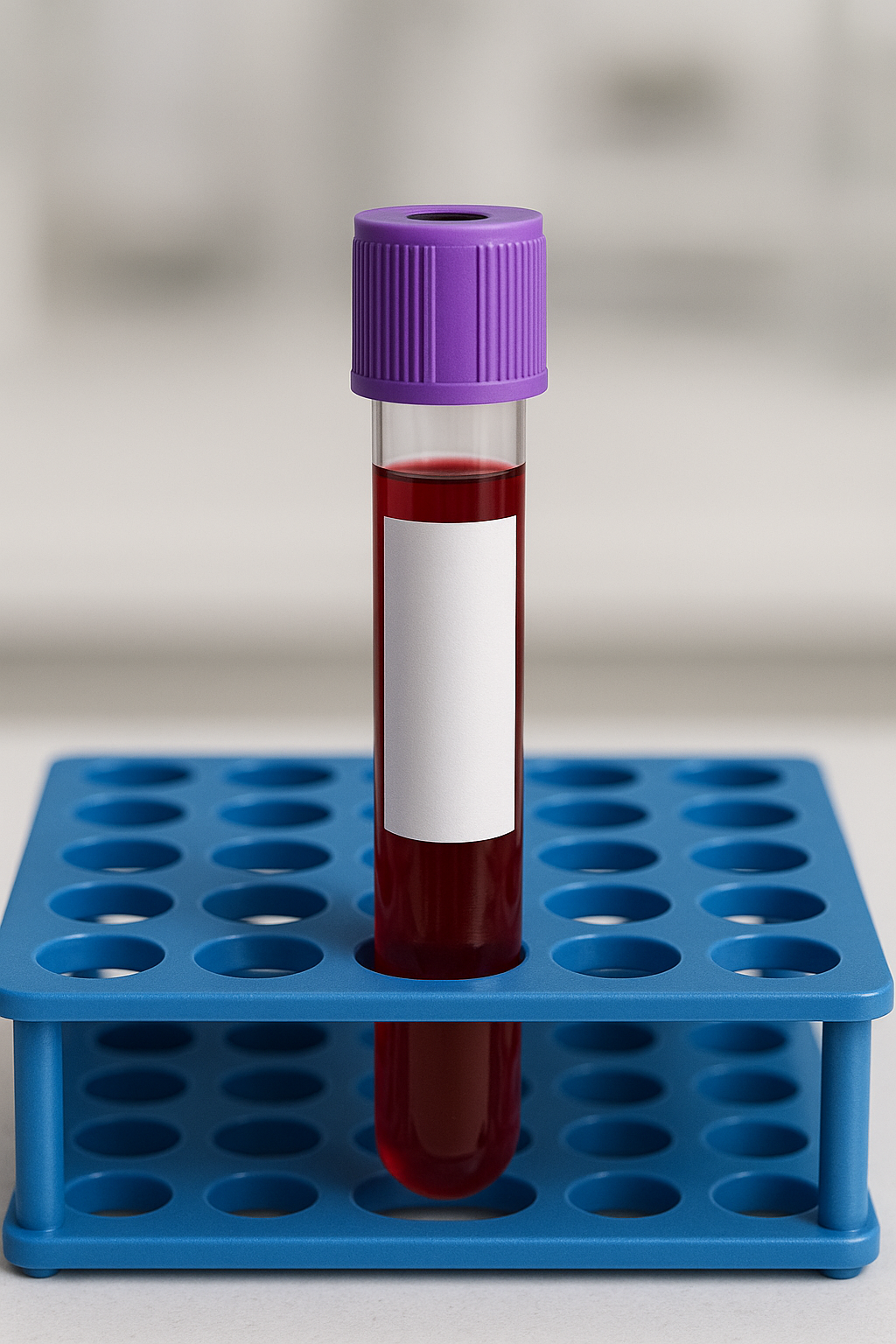
Jeremy Clarkson's prostate cancer scare became a global health movement, driving PSA testing & challenging men's health taboos.
Jeremy Clarkson, the famous TV star, had a routine check-up that found prostate cancer. He bravely shared his story, which made men everywhere want to get tested. His journey, from a simple blood test to a special whisky and even a cartoon, helped lots of men in places like South Africa and the UK get health checks. This led to many more men getting tested and even changed health rules. It showed how one person's story can make a huge difference for men's health around the world.
How did Jeremy Clarkson's prostate cancer diagnosis raise global men's health awareness?
Jeremy Clarkson's public sharing of his prostate cancer journey, initiated by a routine PSA test, transformed into a global awareness campaign. His story, amplified through media, a charity whisky, and a cartoon, encouraged men worldwide, particularly in South Africa and the UK, to get tested, leading to significant increases in screenings and policy changes.
Get Cape Town news in your inbox
Stay updated with the latest stories from the Mother City.
1. A Routine Visit That Wasn’t Routine
Jeremy Clarkson strolled into his local surgery in March 2026 expecting nothing more dramatic than a physio referral for a shoulder he’d wrenched while wrestling a stubborn shepherd’s crook. The locum noticed his date-of-birth on the screen and, almost as an aside, added a PSA blood test to the slip. Ten days later the phone rang: the reading sat well above the comfort zone. No gloved exam, no undignified stirrups - just a polite invitation to Oxford’s Churchill Hospital for an MRI and, if necessary, a biopsy.
The histology report delivered in plain English read like a battlefield map: small tumour, aggressive flavour, still boxed in. One coffee-stained napkin sketched by the surgeon became Clarkson’s “most expensive doodle ever bought,” because it mapped the nerve-preserving robotic route that would evict the cancer without evicting his dignity. Six weeks after Mr S. Gupta - urologist by day, pre-war Bentley restorer by night - finished the procedure, Clarkson was back behind the wheel of his lime-green Lamborghini R8 tractor, now nick-named “The Prostate Prowler” by co-star Kaleb Cooper.
That season’s barley, harvested under strict no-jolt rules, was distilled into 600 bottles of single-malt whisky labelled “Single Malt PSA: 4.8.” Every bottle vanished in twenty-two minutes, the proceeds bankrolling weekend PSA pop-ups in three Cotswold market towns. From a shoulder niggle to a sell-out whisky - only Clarkson could spin that yarn.
2. From Cotswold Fields to African Highways
South Africa’s story is harsher. One public-sector MRI serves 1.3 million souls in rural Limpopo; in Sandton’s private enclaves a scanner does the work for perhaps thirty thousand. Professor Shingai Mutambirwa sums it up: “A PSA result that arrives after the funeral is worse than useless.” Geography, scant imaging, and month-long lab turnaround times act as padlocks on men’s health.
Clarkson’s confession leapt those barriers because it offered no infrastructure demands - only a story. Within forty-eight hours South Africa’s Medical Research Council dusted off a 2024 modelling study, once hidden behind a paywall, and turned it into an open-access comic strip starring cartoon Clarkson in gumboots. Daily downloads jumped from two hundred to thirty-four thousand. WhatsApp groups with names like “Boere se Bosluise” swapped GP numbers willing to order the test without a lecture. Some clinics clocked a four-fold spike in walk-in requests the following Monday.
Discovery Health, the country’s largest insurer, read the room and launched a one-time voucher for men aged 45–60, cheekily branded “Don’t Be a Clarkson.” Twenty-two thousand vouchers were redeemed in the first seven days. Critics called it opportunistic; actuaries called it risk-reduction. Either way, queues formed outside PathCare labs like Black-Friday shoppers.
3. From Meme to Movement
Back in Chipping Norton, the farm shop installed a perspex box labelled “Take One, Leave One - Test Later.” Inside: pocket-sized cards bearing a QR code that jumps straight to the NHS prostate-awareness page. They’re restocked every dawn, and neighbouring dairy farmers - once sceptical of anything west of the M40 - now hand them out at cattle auctions. One anonymous rancher confessed on camera that Clarkson’s video persuaded him to stop ignoring blood-stained urine; the ensuing cystoscopy caught both a bladder tumour and an elevated PSA. Two cancers, one epiphany.
Across the Atlantic, CNN ran the headline “Gearhead Tells Men to Get Their Gears Checked,” while Fox News borrowed Clarkson’s own punchline: “Not Dead Yet.” The clips amassed eighteen million views in two days. At the University of Cape Town, data scientists tracked the cascade: rugby players, farmer-radio DJs, and Springbok legend Tendai Mtawarira all forwarded the message, each twist adapting the idiom for their own tribe. Within a month, “ukuclarksonisa” had wormed its way into Soweto slang: “to nag your dad toward a check-up.”
Even the British Medical Journal got in on the act. A July commentary coined the-cool terminology - “the Petrolhead Prevention Paradigm” - arguing that open admission of clinical risk paradoxically lowered it for everyone else. Dr Sarah Clarke (no relation) wrote: “He did what a thousand consensus statements could not - he made vulnerability aspirational.”
4. Science, Cash and the Long Game
Technology keeps sprinting. mpMRI now ships with AI software that lops twenty-seven per cent off unnecessary biopsies. Liquid-biopsy start-ups promise results from a standard 10 ml tube in forty-eight hours. Grail Europe quietly hosted a Reddit AMA with Clarkson’s oncologist; 42 000 users tuned in, half from outside Europe. The patient himself offered his excised tumour tissue for research, stipulating it can be labelled “Patient J.C. - Chipping Norton cohort.”
Economists crunch different numbers. The UK Treasury calculates every pound spent on PSA screening buys £2.37 in hospice-cost avoidance over fifteen years. HMRC noticed that self-employed men aged 50-65 booked fourteen per cent fewer sick days in the six months after the June surge. Correlation, causation - whatever - tax collectors love a fourteen per cent anything.
Policy is catching up. South Africa’s health ministry will fold PSA into its public-sector basket for men 50-70, phased across three financial years. A $42 million World Bank loan for imaging hardware cites “public awareness surge” as justification. Oxford-Milton Keynes hospitals now run “Bloke’s Day Off” on Saturdays: bacon sandwich, blood draw, BP check, cardiovascular risk score. Slots are ninety-six per cent booked three weeks out. Men, it turns out, will queue for free bacon and a side order of mortality.
And the man who started it all? A scarecrow in Clarkson’s bottom field now sports a hospital wristband scrawled “PSA < 0.05.” The caption: “Even straw men need follow-up.”
What prompted Jeremy Clarkson's initial prostate check-up?
Jeremy Clarkson's initial check-up in March 2026 was for a shoulder injury, not specifically for prostate issues. However, a locum doctor, noticing his age, added a PSA blood test to his referral slip almost as an afterthought. This routine addition led to the discovery of an elevated PSA reading.
How did Clarkson's diagnosis become a global men's health campaign?
Clarkson bravely shared his personal story, which was amplified through various media. He even distilled barley from his farm into a limited-edition whisky called "Single Malt PSA: 4.8," with all proceeds funding PSA pop-up clinics. His story was further popularized through a cartoon in South Africa and widespread media coverage, turning his personal health journey into a global movement encouraging men to get tested.
What unique methods were used to raise awareness in South Africa?
In South Africa, Clarkson's story was adapted into an open-access comic strip featuring a cartoon Clarkson, which saw daily downloads skyrocket. WhatsApp groups spread information about testing, and some clinics reported a four-fold increase in walk-in requests. Additionally, Discovery Health, a major insurer, launched a voucher program for men aged 45–60, branded "Don't Be a Clarkson," leading to thousands of redemptions.
How did the campaign influence policy and technology in healthcare?
The public awareness generated by Clarkson's story influenced policy changes, with South Africa's health ministry planning to incorporate PSA testing into its public-sector services. A World Bank loan for imaging hardware even cited the "public awareness surge" as justification. Technologically, the event spurred interest in AI-powered mpMRI for biopsies and liquid biopsy start-ups, while Clarkson himself donated his tumor tissue for research, contributing to scientific advancement.
What were some unexpected social and economic impacts of Clarkson's story?
Beyond health, there were notable social and economic impacts. In the UK, pocket-sized cards with QR codes to NHS prostate-awareness pages were widely distributed, even at cattle auctions. Economically, the UK Treasury calculated a positive return on investment for PSA screening, and HMRC observed a decrease in sick days among self-employed men after the public health surge. The campaign also led to the coining of new terminology like "ukuclarksonisa" in Soweto slang, meaning "to nag your dad toward a check-up."
How has the initiative continued to engage men in health checks?
Initiatives designed to make health checks more accessible and appealing to men have emerged. Oxford-Milton Keynes hospitals, for example, introduced "Bloke's Day Off" on Saturdays, offering bacon sandwiches alongside blood draws, BP checks, and cardiovascular risk assessments. These slots are heavily booked, demonstrating that men are willing to engage with health screenings when presented in an accessible and even incentivized manner. Even a scarecrow on Clarkson's farm now sports a hospital wristband, playfully reminding people about follow-up checks.
Michael Jameson is a Cape Town-born journalist whose reporting on food culture traces the city’s flavours from Bo-Kaap kitchens to township braai spots. When he isn’t tracing spice routes for his weekly column, you’ll find him surfing the chilly Atlantic off Muizenberg with the same ease he navigates parliamentary press briefings.
View all articles →