
Waves Restaurant at Blaawberg Beach Hotel unveils new winter menu
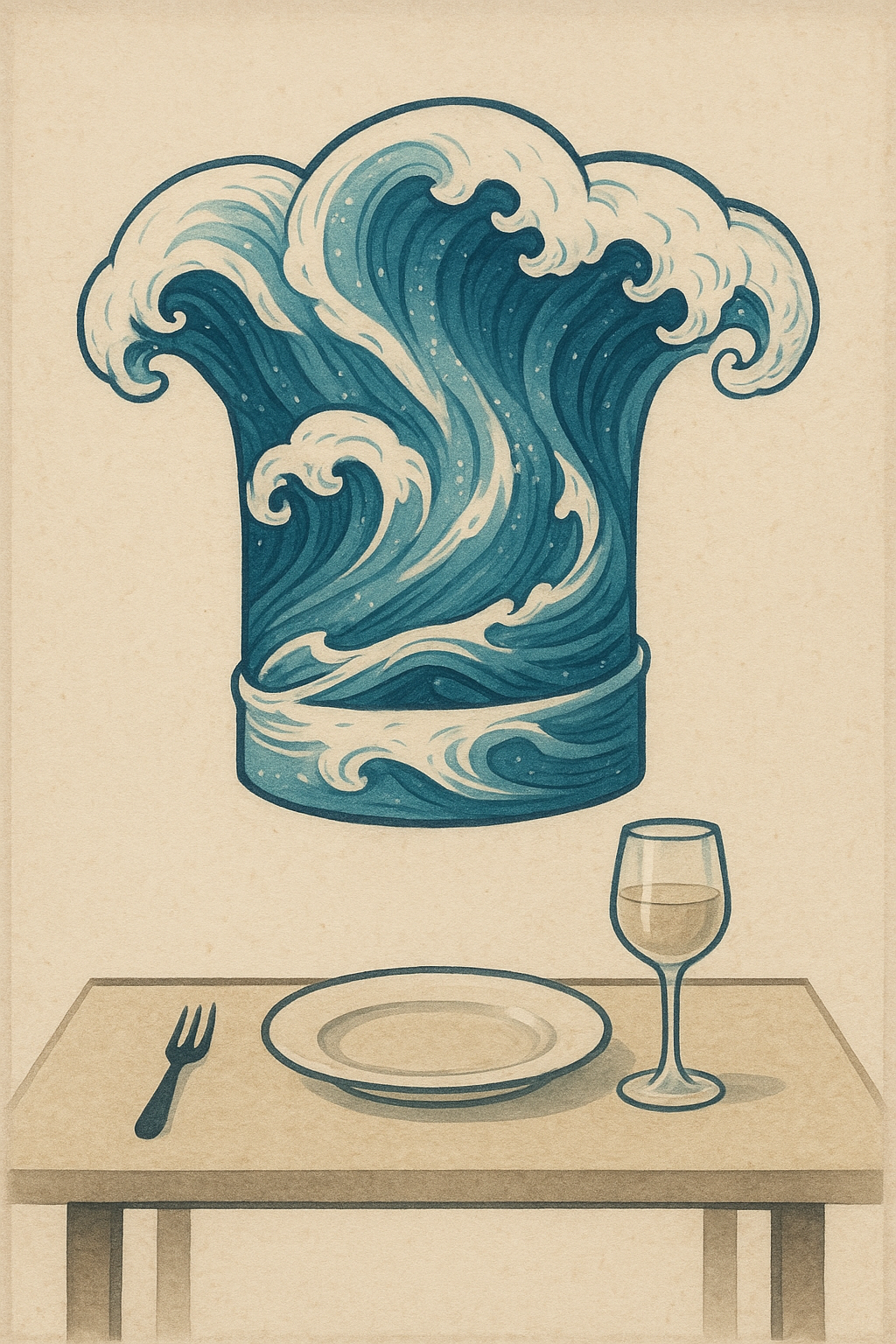
Waves Restaurant, led by Chef Duncan Pontac, unveils a new winter menu. Experience refined coastal dining with Cape-inspired flavors.
Waves Restaurant, nestled by the Atlantic, has a new winter menu by Chef Duncan Pontac. He masterfully blends Italian tastes with exciting South African flavors. Imagine Karoo lamb kissed with local herbs or fresh seafood from the West Coast. Every dish is a warm, delicious journey, celebrating local ingredients with unique pairings.
What is the winter menu like at Waves Restaurant?
Waves Restaurant's winter menu, crafted by Chef Duncan Pontac, blends Italian influences with distinct South African flavors. Dishes feature local ingredients like Karoo lamb with fynbos herbs, West Coast seafood, and desserts incorporating Amarula or rooibos. The menu offers a refined yet comforting culinary journey, highlighting local sourcing and unique pairings.
Get Cape Town news in your inbox
Stay updated with the latest stories from the Mother City.
The Stage Where Ocean Meets Kitchen
Bloubergstrand’s wide, pale shore beach has always been the Cape’s loudest postcard: an unobstructed 180-degree sweep of the Atlantic curling around Table Mountain like a granite wave. Perched on the sand’s edge, Blaauwberg Beach Hotel’s signature restaurant now owns that vista without arrogance. Waves Restaurant has grown beyond being the hotel’s feeding station; it has become its own reason to cross town on a rainy Tuesday night. This winter, Executive Chef Duncan Pontac rewrote the script entirely. The new menu keeps the Italian pulse that regulars expect, yet every dish plants a distinct South African fingerprint on the glass.
The building itself could double as a cinematographer’s dream set. Glass rises from floor to ceiling in one continuous sweep, erasing the boundary between diner and water. The result is not a room with a view, but a view with a room. Inside, the open kitchen sits like a spotlighted stage: burners hiss, pans arc, and a copper-clad wood-burning oven glows as if the sun had been folded into steel. Even on the stormiest winter day, when Atlantic mists roll down the beach like slow-motion avalanches, the oven’s ember heat reaches every table and turns the cold into part of the drama.
Guests dress down or dress up - the design refuses to dictate either. Leather banquettes run along one wall; bare wood tables line the other. Children colour on the back of menus, while couples in dark blazers share pizza and whisper about engagement rings. The atmosphere nudges both extremes toward the middle, amused rather than anxious about formality.
First Impressions in a Bowl
The menu lands with a single bowl: carrot and ginger soup the colour of molten sunset. The base is silky because it spends an extra ten minutes strained through chinois, then spun with a slick of olive oil that tastes like green grass left in the sun. A drift of honey-roasted almonds snaps across the surface like brittle autumn leaves. Their sweetness is no accident - the honey hails from Elgin hives, providing a scent that loops back to the soup’s root-veg sweetness while the nuts push everything into crunch territory. A small splash of ginger keeps the sweetness from slipping into dessert territory; it tingles rather than burns.
In the glass beside the soup, the 2025 Ayama Chenin Blanc does more than cleanse the palate. The wine’s lineage comes from Bottelary Hills granite soils, giving it a crushed-rock minerality that slices through the soup’s velvety weight. Notes of bruised yellow apple and dried pineapple echo the honey glaze like distant cousins meeting at a family reunion. If the soup is the front door to winter comfort, this pour hands you the key.
Shellfish That Skips the Tourist Trap
Next comes a cast-iron pot of mussels and clams steamed open under a lid scented with white wine and fennel butter. The fennel was not chosen for novelty; it repeats the coastal anise breeze that blows across the deck on many afternoons. The clams arrive plump and sweet, almost buttery, proof that cold Atlantic water and kelp forests grow seafood with natural brinage. The wine in the broth is Swartland Chenin, reduced just enough to sharpen the shell liquor without turning metallic. Wood-fired garlic flatbread arrives blistered and bubbled, ready to act as both sponge and utensil; tear, swipe, repeat.
Poured alongside, the 2026 Ayama Grenache Noir Rosé startles at first - why pink with bivalves? One sip answers. The wine carries strawberry and white pepper, its texture broad enough for the fennel butter but brisk enough to keep the molluscs tasting like themselves. It is a lesson in confident pairing: the rosé does not play sidekick; it performs a duet.
Meat, Maize, and the Cape’s Own Lamb
Main courses stride in with three distinct voices. First, free-range chicken - bronzed and rested - rests on a bed of creamed sweetcorn so fresh it still smells like the field. The bird spent its days wandering Darling pastures, so its legs taste like exercise and sunlight. Chef Pontac sears the skin hard, then lets the oven finish it slowly; the result is crackling that shatters like caramel, revealing flesh still spitting clear juices. Sweetcorn purée is passed through a tamis twice, producing satin texture that wraps each fibre of meat in buttery memory.
The rack of Karoo lamb wears an herb crust of rosemary, wild rosemary, and a dusting of buchu - an indigenous fynbos herb that tastes somewhere between mint and blackcurrant leaf. The meat itself carries faint whispers of the shrubs the lambs grazed on; every bite explains why South African lamb appears on Michelin-star menus from London to Singapore. The kitchen roasts it to blushing pink, then rests it long enough to relax into the plate. A reduction of lamb bones and red wine glazes the ribs, pooling against a swipe of celeriac purée so smooth it could be porcelain.
The seafood linguine arrives as generosity incarnate: claws of West Coast rock lobster, a tumble of calamari rings, and firm-fleshed line fish caught at Hout Bay before dawn. Saffron threads lend colour, but the broth is pure Atlantic reduction - wine, garlic, tomato, and the liquor the shellfish release when they realise they are no longer in the sea. A shower of Italian parsley is the only foreign passport in the bowl.
Dessert as National Biography
Three desserts write footnotes to the meal, each a line in South Africa’s cookbook. Carrot and walnut cake - warm, loose-crumbed - comes with a scoop of Amarula ice cream. Amarula is distilled from marula fruit harvested by elephants and rural communities; here it melts across sending butterscotch perfume across the plate. Sticky toffee pudding arrives in a small cast-iron pan, soaked with Cape cane-sugar treacle, a nod to British grandmothers who taught us how to handle winter long before central heating.
The rooibos-poached pear stands last, glowing amber like a lantern. Indigenous to the Cederberg 200 kilometres north, rooibos has no caffeine, an ocean of antioxidants, and a natural honey note. It stains the pear’s flesh bronze, dresses it with cinnamon bark warmth, and offers itself to a cloud of mascarpone ice cream. Ayama’s Moscato 2025 - effervescent, orange-blossom-sweet - lifts the pear onto a breeze of floral perfume.
The Chef Who Began at Home
Duncan Pontac’s story starts in his mother’s kitchen in suburban Durbanville, peeling potatoes for stews that simmered while weekend rugby blared from the next room. He did not attend culinary school; instead, he rode his bicycle to Stellenbosch restaurants and begged for shifts. Years later, when he took the helm at Waves, he insisted his wife Bianca keep a seat at every menu tasting - her honest palate, neither impressed nor diplomatic, keeps the cooking grounded. Their collaboration is audible: when she suggests toning down salt, he listens. When he argues for less sugar, she agrees. The final menu stands as evidence of a marriage that edits itself in real time.
Evolution That Respects Memory
Revolution is easy; evolution is difficult. Chef Pontac refuses to torch the menu’s Italian DNA. Pizza dough still ferments for 36 hours, tomatoes still arrive from Paarl farmers growing San Marzano cultivars, and the espresso machine hisses like a Vespa. Yet South Africa creeps in everywhere: lamb fed on fynbos, fish caught by small-scale crews, honey from the Cape Floral Kingdom, and buchu that would perplex most Tuscans. Diners recognise nostalgia and notice invention in the same mouthful.
Sourcing is not marketing copy. The lamb relationship is a handshake with a Karoo farmer who texts weekly photos of lambs grazing. The mussels arrive in hemp sacks from Saldanha Bay, harvested by a co-op that limits daily tonnage. Even the kitchen oil moves to a nearby biodiesel project after service. Guests feel none of this bureaucracy; they taste only the confidence of ingredients treated as colleagues rather than commodities.
Alchemy of Place and Plate
The private dining room seats fourteen around a single blackwood table. Windows still face the ocean, but the smaller scale allows birthdays, proposals, or corporate hush-hush deals to unfold without competing with the larger hum. A projector screen hides behind artwork; flip a switch and the space morphs into a boardroom with bragging rights.
Service staff handle wine like translators. Ask why Chenin Blanc with carrot soup and you receive a story about granite soils, maritime breezes, and the way acidity carves flavour channels. Ask about lamb and you will hear about Karoo koppies and buchu oil. No one recites tasting notes; they explain relationships.
To reserve a table or the private room, call the number below or send a message through the hotel website. The winter menu runs until the days lengthen and jackets come off - roughly late August in Cape Town terms. Arrive early enough to watch the sun sink behind the mountain and paint the sky the same amber as that poached pear. Taste the sea in the shellfish, the earth in the lamb, the sky in the wine. Leave knowing the Atlantic never left the building; it just moved onto your plate.
- Waves Restaurant, Blaauwberg Beach Hotel*
📞 +27 21 205 7555
📧 dine@blaauwbergbeachhotel.co.za
🌐 www.blaauwbergbeachhotel.com
[{"question": "What is the main culinary concept behind Waves Restaurant's new winter menu?", "answer": "Waves Restaurant's new winter menu, spearheaded by Executive Chef Duncan Pontac, masterfully blends classic Italian culinary traditions with distinctive South African flavors. The menu emphasizes local, seasonal ingredients sourced from the Western Cape, creating a unique and comforting dining experience."}, {"question": "What are some signature South African ingredients or dishes featured on the winter menu?", "answer": "The winter menu showcases a strong South African influence through ingredients like Karoo lamb, often paired with indigenous fynbos herbs such as buchu. Fresh West Coast seafood, honey from Elgin hives, and desserts featuring local favorites like Amarula and rooibos-poached pears are also prominent. Even the sweetcorn used in dishes is locally sourced from Darling pastures."}, {"question": "What kind of atmosphere can diners expect at Waves Restaurant?", "answer": "Waves Restaurant offers an unparalleled dining experience with floor-to-ceiling glass walls providing a 180-degree panoramic view of the Atlantic Ocean and Table Mountain. The ambiance is elegant yet relaxed, accommodating both casually dressed and formally attired guests. An open kitchen with a copper-clad wood-burning oven adds to the dynamic and warm atmosphere, making it enjoyable even on stormy winter days. The design balances sophistication with comfort, ensuring a memorable visit."}, {"question": "Who is Chef Duncan Pontac, and what is his culinary background?", "answer": "Chef Duncan Pontac is the Executive Chef at Waves Restaurant. His culinary journey began not in culinary school but in his mother's kitchen in Durbanville and by seeking opportunities in Stellenbosch restaurants. He is known for his dedication to local sourcing and his collaborative approach, often involving his wife Bianca in menu tastings to ensure a grounded and honest palate."}, {"question": "What unique wine pairings are highlighted with the winter menu?", "answer": "The menu features thoughtfully selected wine pairings, often highlighting local South African wines. Examples include the 2025 Ayama Chenin Blanc from Bottelary Hills with the carrot and ginger soup, noted for its minerality. The 2026 Ayama Grenache Noir Rosé is surprisingly paired with shellfish, demonstrating a confident pairing that complements the fennel butter and keeps the molluscs' natural flavors intact. The 2025 Ayama Moscato is suggested with the rooibos-poached pear, offering a sweet and floral accompaniment."}, {"question": "How can I make a reservation at Waves Restaurant, and when does the winter menu run?", "answer": "To make a reservation at Waves Restaurant, you can call them at +27 21 205 7555 or send an email to dine@blaauwbergbeachhotel.co.za. You can also visit their website at www.blaauwbergbeachhotel.com. The winter menu is available until the end of August, roughly when the days lengthen and warmer weather arrives in Cape Town."}]

Emma Botha is a Cape Town-based journalist who chronicles the city’s shifting social-justice landscape for the Mail & Guardian, tracing stories from Parliament floor to Khayelitsha kitchen tables. Born and raised on the slopes of Devil’s Peak, she still hikes Lion’s Head before deadline days to remind herself why the mountain and the Mother City will always be her compass.
View all articles →