
WCED boosts school security across Western Cape ahead of June holidays
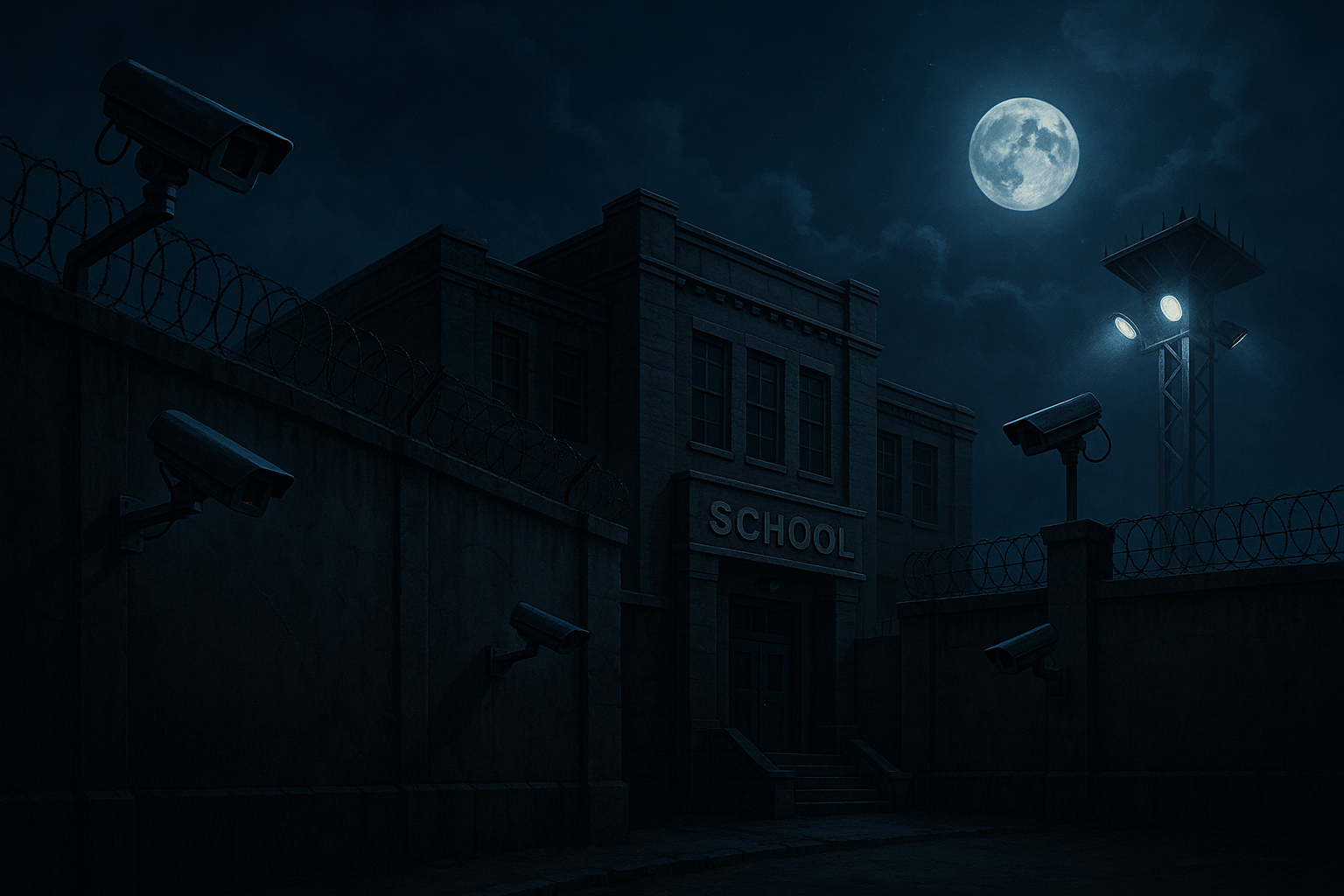
WCED boosts holiday security for 453 schools in 2026, using data, multi-layered guarding, and tech to protect against theft and vandalism.
The Western Cape takes school security seriously during holidays! They use a big budget, smart plans, and even a special algorithm to pick which schools get protection. Guards, quick repair teams, and even mobile units keep watch. They're also getting communities and students involved to make sure schools stay safe.
How does the Western Cape secure its schools during the June-July holiday break?
The Western Cape implements a multi-layered security strategy for schools during holidays, funded by a dedicated R72.68 million budget for 2026/27. This includes risk-based selection of 453 campuses, tiered guarding with strict contracts, mobile strike teams, micro-repairs, and community involvement programs. This comprehensive approach treats security as an essential utility.
Get Cape Town news in your inbox
Stay updated with the latest stories from the Mother City.
From Last-Minute Rescue to Fixed-Budget Line Item
Back in 2020, empty classrooms stayed dark far longer than anyone expected. Opportunists noticed the gaps, and stolen laptops, copper pipes and gate motors started stacking up faster than the province could replace them. Stellenbosch University ran the numbers and discovered that one rand spent on standing guards spared the province R4,20 in repairs, overtime and re-procurement. Treasury listened, moved the expense out of the “maybe” column and cemented it as core infrastructure maintenance. The new rule: every holiday the fund grows by CPI plus another two percent. That formula pushes the 2026/27 allocation to R72,68 million, a figure already baked into the budget long before burglars make their wish-lists.
This is no emergency slush fund. It is an engineered programme with its own escalation clause, audited metrics and automatic top-ups if losses spike beyond an agreed pain-point. The key insight: treat security as a non-negotiable utility - like water or electricity - not as a surprise bill you hope never arrives.
How 453 Campuses Were Chosen (and Why Others Missed Out)
The Algorithm First, the Human Boots Later
Fourteen variables - break-in history, distance to the nearest police station, fence length, value of science labs and a custom neighbourhood-stress index - feed a risk engine that spits out a score between zero and a hundred. Anything above 68,4 this year landed a school on the protected list, pushing the cohort up from 424 to 453 sites. Numbers rule the first draft; people tighten the second.
March Walk-throughs Tell the Real Story
District officials cancel their desk work for two weeks in March. They walk every shortlisted perimeter, count blind corners, chat with principals and sit in on ratepayer meetings. A site can still drop off the list if neighbours patrol aggressively or if new CCTV towers went up since the last data refresh. This second gatekeeper slashes wasted budgets and stops guards from babysitting already-safe campuses.
The final roster splits into two tiers: 312 sites need only dusk-to-dawn cover, while 141 ultra-risk campuses - the ones that wrote off more than R100 000 in a single night last year - receive round-the-clock crews.
Inside the Multi-Layer Shield: Guards, Gadgets and Gates
Tiered Guarding with Teeth-Cutting Contracts
Outsourced teams work four-year framework deals renewed only if they stay PSiRA-registered, keep ISO 18788 certification and carry R20 million in public-liability cover. Surprise call-down audits target one in four sites; any guard caught dozing is booted and blacklisted. Average hourly rates dropped from R42,30 to R37,50 after a reverse-auction platform went live in late 2025, yet headcount stayed the same.
Mobile Strike Teams and Sirens You Feel in Your Ribs
Twenty-two roaming vehicles cover eight to ten schools apiece, tied to a Bellville nerve-centre that swallows alarm pings, CCTV streams and drone footage. Average scramble time has shrunk from 18 minutes in 2024 to 11 minutes in 2025. When sirens hit 105 dB at one metre, intruders seldom stick around to debate the echo.
Micro-Repairs That Pay for Themselves
Every protected site receives R1 200 for quick fixes after the March inspection. Typical tweaks: chain-link fences become 2,4 m welded mesh with Y-bar crowns, gate hinges get tamper-proof bolts, GSM sirens swap to dual-SIM modules, and downpipes near computer labs receive anti-climb paint. A polymer sleeve trial in Mitchells Plain cut copper-downpipe theft to zero; fifty more schools will inherit the sleeve this season.
Community, Cash and the Long Game
Neighbours, Learners and Streetlight Servers
The “School Keepainers” scheme trains unemployed 18–25-year-olds in perimeter patrolling, incident logging and stipend-management. Early returns from Delft show a 27 % drop in graffiti and broken windows. Meanwhile, grade-11 IT learners tinker with MQTT motion sensors that ping Telegram when lab doors move after hours; the code is already forked 41 times on GitHub. The City’s new LED streetlights carry spare Zigbee radios, and the WCED aims to piggyback edge-computing nodes on thirty poles next year, keeping video cached locally even if fibre snaps.
Budget Arc, Insurance Discounts and a Moving Calendar
Spending climbed from R57,3 m (2024/25) to R70,26 m (2025/26) and settles at R72,68 m this coming holiday. Insurance underwriters reward audited holiday protection with a 5 % premium cut, nudging governing bodies to install extra cameras or sign micro-insurance pools for lower-risk sites. Treasury already runs Monte Carlo models for 2027’s staggered provincial holidays, projecting a 9–12 % drop in peak-incident probability if neighbours synchronise coverage.
From recycled galvanised razor wire to UV-thread uniforms, the province keeps tweaking. The goal is simple: when the gates clang shut for the June-July break, would-be thieves find a living, breathing network rather than an empty promise.
How does the Western Cape secure its schools during the June-July holiday break?
The Western Cape implements a comprehensive, multi-layered security strategy for schools during holidays, backed by a dedicated budget of R72.68 million for 2026/27. This strategy involves a risk-based selection process to identify 453 high-priority campuses, tiered guarding services with strict contractual obligations, mobile strike teams for rapid response, micro-repair initiatives to fortify infrastructure, and active community involvement programs. The approach treats school security as an essential utility, akin to water or electricity.
How are the 453 schools chosen for protection?
A sophisticated algorithm is initially used, considering 14 variables such as break-in history, distance to police stations, fence length, and the value of assets like science labs. Schools scoring above a specific threshold (68.4 in 2026) are shortlisted. This algorithmic selection is then refined by human inspection: district officials conduct physical walk-throughs in March, talking to principals and community members to assess real-world risks and local security efforts. This two-stage process ensures that resources are allocated efficiently, avoiding protection for already-safe campuses. The selected schools are then categorised into two tiers: 312 receive dusk-to-dawn cover, while 141 'ultra-risk' campuses, which previously incurred losses over R100,000, receive round-the-clock security.
What measures are in place to prevent security guards from slacking off?
Security contracts are rigorous, spanning four years and requiring PSiRA registration, ISO 18788 certification, and R20 million in public-liability cover. To maintain high standards, one in four protected sites undergoes surprise call-down audits. Any guard found neglecting their duties, such as sleeping on the job, is immediately dismissed and blacklisted from future contracts. This strict oversight ensures accountability and consistent vigilance.
How does the Western Cape respond to security breaches?
The province deploys 22 mobile strike teams, each covering 8 to 10 schools. These teams are linked to a central nerve-centre in Bellville, which monitors alarm pings, CCTV streams, and drone footage. The average scramble time for these teams has significantly improved, shrinking from 18 minutes in 2024 to 11 minutes in 2025. Additionally, schools are equipped with powerful sirens, emitting 105 dB at one meter, which are often enough to deter intruders before a physical response is even needed.
How are communities and students involved in school security?
The Western Cape actively engages both communities and students. The "School Keepainers" scheme trains unemployed youth (18-25) in perimeter patrolling and incident logging, which has shown positive results, such as a 27% reduction in graffiti in Delft. Grade 11 IT students are also involved, tinkering with MQTT motion sensors that alert via Telegram when lab doors are accessed after hours, with their code being openly shared and improved upon. Furthermore, the City's new LED streetlights are being leveraged to host edge-computing nodes, allowing for local video caching even if fibre connections are disrupted, enhancing local surveillance capabilities.
How has the budget for school security evolved and what are the future plans?
The budget for school security has seen consistent growth, increasing from R57.3 million in 2024/25 to R70.26 million in 2025/26, and reaching R72.68 million for the 2026/27 holiday period. This growth is not ad-hoc; it's a fixed-budget line item that increases annually by CPI plus an additional two percent, ensuring security is treated as core infrastructure maintenance. Insurance underwriters also offer a 5% premium discount for audited holiday protection, incentivising schools to enhance their security. Looking ahead, Treasury is modelling the impact of staggered provincial holidays for 2027, projecting a 9-12% decrease in peak-incident probability if neighbouring provinces synchronise their holiday schedules, further optimising security efforts.

Isabella Schmidt is a Cape Town journalist who chronicles the city’s evolving food culture, from Bo-Kaap spice merchants to Khayelitsha microbreweries. Raised hiking the trails that link Table Mountain to the Cape Flats, she brings the flavours and voices of her hometown to global readers with equal parts rigour and heart.
View all articles →