
Western Cape reports second-highest rise in SA measles cases
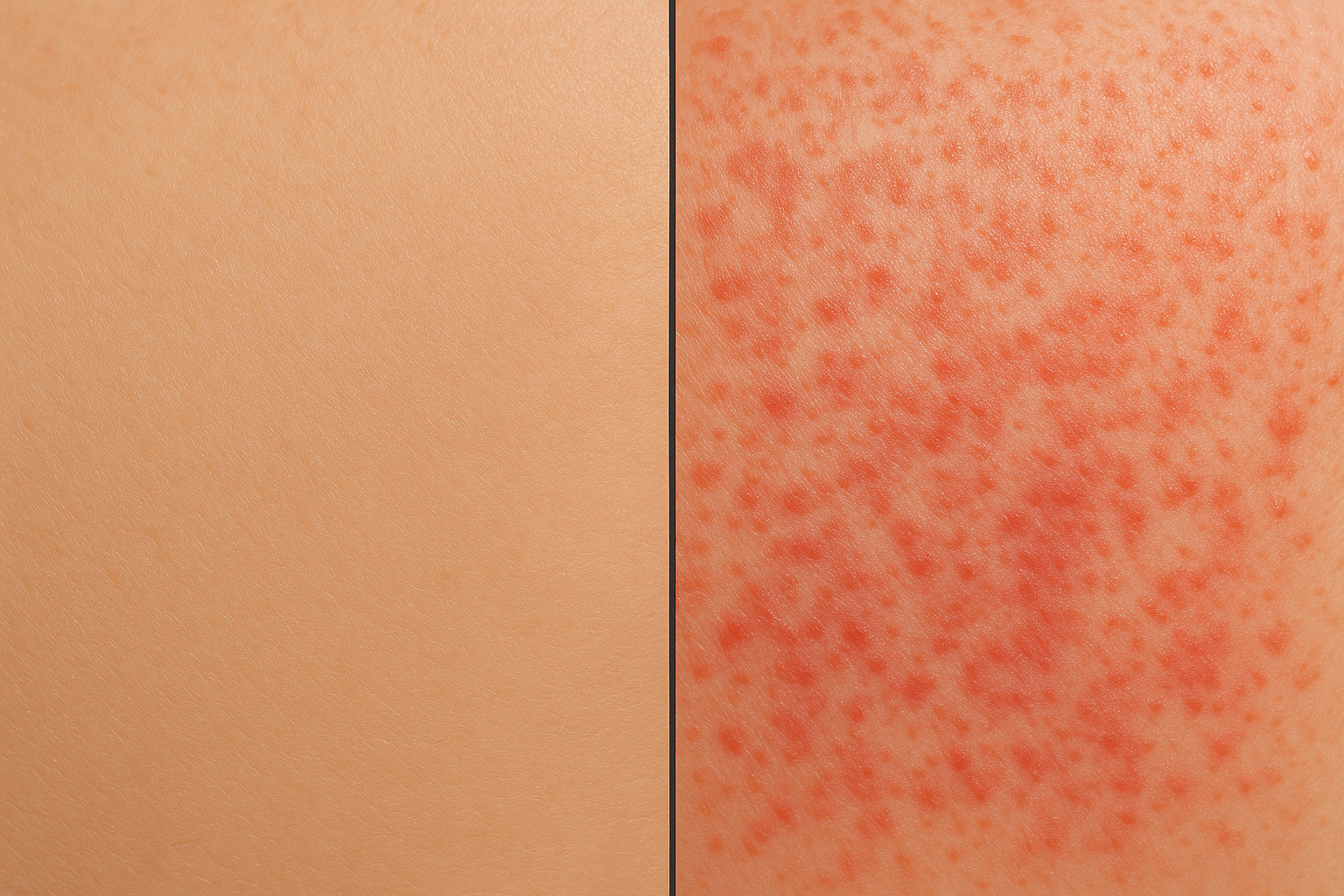
South Africa faces a widespread measles outbreak with 2,476 cases. Learn about its spread, demographic shift, and the public health response.
South Africa is facing a huge measles problem, worse than ever, with 2,476 cases since late 2025. It's not just kids getting sick; many grown-ups are too, showing big holes in who is protected. The disease is spreading fast everywhere because many people didn't get their shots, partly due to the pandemic and wrong information. To fix this, the country needs to find every sick person, give more shots to everyone, and help people trust vaccines again to stop this dangerous disease.
What is causing the measles crisis in South Africa?
The measles crisis in South Africa is primarily caused by a combination of factors, including pandemic-related disruptions to routine vaccinations, leading to immunity gaps, and vaccine hesitancy fueled by misinformation. Additionally, the highly contagious nature of the measles virus and its ability to spread efficiently contribute significantly to the ongoing outbreak.
Get Cape Town news in your inbox
Stay updated with the latest stories from the Mother City.
South Africa confronts its most severe infectious disease emergency in recent memory as measles sweeps through communities nationwide. Between late December 2025 and mid-June 2026, laboratory surveillance has captured 2,476 confirmed infections, with the National Institute for Communicable Diseases (NICD) tracking an accelerating trajectory that defies conventional outbreak patterns. Unlike previous epidemics confined primarily to infants and young children, this wave has penetrated older age brackets, exposing critical vulnerabilities in population immunity that demand urgent attention from policymakers, healthcare providers, and communities alike.
Regional Hotspots and the Challenge of Containment
The Free State Leads Alarming Trends
The Free State province now dominates national surveillance data, having registered 132 fresh infections during the most recent weekly reporting cycle. This surge positions the province at the forefront of transmission, surpassing historical patterns that typically concentrated outbreaks in densely populated urban corridors. Health teams in the region face mounting pressure to identify transmission networks swiftly while preventing further escalation that could overwhelm local treatment facilities.
Persistent Transmission in Major Urban Centres
Cape Town and the broader Western Cape retain their status as critical transmission zones, ranking second nationally in cumulative case counts. The metropolitan environment - with its interconnected neighbourhoods, high population density, and variable immunisation rates - provides fertile ground for sustained viral circulation. Fifty-eight additional residents tested positive in the latest surveillance period, confirming that intervention measures have yet to achieve the containment necessary to break transmission chains.
Nationwide Penetration Complicates Response
Beyond these focal points, the epidemic has established footholds across South Africa's entire provincial landscape. Gauteng contributed 46 new cases, while the Northern Cape, Limpopo, Mpumalanga, Eastern Cape, KwaZulu-Natal, and North West each reported laboratory-confirmed infections. This geographic dispersal creates formidable coordination challenges, as each province presents distinct operational environments - ranging from remote rural clinics to sprawling informal settlements - that resist standardised intervention approaches.
The diversity of affected settings underscores a sobering reality: measles has demonstrated its capacity to exploit any gap in population immunity, regardless of regional wealth, infrastructure, or prior health system performance. Containment strategies must therefore adapt to local contexts while maintaining national coherence, a balance that demands exceptional administrative agility.
Breaking Patterns: When Adults Become Vulnerable
Redefining the Typical Measles Patient
Conventional epidemiology anticipates measles predominantly among the very young, yet this outbreak has shattered that expectation. While roughly seven in ten confirmed infections still occur among children aged one through fourteen, nearly one-fifth of cases involve individuals fifteen and older. This demographic expansion signals a fundamental shift in South Africa's immunisation landscape that carries profound implications for outbreak management.
Tracing the Origins of Age-Shifted Susceptibility
Multiple pathways have converged to create this expanding pool of vulnerable adolescents and adults. Many individuals now entering young adulthood experienced childhood during periods of health system instability, when routine vaccination access proved inconsistent across underserved communities. Others received incomplete protection through single-dose schedules, missing the booster now universally recommended by global health authorities and incorporated into South African national policy.
The accumulation of these partially protected cohorts has created unprecedented conditions for adult transmission, complicating public health messaging that traditionally targeted parents of young children. Recognition of this shift demands expanded surveillance priorities and clinical awareness among practitioners who may not immediately consider measles when evaluating older patients presenting with fever and rash.
Clinical and Operational Consequences
Adult measles infections, while following broadly similar disease progression to childhood cases, occasionally manifest atypically - delaying diagnosis and extending periods of unrecognised infectiousness. Workplace and social transmission dynamics differ substantially from school-based spread, requiring health authorities to deploy contact tracing and post-exposure prophylaxis through unfamiliar channels. The economic implications of adult illness, including lost productivity and healthcare utilisation, add further urgency to prevention efforts.
The Science of Spread: Why Measles Proves So Elusive
Unmatched Infectious Potential
The measles virus - formally classified within the Morbillivirus genus of the Paramyxoviridae family - retains its position as humanity's most contagious pathogen. Epidemiologists quantify this threat through the basic reproduction number, which for measles ranges between twelve and eighteen in fully susceptible populations. Each infected individual thus seeds twelve to eighteen secondary cases, a transmission potential that overwhelms modest vaccination shortfalls and permits explosive outbreak growth.
Mechanisms of Efficient Transmission
Respiratory droplets and aerosolised particles serve as the primary vehicles for viral spread, with infected persons maintaining contagiousness from four days before rash onset through four days afterward. This extended pre-symptomatic window - during which individuals appear healthy while actively shedding virus - defeats conventional isolation-based control strategies. Environmental persistence further extends transmission opportunities, as the virus remains viable on surfaces and in airspaces for hours after infectious individuals depart.
The Hidden Toll of Immune System Damage
Beyond acute illness, measles inflicts devastating collateral damage on immune function. The virus specifically targets memory B and T cells, destroying protective immunological records of previous infections and vaccinations. This "immune amnesia" leaves survivors temporarily vulnerable to secondary infections that may prove more lethal than measles itself. In resource-constrained settings, this immunological aftermath contributes disproportionately to mortality, particularly among children under five years despite vaccine availability.
Parallel Threats and Systemic Vulnerabilities
Rubella Co-Circulation Intensifies Pressure
Simultaneous surveillance has identified 338 laboratory-confirmed rubella cases during the identical observation period, with twenty-six new infections appearing in recent reports. This dual epidemic strains diagnostic laboratory capacity and clinical differentiation, as both viruses produce febrile rash illnesses with substantial symptom overlap.
Pandemic Disruption and Eroding Trust
Health Minister Dr Aaron Motsoaledi has traced declining immunisation rates to multiple reinforcing factors. COVID-19 pandemic disruptions - lockdown restrictions, healthcare worker redeployment, and community fear of facility exposure - interrupted routine vaccination for millions of children during 2020–2022. These missed doses now manifest as outbreak susceptibility among school-age cohorts.
Vaccine hesitancy has independently gained momentum, amplified by social media misinformation that transcends traditional barriers to healthcare access. Supply chain failures, staffing deficits, and cold chain breakdowns in remote service points compound these challenges, while mobile and informal settlement populations remain difficult to reach through conventional fixed-site delivery.
Mobilising Recovery: The Path to Elimination
Technical Foundations of Outbreak Response
The NICD has directed healthcare workers to pursue immediate investigation of every suspected case, recognising that diagnostic confirmation enables rapid deployment of control measures. Serological and molecular testing distinguishes measles from rubella and other differential diagnoses, while simultaneous contact tracing interrupts secondary transmission before new chains establish.
Ambitious Coverage Targets and Implementation
Minister Motsoaledi's strategic vision centres on achieving and sustaining ninety-five percent vaccination coverage - the elimination threshold. This objective encompasses strengthened routine programmes, intensive catch-up initiatives, enhanced outreach, and improved tracking systems that identify and recall children missing scheduled doses. The "Big Catch-Up" campaign, designed specifically to repair pandemic-induced immunity gaps, operates with heightened intensity in underperforming districts.
Provincial departments have received mandates to fortify local immunisation planning, resolve supply vulnerabilities, and guarantee vaccine availability at every primary healthcare entry point. These operational improvements address immediate outbreak drivers while building sustainable infrastructure for long-term programme performance.
Rebuilding Community Confidence
Technical interventions alone cannot overcome entrenched vaccination barriers. The NICD and Department of Health therefore prioritise community engagement through credible local partners - healthcare providers, educators, faith leaders, and traditional authorities - who can counter misinformation, address specific concerns, and restore trust in immunisation as foundational child health protection.
Sustaining Momentum Beyond the Immediate Crisis
As 2026 progresses, seasonal school calendars, holiday mobility patterns, and climatic variations will continue shaping transmission dynamics. Historical experience demonstrates that measles control demands persistent, coordinated effort - combining vigilant surveillance, rapid case response, and unwavering commitment to reaching every eligible child with protective vaccine.
The current emergency delivers an unmistakable message: measles elimination achievements remain fragile, requiring constant investment and attention to maintain. South Africa's response in coming months will determine whether this outbreak becomes a temporary setback or a prolonged national tragedy.
What is causing the measles crisis in South Africa?
The measles crisis in South Africa is primarily caused by a combination of factors, including pandemic-related disruptions to routine vaccinations, leading to immunity gaps, and vaccine hesitancy fueled by misinformation. Additionally, the highly contagious nature of the measles virus and its ability to spread efficiently contribute significantly to the ongoing outbreak. The country has seen 2,476 confirmed cases since late 2025, affecting both children and adults.
Which regions are most affected by the measles outbreak?
The Free State province currently leads in alarming trends, reporting 132 fresh infections during a recent weekly cycle. Cape Town and the broader Western Cape also remain critical transmission zones, ranking second nationally in cumulative case counts with 58 new cases. Beyond these hotspots, the epidemic has established footholds across all of South Africa's provinces, including Gauteng, Northern Cape, Limpopo, Mpumalanga, Eastern Cape, KwaZulu-Natal, and North West, indicating widespread penetration.
Why are adults becoming vulnerable to measles in this outbreak?
Unlike previous epidemics primarily affecting infants and young children, this outbreak has seen nearly one-fifth of cases involve individuals aged fifteen and older. This shift is attributed to multiple factors: some adults experienced inconsistent routine vaccination access during their childhood due to health system instability, while others received incomplete protection from single-dose schedules. This has created an expanded pool of vulnerable adolescents and adults, complicating traditional public health messaging and requiring expanded surveillance priorities.
How contagious is measles and why is it so difficult to control?
Measles is considered humanity's most contagious pathogen, with a basic reproduction number ranging between twelve and eighteen in fully susceptible populations. This means each infected individual can spread the virus to 12 to 18 others. Its high contagiousness is due to efficient transmission through respiratory droplets and aerosolized particles, and infected persons are contagious from four days before rash onset through four days afterward. This extended pre-symptomatic window, during which individuals appear healthy but are actively shedding the virus, makes conventional isolation strategies challenging.
What are the parallel threats and systemic vulnerabilities exacerbating the crisis?
South Africa is also dealing with a co-circulation of rubella, with 338 laboratory-confirmed cases during the same period, straining diagnostic capacity. The crisis is further worsened by systemic vulnerabilities, including disruptions to routine vaccination programs caused by the COVID-19 pandemic, leading to millions of missed doses. Vaccine hesitancy, amplified by social media misinformation, along with supply chain failures, staffing deficits, and cold chain breakdowns in remote areas, also contribute significantly to the challenges.
What is South Africa's strategy for recovery and eliminating measles?
The recovery strategy centers on achieving and sustaining 95% vaccination coverage, which is the elimination threshold. This involves strengthening routine programs, intensive catch-up initiatives like the "Big Catch-Up" campaign, enhanced outreach, and improved tracking systems. The National Institute for Communicable Diseases (NICD) has directed healthcare workers to immediately investigate every suspected case for rapid deployment of control measures. Additionally, rebuilding community confidence through engagement with credible local partners, such as healthcare providers, educators, and faith leaders, is crucial to counter misinformation and restore trust in immunisation.

Michael Jameson is a Cape Town-born journalist whose reporting on food culture traces the city’s flavours from Bo-Kaap kitchens to township braai spots. When he isn’t tracing spice routes for his weekly column, you’ll find him surfing the chilly Atlantic off Muizenberg with the same ease he navigates parliamentary press briefings.
View all articles →