
WHAT HAPPENED TO THE CANADIAN TOURIST?
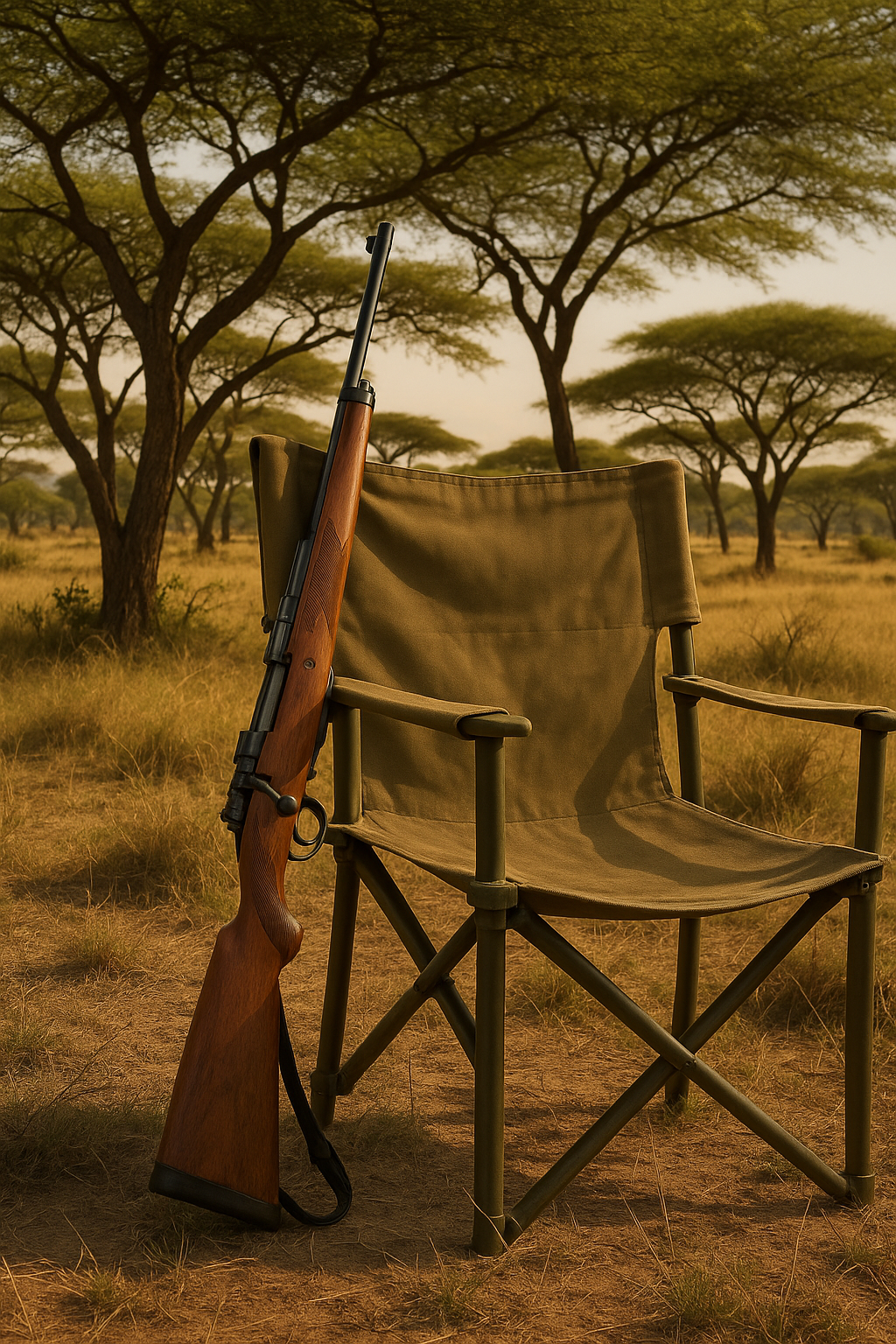
Fatal shooting at a Kruger National Park bush-braai exposes critical firearm safety gaps and sparks debate over safari tourism protocols.
A fun evening at Kruger Park turned scary when a guide accidentally shot a woman. He was showing off his big rifle, and it just went off! This terrible accident happened because the rifle might have been changed to fire too easily. Now, everyone is looking closely at how guns are handled in the park to make sure something like this never happens again. They want to keep visitors safe while still enjoying the wild.
What caused the fatal shooting at the Kruger National Park bush braai?
The fatal shooting at Kruger National Park's bush braai occurred when a guide, Mr. P, lifted a .375-calibre rifle onto his lap to illustrate a story, and the rifle discharged. The bullet struck a 69-year-old woman, leading to her death. Forensic analysis indicated a light trigger pull, suggesting aftermarket modifications to the rifle.
Get Cape Town news in your inbox
Stay updated with the latest stories from the Mother City.
The Stage Is Set: How the Popular Night-Time Braai Came to Be
Kruger’s bush-braai product began in the early 1990s when park managers realised that the same sunset views and crackling campfires guests already loved could be monetised without building new lodges. Concession companies struck 10- to 20-year leases to use discreet clearings - often old ranger outposts perched on granite koppies - and ferry visitors into the park after the day gates closed.
Guests are collected from clusters of lodges around Hazyview, Marloth Park or Mbombela around 15:30, climb into open-sided Land Cruisers fitted with spotlights and two-way radios, then spend the late afternoon tracking the “golden hour” light prized by photographers. Their reward is a three-course meal served under acacia branches while the Milky Way spills overhead.
The standard timeline is clockwork-tight: a 15:30 collection, sundowner stop for coffee laced with Amarula at 16:00, arrival at the chosen boma at 18:30, then steak, kudu kebab and fireside star stories until 21:30. A short night drive on the way out gives one last chance to catch eyeshine - genet, civet, perhaps leopard - before guests roll back through Phabeni Gate just before 23:00.
Safety on Paper, Gaps in Practice
Every concession must work under a Biodiversity Management and Tourism Protocol issued by SANParks. The rules are precise: no more than 24 diners per evening, compulsory public-liability insurance, zero alcohol for drivers, and strict conditions for any firearm on site.
Kruger’s own guides never carry rifles, but concessionaires - because many also run walking trails - argue they need one “for dangerous-game emergencies.” The protocol demands weapons cased during transit, chamber flags inserted until a “verifiable threat” appears, and every round logged in and out at the staff gate.
Yet daily enforcement is limited to spot checks; there are no metal detectors or X-ray machines at the soft-sided concession entrances. In practice, a rifle can travel from vehicle to dinner table with only a nod from colleagues. That loophole proved lethal on the evening of 17 June 2026.
Minute by Minute: The Shot That Shattered the Night
15:45 – Three vehicles leave Perry’s Bridge Hollow under low, grey skies. The Canadian family - parents in their late sixties, two adult children - sit in cruiser Bravo-2.
16:30 – Elephants wallowing at Silolweni Dam delay the convoy by twelve minutes; the chef is radioed to keep the starter on hold.
18:22 – The small procession reaches the Phabeni boma. Guests step onto a raised timber deck ring-fenced by a knee-high electric strand meant to deter elephants after dark.
19:05 – The guide, a 34-year-old Free State-licensed professional referred to in police statements only as “Mr P”, lifts a .375-calibre bolt-action rifle onto his lap to illustrate a story about a buffalo charge he survived seven months earlier. Cell-phone photos time-stamped 19:07:23 capture the muzzle angle; in one frame a bright fleck of muzzle flash is visible.
19:07 – The rifle fires. The bullet travels 6.4 metres before punching into the 69-year-old woman’s upper chest. A trainee guide begins CPR while the chef dials Skukuza on a satellite phone. A doctor-paramedic team races 37 km in 22 minutes. At 19:34 the victim is pronounced dead - “non-survivable damage to heart and pulmonary trunk.”
Forensics, Fallout and Future Safeguards
By 20:10 SAPS has taped off a 40-metre radius; a LiDAR-mapping drone scans for bullet trajectory. SANParks’ acting CEO lands at 21:05 to meet detectives and the Canadian consular duty officer. The .375 Nosler Partition bullet is dug intact from a termite mound eight metres beyond the last table. Ballistic tests show a trigger pull of only 1.4 kg - about half the two-and-a-half-kilogram minimum recommended for field rifles - hinting at aftermarket tinkering.
WildStar Safaris Pty Ltd, the concession holder, publicly commits to cooperating. Their insurance file shows coverage of ZAR 50 million (USD 2.6 million), enough for the claim unless gross negligence is proven. Within 48 hours SANParks freezes all live-fire rifles at bush braais, mandates sealed dashboard lockboxes, and orders a compulsory 30-minute safety video before any future departure.
Ripple Effects Across the Industry
The Professional Hunting Guides Association has urged members to retrain on “Condition 3 carry”: magazine loaded, chamber empty. South Africa’s Tourism Business Council convened an emergency session to draft new concession-firearm rules modelled on Tanzania’s 2017 walking-safari code. Lloyd’s underwriters warn of premium jumps of 12–18 percent for any operator still carrying live weapons.
Some outfitters are testing non-lethal deterrents - 12-gauge rubber buckshot launchers, flare pistols, or 110-decibel predator growl boxes. Critics argue none match a .375’s stopping power, yet insurers increasingly view them as risk-diluting. Kenya bans all non-KWS guns on night drives; Botswana demands quarterly range tests; Namibia allows pistols only in locked compartments. Kruger now sits at the permissive end of the spectrum, a position under rapid re-examination.
Beyond the Headlines: the Human and Economic Cost
Retired Canadian librarian, avid birder and published poet - these are the words her family used to describe the 69-year-old who had just released a rehabilitated vulture at Moholoholo only three days earlier. Her death is Kruger’s first recorded tourist fatality linked to a concession firearm in 127 years.
The after-hours concession sector is worth roughly ZAR 420 million a year and sustains 1,100 direct jobs. Even a 30 % July booking drop would shave ZAR 37 million off provincial receipts, painful only two years after COVID-19 erased ZAR 1.4 billion. Yet July cancellations so far sit at a modest 7 %, a sign that many travellers still trust the product once new safeguards are in place.
Park authorities now weigh three paths: strip all firearms and rely on nearby armed rangers; adopt a dual-key biometric safe requiring two staff members to unlock the rifle; or make firearms the exception, permitted only on high-risk walking safaris. Until the inquest docket is heard under South Africa’s Inquests Act 58 of 1959, the lantern-lit deck at Phabeni will reopen with floodlights in place of hurricane lamps - and a framed photograph of a smiling woman and a vulture reminding every guest that Kruger’s grandeur comes with equal measures of responsibility.
[{"question": "
What led to the tragic shooting incident at Kruger National Park?
\nA fun evening at Kruger Park resulted in a guide accidentally shooting and killing a 69-year-old woman. The guide, Mr. P, was showing off a .375-calibre rifle when it discharged. Forensic analysis later suggested the rifle might have been modified for a lighter trigger pull, contributing to the accidental firing.\n","answer": "The fatal shooting occurred when a guide, Mr. P, was illustrating a story about a buffalo charge by lifting a .375-calibre bolt-action rifle onto his lap. The rifle discharged, and the bullet struck a 69-year-old woman, leading to her death. Investigations revealed a light trigger pull of only 1.4 kg, indicating potential aftermarket modifications to the rifle, as the recommended minimum for field rifles is 2.5 kg."},{"question": "What safety protocols were in place for firearms at Kruger National Park's bush braais, and where did they fail?
\nA: Every concession must follow SANParks' Biodiversity Management and Tourism Protocol. Rules include no more than 24 diners, public-liability insurance, zero alcohol for drivers, and strict firearm conditions. Weapons must be cased during transit, have chamber flags inserted until a 'verifiable threat' appears, and every round logged. However, daily enforcement was limited to spot checks, and there were no metal detectors or X-ray machines at concession entrances, allowing rifles to travel from vehicle to dinner table with minimal oversight. This loophole proved lethal on June 17, 2026.\n","answer": "SANParks' Biodiversity Management and Tourism Protocol mandated strict firearm conditions, including cased weapons in transit, chamber flags, and logging of ammunition. However, these protocols failed due to limited daily enforcement, a lack of metal detectors at concession entrances, and a practical reality where rifles could easily move from vehicles to dinner tables without stringent checks. This gap in practice allowed the guide to have the rifle uncased and loaded at the dinner table."},{"question": "What immediate actions did SANParks take following the incident?
\nA: Within 48 hours of the incident, SANParks took several immediate actions. They froze all live-fire rifles at bush braais, mandated sealed dashboard lockboxes for all firearms, and ordered a compulsory 30-minute safety video to be shown before any future departure from concession points. They are also re-examining their overall approach to firearm use in the park.\n","answer": "Within 48 hours of the shooting, SANParks froze all live-fire rifles at bush braais, mandated sealed dashboard lockboxes for firearms, and introduced a compulsory 30-minute safety video before any future departures. They also began a rapid re-examination of their firearm policies, considering options like stripping all firearms or requiring dual-key biometric safes."},{"question": "How has the incident impacted the wider tourism industry and firearm regulations in South Africa?
\nA: The incident has had significant ripple effects. The Professional Hunting Guides Association urged members to retrain on 'Condition 3 carry' (magazine loaded, chamber empty). South Africa's Tourism Business Council convened an emergency session to draft new concession-firearm rules, potentially modeled on Tanzania's 2017 walking-safari code. Lloyd's underwriters also warned of premium increases of 12-18 percent for operators still carrying live weapons, pushing some outfitters to explore non-lethal deterrents.\n","answer": "The incident prompted the Professional Hunting Guides Association to urge retraining on 'Condition 3 carry' (magazine loaded, chamber empty). The Tourism Business Council convened an emergency session to draft new concession-firearm rules, potentially modeled on Tanzania's walking-safari code. Insurers like Lloyd's warned of premium jumps of 12-18% for operators with live weapons, leading some outfitters to test non-lethal deterrents such as rubber buckshot launchers, flare pistols, or predator growl boxes."},{"question": "What are the proposed future safeguards for firearm use in Kruger National Park?
\nA: Park authorities are currently weighing three main paths for future firearm use. These include stripping all firearms and relying on nearby armed rangers, adopting a dual-key biometric safe system requiring two staff members to unlock a rifle, or making firearms an exception, permitted only on high-risk walking safaris. The final decision awaits the inquest docket under South Africa's Inquests Act 58 of 1959.\n","answer": "Kruger Park authorities are considering three paths for future firearm use: stripping all firearms and relying on nearby armed rangers, adopting a dual-key biometric safe requiring two staff members to unlock a rifle, or making firearms an exception, permitted only on high-risk walking safaris. These measures aim to enhance safety and prevent similar incidents."},{"question": "What was the human and economic cost of this tragedy?
\nA: The human cost was the life of a 69-year-old retired Canadian librarian, an avid birder and poet, marking Kruger's first recorded tourist fatality linked to a concession firearm in 127 years. Economically, the after-hours concession sector is worth ZAR 420 million annually, supporting 1,100 jobs. While a 30% July booking drop could shave ZAR 37 million off provincial receipts, cancellations so far sit at a modest 7%, indicating continued trust in the product with new safeguards.\n","answer": "The human cost was the tragic death of a 69-year-old retired Canadian librarian, marking Kruger's first tourist fatality linked to a concession firearm in 127 years. Economically, the after-hours concession sector, worth ZAR 420 million annually and sustaining 1,100 jobs, faced potential significant losses. However, initial cancellation rates were modest at 7%, suggesting continued traveler trust once new safeguards are implemented."}]
Amanda Wilson is a Cape Town-born journalist who covers the city’s evolving food scene for national and international outlets, tracing stories from Bo-Kaap spice shops to Khayelitsha micro-breweries. Raised on her grandmother’s Karoo lamb potjie and weekend hikes up Lion’s Head, she brings equal parts palate and pride to every assignment. Colleagues know her for the quiet warmth that turns interviews into friendships and fact-checks into shared laughter.
View all articles →