
WHO IS THE THIRD SUSPECT IN THE KRUGER MURDERS?
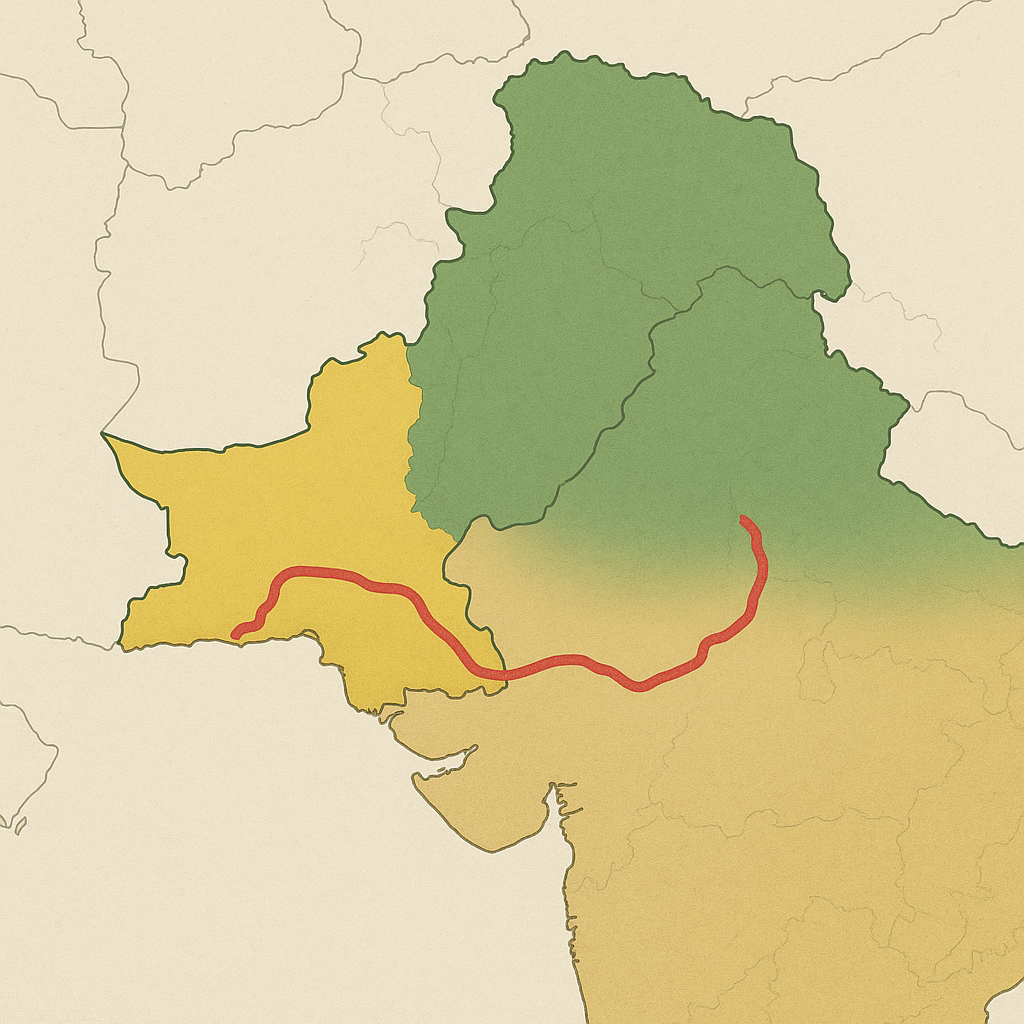
Anatomy of the Kruger murders manhunt that crossed three borders, rattled a region, and exposed a wildlife crime nexus.
An elderly couple, Ernst and Dina Marais, were tragically murdered during a hijacking in Kruger National Park. Their stolen car was found in Mozambique, sparking a massive international hunt. Investigators pieced together their last movements and found their bodies, revealing a brutal attack. Several criminals linked to a syndicate were arrested, exposing a dark world of wildlife crime and violent banditry, forcing a re-evaluation of security in the park.
What happened to Ernst and Dina Marais in Kruger?
Ernst and Dina Marais, a married couple, were murdered during a hijacking in Kruger National Park. Their vehicle was stolen, and their bodies were found in the Luvuvhu River. The incident triggered a large-scale international manhunt across Southern Africa, leading to the arrest of several individuals involved in the syndicate responsible for the crime.
Get Cape Town news in your inbox
Stay updated with the latest stories from the Mother City.
A Quiet Drive Turned Nightmare
On a humid October Saturday, Ernst and Dina Marais - married nearly five decades - pulled away from their Punda Maria cottage in Kruger, camera gear ready, hoping to snap hippo photos at a nearby picnic spot and be back before sunset drinks. The retired civil engineer and the former primary-school librarian never returned. Forty-eight hours later their licence-stripped Ford Ranger surfaced in Chókwè, Mozambique, 380 kilometres away, pocked with bullet scars and dust. News of the find detonated outrage inside South Africa and triggered the biggest three-nation manhunt the region had witnessed since the 1980s ivory wars.
Friends remember Ernst as the traveller who logged fuel, mileage and every giraffe sighting in a colour-coded spreadsheet each night. Hidden beneath his dashboard sat a factory-fitted tracker that would soon help detectives rewind the couple’s final movements. The pair’s satellite phone, two handheld GPS units and meticulous note-taking would become silent witnesses in a case that blurred the line between wildlife crime and violent banditry.
The first alert flashed at 00:17 on Tuesday when the Ranger’s transponder woke up inside Mozambique after a day-long blackout. Johannesburg control-room staff flagged it as a false alarm - border zones often scramble signals - so no one raised the siren inside Kruger. By the time the vehicle was finally reported overdue, its occupants had already been murdered and dumped along the Luvuvhu’s southern bank.
The Trail Goes Cold, Then Hot
Rangers combed the H1-8 gravel loop toward the Limpopo River, but tyre tracks on the sandy track were washed out by weekend wind. At 11:42 Monday, a terse radio call confirmed the worst: no car, no mobile pings, no lodge key. A Pilatus PC-12 lifted from Polokwane to trace the last GPS blips, watching them slide over the Zimbabwean frontier and dissolve near Chókwè. Investigators now believe the killings happened shortly after the vehicle gate exit at 19:03 when the tracker paused for fourteen eerie minutes.
On Wednesday, fishermen followed a crocodile pod and spotted two figures tangled in reeds two kilometres west of Crooks’ Corner, the storied meeting point of South Africa, Zimbabwe and Mozambique. Autopsies tallied twenty-three stab wounds split between the couple. No bullets riddled the bodies, yet 9 mm casings inside the cab matched a Norinco pistol popular in Maputo’s black markets. The absence of gunshot injuries suggested the shooters either ran out of ammunition or preferred blades to silence the noise.
Police stitched together the getaway with phone dumps and border CCTV. Burner SIM cards piggy-backed the same route as the Ranger. A charcoal Toyota Hilux joined the convoy, and both vehicles slipped through Pafuri border at 23:21 after a 200-metical bribe convinced the night officer to lift the locked gate. The Hilux later peeled west toward Massingir Dam while the Ford continued to Chókwè, where a chop-shop specialising in high-end bakkies began stripping parts within hours.
Inside the Syndicate
At dawn on 3 November, SERNIC tactical teams kicked in the door of a tin-roof house in Chókwè’s 3 de Fevereiro neighbourhood. They found the Ranger’s seats stacked beside 37 kilograms of lion bones ready for the Asian market. Two men were led away in handcuffs: Sérgio Nazario Sitoe, 32, a former Limpopo National Park ranger fired for rhino-horn trafficking, and Armando Lucas Tembe, 33, a welder who turned hunting rifles into homemade shotguns. Soil on their shoes matched the Luvuvhu riverbank, and Tembe’s fingerprint clung to a water bottle inside the hijacked vehicle.
Macandze Lionel da Marta, 26, cousin to Sitoe and the crew’s wheelman, fled north, paddling across the Save River under moonlight. He trekked 200 kilometres through Gonarezhou’s buffer zone, surviving on goat meat and illicit beer sold by illegal miners. Detectives tailed him by monitoring his brother’s Ecocash transfers until a Zimbabwe Republic Police roadblock outside Triangle ended the sprint on 28 November. Police believe Da Marta hurled the murder weapon - a stolen picnic-site kitchen knife - into the Levubu current before crossing the frontier.
Mozambican prosecutors charged Sitoe and Tembe with murder, hijacking, firearms offences and illegal border crossing, and reserved Courtroom 3 for future hearings. South Africa’s National Prosecuting Authority must now decide whether to seek extradition under a 2005 bilateral treaty or let Maputo run the trial. Complicating the calculus, the SAPS Digital Ballistics Corridor Project discovered the 9 mm casings also match a cash-in-transit heist near Komatipoort last May, hinting at a fluid black market where the same guns arm ivory poachers and highway robbers.
The Fallout and the Future
SANParks admits its visitor-safety blueprint is obsolete. Kruger’s 1 400 km road grid is monitored by one fixed camera every five kilometres; Nairobi National Park, by contrast, mounts infrared towers every 500 metres. A new AI-enabled licence-plate network will scan exits and flag vehicles that fail to appear within a pre-set window. Pilot gates - Pafuri and Crocodile Bridge - are slated for the upgrade by May 2024. Meantime, two leased DJI Matrice drones patrol a 30 km corridor along the Limpopo, streaming thermal video to Skukuza’s joint ops centre via Starlink dishes.
Across the border, Chókwè residents fear the “murder capital” label will linger. A youth group planted fever trees and painted wildlife murals at the dump site where the Ranger was found, yet tourism donors remain skittish. Tour operators in Hoedspruit note a 12 % slump in December bookings; some lodges now require escorted convoys north of Shingwedzi. South Africa’s Home Affairs ministry is reviewing visa rules for Mozambican hospitality staff, while tourism bodies propose biometric work permits tethered to live police vetting.
Prosecutors have until February 2024 to finalise indictments and lodge extradition papers; Maputo has pencilled pre-trial proceedings for mid-month. Detectives continue secondary DNA sweeps on soil, blood spatter and chassis fibres, hoping to nail down motive. Whether the killers acted out of greed, mistaken identity or some darker impulse will shape not only courtroom strategy but also Kruger’s next security overhaul.
What happened to Ernst and Dina Marais in Kruger National Park?
Ernst and Dina Marais, an elderly couple, were tragically murdered during a hijacking while visiting Kruger National Park. Their vehicle was stolen, and their bodies were later discovered in the Luvuvhu River.
Where was their stolen car found and what did it lead to?
Their stolen Ford Ranger was found in Chókwè, Mozambique, approximately 380 kilometers from Kruger National Park. The discovery of the vehicle, pocked with bullet scars, sparked a massive three-nation manhunt across Southern Africa, involving South Africa, Mozambique, and Zimbabwe.
How were investigators able to piece together the couple's last movements?
Investigators utilized the factory-fitted tracker in Ernst Marais's vehicle, the couple's satellite phone, and two handheld GPS units. These tools, along with meticulous note-taking, allowed detectives to reconstruct their final journey, revealing that the killings likely occurred shortly after they exited a vehicle gate.
Who was arrested in connection with the murders and what was revealed?
Several individuals linked to a criminal syndicate were arrested. Key figures included Sérgio Nazario Sitoe, a former park ranger, and Armando Lucas Tembe, a welder, both apprehended in Chókwè, Mozambique. Macandze Lionel da Marta, the crew's wheelman, was later caught in Zimbabwe. The investigation exposed a dark world of wildlife crime, as evidenced by lion bones found with the stolen vehicle, and violent banditry.
What security concerns and re-evaluations arose from this tragedy?
The incident forced a re-evaluation of security in Kruger National Park. SANParks acknowledged its visitor-safety blueprint was obsolete. Plans were initiated for upgrades like an AI-enabled license-plate network, new surveillance at pilot gates, and the deployment of drones for monitoring. The tragedy also impacted tourism, with a slump in bookings and new security measures being adopted by lodges.
What are the current legal proceedings and broader implications?
Mozambican prosecutors have charged Sitoe and Tembe with murder, hijacking, firearms offenses, and illegal border crossing. South Africa's National Prosecuting Authority is considering extradition under a bilateral treaty. The discovery of matching 9mm casings at another crime scene suggests a fluid black market for weapons used by both poachers and robbers, highlighting the interconnectedness of various criminal activities in the region.

Aiden Abrahams is a Cape Town-based journalist who chronicles the city’s shifting political landscape for the Weekend Argus and Daily Maverick. Whether tracking parliamentary debates or tracing the legacy of District Six through his family’s own displacement, he roots every story in the voices that braid the Peninsula’s many cultures. Off deadline you’ll find him pacing the Sea Point promenade, debating Kaapse klopse rhythms with anyone who’ll listen.
View all articles →