
WHY ARE FUEL PRICES FALLING
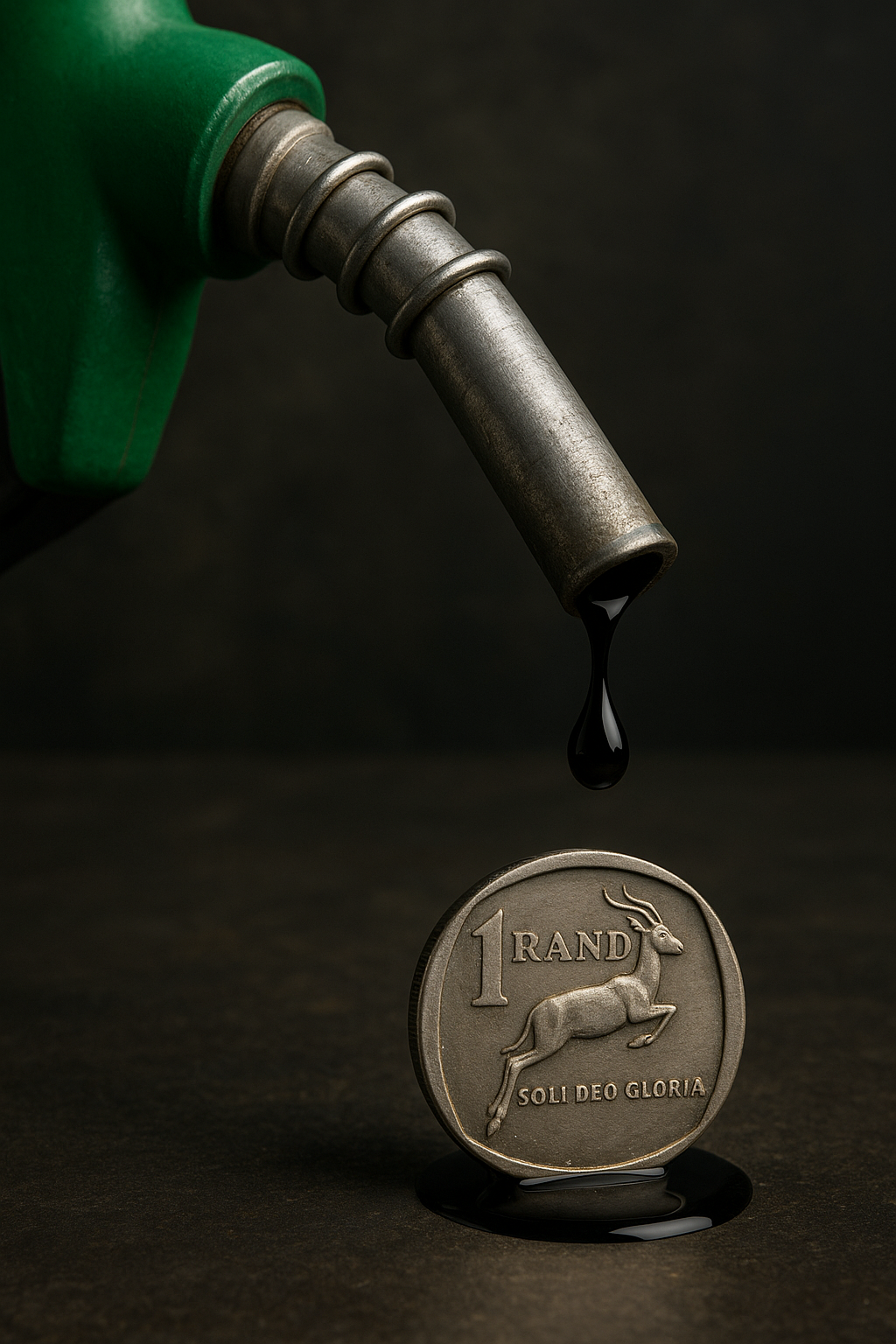
South Africa sees significant July fuel price drops due to falling oil prices & a stronger rand, offering relief for motorists & businesses.
South Africa is celebrating a huge drop in fuel prices for July 2026, the biggest since 2020! This fantastic news means cheaper petrol and diesel, putting more money back into people's pockets. The price cut happened because global oil prices crashed, the South African rand got stronger, and some transport costs went down a little. This relief is a welcome surprise for families, farmers, and businesses, making holidays and operations much more affordable. But, experts warn this good fortune might not last, as global events and local issues could push prices back up.
What caused the significant drop in South African fuel prices in July 2026?
South Africa's July 2026 fuel price drop, the largest since 2020, was primarily due to a collapse in Brent crude prices from geopolitical developments, a strengthening rand against the dollar, and slight trims in domestic transport and storage margins. These factors combined to significantly reduce the Basic Fuel Price.
Get Cape Town news in your inbox
Stay updated with the latest stories from the Mother City.
The Midnight Gift: How Rands Stay in South African Pockets
At the stroke of midnight on 2 July 2026, South African forecourts recalibrated their pumps and delivered what millions had waited months to see: petrol dropping by up to R1.96 per litre and diesel easing by as much as R3.15 per litre. The Department of Mineral and Petroleum Resources rubber-stamped these cuts in an official media statement on 30 June, setting the stage for the largest monthly retreat in pump prices since the pandemic year 2020.
Families budgeting for winter school holidays, farmers harvesting late-season crops, and logistics firms rebuilding profit margins all received the same unsolicited bonus. For a household running a 1.4-litre hatchback and filling 45 litres a week, the petrol cut alone translates to roughly R350 extra every month. Multiply this across 12 million registered passenger cars and the macro-economic effect is immediate: more disposable income chasing groceries, clothing, and entertainment rather than feeding the fuel tank.
The timing borders on poetic. Holidaymakers who had postponed trips when Brent crude flirted with $105 in March can now set off without guilt. Fruit exporters worried that freight surcharges would wipe out thin margins begin July with a 12 % drop in diesel input costs. Even minibus taxi associations, normally the first to raise fares when oil spikes, now face pressure from commuters to roll back the emergency increases imposed earlier in the year.
Inside the Formula: Why Two Rand Less Can Still Leave Half the Bill Untouched
South Africa does not let the free market decide what you pay at the pump. A monthly ritual run by the Central Energy Fund blends international Brent crude prices, the daily rand/dollar exchange rate, domestic transport tariffs, retail margins, and a stack of statutory levies into a single magic number released on the last Friday of every month. The result is the Basic Fuel Price - only about 48 % of what you see on the billboard. The rest is tax architecture.
Refineries, coastal shipping agents, and inland depot operators add regulated transport and storage margins. These fees rarely make headlines, yet they nudge prices up or down by a few cents every cycle. July saw margins trimmed slightly because global freight rates eased and the weaker dollar reduced dollar-denominated coastal storage charges. The net effect is an additional 3–5 cent sweetener baked into the big cut.
Geopolitics, Diplomacy, and Market Psychology: The Brent Roller-Coaster
Between January and March 2026, every hint of new Middle-Eastern tension propelled Brent crude above $100, peaking at $107.40 on 18 March. Hedge funds piled into long positions, fearing that any Iranian retaliation against shipping lanes could choke 20 % of seaborne oil trade. South Africa, importing every litre it consumes,, felt the pain almost instantly as the Basic Fuel Price surged by 92 cents in April alone.
The script flipped in June. An unexpected thaw between Washington and Tehran concluded with an interim sanctions-relief package that unlocked an extra 700 000 barrels per day within weeks. Futures traders unwound risk premiums at lightning speed. By 25 June, Brent had collapsed to $81, and the forward curve showed contango - a market signal that traders expect plenty of oil in the months ahead. The rand-denominated landed cost of petrol dropped 12 % between the two snapshot dates used in the CEF’s June price calculation, paving the way for the July windfall.
The episode underscores a hard truth for South African motorists: oil prices are as much a geopolitical barometer as they are a supply-and-demand gauge. When sabre-rattling looms, a $10 “fear premium” can appear overnight; when diplomacy prevails, the same premium evaporates. July’s reductions are therefore hostage to the durability of the Iran deal, OPEC+ cohesion, and the next unanticipated flashpoint.
Currency Winds: The Rand’s Part-Time Heroism
While Brent stole the limelight, the rand quietly chipped in. Between the 25 May and 27 June averaging windows, the local unit firmed from R19.00 to R18.40 against the dollar. That 60-cent swing sliced another 28 cents off the Basic Fuel Price, roughly 15 % of the total July cut. The move traced back to a mix of global risk-on sentiment, a softer U.S. dollar index, and some domestic political calm after a smooth national cabinet re-shuffle.
Importers welcome the rand’s cameo, yet veterans warn against complacency. One ratings-agency downgrade or renewed electricity grid anxiety can reverse 30 cents of gain in a week. The Central Energy Fund irons out day-to-day volatility by using a 30-day average, but sharp currency moves late in the cycle can still leak into subsequent months. For now, the rand behaves, and motorists pocket a little extra.
Sector Snapshots: Who Gains and by How Much
Agriculture
Winter wheat farmers in the Western Cape begin July with diesel at R20.89 inland, down from R24.04 in June. Planting schedules that were stress-tested at the higher price now look comfortably profitable. Co-op managers estimate a R1 500 saving per 100-hectare tractor fleet per week - small individually, but material across thousands of farms.
Logistics
Long-haul truck fleets average 35 litres per 100 km. A Johannesburg–Durban return trip now costs roughly R380 less in fuel than it did four weeks ago. Operators report that the saving covers more than half the annual wage adjustment drivers secured in March, softening pressure for freight-rate hikes ahead of the citrus export window.
Households and Services
The petrol cut translates directly into taxi fare relief. The Gauteng Provincial Taxi Council hinted at a 5 % rollback on key routes, echoing similar moves in KwaZulu-Natal. For commuters spending R1 200 monthly on transport, that means R60 back in the pocket - modest, but psychologically powerful after two years of relentless fare increases.
Forward-Looking Risks: Why This Honeymoon May Be Short
Analysts caution that three factors could erode July’s gift before Christmas. First, OPEC+ ministers meet on 3 August; some members favour deeper cuts to defend $90-plus oil. Second, South Africa’s winter diesel demand spike coincides with the northern hemisphere driving season, exerting upward seasonal pressure. Third, Eskom’s precarious generation fleet could reignite rand weakness if planned maintenance swallows more megawatts than forecast.
Yet even a partial rebound - say R1.00 per litre - would leave consumers better off than they were in May. For now, spreadsheets across the land show extra cash where red ink once ruled. From the maize silos of the Free State to Cape Town’s Uber drivers, South Africans will enjoy July with a little more power in their pockets, fully aware that the next midnight adjustment can just as easily snatch the gift away.
[{"question": "What caused the significant drop in South African fuel prices in July 2026?", "answer": "South Africa's July 2026 fuel price drop, the largest since 2020, was primarily due to a collapse in global oil prices (specifically Brent crude prices) from geopolitical developments, a strengthening South African rand against the dollar, and slight trims in domestic transport and storage margins. These factors combined to significantly reduce the Basic Fuel Price."}, {"question": "How much did fuel prices decrease by in July 2026?", "answer": "Petrol prices dropped by up to R1.96 per litre, and diesel eased by as much as R3.15 per litre. This was the largest monthly retreat in pump prices since the pandemic year 2020."}, {"question": "How does this fuel price drop benefit ordinary South African households?", "answer": "For a household running a 1.4-litre hatchback and filling 45 litres a week, the petrol cut alone translates to roughly R350 extra every month. This means more disposable income for groceries, clothing, and entertainment, and allows holidaymakers to travel more affordably. Taxi fares are also expected to see rollbacks, providing relief for commuters."}, {"question": "What are the key components that determine South Africa's fuel price?", "answer": "South Africa's fuel price is determined by a formula managed by the Central Energy Fund. It blends international Brent crude prices, the daily rand/dollar exchange rate, domestic transport tariffs, retail margins, and various statutory levies. The Basic Fuel Price, which is influenced by international crude and exchange rates, accounts for only about 48% of the final price at the pump, with the remaining portion comprising taxes and other charges."}, {"question": "What geopolitical event contributed to the fall in Brent crude prices?", "answer": "An unexpected thaw between Washington and Tehran, concluding with an interim sanctions-relief package, unlocked an extra 700,000 barrels per day of oil. This led to futures traders unwinding risk premiums, causing Brent crude prices to collapse to $81 by June 25th, down from a peak of $107.40 in March 2026."}, {"question": "What are the potential risks that could cause fuel prices to rise again?", "answer": "Analysts warn that July's relief might be short-lived due to several factors: OPEC+ ministers might agree to deeper production cuts to defend higher oil prices, South Africa's winter diesel demand spike coinciding with the northern hemisphere's driving season could create upward seasonal pressure, and Eskom's precarious generation fleet could reignite rand weakness if electricity supply issues re-emerge."}]

Aiden Abrahams is a Cape Town-based journalist who chronicles the city’s shifting political landscape for the Weekend Argus and Daily Maverick. Whether tracking parliamentary debates or tracing the legacy of District Six through his family’s own displacement, he roots every story in the voices that braid the Peninsula’s many cultures. Off deadline you’ll find him pacing the Sea Point promenade, debating Kaapse klopse rhythms with anyone who’ll listen.
View all articles →